Search
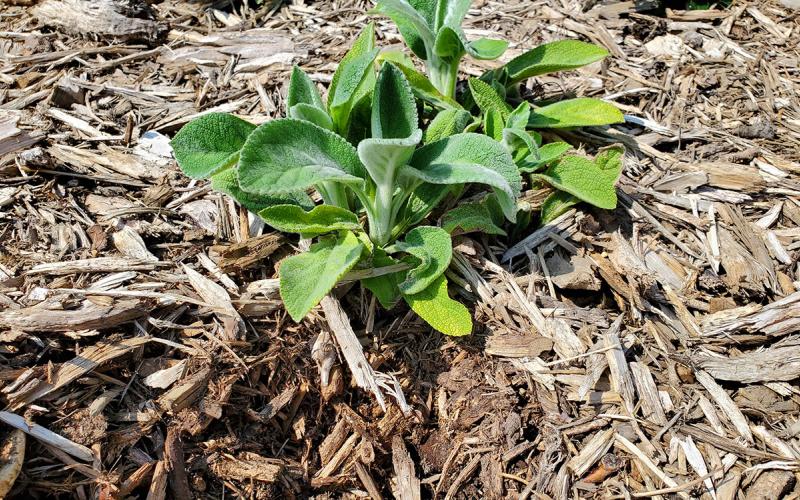
Organic Garden Mulches To Conserve Moisture and Prevent Weeds
If you want to reduce time spent in your vegetable and flower gardens watering or pulling weeds, consider mulching the soil surface with an organic material to improve plant health and your enjoyment of the garden.
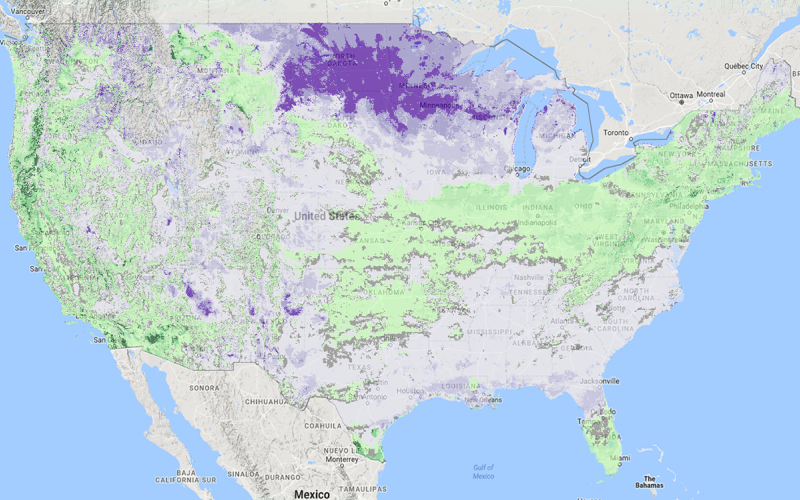
Late Spring Bloom in 2022
In South Dakota, with temperatures cooler than average in 2022, the arrival of spring has been later than usual. Indicators like the first leaf or bloom of some common plants can be used to define the arrival of spring.
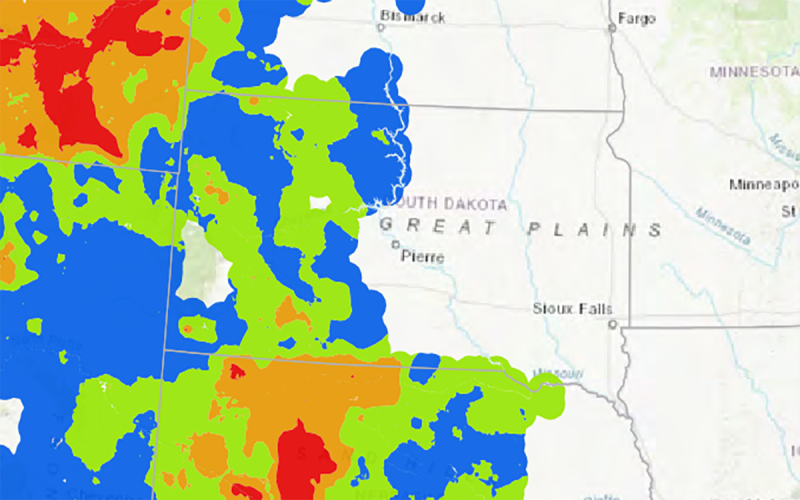
South Dakota Grasshopper Prediction for 2025
In 2025, it is likely that grasshopper populations will once again reach levels capable of causing issues in some areas of the state. Scouting should begin shortly after planting in areas where they were problematic in 2024 and continue throughout the growing season.
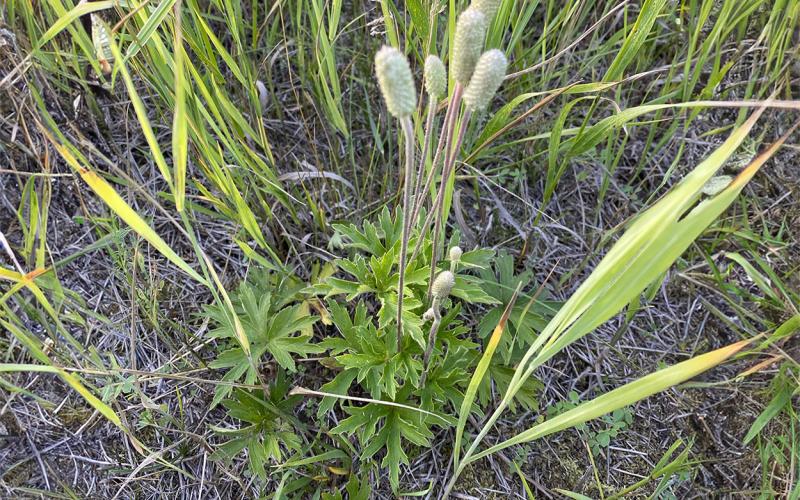
Native Plants to Know: Thimbleweed (Anemone cylindrica)
Anemone cylindrica (Ranunculaceae), also known as thimbleweed or candle anemone, is a perennial, herbaceous plant native to prairies and woodlands of central and northern North America.
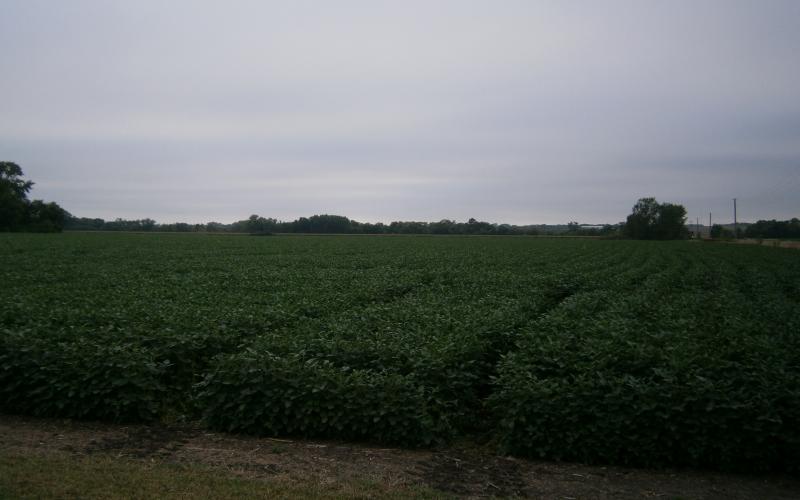
SDSU Extension’s Soybean Week Dives into Pest Management, Soil Health and 2021 Outlook
January 07, 2021
Want to know more about weed control, research, planting dates, and fungicide? Join us on January 19 - 22.

Farm’s Target for Working Capital
Working capital provides a first line of defense for financial stress and an opportunity to take advantage of bargains that may arise. Learn how to calculate it and determine strategic targets for your operation.
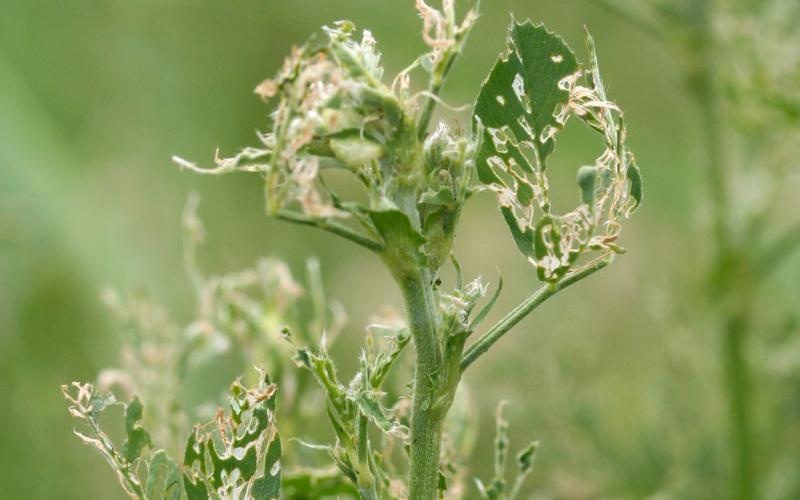
Keep Scouting for Alfalfa Weevils
This week we received a report and picture confirmation of early-instar alfalfa weevil larvae in an alfalfa field. Although most alfalfa fields were treated for alfalfa weevils before the first cutting, those fields still need to be scouted.
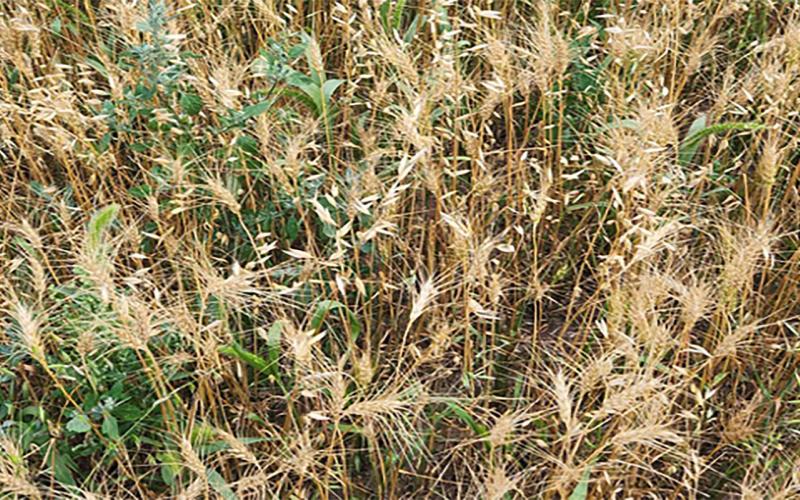
At-Harvest and Post-Harvest Weed Management Tactics in Wheat
Many pre and postemergence herbicides did not adequately control weeds during the 2023 growing season due to early dry and hot conditions. Despite the poor control, there are still options to implement at-harvest and post-harvest to help manage weeds.
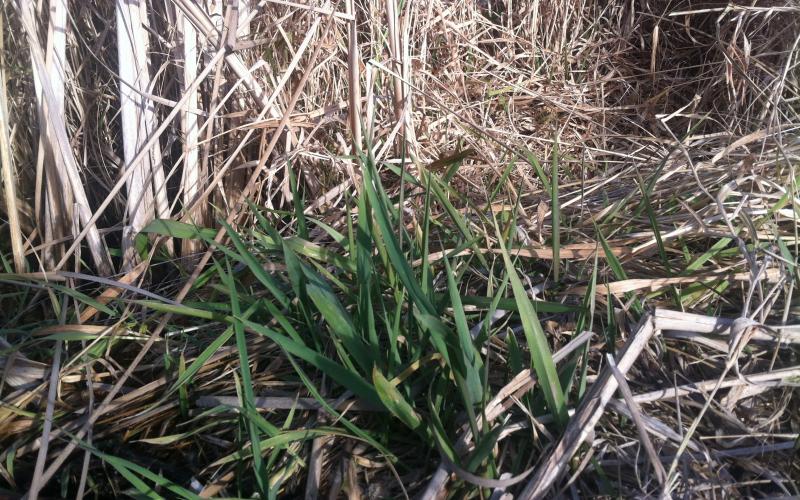
Reed Canary Grass: Possible Prussic Acid & Alkaloid Issues
Prussic acid issues with reed canary grass are poorly understood and may go unrecognized if they occur. This article addresses a little-known but interesting aspect of the biology of reed canary grass.

2019 South Dakota Grasshopper Forecast
The USDA Animal Plant Health Inspection Service conducts an annual survey to monitor grasshopper populations in Western South Dakota. In 2018, SDSU conducted a survey to monitor populations in Eastern South Dakota. These previous-year surveys can be used as a prediction tool for where grasshoppers may be an issue during the upcoming season.