Search
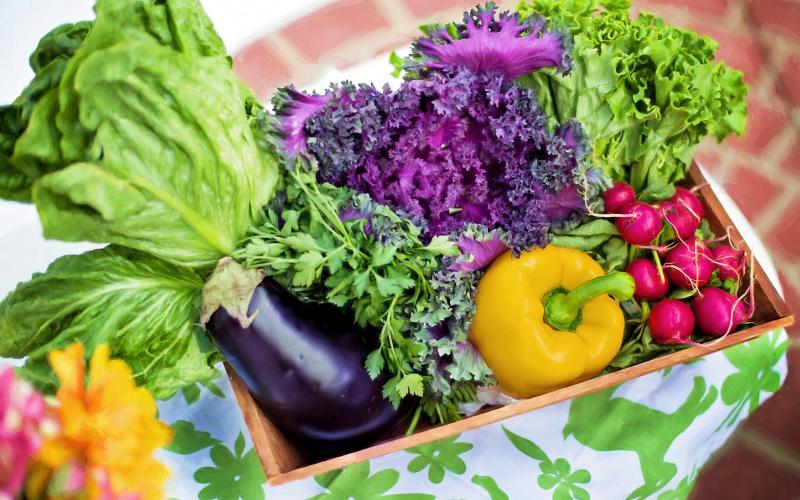
Family Fun With Gardening
Gardening is a fun way to incorporate physical activity into your day, and is a great way to connect kids to where their food comes from!
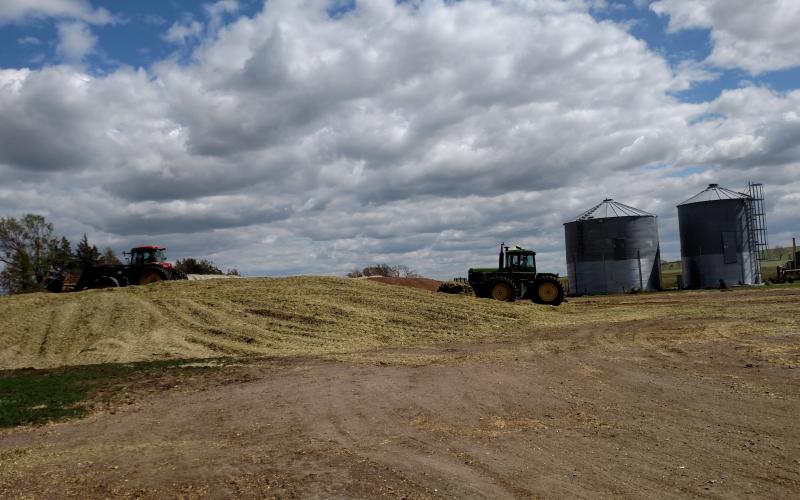
Silage Moisture Testing Tips
Two key points to keep in mind when making high-quality silage are moisture content before harvest and nutrient content before feeding.
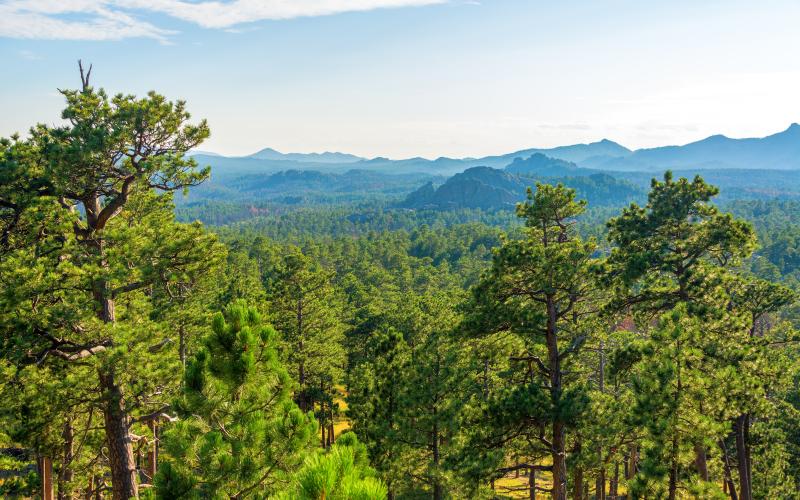
Junior Arborist Activity Guide
The Junior Arborist Activity Guide provides objectives, content, equipment and supplies needed to complete 8 modules of arboriculture instruction, helping schools and other educational programs to create a youth arboriculture program of their own.
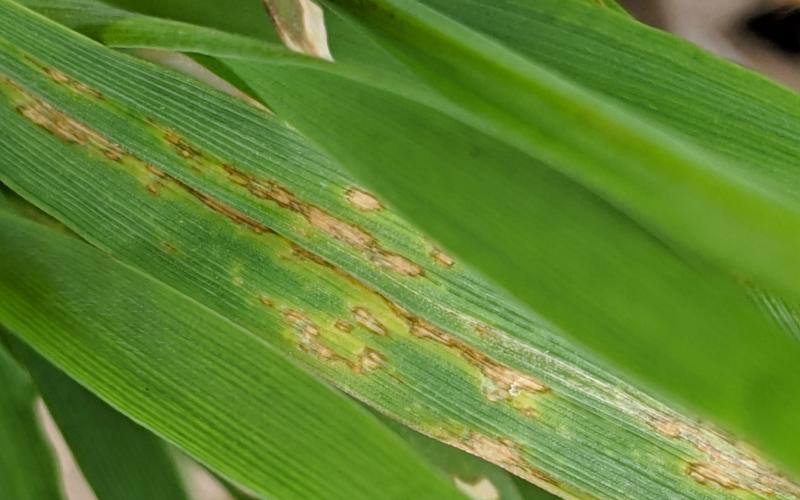
Bacterial Leaf Blight Developing in Winter Wheat
Recent winter wheat scouting found bacterial leaf blight developing in some fields. Bacterial leaf blight is caused by the bacteria, Pseudomonas syringae pv. syringae. The disease develops under frequent rains between 59 and 77 degrees Fahrenheit.
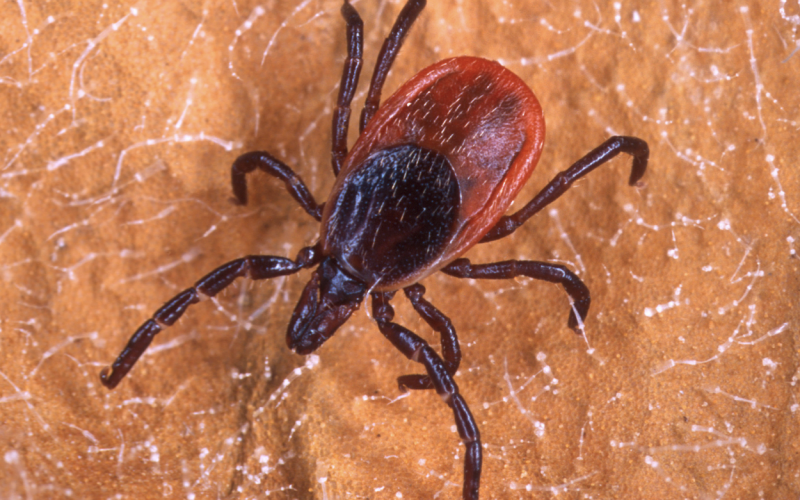
Protecting Yourself From Ticks
During wet springs, tick populations tend to thrive in South Dakota. These parasitic arthropods require blood to fulfill their nutritional needs and commonly use humans as a host. Some ticks can also carry bacterial diseases that are a threat to human health.
An identification guide to common Ticks of South Dakota
A guide to identifying common ticks in South Dakota
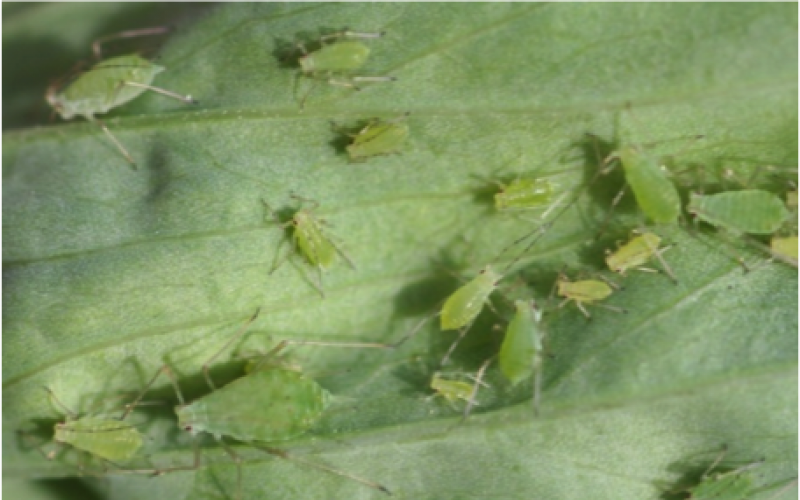
Soybean Aphids in South Dakota
Factsheet on Soybean Aphids in South Dakota

2017-2018 Multi-State Organic Oat Variety Trial Results
The tight production margins currently present in agriculture have increased interest in growing organic oats.

Wearing a Respirator? Then No Facial Hair for You!
At commercial or private applicator re-certification trainings, it is possible to hear the phrase, “Don’t wear a respirator if you have facial hair!” Facial hair, whether a full beard or stubble, may prevent respirators from sealing to the skin or interfere with their valve function.

Large Farms More Dominant in South Dakota Crop Production
Large farms play a more dominant role in South Dakota crop production, according to the recently released 2017 U.S. Census of Agriculture. As of 2017, large farms of more than 2,000 acres operate 66.8% of South Dakota total cropland aces compared to 47.7% as of 1997.