Search
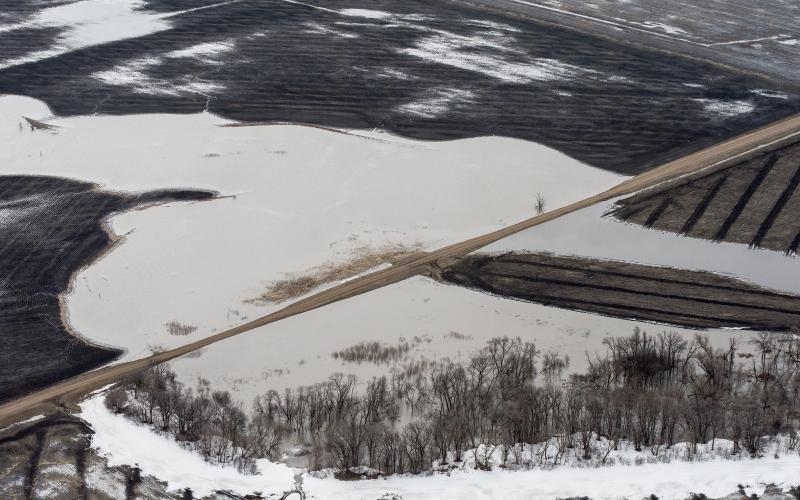
Managing Soil and Soil Fertility After Flooding
During floods, your fields will experience different amounts of erosion, sediment deposition, and crop residue accumulation. To avoid compaction of these soils it is crucial to let soils drain and dry out sufficiently before removing any large debris from fields or working the soil.

Smart to Lead SDSU Extension Agriculture and Natural Resources Program
July 06, 2021
South Dakota State University Extension has named Alexander “Sandy” Smart as the new Agriculture and Natural Resources Senior Program Leader.
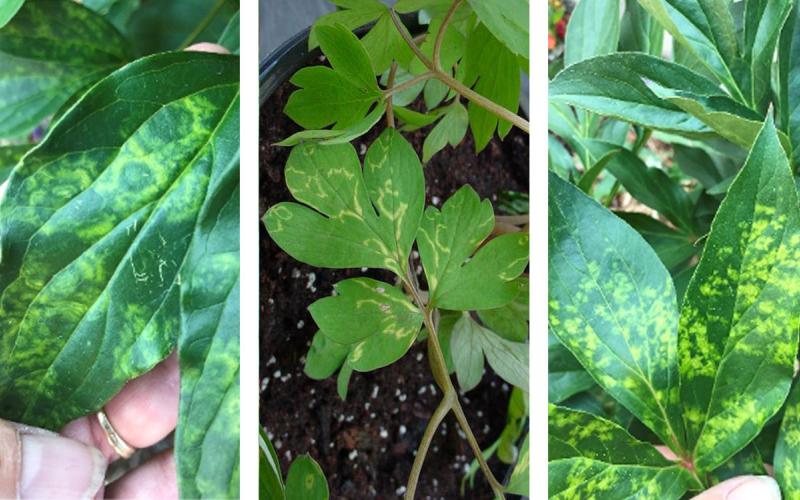
Tobacco Rattle Virus
Tobacco rattle virus is a common ornamental and vegetable virus characterized by ringspots on leaves. Learn what causes it, how to recognize symptoms, and how to prevent it from spreading in your garden.
Forage Connection
SDSU Extension and Nebraska Extension collaborate to provide forage grazing, growing and feeding recommendations in this podcast.
Cash Flow and Income Considerations for S.D. Farms: Part 1
Grain farming is facing a reduced income outlook for 2020. Unpriced old crop revenue has decreased and projected revenue for 2020 crop is reduced. Offsetting these decreases are chances that some input prices may fall, fuel related expenses and possibly higher payments from commodity title programs.
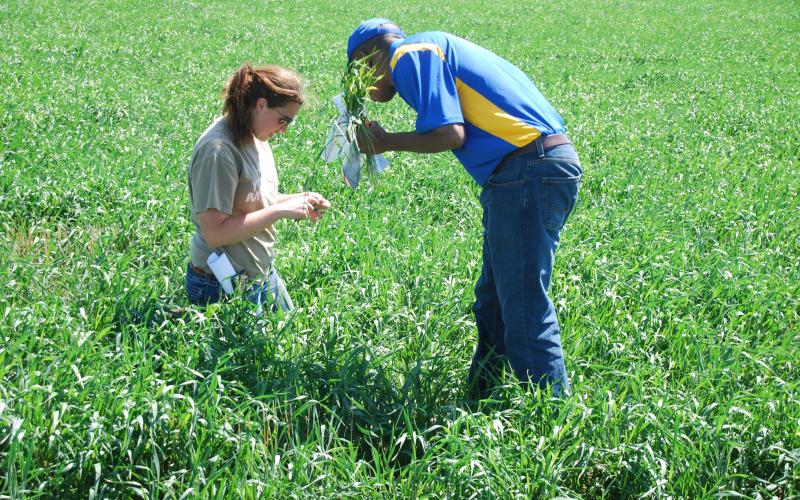
SDSU Extension to host Wheat Walks in June
May 13, 2021
The 2021 Wheat Walks are slated for June 2 and 3 and will be held near Pierre, Clark and Mount Vernon.

Preparing and Planting a Garden in a Cold, Wet Spring
Wet, cool springs present ideal conditions for soil and plant issues. Learn some expert tips for identifying and managing some of the most-common problems in soggy gardens.
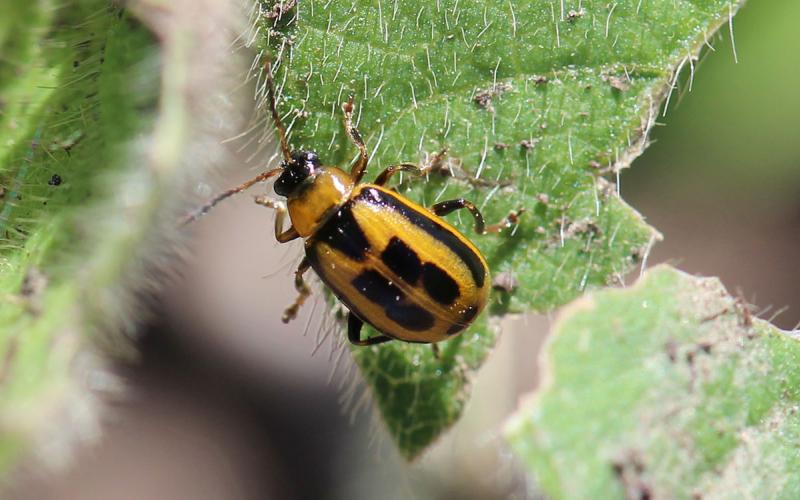
2021 South Dakota Overwintering Bean Leaf Beetle Predicted Mortality
Bean leaf beetle emergence is approaching, and it’s important to start thinking about this pest. Once soybean begin emerging, overwintering adult beetle populations will move into soybean fields and begin feeding on seedlings.
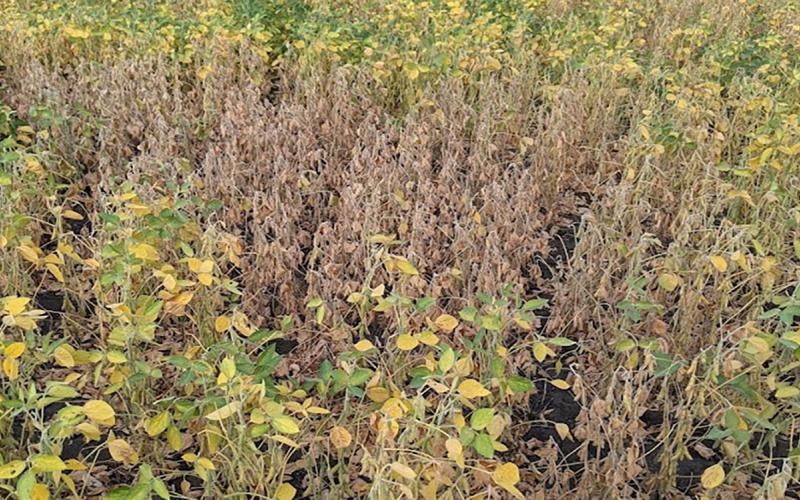
Charcoal and Fusarium Rots Observed in Early Senescing Soybean Plants
The drought conditions in South Dakota have led to early soybean senescence in some areas. However, some of the early senescing may be due to dry-season diseases, such as charcoal and Fusarium rots.
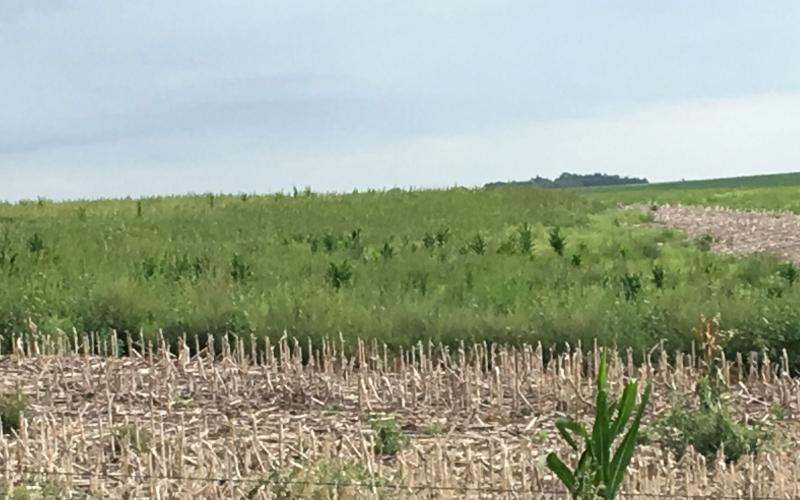
Managing Weed Seed in 2020
Producers need to plan in advance on how to deal with bare fields that contain an overabundance of weeds. Weeds in these fields have deposited significant amount of seeds on the soil surface, which can easily germinate when adequate moisture and temperature are available.