Search

Night-Blooming Flowers and Host Plants for Moths
Moths are fascinating creatures, and they are also important pollinators. Learn about a variety of night-blooming flowers and native host plants that can attract these beneficial insects to your yard and garden.
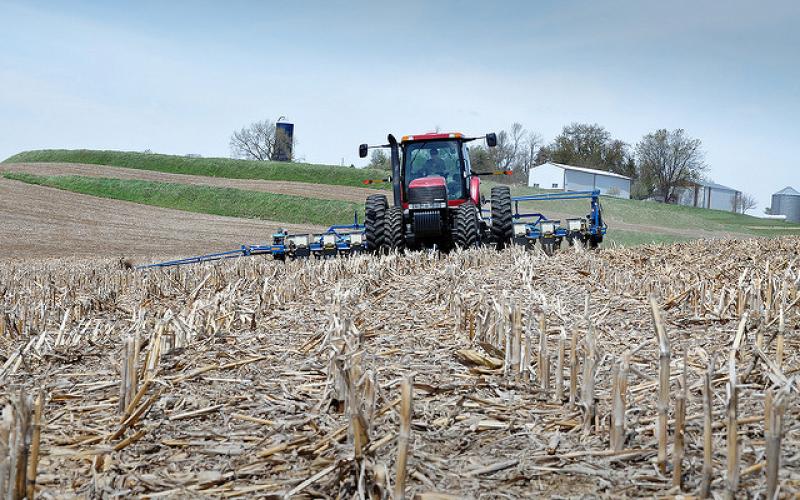
Project to Study Soil Health Economics in South Dakota
Soil degradation has become one of the most pressing global issues, because of its adverse effects on world food security, environment and quality of life.
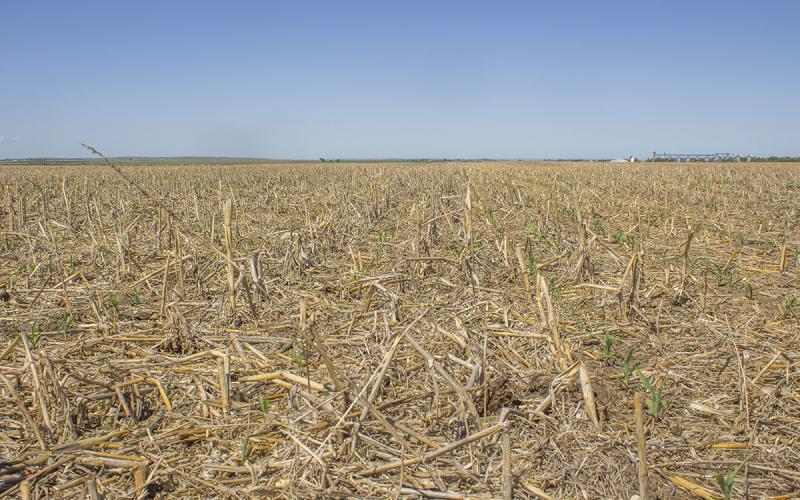
Dry Conditions May Hinder the Performance of Recently Applied Preemergence Herbicides
If a preemergence herbicide does not receive an activating rainfall, generally 0.5 to 1 inch of rain, many weeds will emerge, as the herbicide remains on the soil surface.
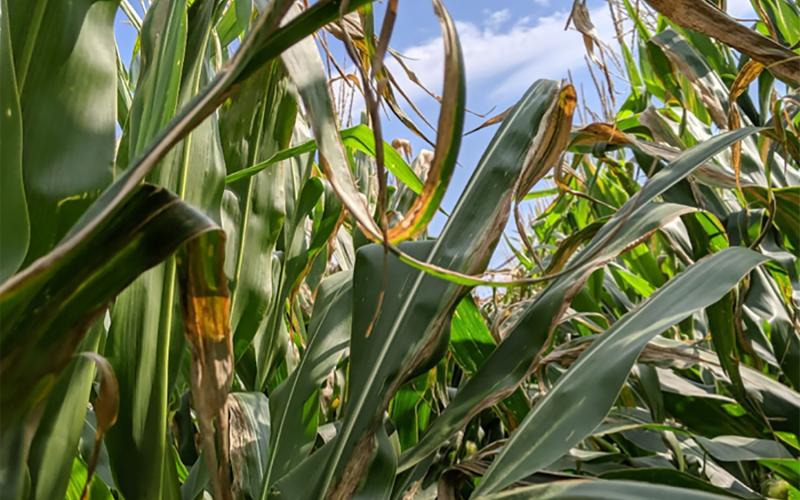
Goss’s Bacterial Blight Beginning to Show Up in Corn
Goss’s bacterial blight was found in a few corn fields scouted the week of August 5, 2019. The severity ranged from low to moderate, where at least 25 percent of the leaf area was killed by the bacteria infection on several plants. The disease is characterized by long, tan-gray lesions with wavy margins found in the center of the leaf or along the edges of the corn leaf blade.
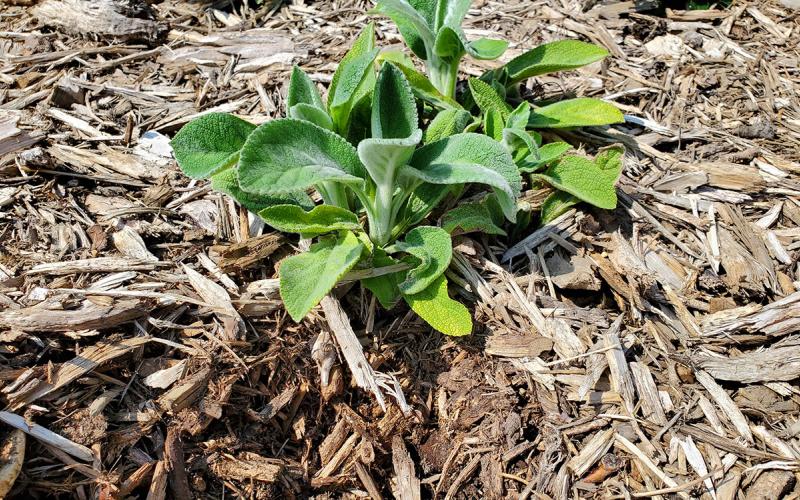
Organic Garden Mulches To Conserve Moisture and Prevent Weeds
If you want to reduce time spent in your vegetable and flower gardens watering or pulling weeds, consider mulching the soil surface with an organic material to improve plant health and your enjoyment of the garden.
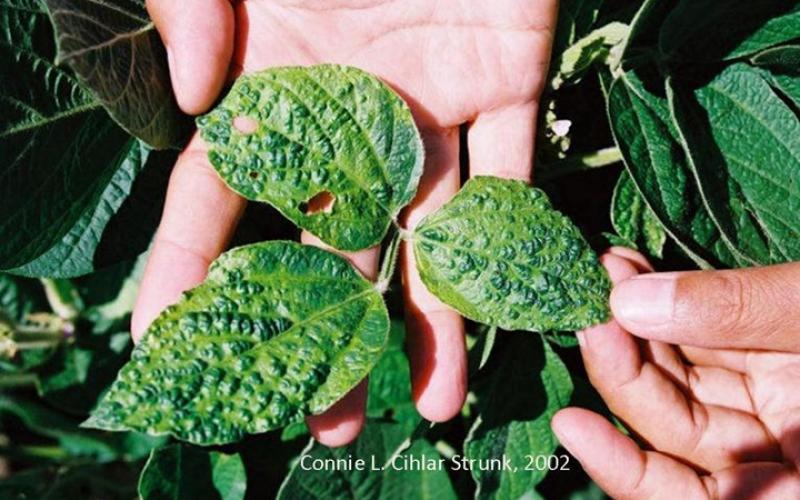
Soybean Pests: Bean Leaf Beetles and Bean Pod Mottle Virus
With the number of bean leaf beetle observations in soybean fields during 2016, the need for monitoring soybean for Bean pod mottle virus (BPMV) development increases. Bean pod mottle virus was first identified in South Dakota in 1998, and is recognized as a very economically important disease in soybean due to the potential for it to cause devastating losses to soybean yields.
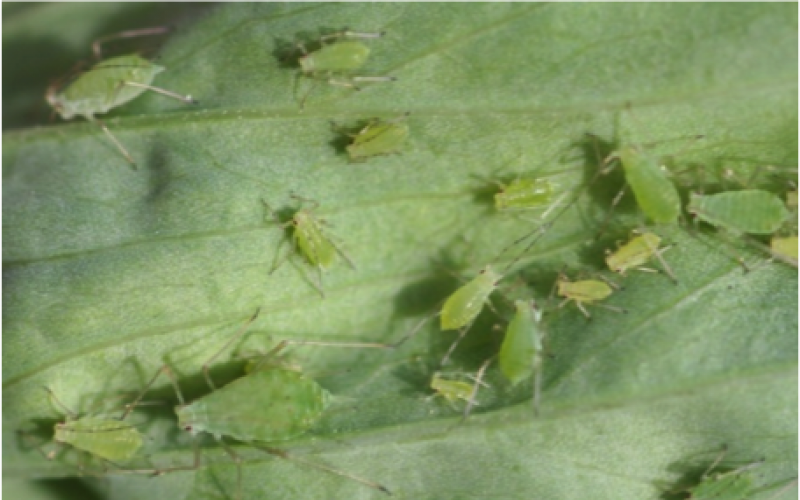
Soybean Aphids in South Dakota
Factsheet on Soybean Aphids in South Dakota
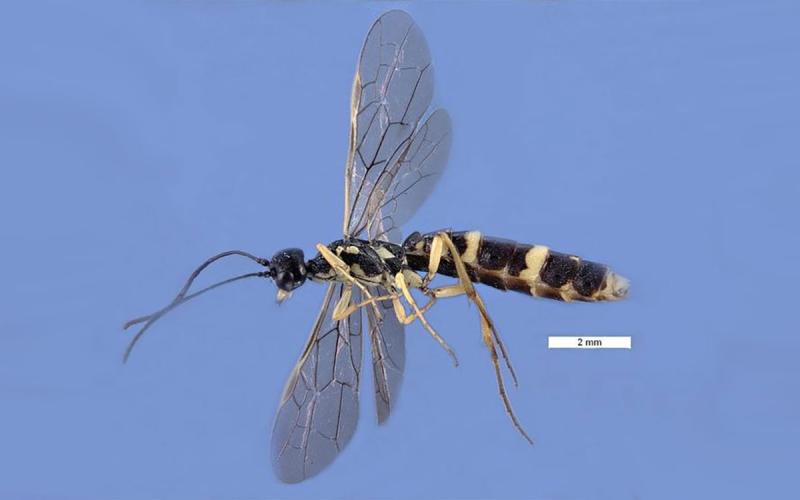
Wheat Stem Sawfly: An Overview
In recent years, the northwestern and north central regions of South Dakota have struggled with the presence of sawfly populations in wheat fields. Learn some tips for identifying and managing them in wheat.
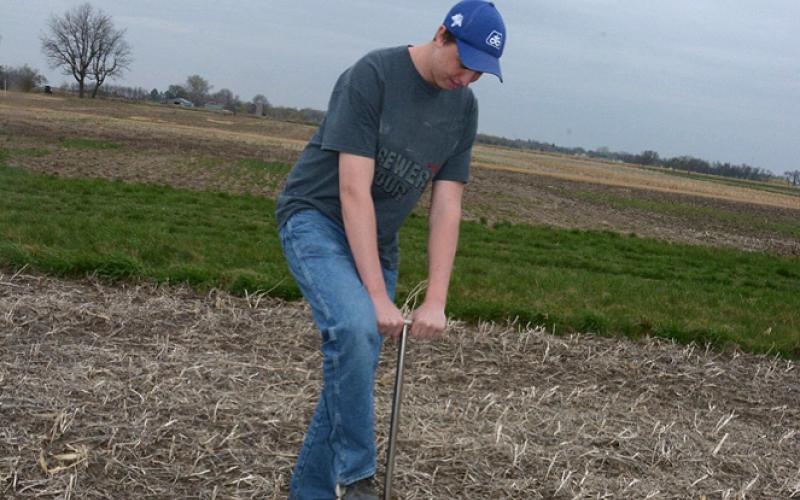
Consider SCN Sampling This Spring
Soybean cyst nematode management starts with a soil test to determine the presence or absence of this nematode in the soil.
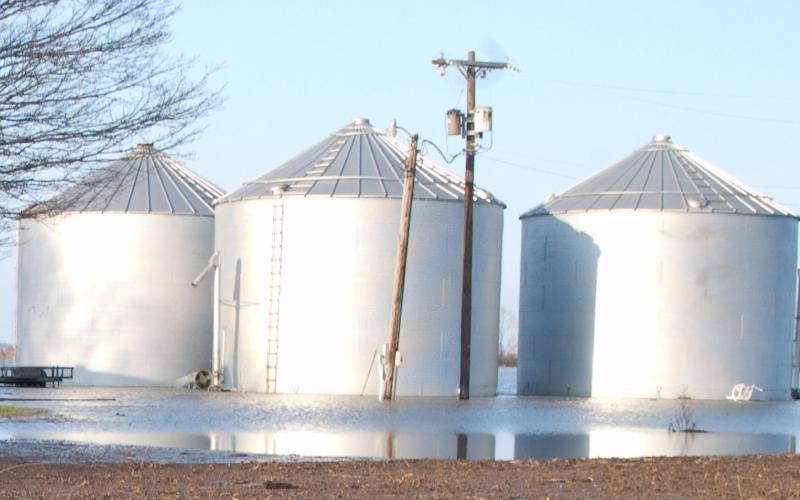
Stored Grains and Flooding
According to the Food and Drug Administration, grain inundated by watercourses is considered adulterated and must be destroyed. The portion of the grain that is not affected by the water can still be salvaged for its use.