Search
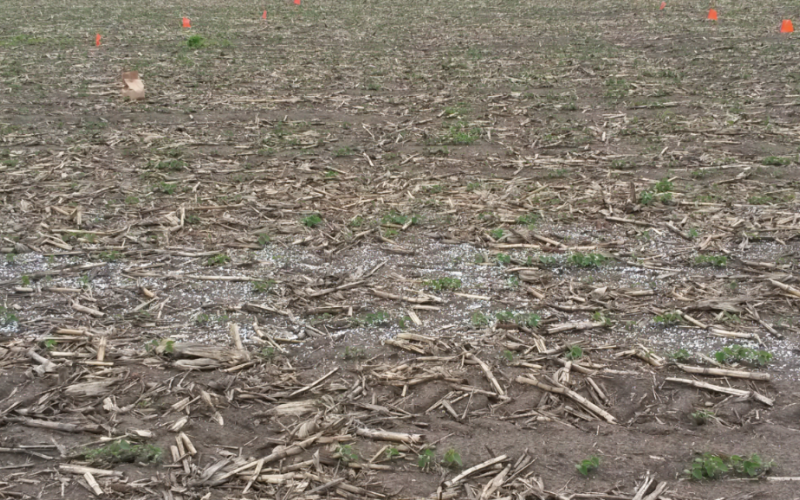
Application of Nitrogen Fertilizer in Soybeans
SDSU Extension conducted a study during the 2016 growing season at five Eastern South Dakota sites to evaluate the effects of added N fertilizer (as urea) on soybean yields.
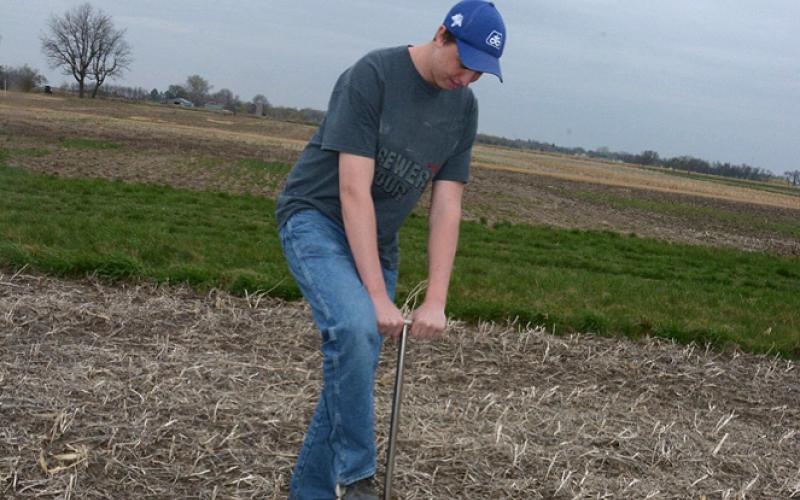
Consider SCN Sampling This Spring
Soybean cyst nematode management starts with a soil test to determine the presence or absence of this nematode in the soil.
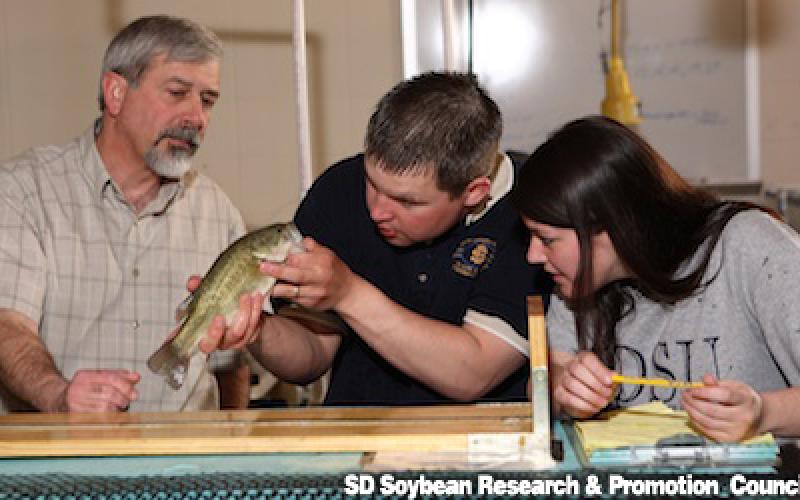
Aquaculture Comes to South Dakota: Part 1
Aquaculture has expanded beyond Asia, Central America and the farm ponds of southern states up north to South Dakota. Of course, fish production in South Dakota opens a new market for the state’s soybean farmers.
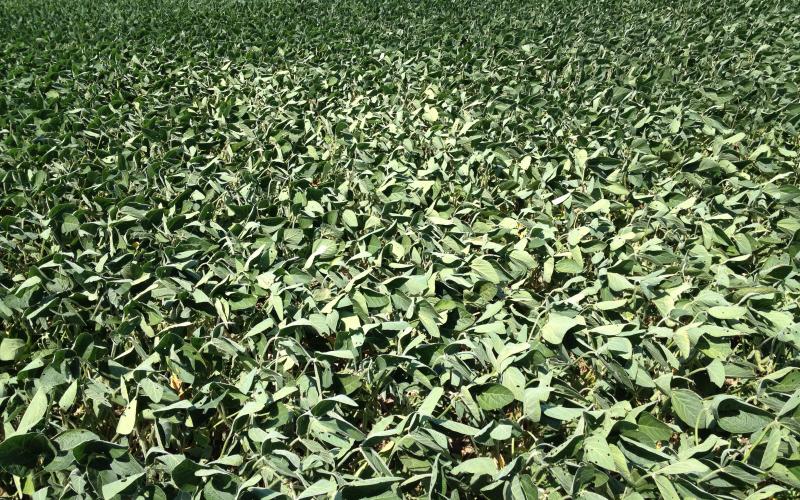
Drought Stress Symptoms in Soybean
Soybeans in South Dakota are in their moisture-critical reproductive stage. Drought stress during this growth stage can significantly impact yield, so here are some things to look for.
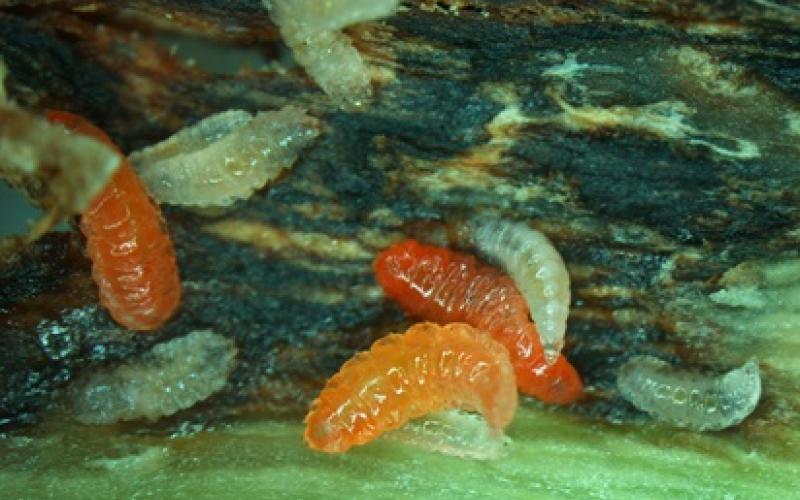
Gall Midge Larvae in Soybean Stems
Gall midge larvae were observed recently in soybean stems from a field in South Dakota. These insects were found under the epidermis of the stem that was slightly above the soil line.
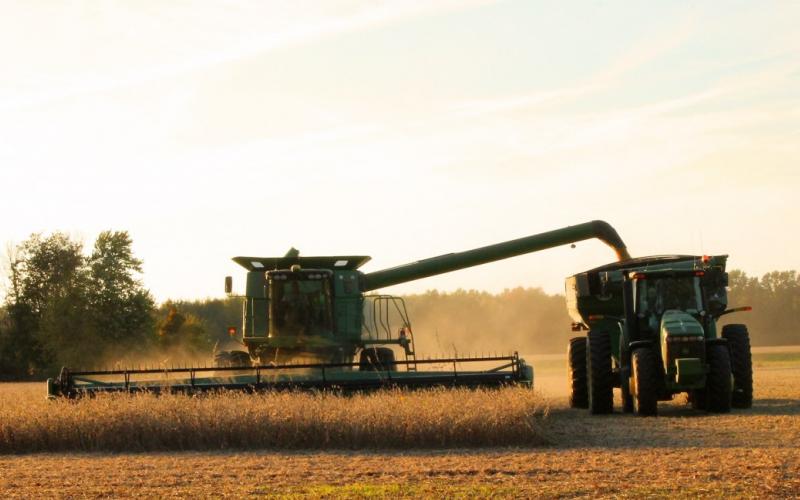
Harvesting For Maximum Soybean Yields
Numerous studies have been conducted over the last 40 years on soybean combine losses which show that yield loss can be as high as 15 percent.
SDSU Extension to Kick Off Crop Hour Webinar Series in January
January 10, 2022
SDSU Extension will, once again, deliver a series of virtual Crop Hour webinars this winter. Starting Jan. 11, every Tuesday through Thursday from 10:00 a.m.-11:00 a.m. CST, participants are invited to take their coffee break online to hear the latest in crop management and agronomic research from SDSU Extension.
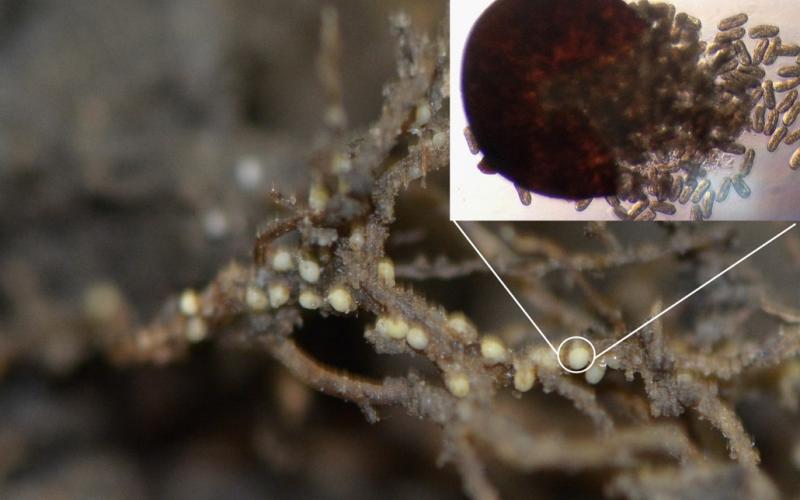
Fall is a Good Time to Test Your Soil for SCN
Is your yield monitor indicating low yielding areas in your soybean field? Soybean Cyst Nematode (SCN) could be the problem. Get to the root of the problem by testing your soil for the soybean cyst nematode. SCN management starts with a soil test to determine the presence or absence of this nematode in the soil. Absence may indicate either the SCN has not established in the field or could be present in non-detectable levels.
Late-Season Nitrogen For Soybean?
Some South Dakota soybean fields that were planted early and have had sufficient moisture have reached early pod setting stage (R3) and are looking good.
SDSU Extension to Host Winter Agronomy Road Show
January 14, 2022
SDSU Extension will offer in-person agronomy clinics this winter at four different locations across the state. Kicking off Jan. 28 in Aberdeen, each location will have content that is customized to growers and agribusiness professionals in that area.