Search

Considerations for Grazing Standing Corn
Grazing standing corn is a viable option to supply nutrients to livestock. However, mitigating risk is critical to ensure healthy animals and optimize crops.

To Avoid Loss of Viable Seeds This Year, Keep an Eye Out for Banded Sunflower Moths in Sunflower
Banded sunflower moths are active in South Dakota, which means it is time to start scouting sunflowers for their eggs. The caterpillars of banded sunflower moths are capable of reducing yields and oil content by feeding on the developing florets and tunneling into developing seeds.
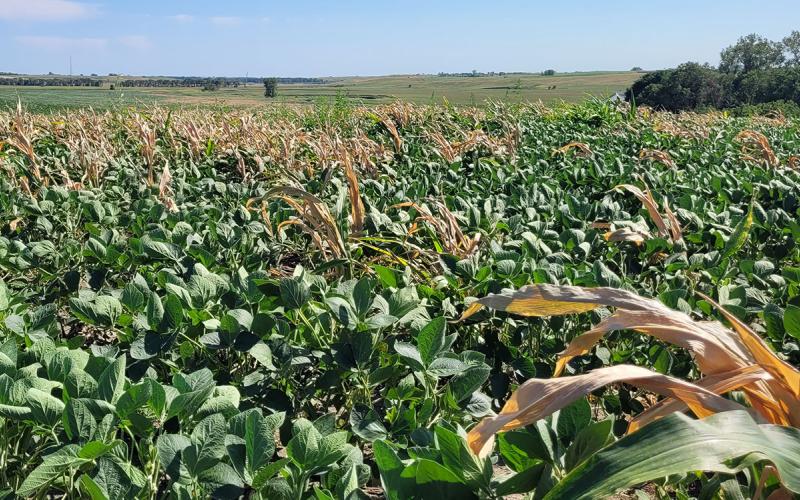
Stalk Grazing to Combat Volunteer Corn
Fall aftermath grazing by livestock, particularly cows, can dramatically reduce the amount of volunteer corn in the field. Learn some key benefits that stalk grazing can bring to your operation.
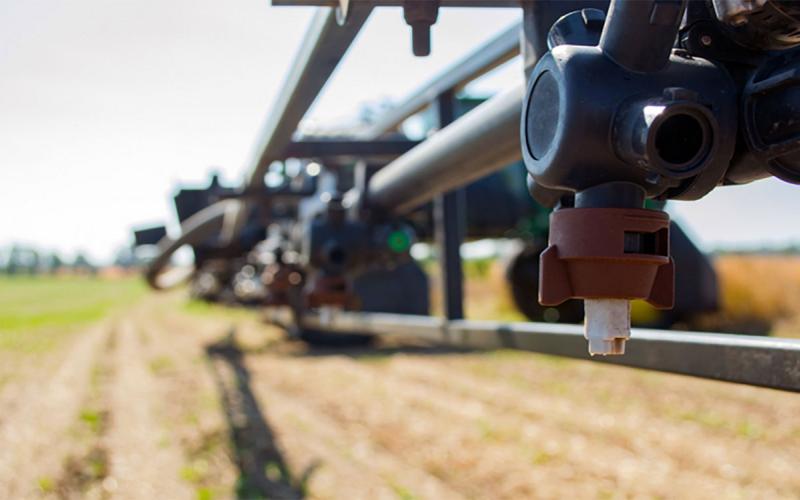
Factors Influencing Spray Coverage
Learn about the different factors that influence spray coverage and how you can tailor your practices to ensure that proper coverage is achieved.
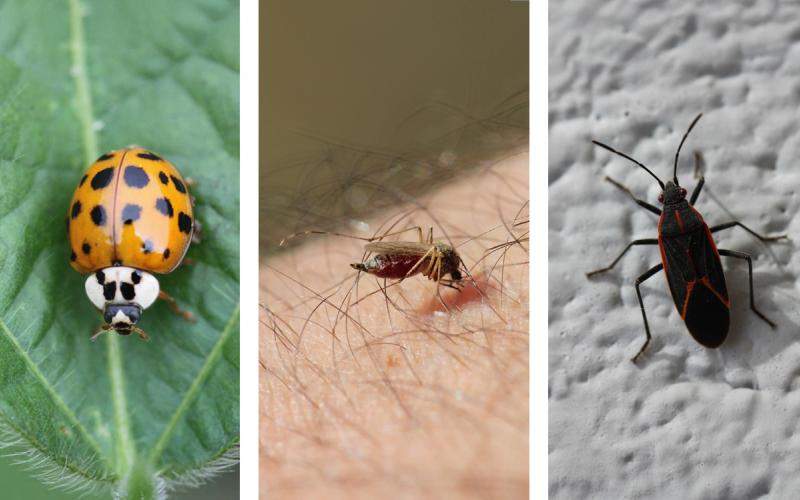
Insects Are Being a Nuisance This Fall
The weather is changing, and many of us are noticing an uptick in the nuisance bites caused by several insects. The continued warm weather is going to increase the activity of all insects, including the ones that are causing us displeasure.
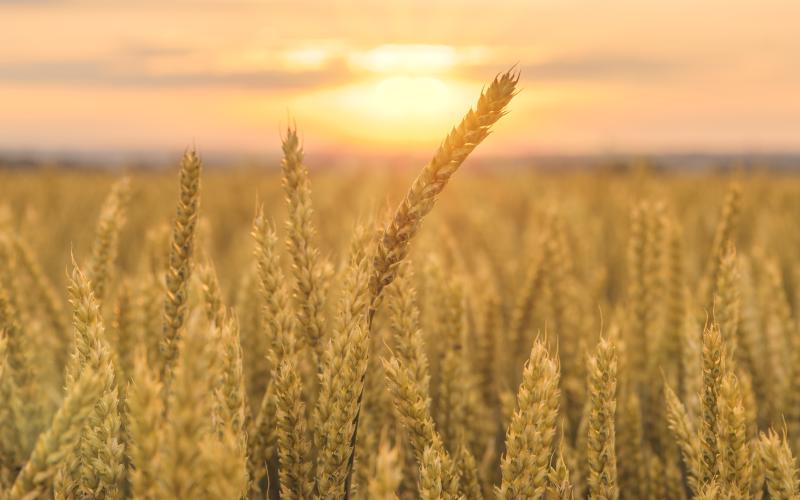
2019 Wheat Field Plot Trials Summary: Fungal and Bacterial Disease Trials
This publication provides a summary of wheat trials conducted in 2019 to determine efficacy of various products in managing wheat diseases.
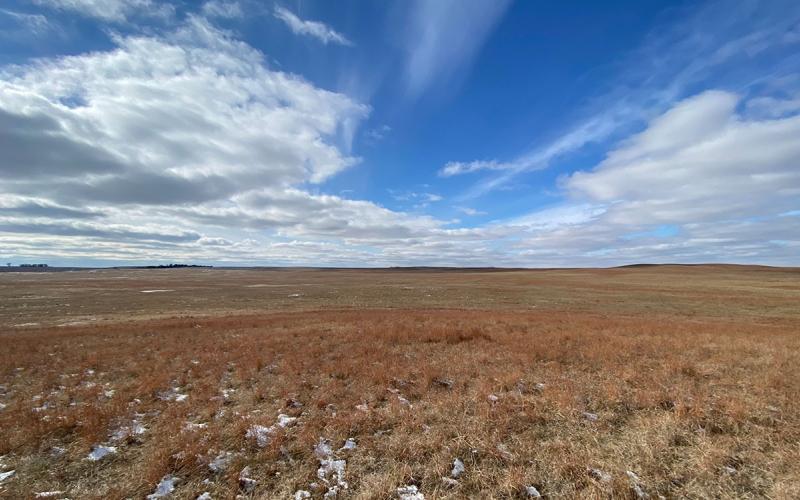
Climate Resilience Toolkit for the Northern Plains Region
In September 2021, the U.S. Climate Resilience Toolkit announced the publication of a new Northern Great Plains Region section. The new section can help producers recognize climate hazards, assess vulnerabilities and confront risks.
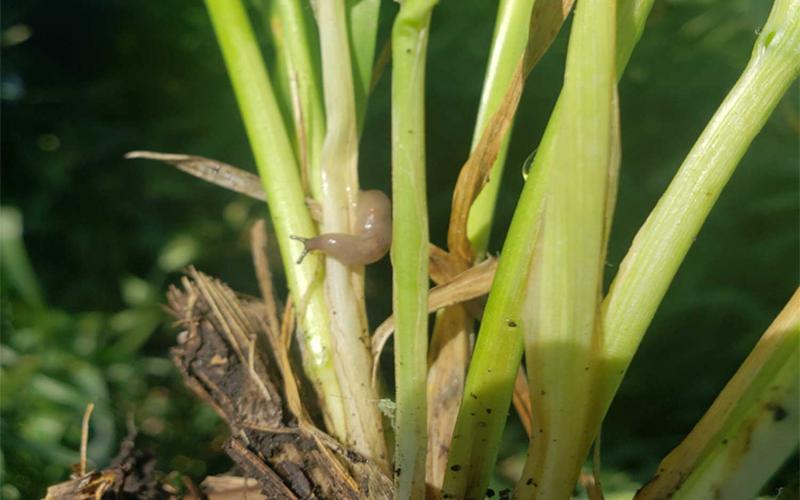
Slugs Causing Issues in Some South Dakota Wheat Fields
Slug activity in wheat fields has been reported in South Dakota. Although slugs are not normally an issue in South Dakota crops, they can pose a threat when field conditions are just right.
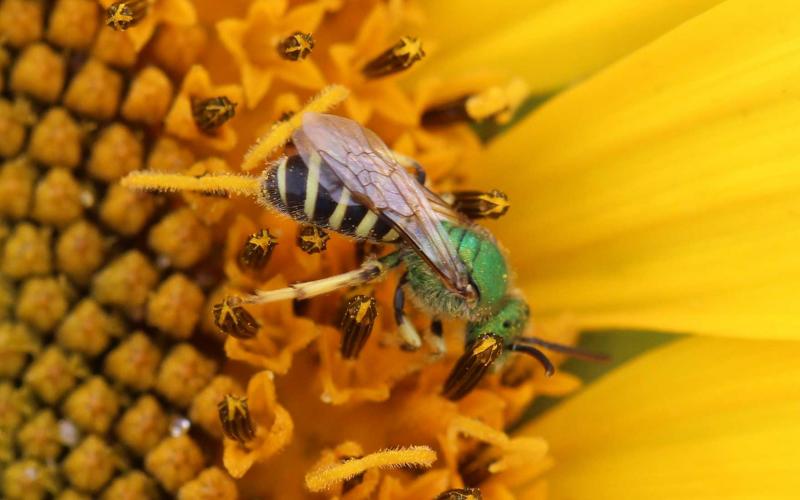
Bees and Other Pollinators Visiting Sunflower
While insecticides are often necessary to reduce pest populations and prevent yield loss in sunflower, it is important to consider the impact they may have on beneficial insects, like bees and other native pollinators.
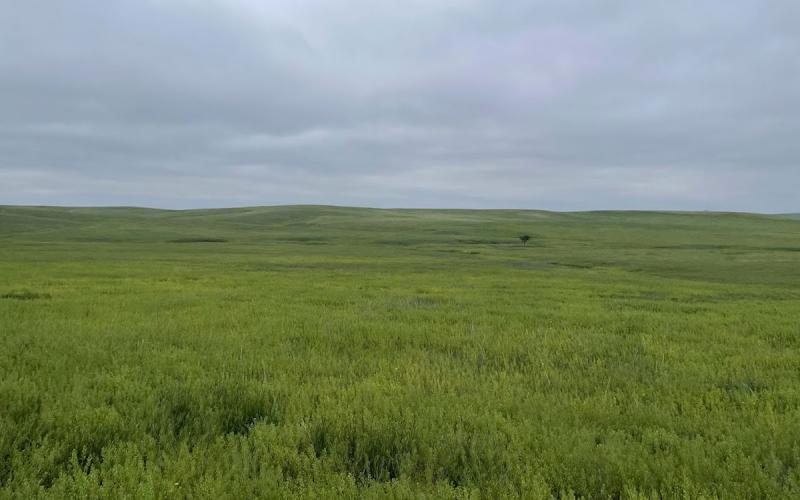
2025 Field Pennycress Management Considerations
Field pennycress prevalence on pastures has been observed to be in higher abundance this year in Western South Dakota. When consumed in certain quantities it can be toxic to livestock.