Search
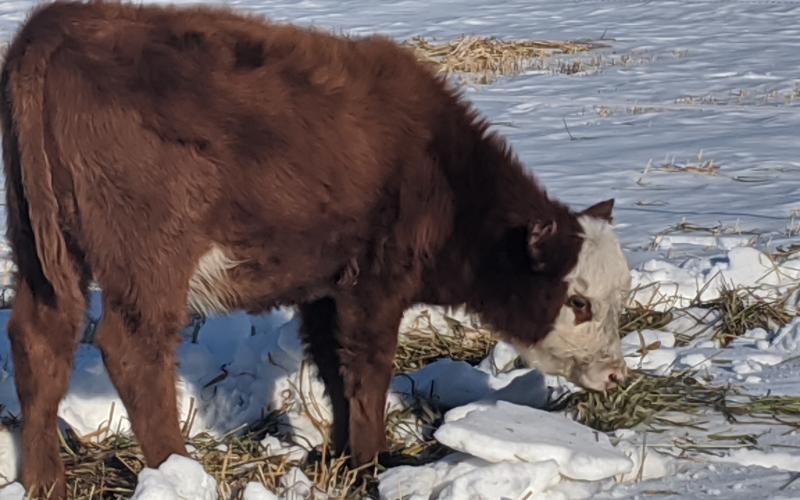
Opportunities for Swath Grazing in South Dakota
Fact sheet on the opportunities for Swath Grazing in South Dakota
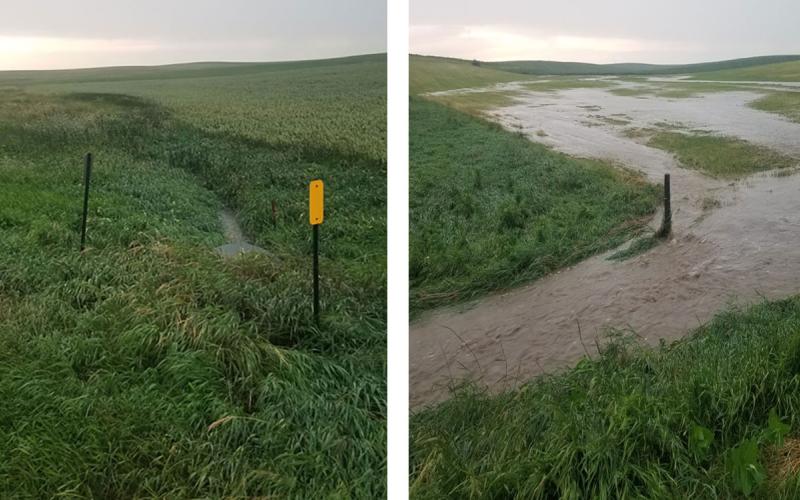
Tale of Two Watersheds
See the difference that cover crops and a no-till cropping system can have on watersheds when high winds and heavy rains impact our region. The difference in the amounts of run-off water is astounding!
SDSU Extension 33rd Annual Winter Wheat Meeting To Be Held August 24
August 19, 2022
SDSU Extension, in collaboration with the Jones County Crop Improvement Association, will host the 33rd Annual Winter Wheat Meeting in Draper, South Dakota, on August 24 at 6:30 p.m. CDT.
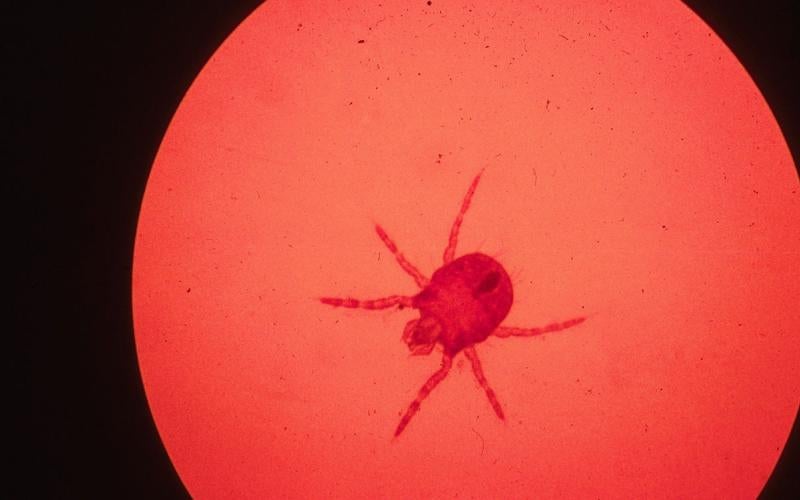
What To Do About Chiggers
Chiggers are a persistent summer arthropod pest that many people want to get rid of in their lawns. While it is understandable that people want to eliminate them, the best defense against chiggers is being prepared before going outside.
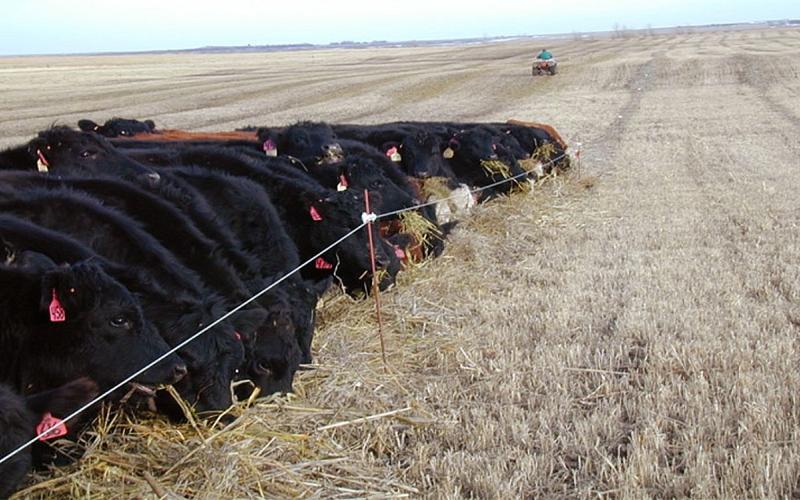
Swath Grazing
Swath grazing can be utilized with various crops and can improve utilization of the crops for feed, while decreasing fuel, harvest and feeding costs and also improving soil health.
SDSU Extension Hosts First South Dakota Watershed Academy
SDSU Extension recently hosted the South Dakota Watershed Academy at the Oak Lake Field Station. The workshop was designed and organized in consultation with USDA Natural Resources Conservation Service to provide information on water resources regulation and monitoring.
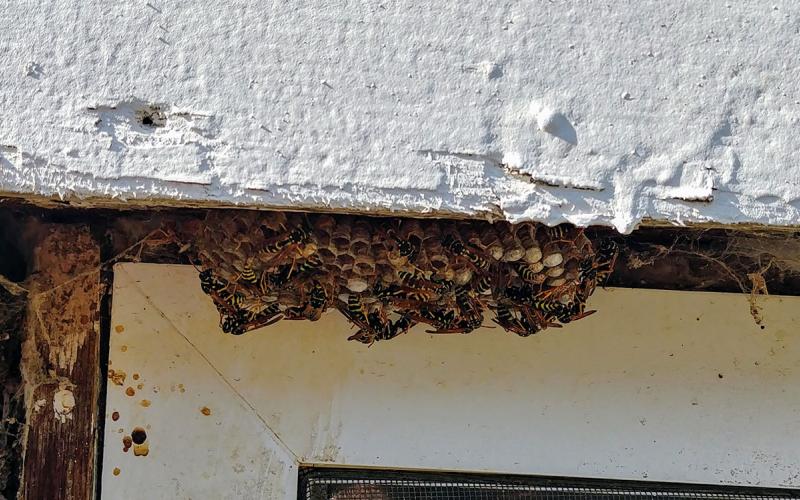
Wait, These Wasps Were Here the Whole Time?
Wasps receive attention no matter the time of year, but they are especially noticeable in late summer and early fall. Learn some expert tips for identifying and managing different types of wasps in your home and garden.
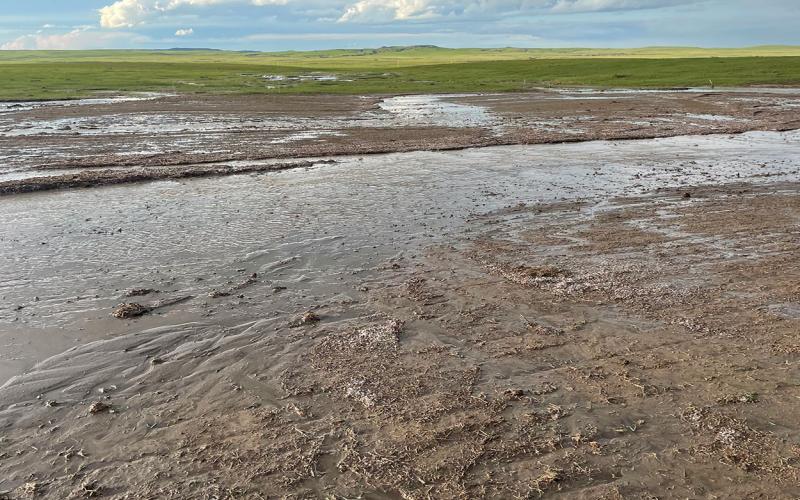
Five Range Management Principles: #4 Residual Forage
Residual forage is the amount of green leaf left after a grazing event. Understanding its importance can help producers capitalize on the symbiotic relationship that occurs when soil health is front and center on rangelands.
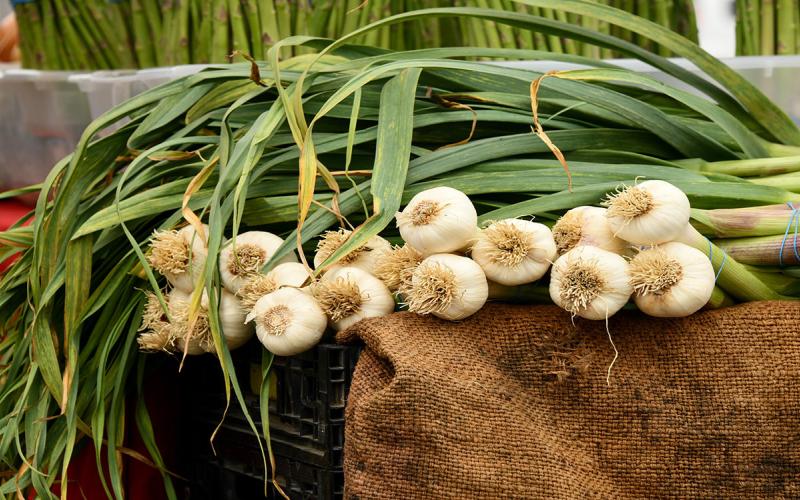
Garlic: How to Grow It
Garlic is a versatile garden vegetable with countless varieties and culinary uses. Learn some expert tips for selecting, growing and harvesting garlic in this resource!
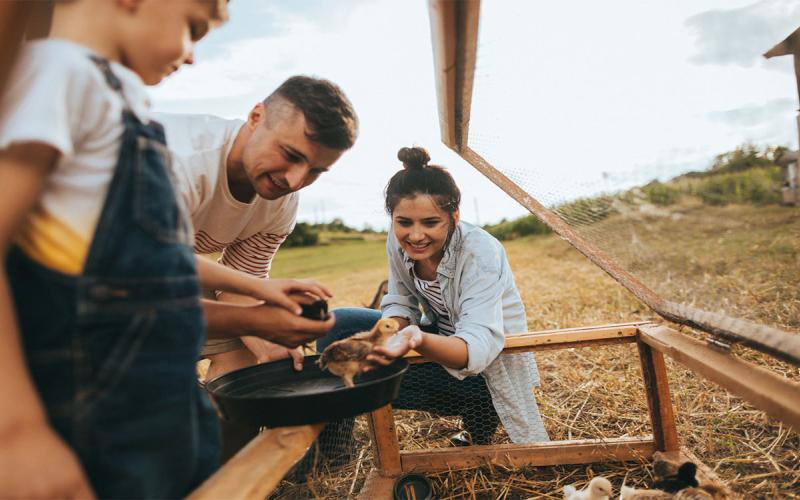
Is Agritourism for You?
Do you like people and wish to provide educational or entertainment opportunities that showcases your farm or ranch? If so, agritourism is an opportunity you may wish to explore!