Search

West Nile Virus Update: July 2, 2026
On June 15, 2026, the South Dakota Department of Health released a press release that the first West Nile Virus positive pool of mosquitos was detected in Brown County. Although much of the state is still experiencing drought, recent heavy rains will promote already active mosquito populations.
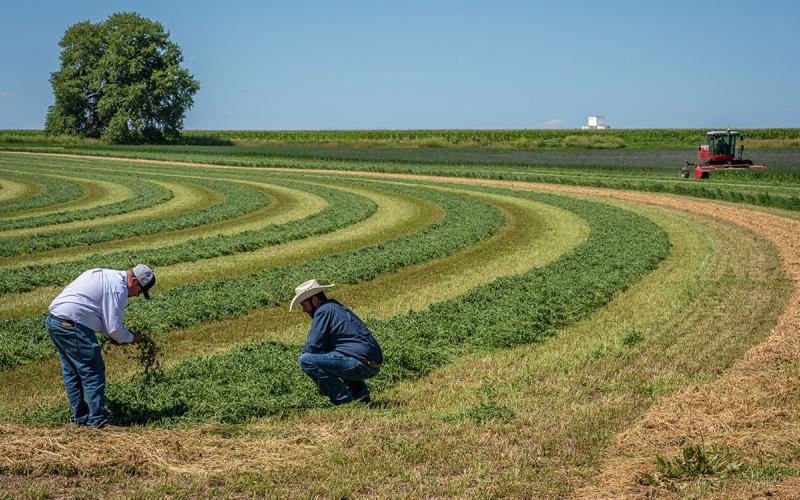
Alfalfa Harvest Timing and Objectives
Guessing when to make that first cutting can be difficult, as using plant maturity or calendar dates alone can be quite risky. Get the most out of your first cutting with some expert tips that consider the timing and objectives of alfalfa harvest.

Considerations for Pasture and Herd Health in a Mixed-Precipitation Year
Planning for drought can quickly be replaced with a false sense of security when precipitation does arrive in the middle of the growing and grazing seasons, but the long-term sustainability of your pastures and herd depends on timely, flexible management.
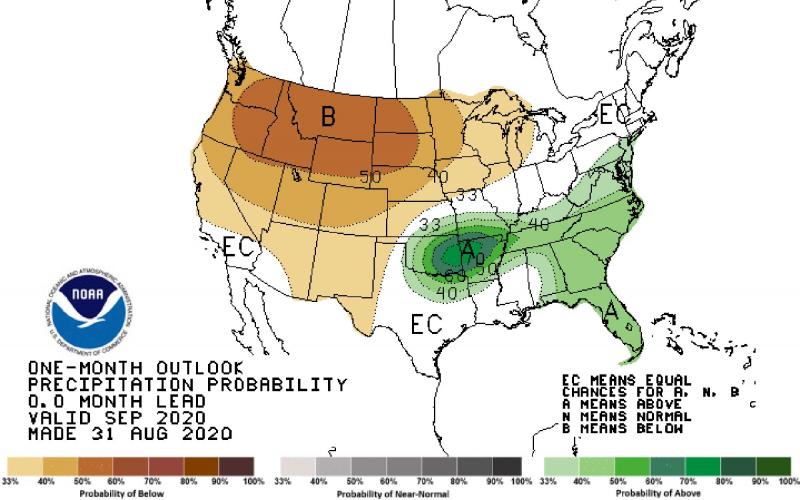
September 2020 Climate & Drought Outlook
Summer has its last hurrah the first week of September before we see potential for our state’s first freeze of the fall season, according to NOAA’s Climate Prediction Center.
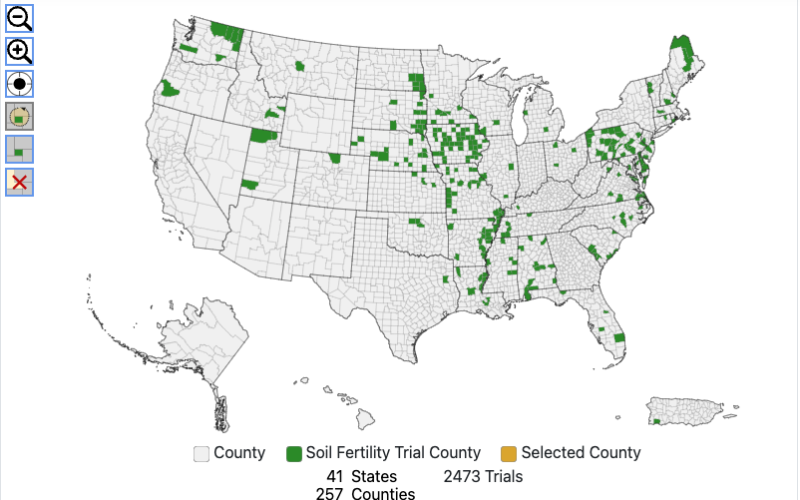
New digital Fertilizer Recommendation Support Tool launches nationwide
April 11, 2024
South Dakota State University Extension and project partners are proud to announce the nationwide release of the Fertilizer Recommendation Support Tool (FRST), a decision aid that provides an unbiased, science-based interpretation of soil phosphorus and potassium values for crop fertilization.
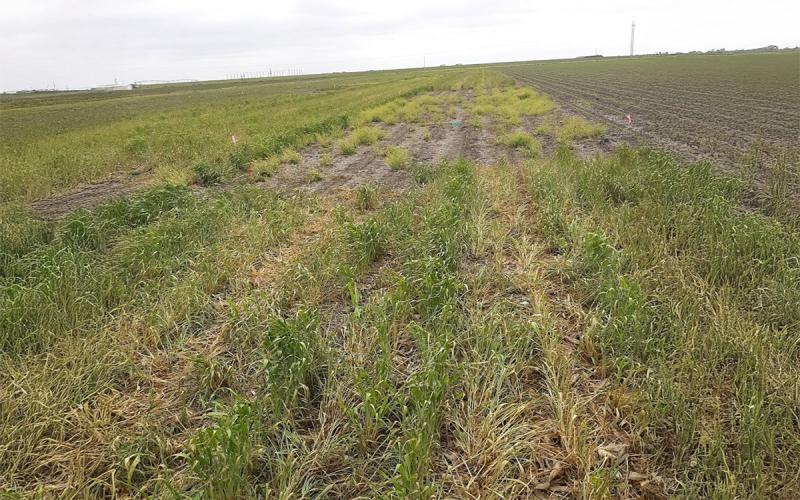
Conserving Soil Moisture During Dry Conditions
Dry conditions can create difficulties for agricultural producers. Using soil health principles can improve the resilience of agricultural systems to dry conditions.
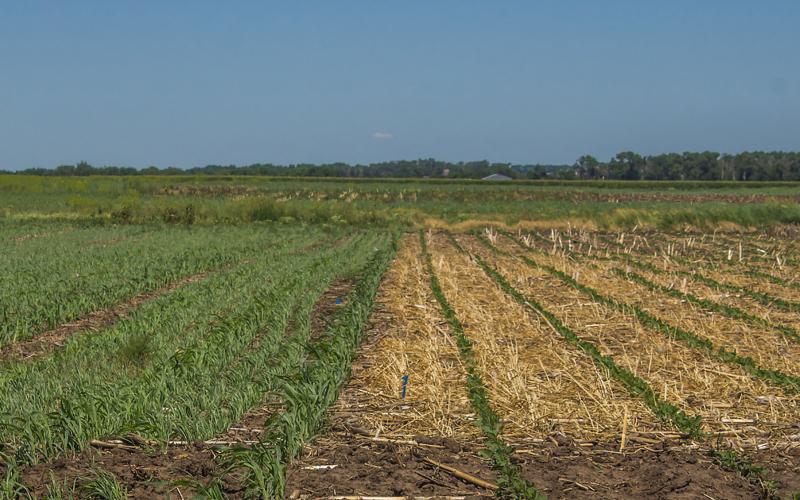
Crop Residue, Cover Crops Impact on Soil Health Parameters
Interest in no-till and cover crops has been on the rise among South Dakota crop producers. In 2019, half of South Dakota crop ground was under no-till management and about 900,000 acres were planted to cover crops.
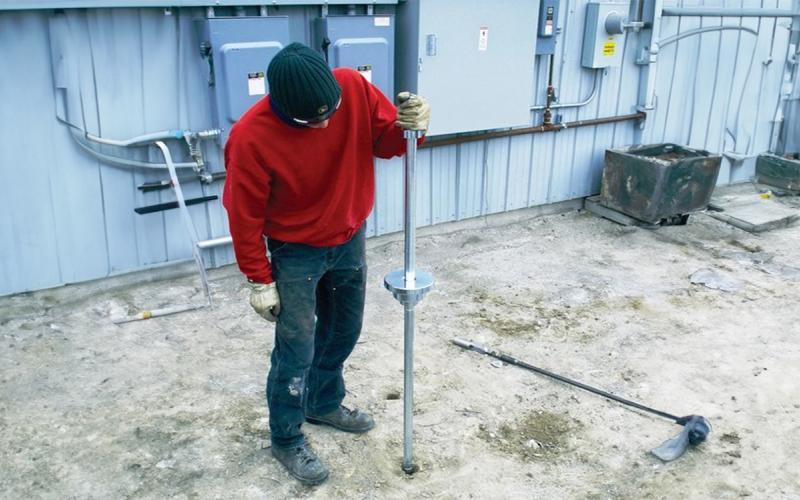
Soil Penetration Resistance as a Soil Health Indicator
Soil penetration resistance is an indicator of soil compaction and the force required for root growth through the soil. It can be measured in the field using a tool called a penetrometer.
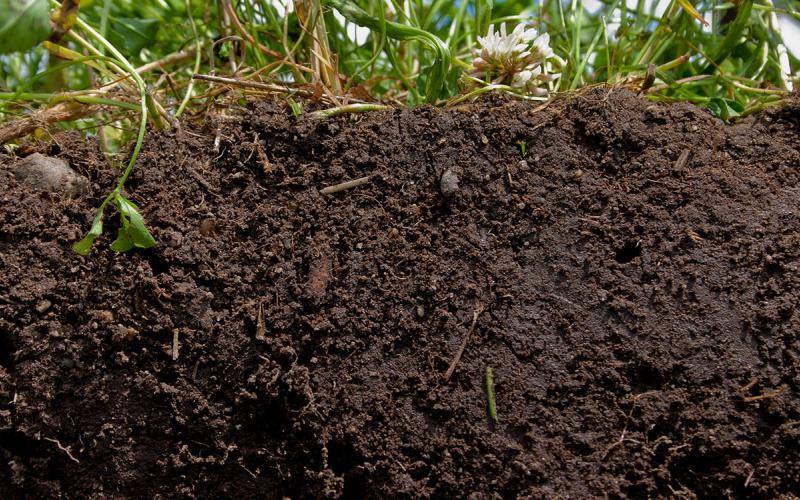
Why Is Carbon So Important to Agriculture and Society?
Carbon is not only vital to soil health—it’s the foundation of our long-term food security. Learn some incredible facts about the role carbon plays in our soil and environment.
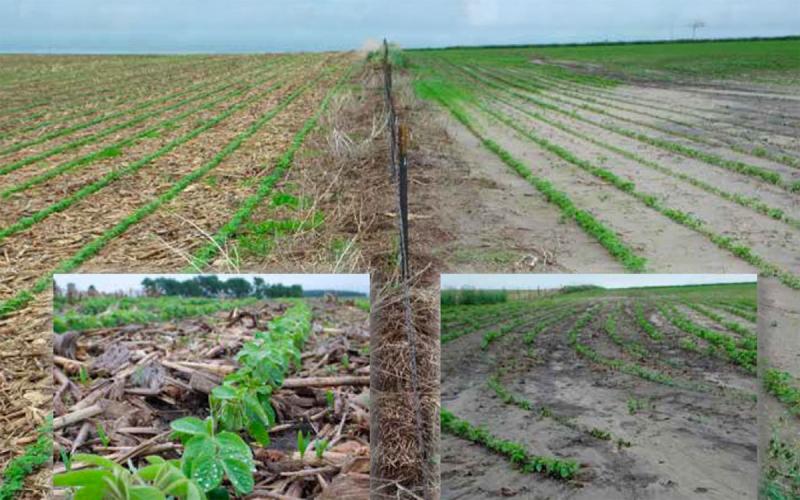
SDSU Extension to host soil health meeting in Freeman
November 12, 2025
South Dakota State University Extension will host a Managing Soil: Maximizing Profit meeting on Dec. 9, 2025.