Search
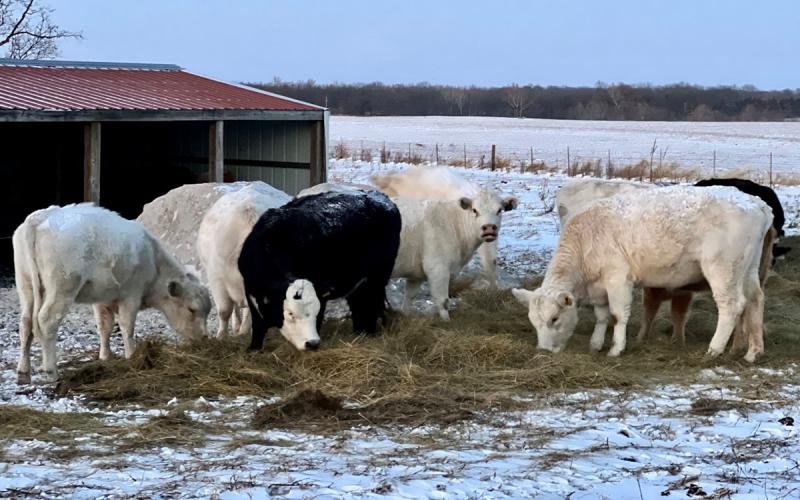
How to Interpret Forage Test Results
Forage testing is a management tool that both forage and livestock producers should incorporate into their operations. Knowing the quality of the feed being provided allows producers to meet livestock nutritional needs more accurately and cost-effectively.
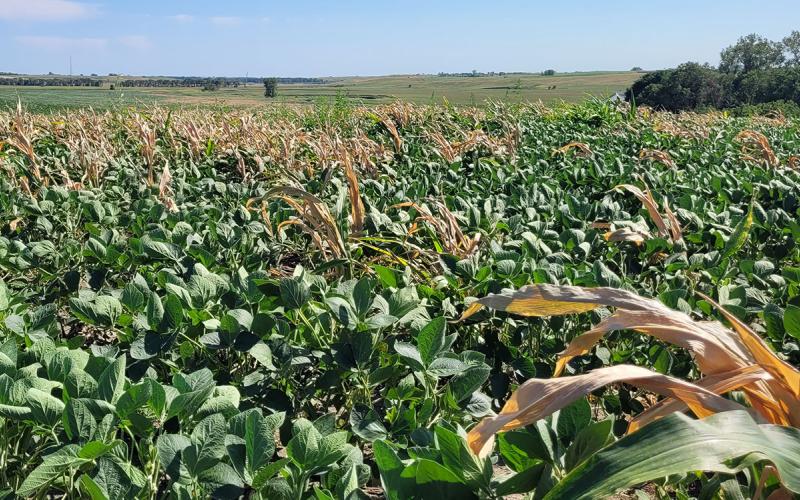
Stalk Grazing to Combat Volunteer Corn
Fall aftermath grazing by livestock, particularly cows, can dramatically reduce the amount of volunteer corn in the field. Learn some key benefits that stalk grazing can bring to your operation.
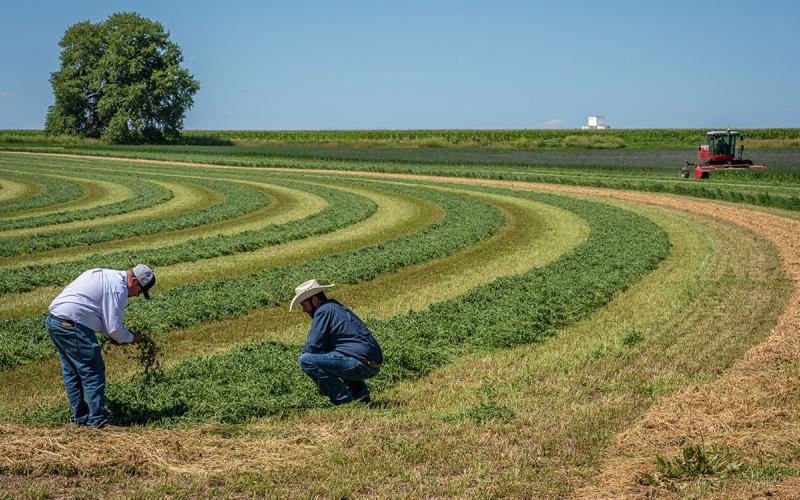
Alfalfa Harvest Timing and Objectives
Guessing when to make that first cutting can be difficult, as using plant maturity or calendar dates alone can be quite risky. Get the most out of your first cutting with some expert tips that consider the timing and objectives of alfalfa harvest.
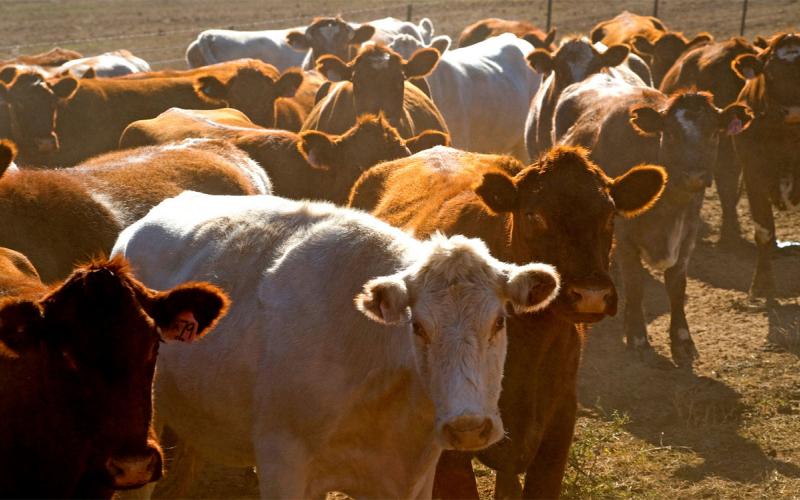
SDSU Extension Encourages Producers to Prepare for Extreme Heat Temperatures
August 02, 2022
SDSU Extension provides resources to help livestock producers prepare for extreme temperatures. With temperatures expected to rise into the upper 90s over the next week, it is important for producers to prepare and have proper mitigation strategies in place.
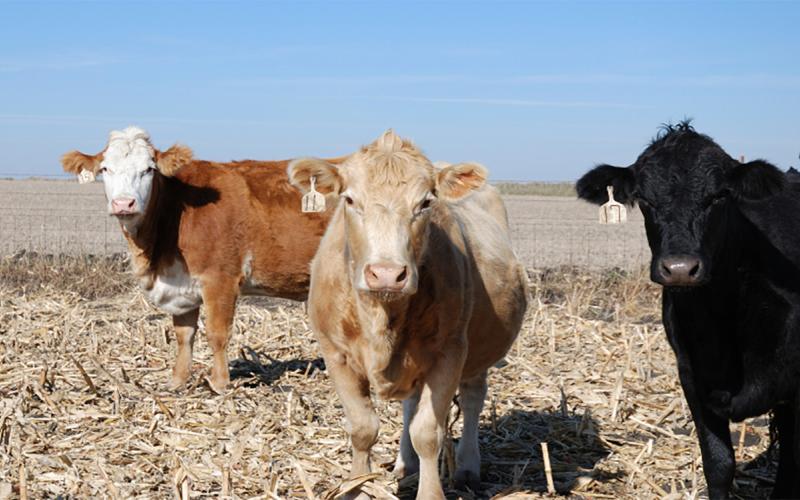
Corn Stalk Rental Rates
Corn stalk acres have long been a source of feed for livestock producers. But how much should producers charge to graze them, and what factors should they consider when developing a rental agreement?
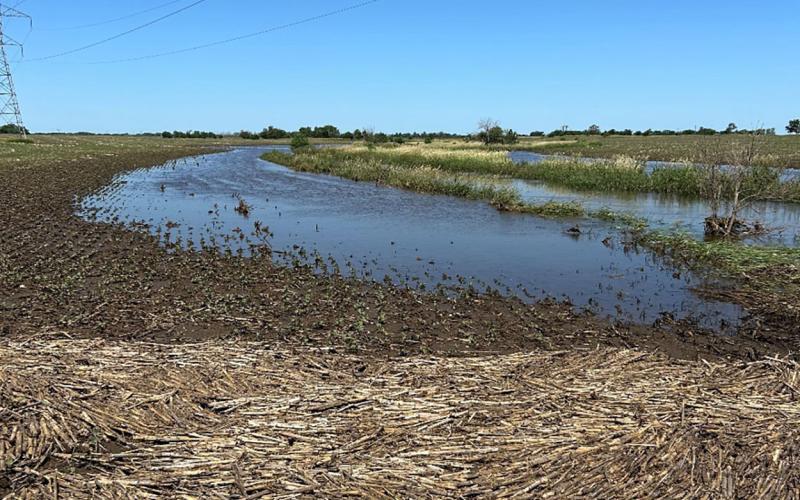
Replanting in Flooded Soybean Fields
If you have large, flooded areas where soybeans have died this summer and herbicides are limiting your replant options, consider trying late-maturing soybeans as cattle feed this year.
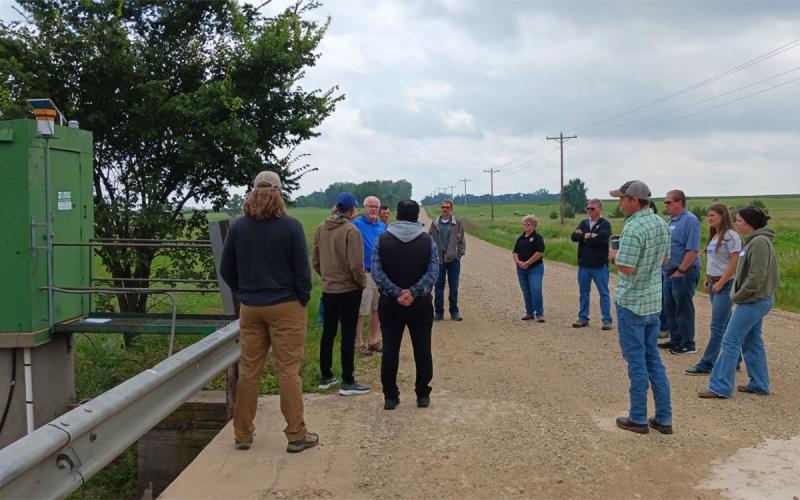
The Importance of Riparian Areas
Riparian areas occur along streams, rivers, wetlands, lakes, and shorelines and can be considered the last line of defense before pollutants enter a body of water. Learn about the many benefits these areas offer and the programs available to support their conservation.
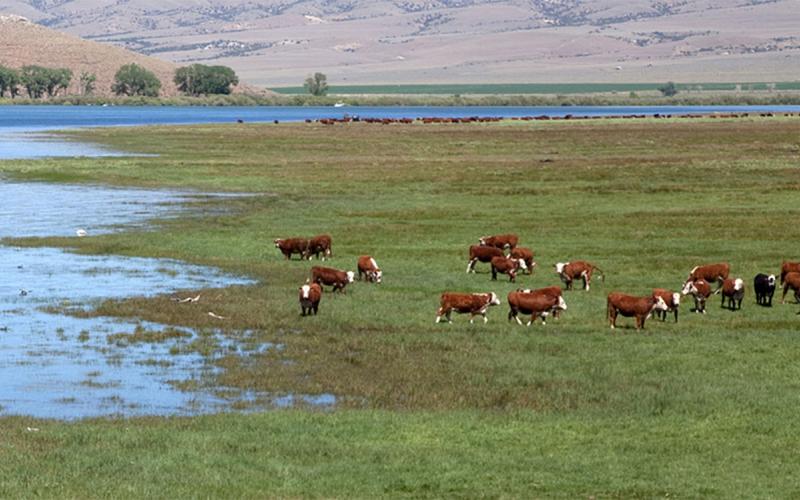
Management of Flood-Damaged Pastures
Receding flood water is just the start of recovering pasture ground following a flood event. Learn some expert tips for thoroughly evaluating damaged pastures before regrazing.
Floodwater: Road Crossing Hazards
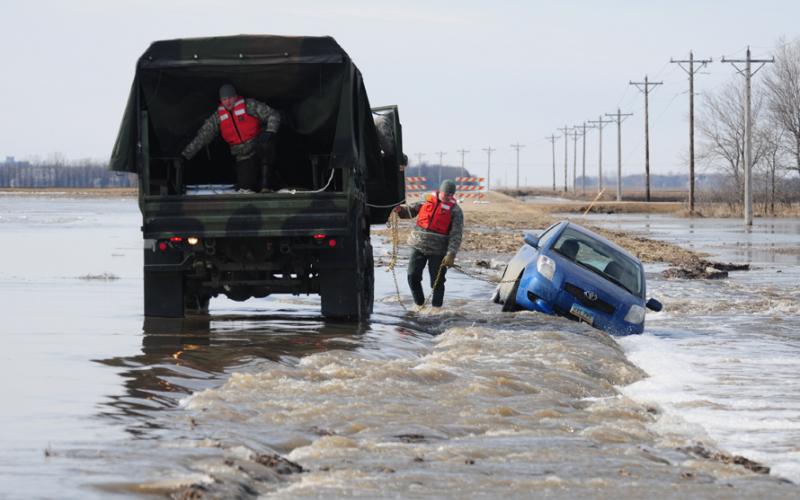
During flooding, and when driving in the countryside we oftentimes encounter a creek or stream running on top of the road. Be aware that a course of water running over the road can turn into a very dangerous, even life-threatening situation if you attempt to cross it with your vehicle.
High-Quality Silage Making & Safe Practices: Both are necessities
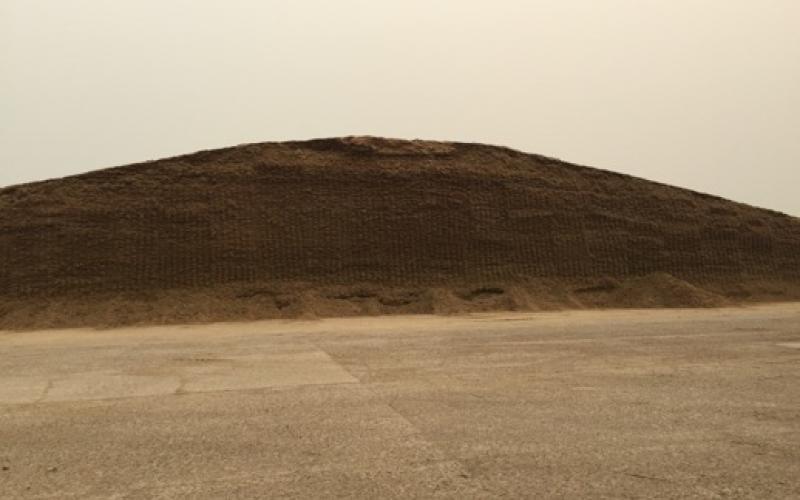
Throughout the forage growing season many producers are putting up silage piles. To this point they have been predominately forages such as haylage or small grain silage; however, we will soon be moving into corn silage cutting season.