Search
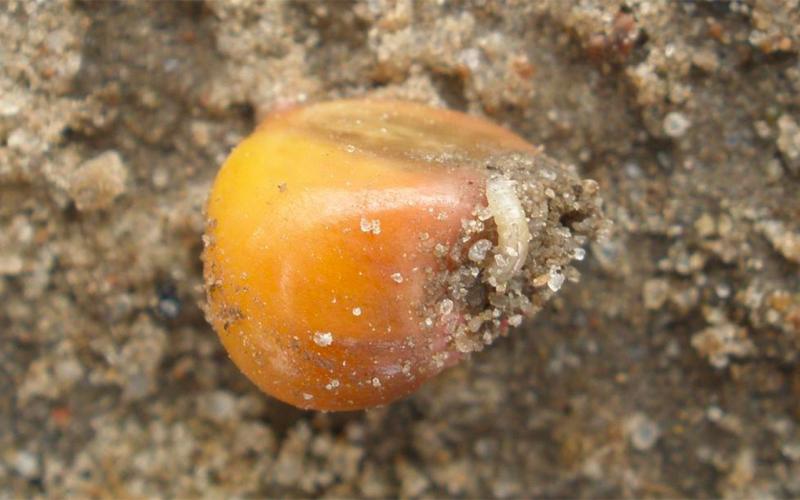
Seedcorn Maggot Degree Day Activity Estimates: May 9, 2024
With the cool, wet start to the 2024 season, it is important to consider the possibility that seedcorn maggots could cause issues for crop seedlings

Common Stalk Borer Activity Estimate: May 8, 2024
No scouting is necessary for common stalk borer activity based on current degree days. Across South Dakota, the young common stalk borer caterpillars are active in alternative weed and grass hosts.
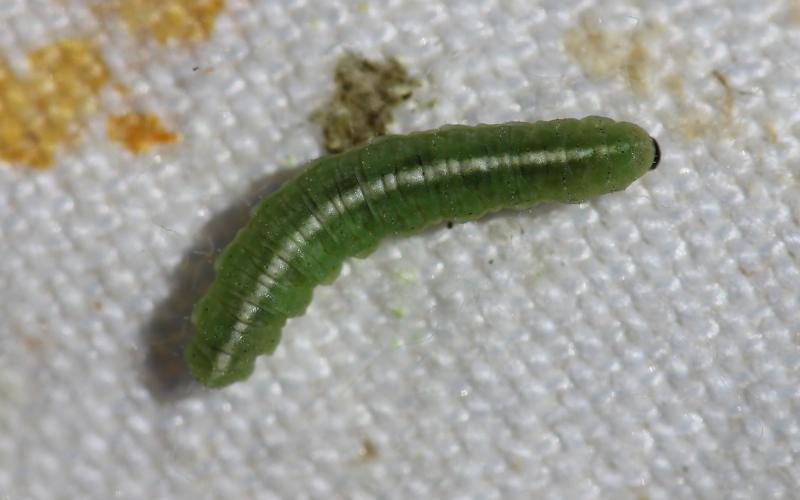
Alfalfa Weevil Activity Prediction Update: May 16, 2024
South Dakota finally warmed up and as a result, alfalfa across the state should be scouted for alfalfa weevil larvae.
Seedcorn Maggot Degree Day Activity Estimates: May 16, 2024
Based on accumulated degree days, areas in southern South Dakota are approaching the peak emergence period for the second generation of seed corn maggots.
Common Stalk Borer Activity Estimate: May 16, 2024
Common stalk borer caterpillars are still active in grass and weeds along field edges. Based on recent degree day data throughout the state, no scouting is necessary for common stalk borer activity in fields yet.
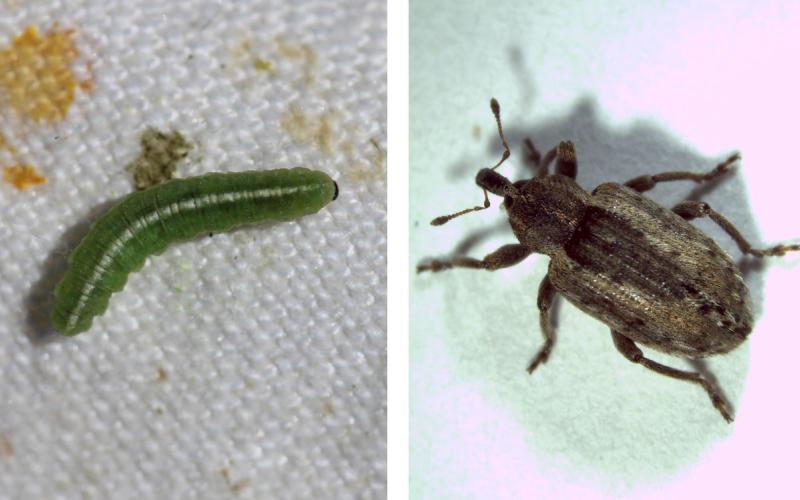
Alfalfa Weevils Are Active in South Dakota
Alfalfa weevil larvae are active across South Dakota. Although they had a somewhat slower start this year, we are now observing all instars of the larvae in alfalfa fields.
Common Stalk Borer Activity Estimate: May 24, 2024
Throughout South Dakota, common stalk borer caterpillars are still active in alternative weed and grass hosts.
Seedcorn Maggot Degree Day Activity Estimates: May 24, 2024
Parts of South Dakota are currently at, slightly below, or over the 1,080 degree days for the peak second generation emergence of seedcorn maggots.
Alfalfa Weevil Activity Prediction Update: May 24, 2024
Degree day accumulations continue to estimate alfalfa weevil activity throughout South Dakota. Alfalfa weevil activity is likely greater in southern counties, but alfalfa should continue to be scouted statewide.
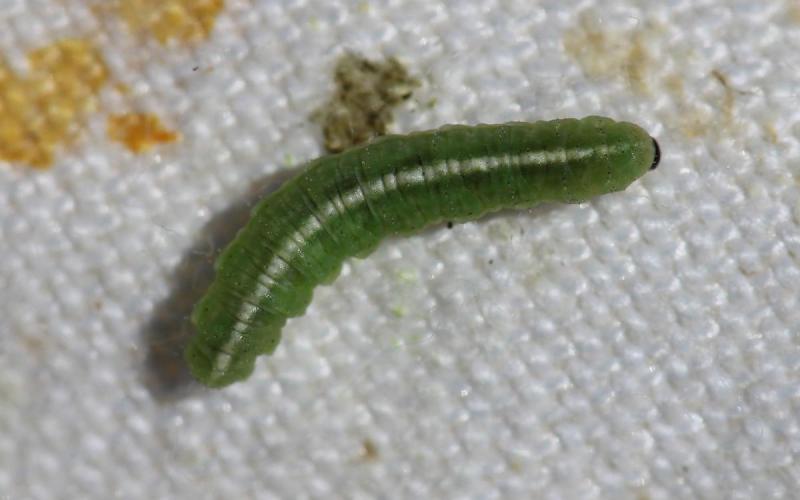
Alfalfa Weevil Activity Prediction Update: May 29, 2024
Most alfalfa weevil larvae that were observed this week were between the first and second instar, but it is likely that later instars are present in southern counties.