Search

Integrating Living Mulch on Vegetable Farms in South Dakota: 2024 Results
Research report determining the impact of two established clover species on weed suppression, crop growth, and yield of severable brassica species.
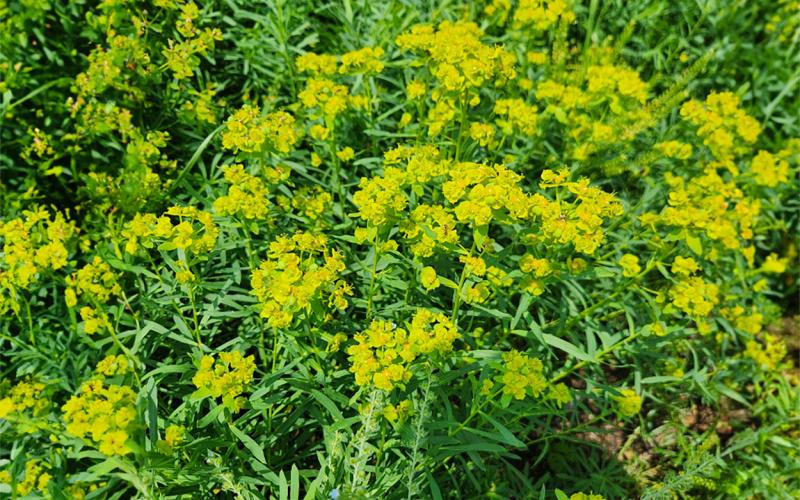
Effects of 2,4-D with and without wiper-applied glyphosate on leafy spurge (Euphorbia esula) treated-shoot, shoot regrowth, and root biomass
Fact sheet on the effects of 2,4-D with and without wiper-applied glyphosate on leafy spurge.
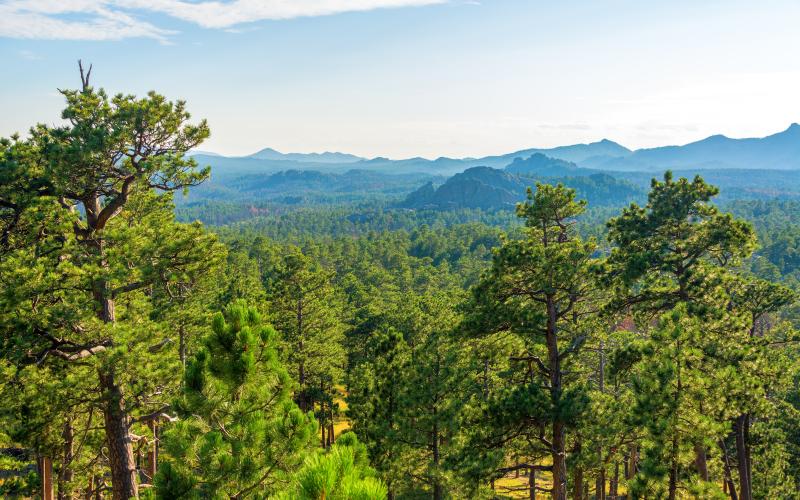
How to Identify an Ash Tree Infested by Emerald Ash Borer
This guide will help you determine whether an ash tree may be infested by the emerald ash borer.
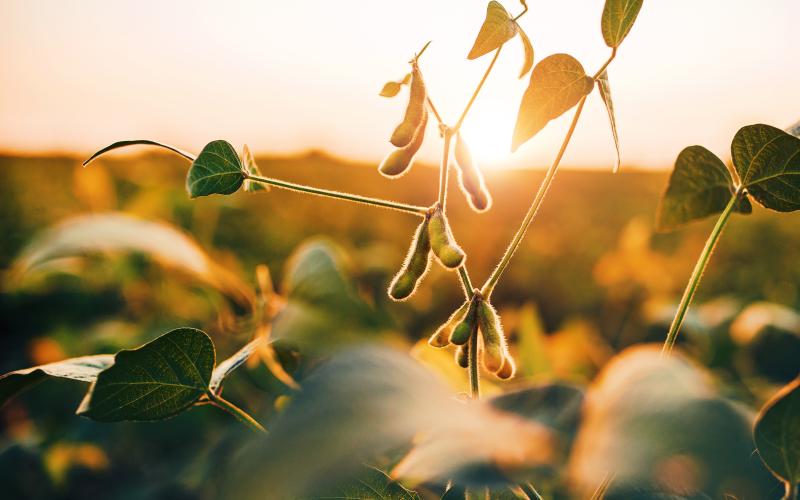
2,4-D (Enlist One) and Glufosinate (Liberty) Additively Control Common Weeds in South Dakota Soybean Production
Fact sheet on the experiment to determine how 2,4-D and glufosinate, when applied alone or mixed, control common weeds and affect soybean yield.
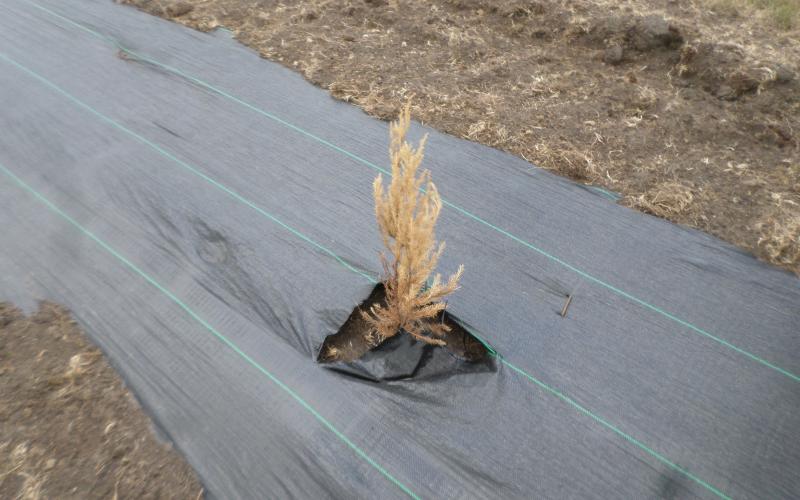
Herbicide Carryover and Planting Bare-Root Tree Seedling in New Windbreaks
Guidelines on herbicide carryover when planting bare-root tree seedlings in new windbreaks
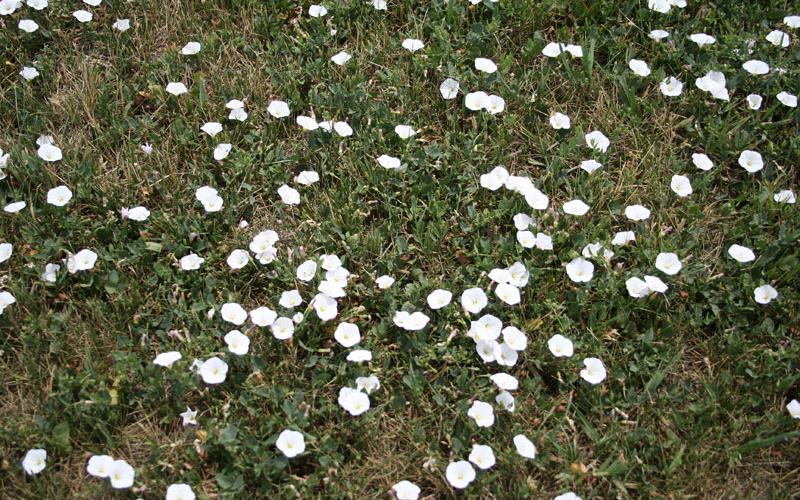
Lawn Weed Control
Cultural weed control practices must be included in weed management programs to optimize control and inhibit re-infestation. A healthy, dense turf cover is the best overall defense against weed invasion. Some common cultural weed control practices include planting the most adapted turfgrass species for your environment (i.e. shade, full sun, or hot, dry conditions), maintaining a mowing height of 2.5–3.5 inches, watering deeply but less frequently, and proper soil maintenance including fertilization and core aerification.
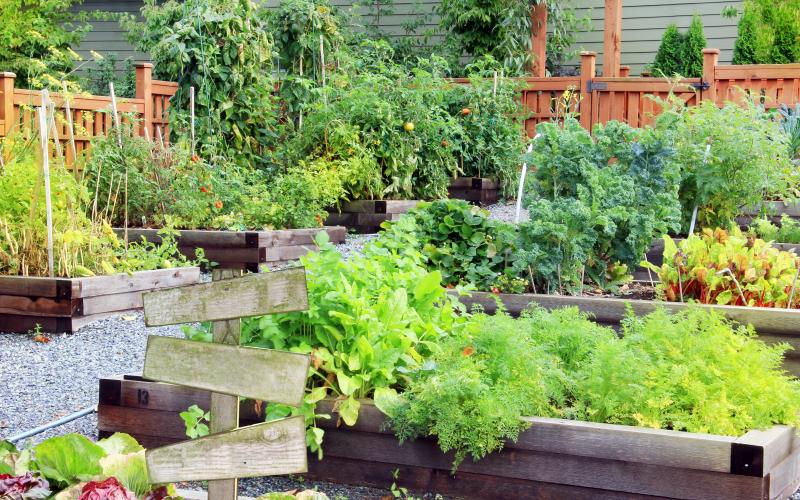
Fire Blight
Fire blight is a disease that can infect apples, pears, and certain ornamental species including crabapples, cotoneaster, and mountain ash. Occasionally it may also appear on cherries, plums, Juneberry (also called Serviceberry or Saskatoon), and raspberry. This disease, caused by the bacteria Erwinia amylovora, can damage blossoms, fruit, leaves, shoots, and branches. If it is not controlled, fire blight may kill the entire tree or shrub. Infected tissue cannot be cured, but will need to be removed from the tree to prevent further spread.

Broccolini Performance in Three Established Clover Living Mulches in Eastern South Dakota: Year Two Results
Research report determining the impact of three established clover species on weed suppression, crop growth, and broccolini yield in year two.
Growing Sweet Corn in South Dakota
Sweet corn is a delicious vegetable enjoyed by both kids and adults. It is popular in the mid-to-late summer and is often bought at stands on street corners and grocery stores throughout small towns in South Dakota. What many people don’t know, however, is that sweet corn is a remarkably easy vegetable to grow yourself. All you need are a few essential materials and some basic knowledge to grow your own delicious sweet corn.
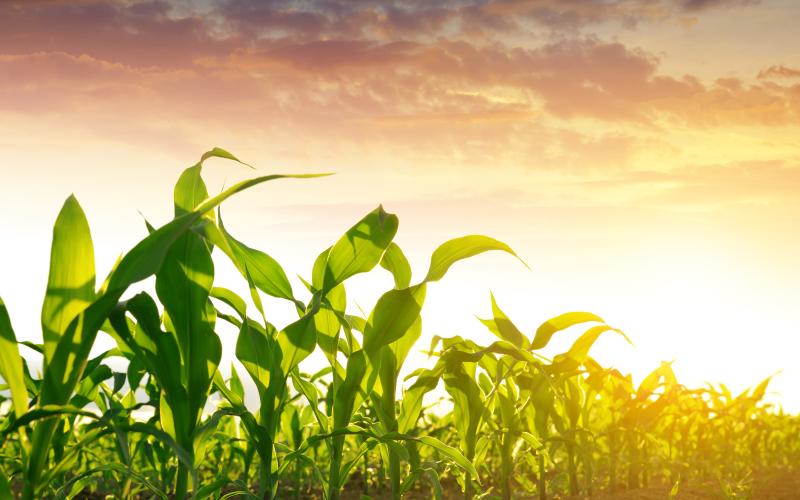
2018 Field Plot Summaries for Corn: Fungicide Trials
This document contains results of corn field trials conducted during the 2018 growing season to evaluate foliar fungicides to manage various corn diseases.