Search
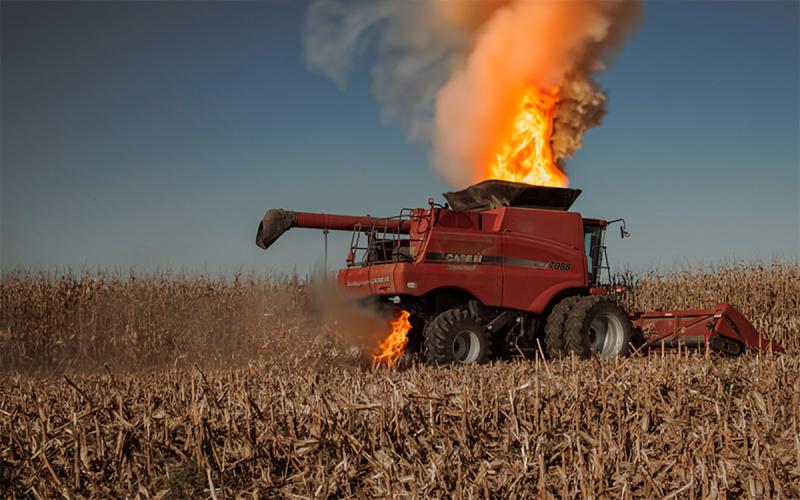
Harvest Time Equipment Fires
Dry weather conditions have led to many equipment fires this harvest season. Learn some expert tips for preparing your equipment and fields for a safe harvest, along with insurance considerations before and after a fire event.
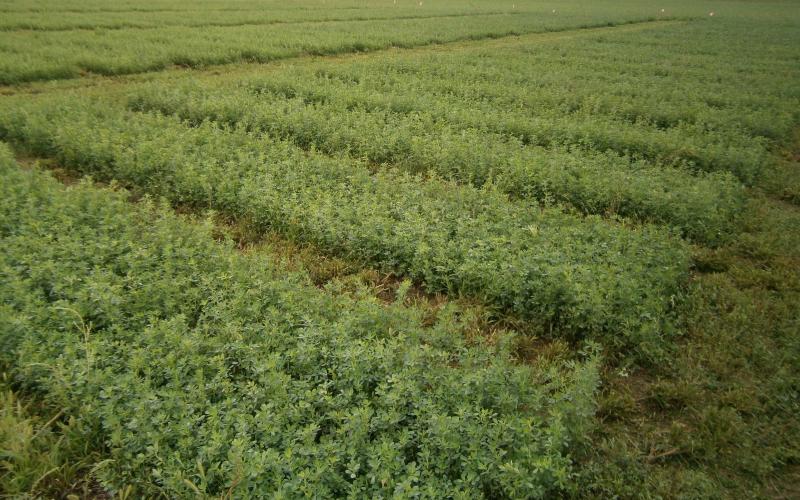
Effects of Late Spring Frost on Alfalfa
Forage research indicates that, although alfalfa is considered to have good cold temperature tolerance, minor frost damage may occur when plants are exposed to air temperatures slightly below freezing for several hours, and more severe damage will be seen when temperatures drop below 25°F for four or more hours.

Bookwork, The Missing Management Component: Depreciation Determination and Use
Another component of determining net income is depreciation. This is one component of the Schedule F that many understand the least. Typically, the most use it gets is to minimize income tax through accelerated tax depreciation under section 179.
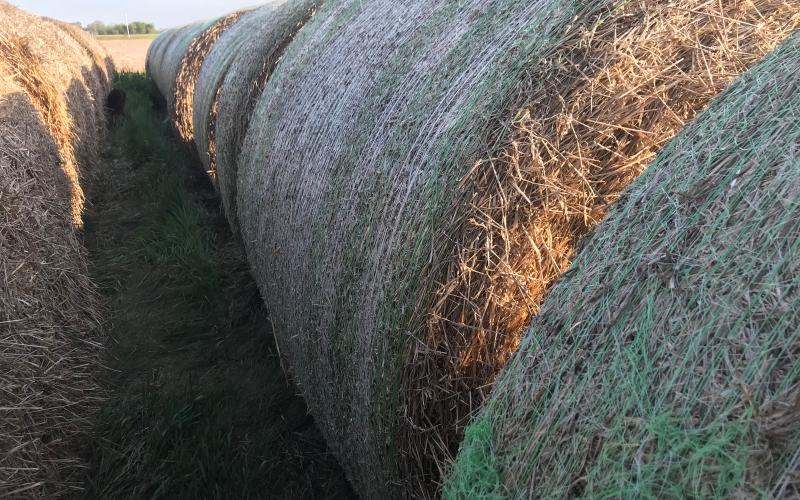
Learn about forage rye, livestock feed at Northern Plains Forage Association annual meeting
November 06, 2024
South Dakota State University Extension encourages producers to attend the Northern Plains Forage Association annual meeting and seminars, which will feature forage-related education and research.

What is This Fruit… And is it Edible?
In mid- to late-summer, we often get the questions: “What kind of fruit is this?” and “Is it edible?” To identify a fruit, it is helpful to know both plant and fruit characteristics: Woody or herbaceous plant? Vining or upright? Do the leaves attach to the stem opposite each other (i.e., paired), or do they alternate from one side of the stem to the other? What size and color are the fruit? Is each fruit’s stem attached directly to the twig, or are they in a cluster that attaches to the twig? And, one question I find often helpful in distinguishing among smaller fruits, does it have a single pit, or are there several seed in each fruit?
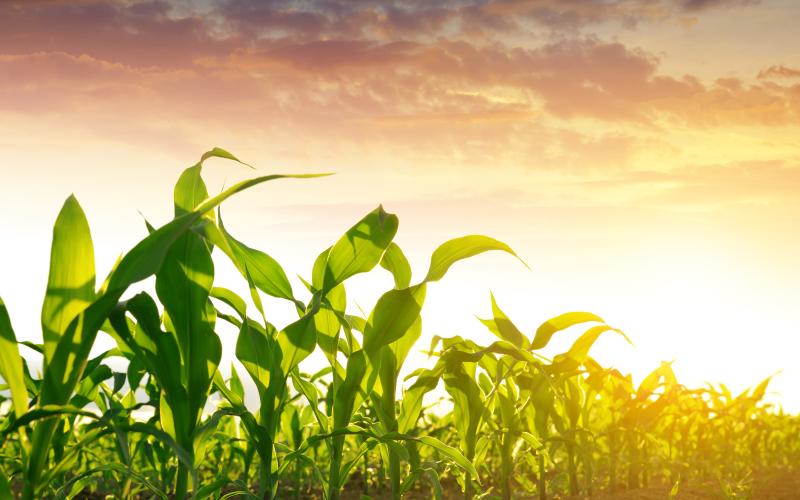
Best Management Practices for Corn Production
iGrow Corn is your unbiased, research-based guide to corn production, providing the latest recommendations to help increase yield, reduce input costs and protect your investment.
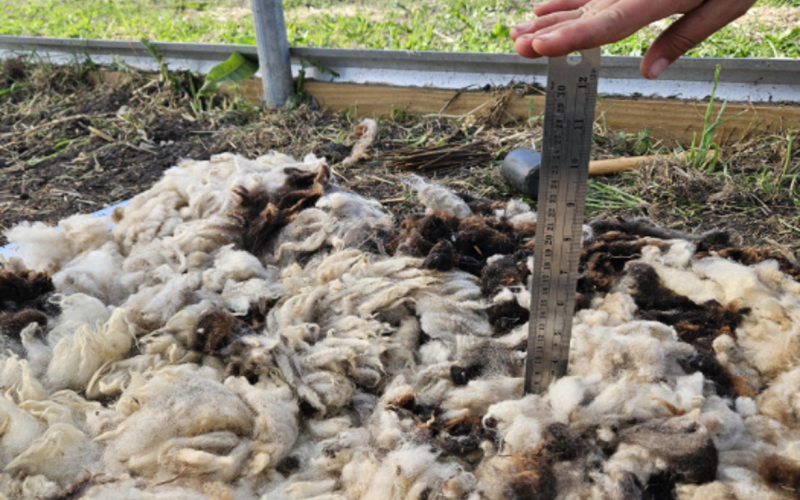
Investigating the Use of Raw and Pelleted Wool as an Alternative Mulch for Vegetable Production
This publication reviews a recent research study investigating the effects of wool as an alternative mulching option for pepper production.
Now is Time to Plan Your Weed Management Strategy for the 2025 Growing Season
As harvest season comes to an end, now is the time to start formulating your weed management plan for next year. Learn some expert tips for getting your operation off to a good start next growing season.
Now is the Time to Plan for Noxious Weed Control in 2025
Since most of South Dakota has experienced several frosts, the opportunities for fall herbicide applications are likely over. Now is the time to plan for noxious weed management for both spring and fall tactics.

Integrating Living Mulch on Vegetable Farms in South Dakota: 2024 Results
Research report determining the impact of two established clover species on weed suppression, crop growth, and yield of severable brassica species.