Search
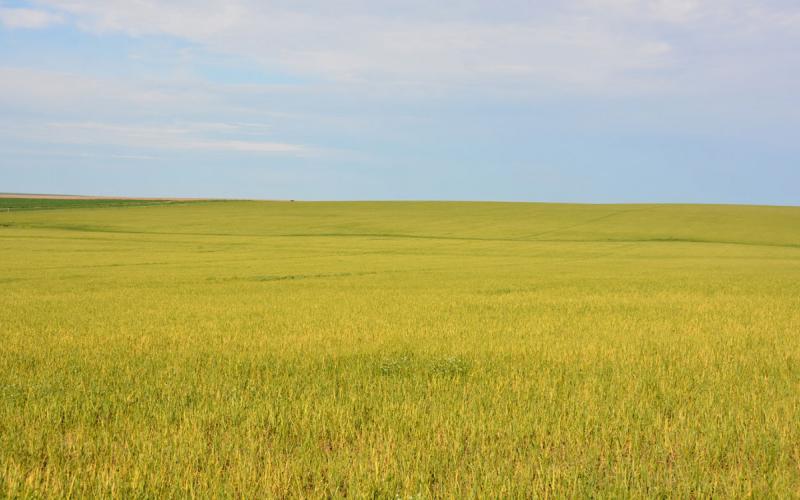
Wheat Streak Mosaic of Wheat
Fact sheet about symptoms, disease cycle, risk factors and management of Wheat streak mosaic disease
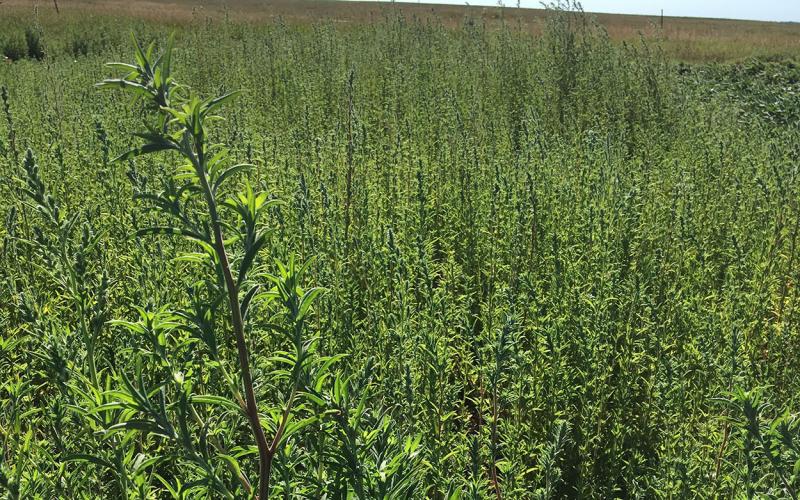
The Fall Advantage of Kochia Control
Kochia is a problem in north central South Dakota row crops. New post-emergent options in corn and soybean have helped alleviate kochia competition from many fields, but these herbicide options shouldn’t be completely relied upon for a long-term control plan.
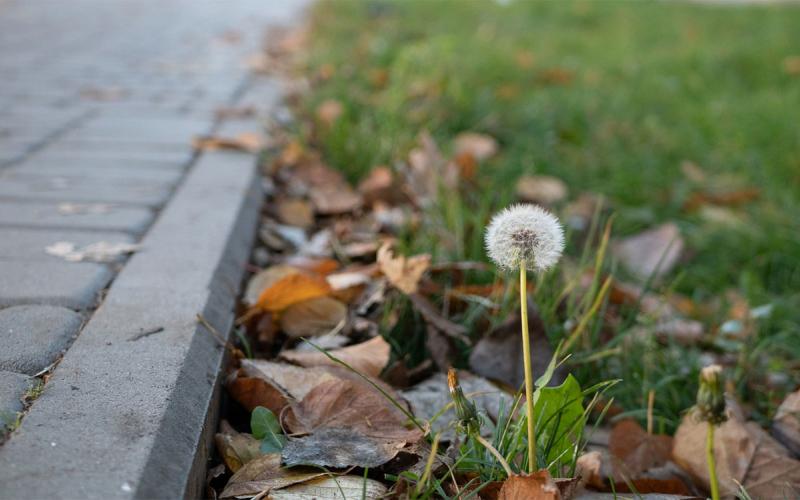
Fall Weed Control in Lawns
In lawns, fall is the best time to chemically control broadleaf perennial weeds. Examples of these weeds could include dandelions, Canada thistle, creeping bellflower, field bindweed and ground ivy.
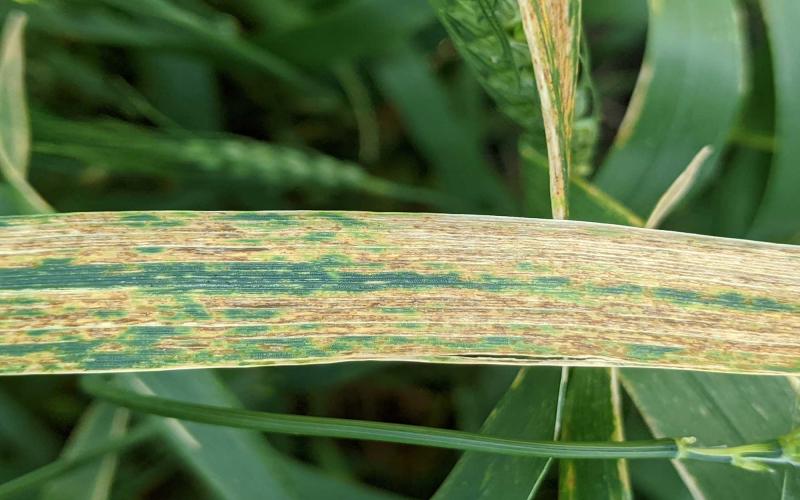
Bacterial Leaf Streak Developing at Low Level in Winter Wheat
A few winter wheat fields were found with bacterial leaf streak starting to develop at low levels. Bacterial leaf streak is usually observed starting from flag leaf growth stage. It can be severe on the upper leaves when there is prolonged leaf wetness resulting from frequent rains.
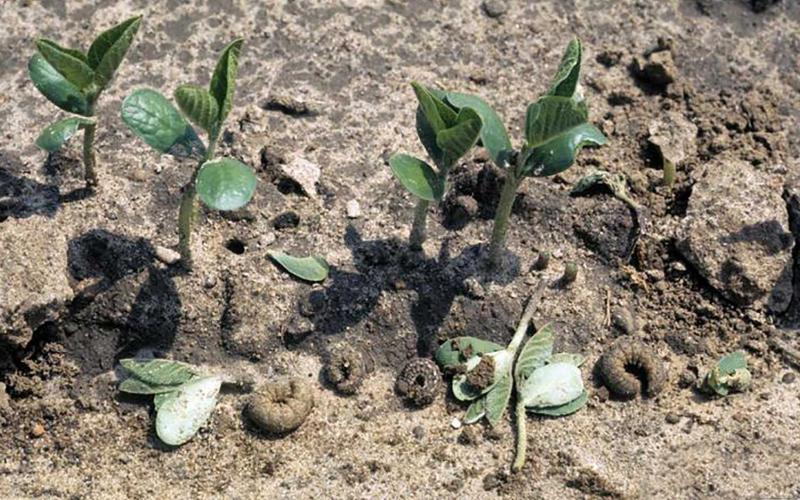
Scout Soybean for Black Cutworm Activity
Typically, we are concerned with black cutworm activity in corn fields. However, 2020 has been anything but a typical year and we are instead concerned with black cutworm activity in soybean fields.
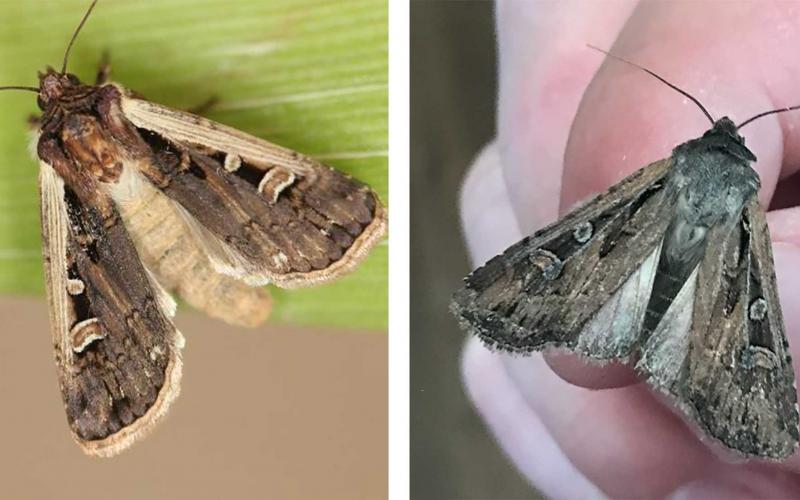
Army Cutworm Moths Among the Recently Reported Western Bean Cutworm Moths
Last week, we published an article about the presence of western bean cutworm moths being very abundant throughout Central and Western South Dakota. However, when talking with an entomologist from a neighboring state, they suggested the moths could also be army cutworm moths.
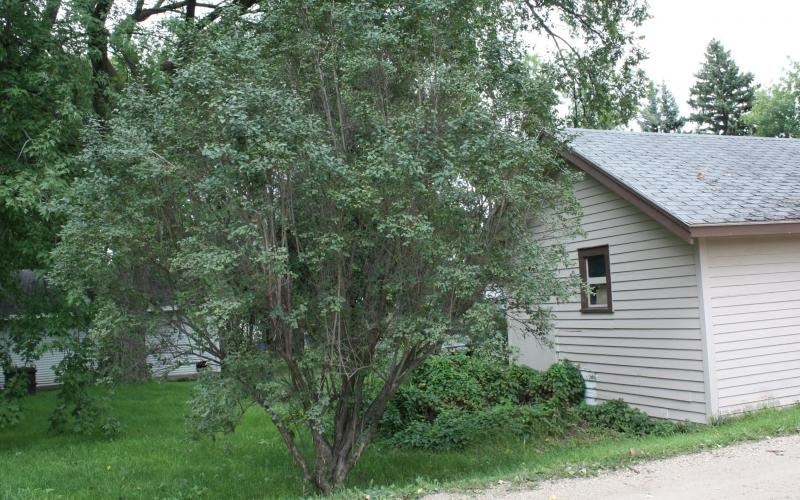
Woody Weeds: Tatarian Honeysuckle
Tatarian honeysuckle (Lonicera tatarica) was brought to North America from Asia in the mid-18th century for ornamental uses. In South Dakota it was also used as a windbreak species until the 1980s.
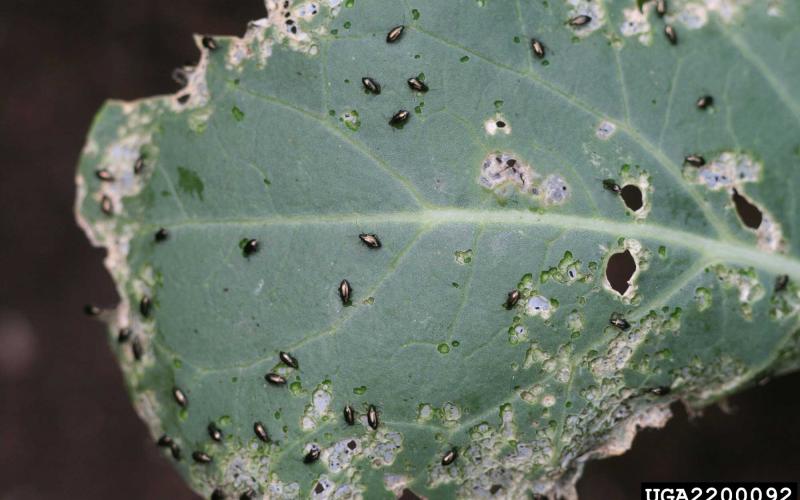
Flea Beetles in the Garden
Flea beetles have been out in full force so far this year. This group of herbivorous beetles can be a pest of many different garden plants, including tomatoes, peppers, beans, squash, lettuce and others.
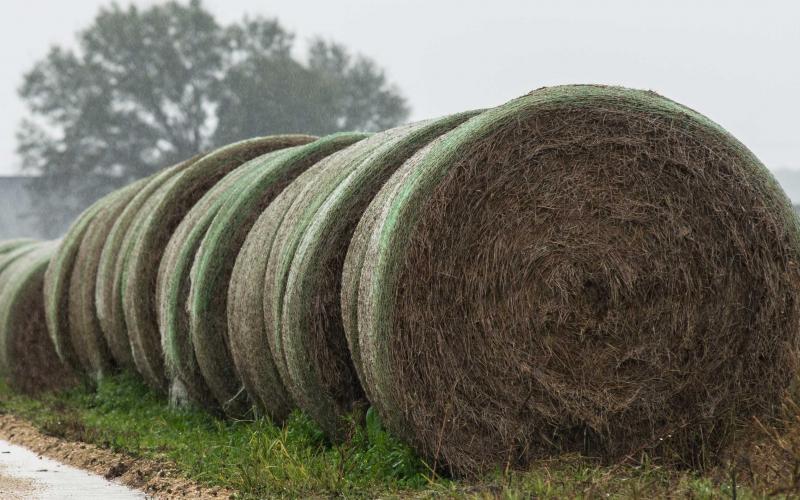
Round Bale Storage Conservation
Fact sheet discussing conservation of round bale storage.
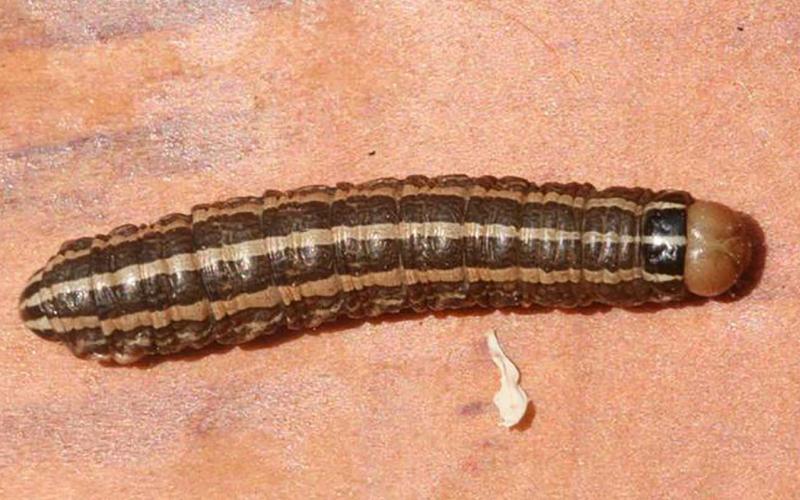
Monitor Lawns and Gardens for Bronzed Cutworm Activity
Bronzed cutworms can be an issue for lawns and gardens in South Dakota. In grass, bronzed cutworms will feed and leave small brown circular patches. Large populations of bronzed cutworm can result in severe lawn injury.