Search
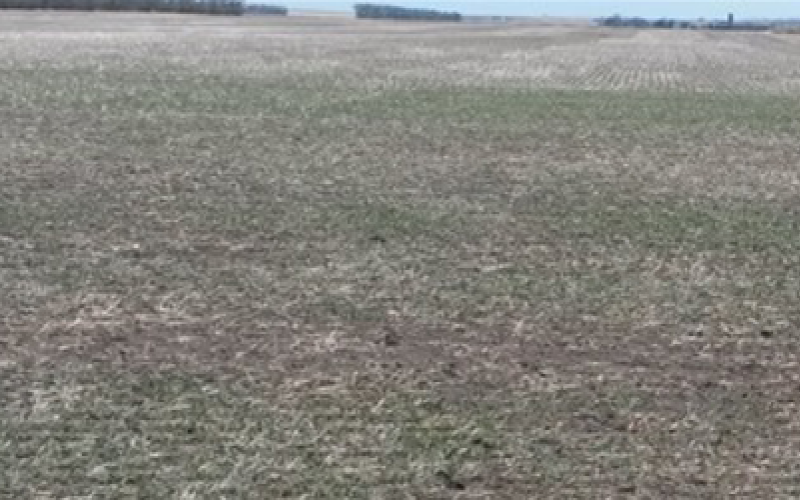
Split Application of Nitrogen in Winter Wheat
Adequate N early in the growing season is important to support healthy tillering and to give young plants the best opportunity to survive the sometimes-harsh South Dakota winter
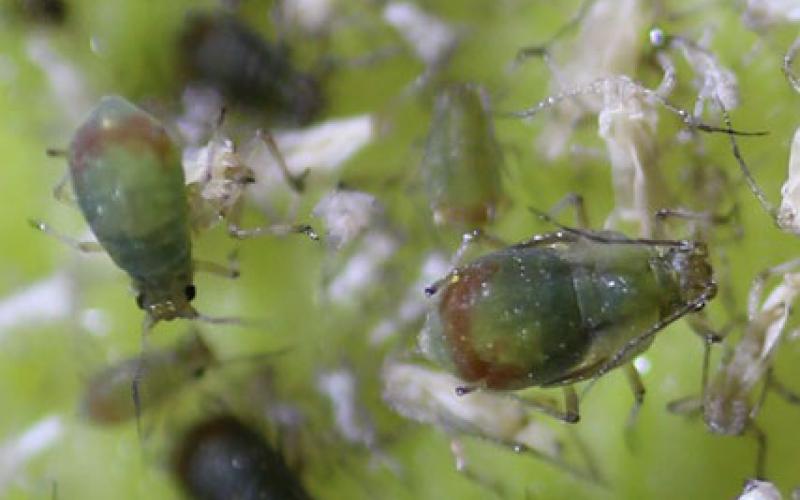
Scouting Winter Wheat for Aphid Pests
Although we cannot predict aphid pressure in winter wheat, there are measures that may be taken to reduce the risk associated with these insects.
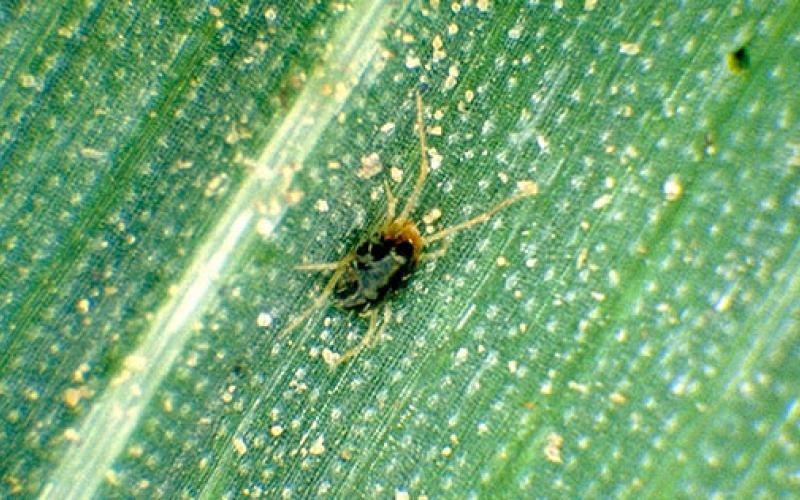
Scouting Winter Wheat for Mite Pests
Winter wheat planting is underway in South Dakota. After wheat emergence, it is important to scout for brown wheat mite and wheat curl mite populations.

Master Gardener Volunteer Program
SDSU Extension’s Master Gardener program develops gardening enthusiasts into expert volunteers who share their research-based knowledge with community members across the state.
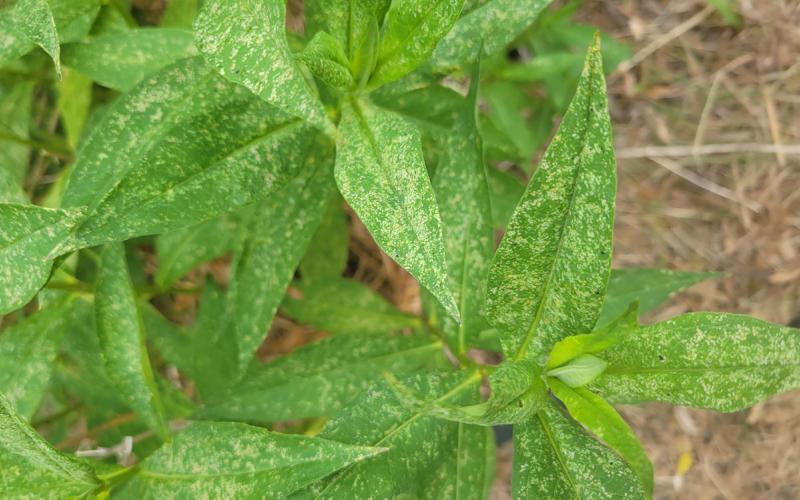
Spider Mites on Garden Phlox
During warm, dry weather, spider mites are a common pest of phlox, causing speckling, bronzing, and yellowing on leaves due to feeding behavior. Learn how to identify and manage infestations before they impact your garden.
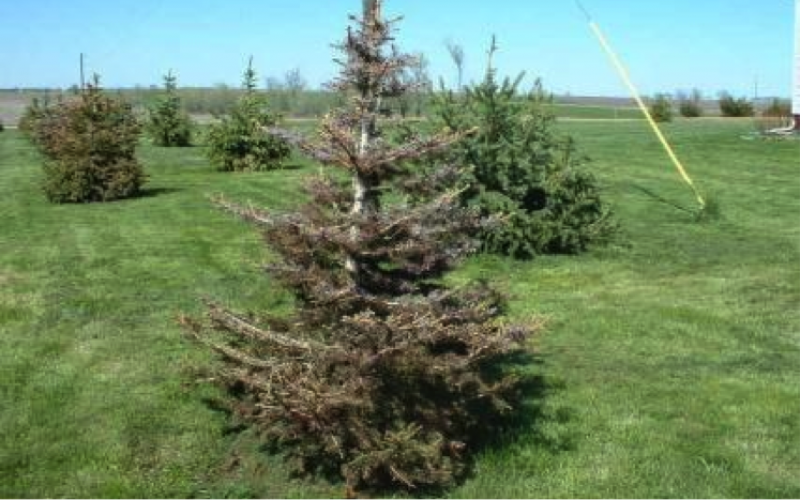
Trees for Abandoned Feedlots
Finding trees to plant over former feedlots or surrounding existing ones is not an easy task.
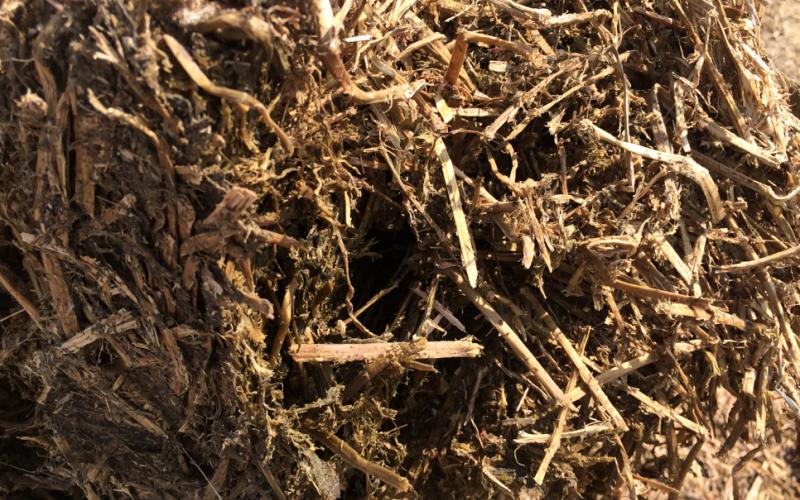
Minimizing Hay Storage Loss From Heating or Fires
Successful hay storage is essential to preserving high quality forage, while ensuring desired performance from livestock and deterring economic losses from unwanted hay storage fires.
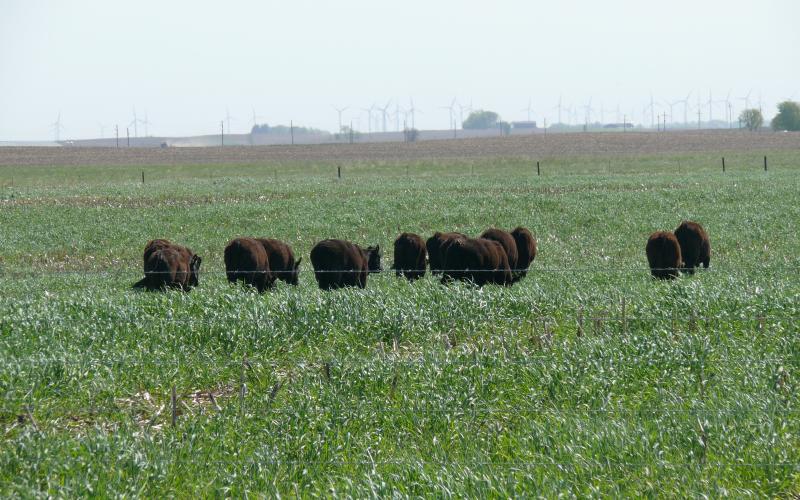
Cover Crops & Livestock Integration: A Profit Opportunity for S.D. Farms
Cover crops have been gaining a reemerging acceptance over the last decade, with very few producers disagreeing about the potential soil health benefits of adding cover crops to their farming operation.
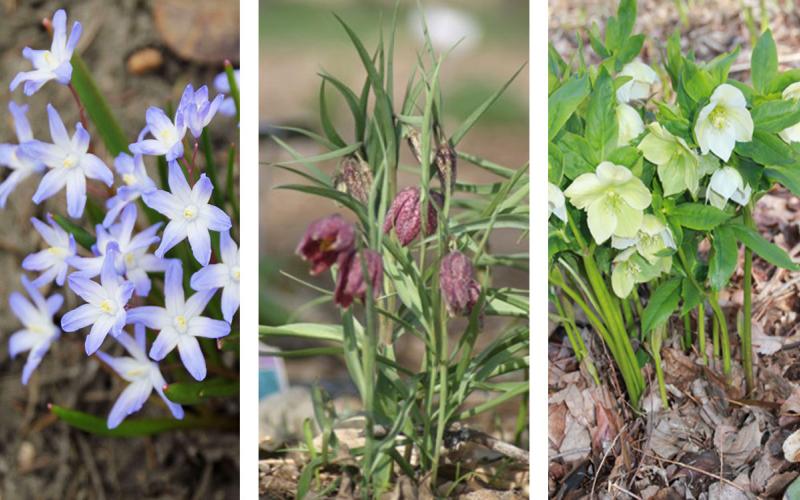
Early Spring Bloomers
From the delicate "Glory of the Snow" to the stunning "Lenten Rose," learn about some of the beautiful, lesser-known, spring-blooming perennial flowers that can be grown in South Dakota gardens.
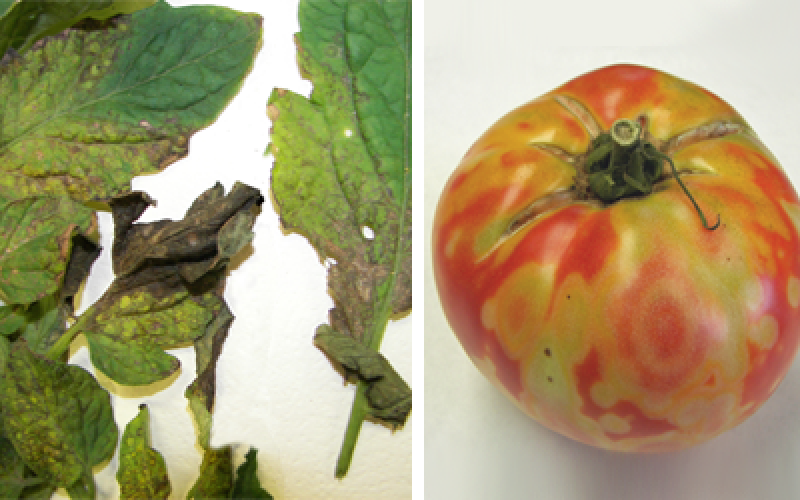
Tomato Spotted Wilt Virus
Tomato Spotted Wilt Virus can be a problem in both field and greenhouse situations, and most frequently its effects in South Dakota are observed on tomatoes and peppers.