Search

Clover Cover Crops as a Living Mulch for Broccoli Production in Eastern South Dakota: 2022 Preliminary Results
A recent project at the SDSU Specialty Crop Research Field investigated using clover species as a living mulch for broccoli production systems to improve soil quality and suppress weeds.

Clover Cover Crops as a Living Mulch for Pepper Production in Eastern South Dakota: 2022 Preliminary Results
A recent project at the SDSU Specialty Crop Research Field investigated using clover species as a living mulch for pepper production systems to improve soil quality and suppress weeds.
Grain Merchant and Processor Consolidation, Concentration, and Competition
A general trend in the last century has been for greater consolidation among Grain Merchants and Oilseed Millers and Processors. The U.S. Census Bureau tracks the number of firms and/or establishments and value of sales (market size) by industry sector every 5 years as a part of the Economic Census. In addition to the number of firms and sales, the Census Bureau publishes concentration ratios for each sector. One concentration ratio they publish is the amount of sales attributed to the four largest firms in that sector. The percentage of sales of the 4 largest firms is a measure that aids in identifying the type of market structure that exists.
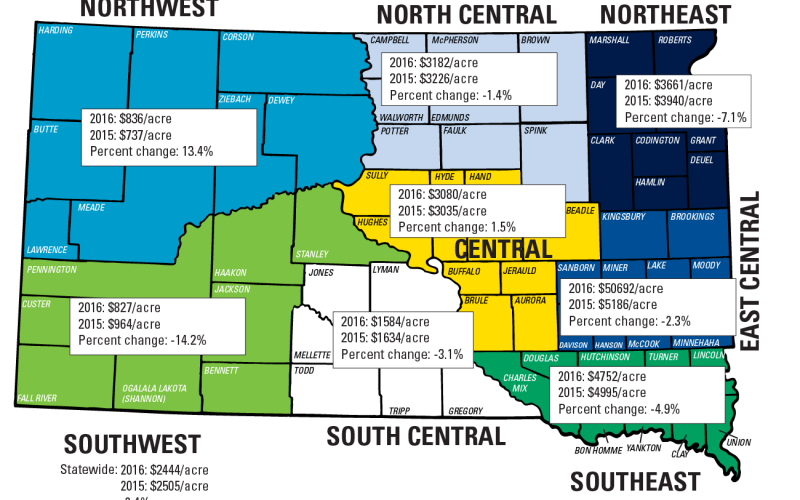
Ag Land Values Decrease Statewide on Average
From 1991 to 2015, agricultural land values in South Dakota, and in most other major agricultural production states, appreciated each year. In 2016 on average all agricultural use land decreased in South Dakota except rangeland, which will be discussed in a future article.
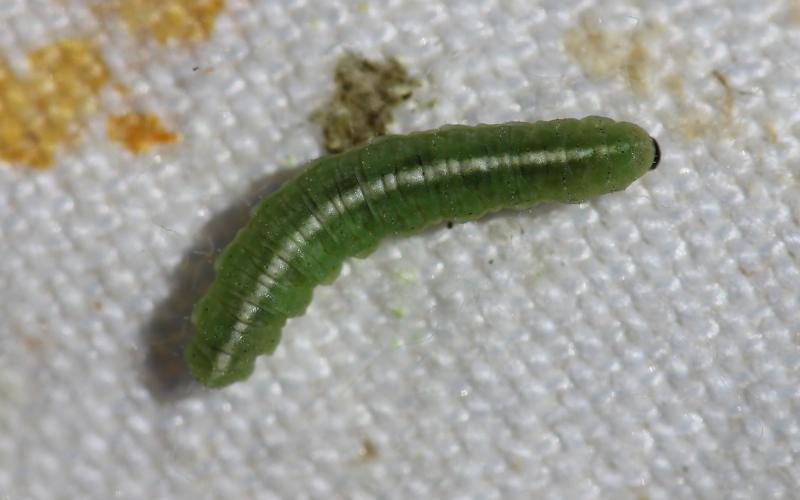
Alfalfa Weevil Activity Prediction Update: April 27, 2023
As temperatures warm up, degree days will accumulate more rapidly, and alfalfa weevils could quickly become an issue. See our latest observations from around the state.
Alfalfa Weevil Activity Prediction Update: May 4, 2023
With warmer temperatures during the last week, there was an increase in the accumulation of degree days for alfalfa weevils. See our latest observations from around the state.

Knowing the Soil Types in Your Fields Can Increase Weed Control
As soil temperatures increase, many farmers are beginning to plant crops and start preemergent weed control. Learn the important role that soil type can play in getting the most out of preemergence herbicide applications.
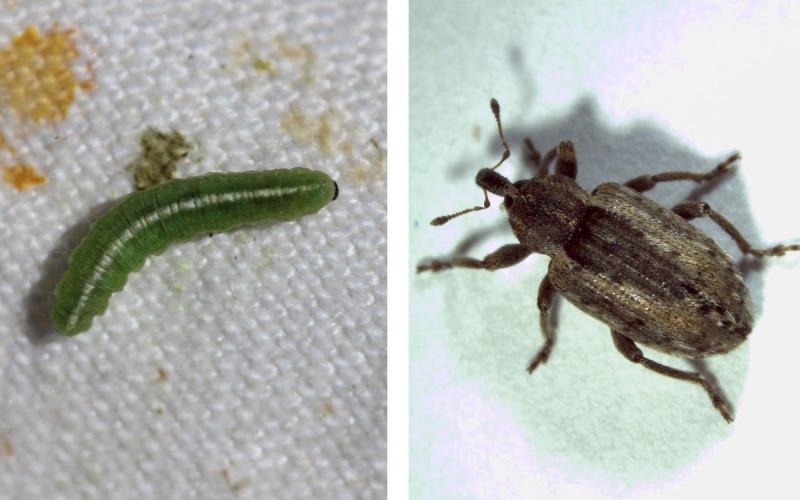
It’s Time To Start Scouting for Alfalfa Weevils in South Dakota
With increasing temperatures, the degree days for alfalfa weevils have steadily increased. The best way to avoid serious alfalfa weevil defoliation is to scout and detect populations early.

Assessing Winter Wheat Stands
After long, tough winters, producers often have concerns about winter wheat stands. Learn some tips for assessing plant stands and deciding what to do with your wheat plantings this spring.
Alfalfa Weevil Activity Prediction Update: May 15, 2023
During the last week, the entire state reached enough degree days to have active alfalfa larvae. In areas with the highest accumulation of degree days, alfalfa should be scouted to ensure that alfalfa weevils don’t cause extensive defoliation.