Search
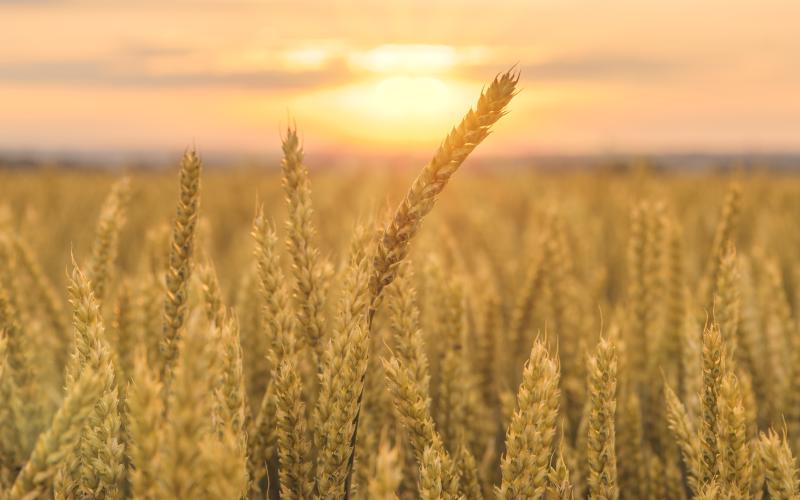
Looking Back: A History of Wheat Production in SD
In spite of the open winter and some of the worst drought conditions in history, South Dakota ended up with a very good wheat crop in terms of yield and quality in 2012. The winter wheat yields averaged 50 bushels to the acre; second highest average yield in SD recorded history.
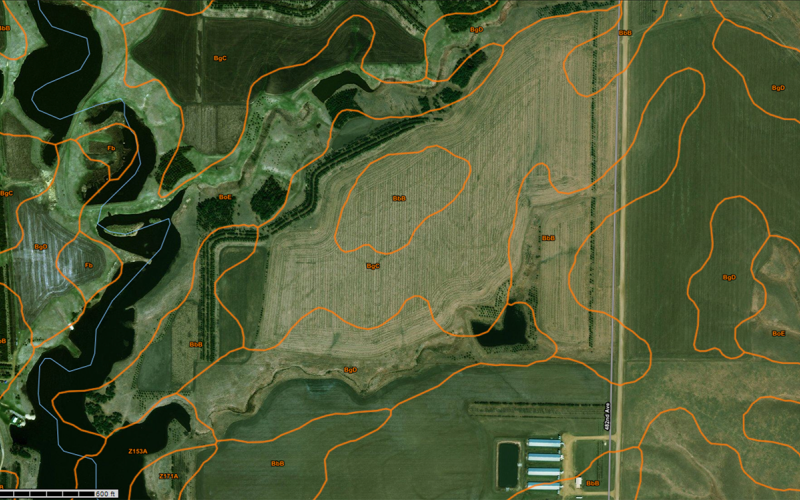
Precision Agriculture and Zone Management
Precision agriculture tools can address the variations in a production system to enhance plant growth and crop yield. Zone management controls the variable rate of inputs for optimal performance within a defined field zone.
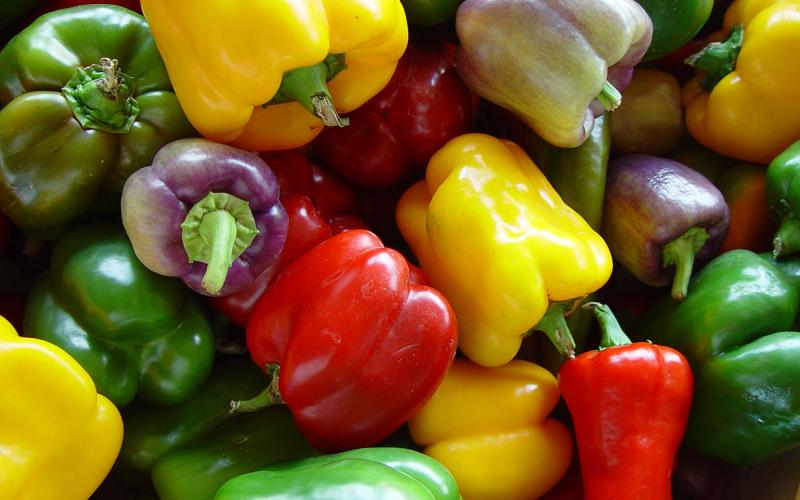
Peppers: How to Grow It
Peppers are heat-loving vegetables that require a long, frost-free season and full sun. Peppers can be sweet or hot, and range in color from green, yellow, orange, red and purple to brown.
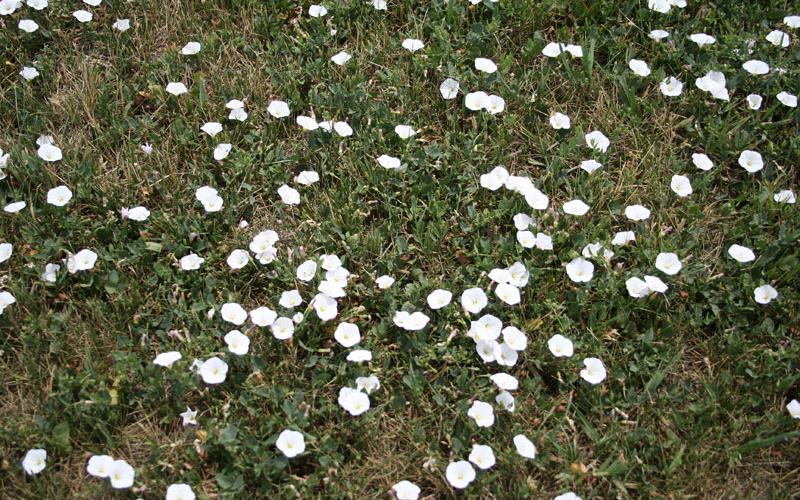
Lawn Weed Control
Cultural weed control practices must be included in weed management programs to optimize control and inhibit re-infestation. A healthy, dense turf cover is the best overall defense against weed invasion. Some common cultural weed control practices include planting the most adapted turfgrass species for your environment (i.e. shade, full sun, or hot, dry conditions), maintaining a mowing height of 2.5–3.5 inches, watering deeply but less frequently, and proper soil maintenance including fertilization and core aerification.
Crop Rotation in Farm Management
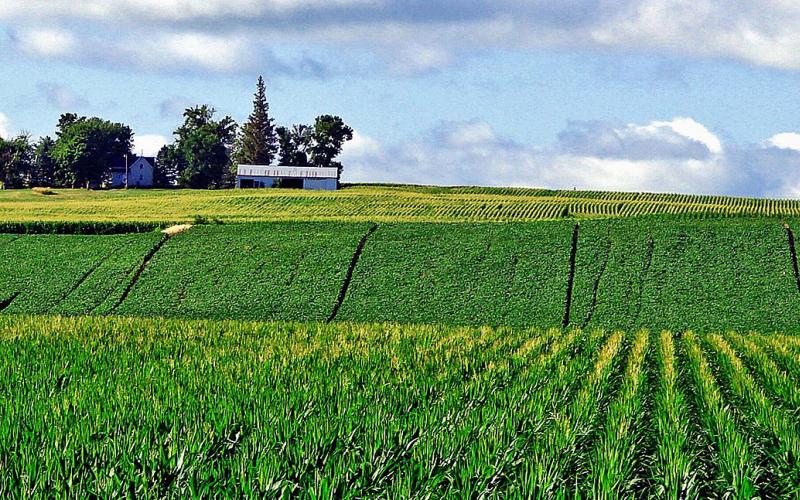
Crop rotation has long been considered an important farm practice. In 2013 producers had to stray from their well thought out crop rotations when the winter wheat crop in South Dakota failed.
April 2021 Climate Update
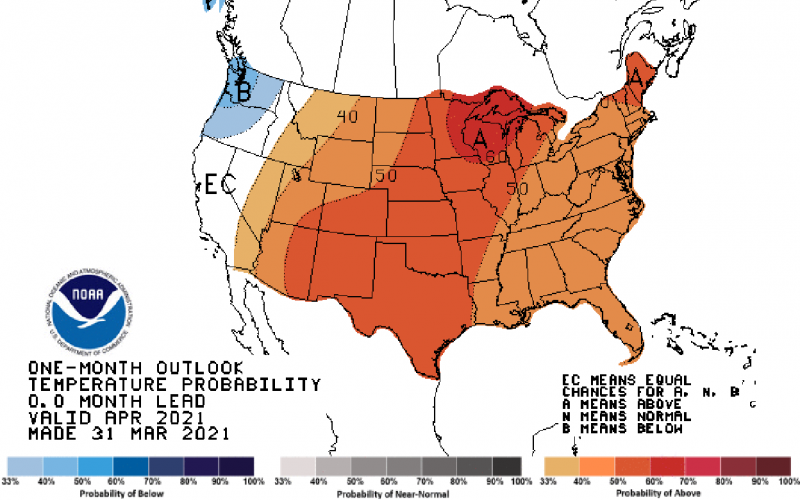
As we look at March in the rear-view mirror, we look ahead to April and the potential for rain to return to South Dakota to reduce drought concerns across the state.

Soil Testing for Vineyards in South Dakota
Not all soils are conducive to growing quality grapes, so prospective vineyard sites should be tested before a decision is made to plant grapes. Tests can identify soils that are either too high in pH, salts, or salinity, or that are “too rich” (too high in organic matter and nitrogen) for grapes. In addition, testing before planting allows for the incorporation of nutrients—such as phosphorus—that do not move easily through the soil to plant roots.
Garden Food Safety
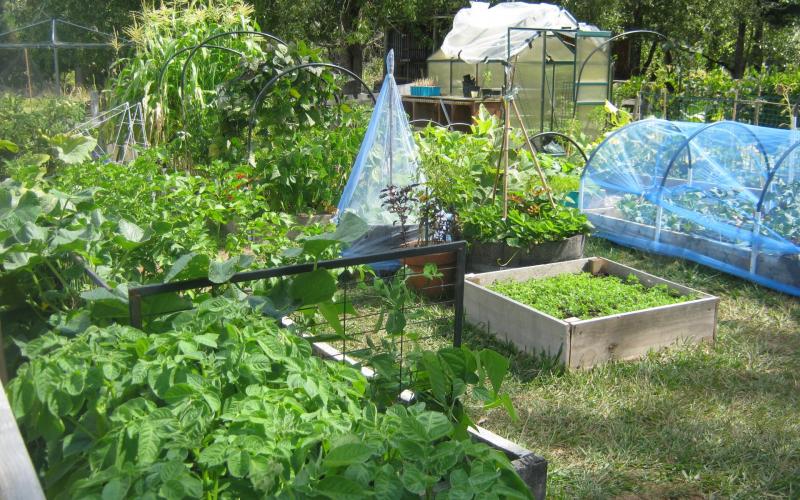
Every so often we hear about people getting sick from eating raw produce that got contaminated somewhere on its path from the field to the consumer. Commercial growers are taking great care to keep your food safe, and there are new national rules to guide them. Following are some tips for home gardeners to help keep their fruits and vegetables safe.
Silage Covering and Harvest Management to Maximize Feed Value
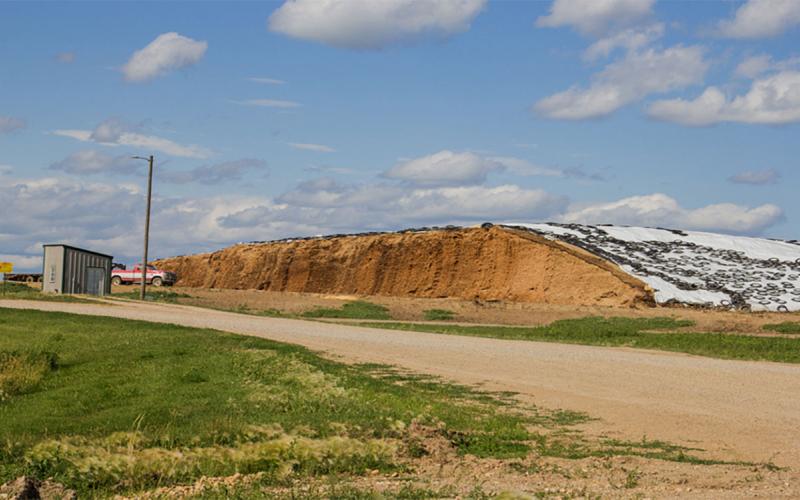
Covering silage piles is critically important to control nutrient loss in silage, but what covering strategies result in the best-quality feed? Learn what a recent SDSU Extension research project found out.
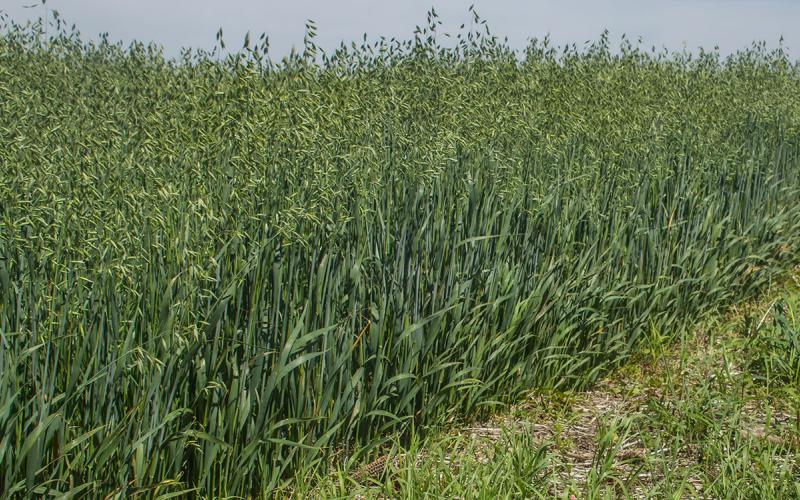
Planting Considerations for Oats in South Dakota
South Dakota is a leading oat producer in the United States. Learn some important oat planting tips, including timing, variety selection, seeding rate and fertilizer management.