Search
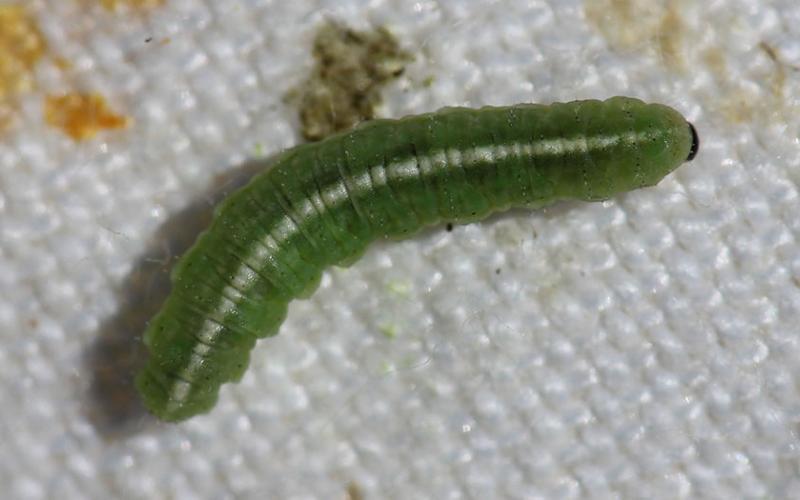
Alfalfa Weevil Activity Prediction Update: April 20, 2020
During the last week, the colder weather that we experienced across South Dakota resulted in very little degree day accumulation. However, in some areas enough degree days have accumulated to potentially lead to adult activity within alfalfa fields.
Fall Vegetable Garden Cleanup
Fall cleanup can help with the success of your garden next year, as diseased plants left over the winter can provide fungal or bacterial spores waiting to infect next year's plants. Learn some tips for getting started!
Alfalfa Weevil Activity Prediction Update: April 27, 2020
It is finally warming up across much of South Dakota and that means the degree days are beginning to accumulate more rapidly. Alfalfa weevil activity is likely in areas around Rapid City, Hot Springs, Cottonwood, Mission, Pierre, Winner and Vermillion.
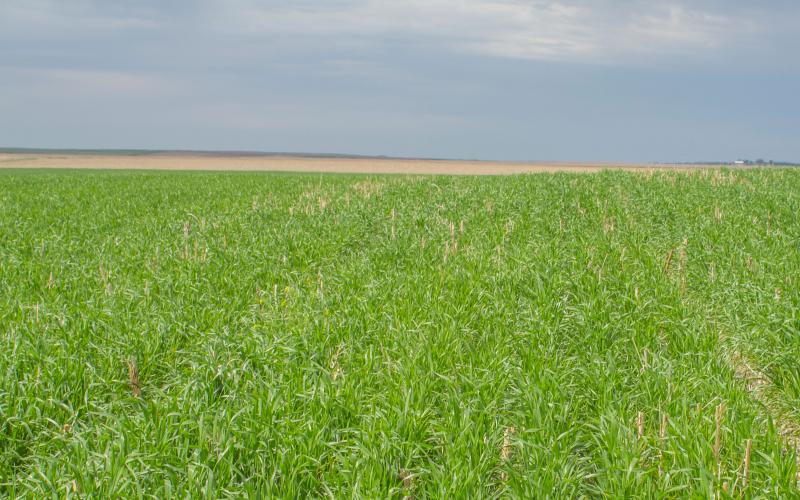
Chloride Fertilizers May Be Beneficial in Spring Wheat Production
Chloride, the ionic form of chlorine, although not considered an essential nutrient, has long been observed to be highly beneficial to field crops. Chloride is known to play an essential role in plant development and osmoregulation.
Alfalfa Weevil Activity Prediction Update: May 4, 2020
Temperatures continue to increase across South Dakota and the degree days are rapidly accumulating. With the exception of areas around Selby, Sisseton and Brookings, alfalfa weevil activity is likely in South Dakota.
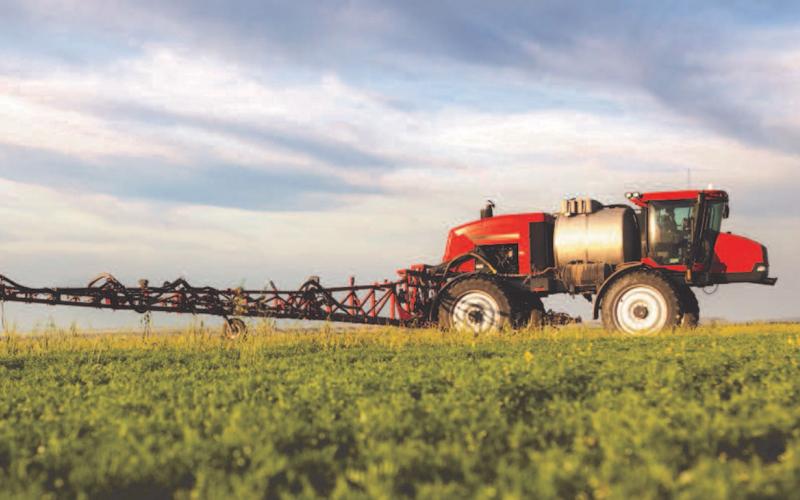
How to Stop Drift
The goals of applying any crop protection products include: increasing effectiveness, mitigating drift, and maximizing profits. We will focus on mitigating drift, even though all three interact with each other.
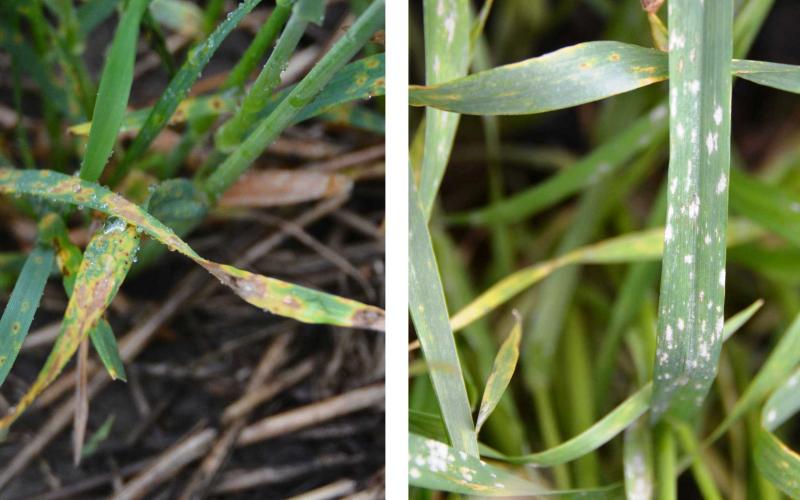
Does Early Fungicide at Tillering Result in a Profitable Yield?
Tan spot and powdery mildew pathogens are two residue-borne pathogens that can infect wheat early in the season. These diseases can lead to poor tillering, and their continued development can lead to yield loss.
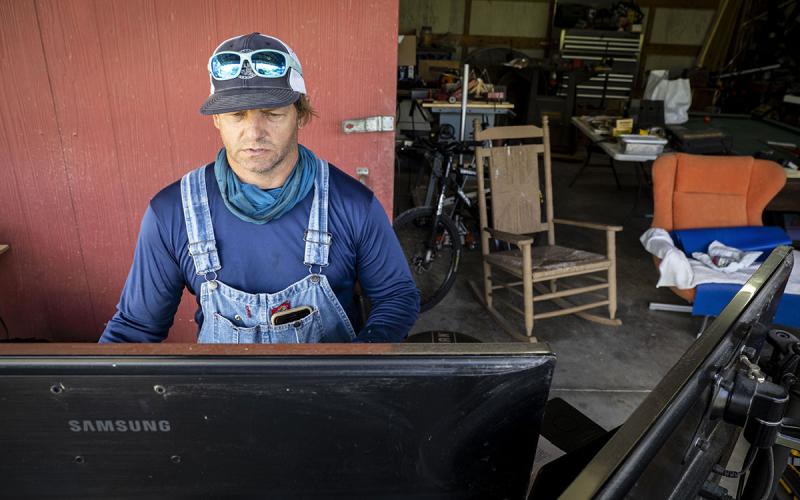
SDSU Basis Report: Monitoring Agricultural Market Dynamics
The SDSU Basis Report application provides an interactive platform for monitoring basis values, representing the difference between the cash price paid for grain locally and the nearby futures price.
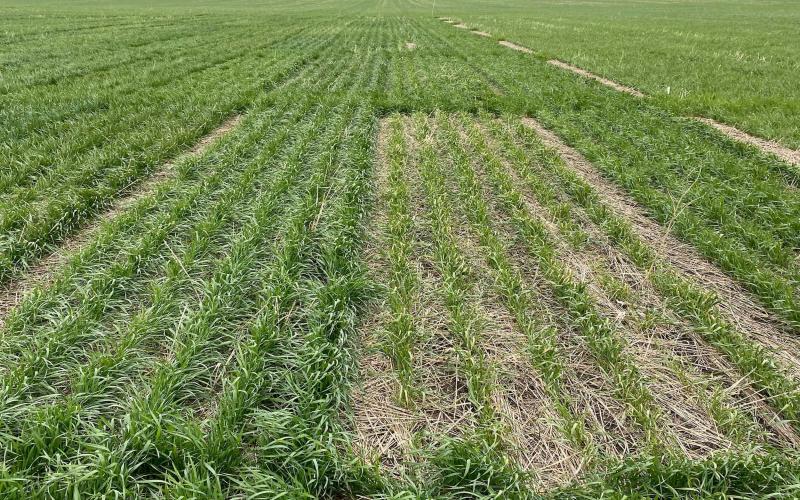
Low Temperature Effects on Winter Wheat
Low temperatures during the early morning hours of May 9–11, 2020 may have had detrimental effects on winter wheat in some areas of South Dakota. However, cooler spring temperatures that have slowed the winter wheat development this year may have actually been beneficial to S.D. producers, as later-maturing wheat is not as susceptible to injury from freezing temperatures.
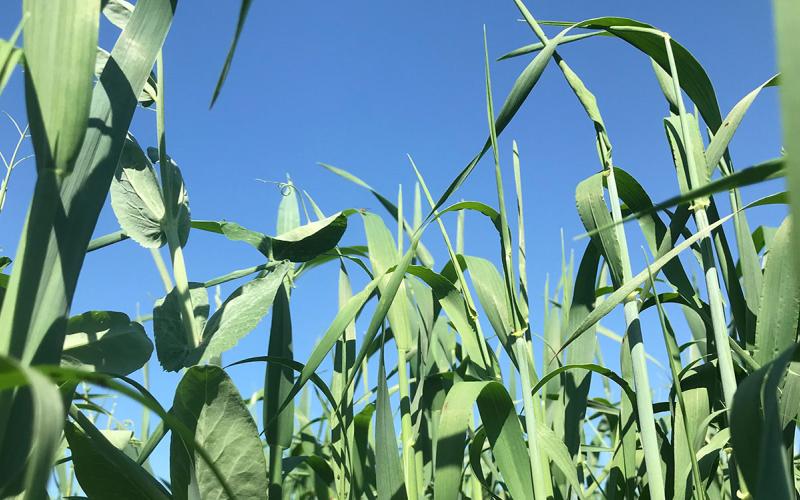
Forage Field Day to be Held Aug. 4
July 15, 2022
SDSU Extension and Nebraska Extension will host their collaborative 2022 Forage Field Day at the University of Nebraska Haskell Ag Lab on Thursday, Aug. 4, from 10:00 a.m. to 4:30 p.m. CDT.