Search
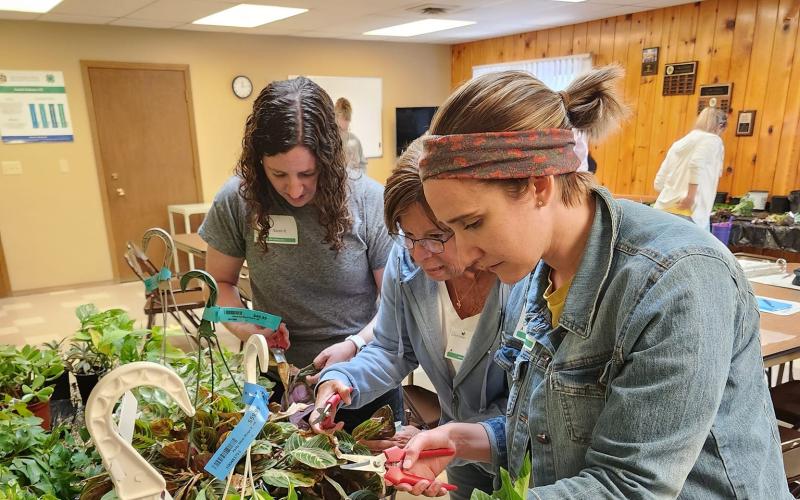
Registration open for 2026 SDSU Extension Master Gardener training
January 29, 2026
Registration is open for the 2026 South Dakota State University Extension Master Gardener training that will be offered from April 1 to July 31, 2026.
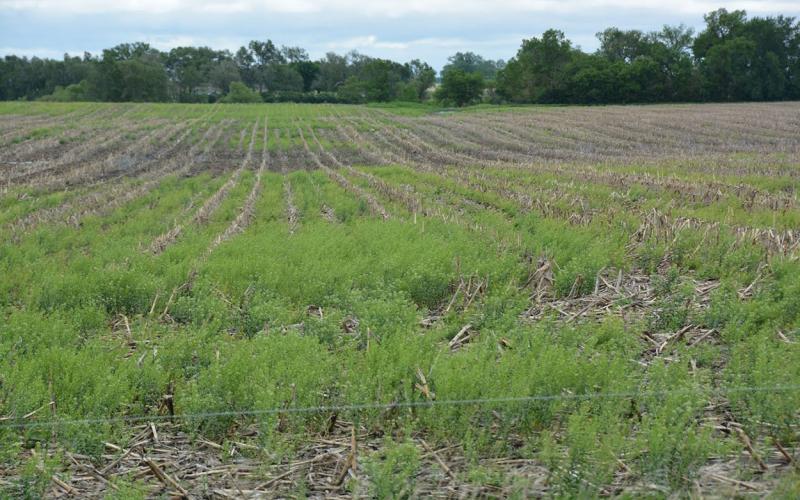
Soybean Cyst Nematode Management Plans Should Include Proactive Weed Management
While soybean cyst nematode can be managed through use of resistant varieties and crop rotation, presence of alternative weed hosts can negate the benefits of these practices by providing a host for soybean cyst nematode to continue to accumulate in the soil.

Early Season Soil Solarization and Occultation Impacts on Weed Pressure and Onion Yield in Eastern South Dakota: Year 2 (2024) Results
Research report on whether soil tarping can reduce weed pressure in onion yields for the second year
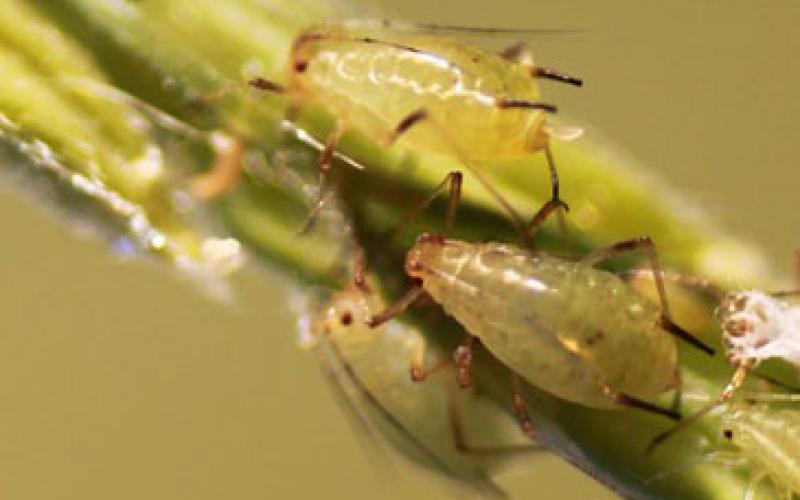
Continue Scouting Wheat for Aphid Populations
Aphid populations in winter wheat continue to be observed in South Dakota. The major questions now are whether or not aphid populations are at economic threshold and if spraying is really necessary.
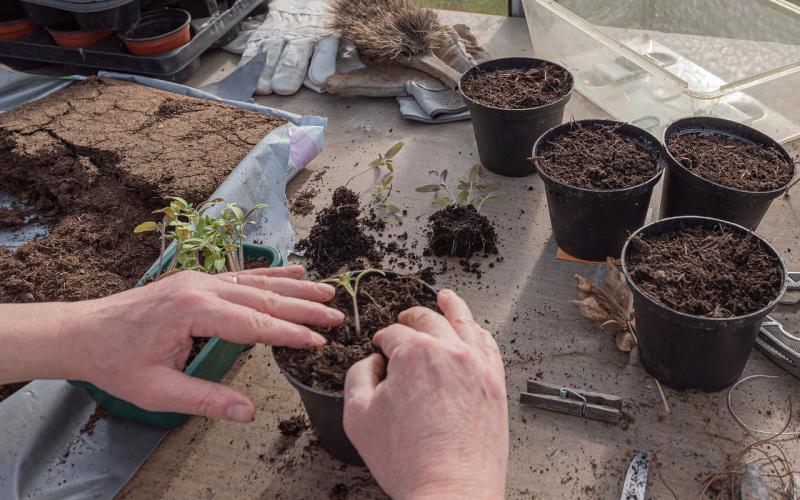
Growing Your Own Food
Are you thinking about growing your own fresh vegetables this year, maybe for the first time? In addition to the satisfaction of providing fresh, nutritious and delicious produce for yourself and family or friends, many find working with plants and soil to be a great antidote for the worries and frustrations of the day.
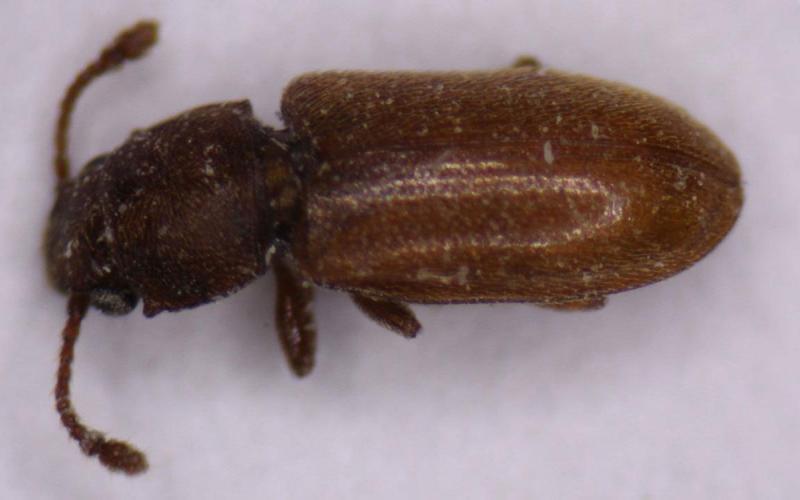
Foreign Grain Beetles in New Construction
As new homes are constructed around South Dakota, we continually receive questions about small, brown insects showing up in bathrooms and basements. These insects are foreign grain beetles.
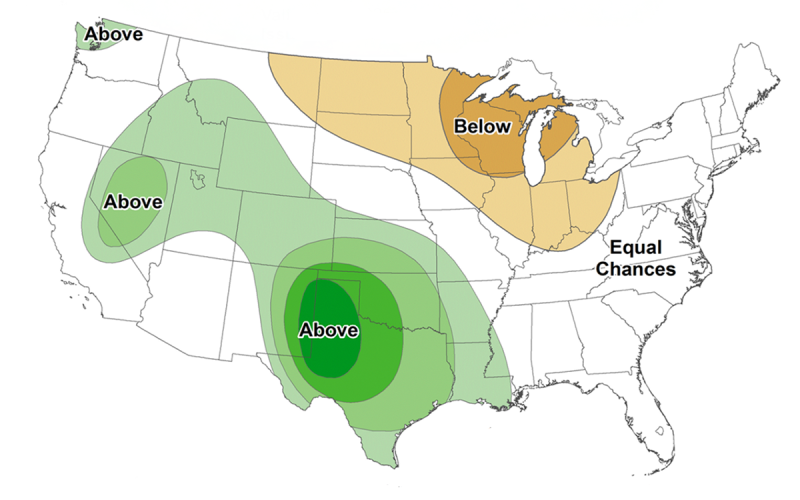
May 2025 Drought and Climate Update
Drought has plagued South Dakota since last year’s growing season. While producers welcome a spell of dry weather for planting spring crops at this time of year, recent moisture will not be enough to carry through the growing season.
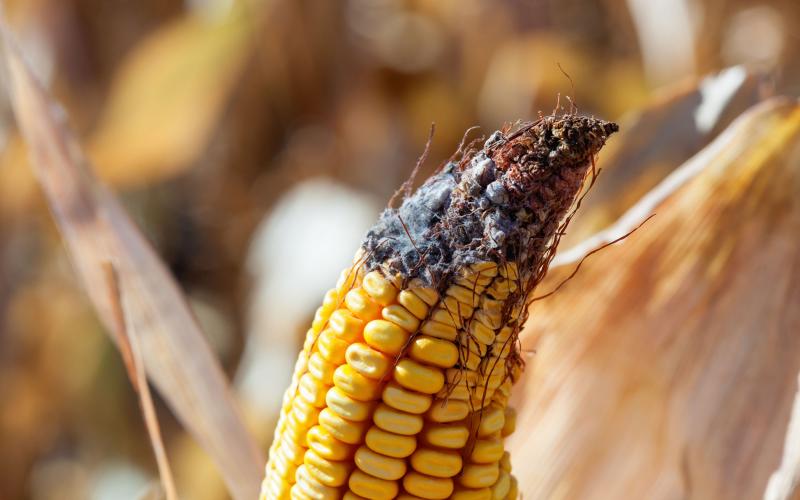
Can Livestock Utilize Moldy Grain?
While livestock producers know that moldy grain and forage are not ideal feedstuffs, they also know that stored feed occasionally contains a small amount of visible mold, and that their animals consume it with no obvious adverse effects. The question arises, how much mold is too much for a feed to be unsuitable for animals?

Broccolini Performance in Three Established Clover Living Mulches in Eastern South Dakota
Research report determining the impact of three established clover species on weed suppression, crop growth, and broccolini yield.
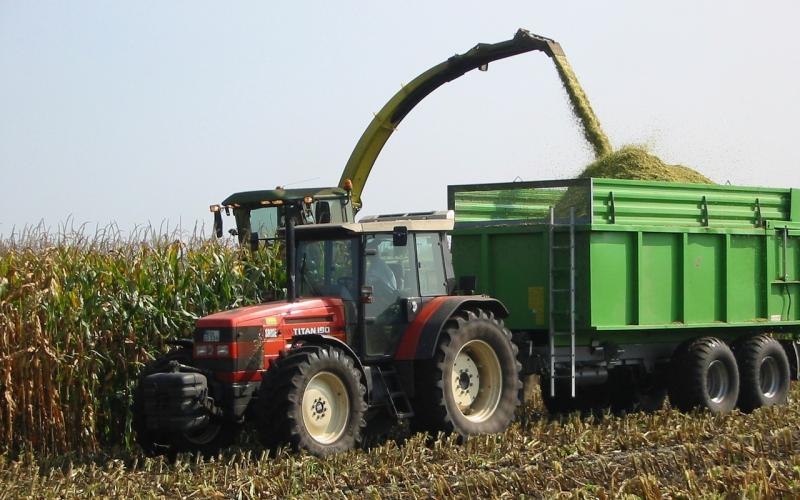
Video Series Offers Tips on Harvesting Failed Crops as Forage
August 24, 2021
To help producers navigate through these issues, SDSU Extension and the South Dakota Soil Health Coalition have recently released a new video series, “Salvaging Drought Stressed Crops.”