Search
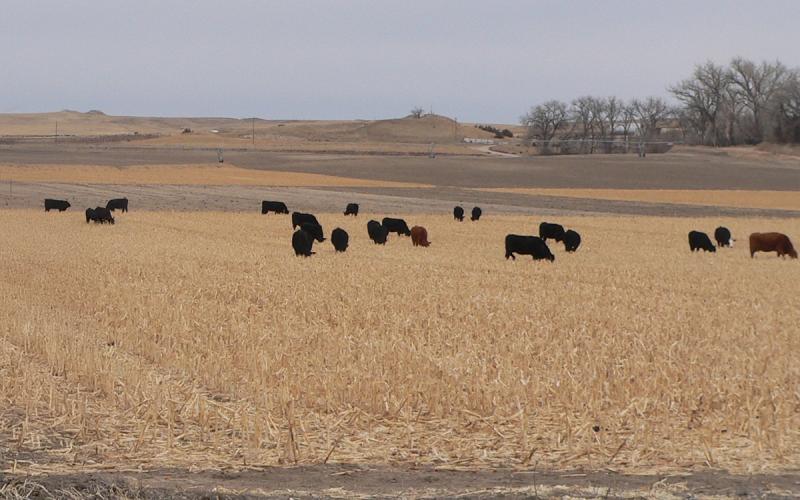
Why Cropland Grazing Now?
The evidence is consistent: cropland grazing delivers measurable economic returns, proven soil health benefits, and growing adoption in South Dakota.
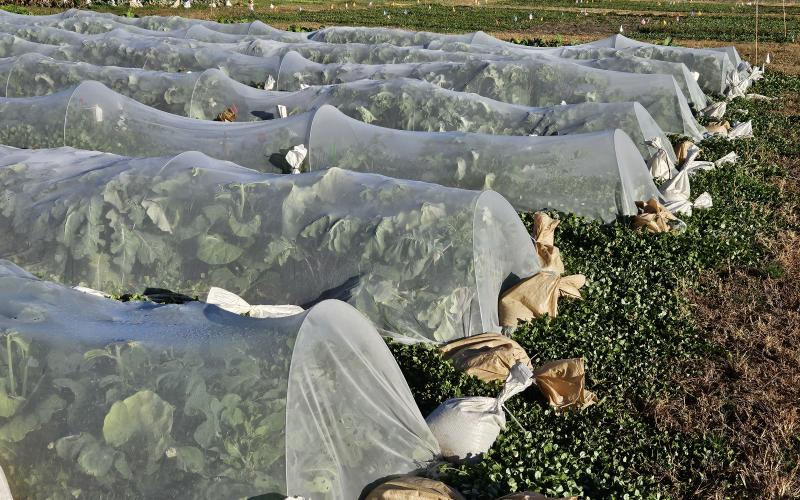
SDSU Extension to host virtual training series on vegetable production
January 16, 2024
The second annual South Dakota Virtual Vegetable Short Course topics will include cover crop integration, soil health improvement, weed management and integrated pest management for field and high tunnel production. The four-part educational series will take place via Zoom from 6 to 7:30 p.m. MT/7 to 8:30 p.m. CST on Jan. 22, 24, 29 and 31, 2024.
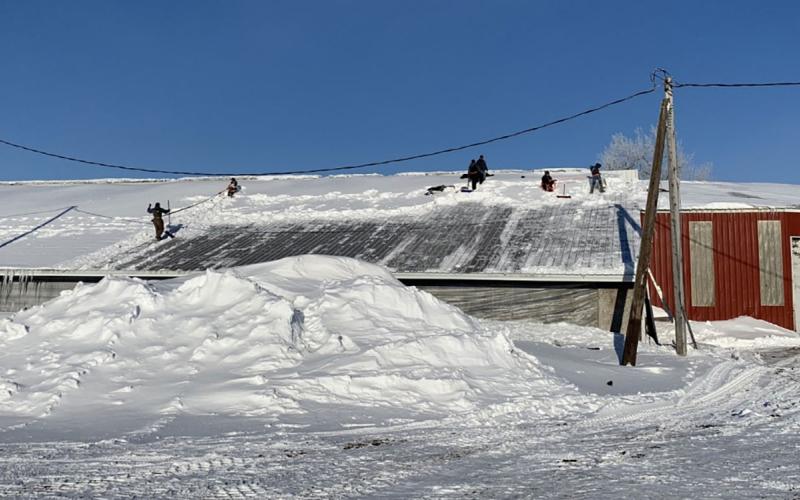
Post-Snowstorm Building Inspection and Snow Removal
Snowstorms can push even the sturdiest structures to their limits. Learn some expert tips for evaluating facilities, determining their snow load capacity, and safely removing snow during the aftermath of a blizzard.
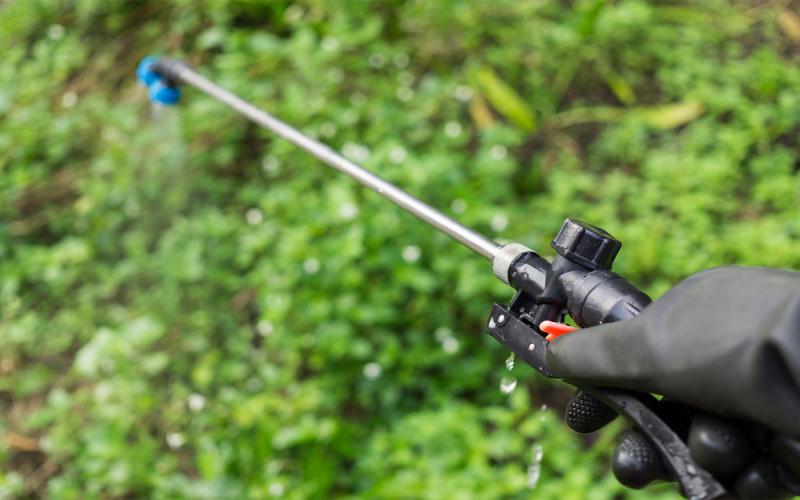
Organic Herbicides: Garden and Flower Bed Weed Control
Many South Dakota homeowners do not want to use inorganic or synthetic herbicides due to potential health impacts. Organic herbicides can be a useful tool for weed control when combined with other management practices.
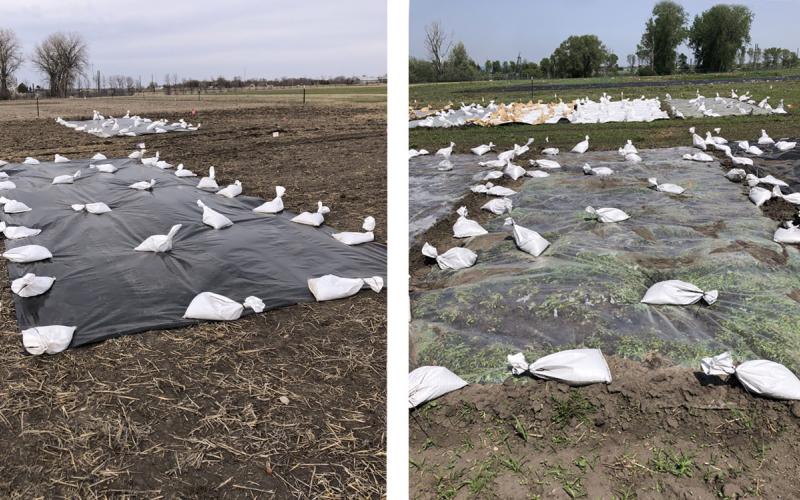
What is Soil Tarping and Why is it Used?
Soil tarping is a technique that uses large tarps to cover a growing space in order to reduce weeds and improve soil health before planting. Learn some expert insights into two commonly used soil tarping strategies.

2023 Evaluation of Newly Established Clover Cover Crops as a Living Mulch for Sustainable Broccoli Production in Eastern South Dakota
Research report on observing the performance of three different clover species used in a broccoli production system.
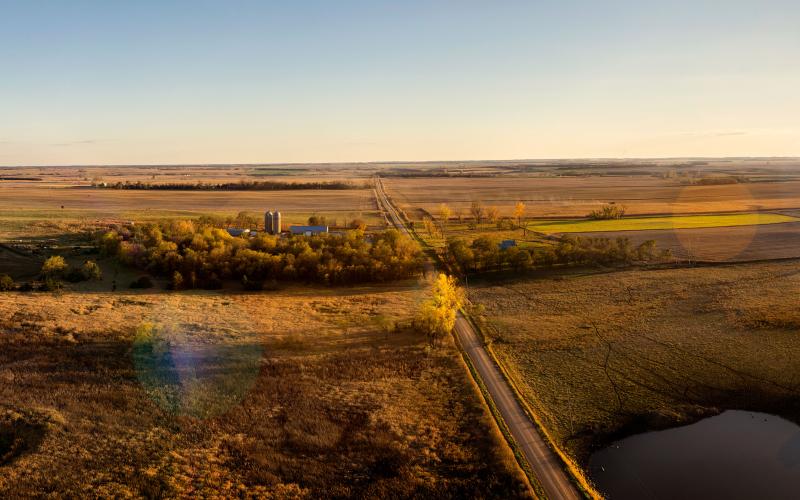
Cash Flow is Critical
Strong business management skills and systems do not go out of style in times of uncertainty. These skills will help the business work through downturns in commodity prices. Cash flow budget accuracy is critical in developing and controlling the business.
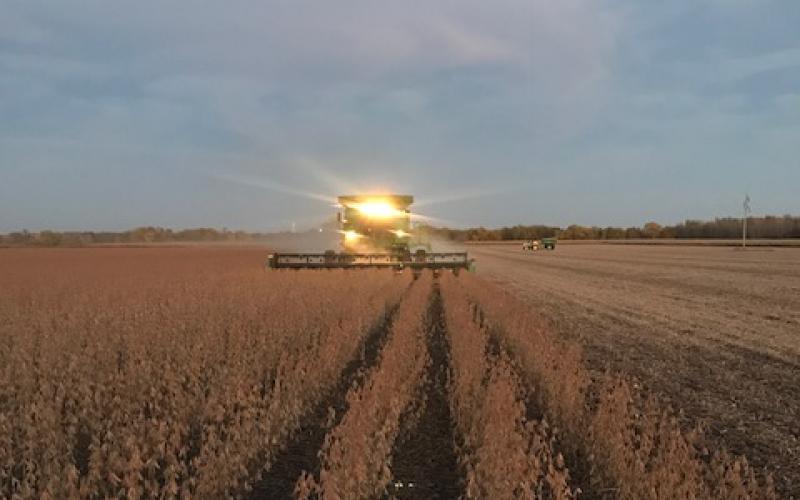
Field Studies: Blowing the Whistle on Marketing Claims
With technology surrounding today’s culture, data and marketing information has become a key part of life. The best way to determine if a product or practice is effective is to ask for the data and research backing a company’s claims. However, before a producer makes a decision, understanding the data and statistics is key.
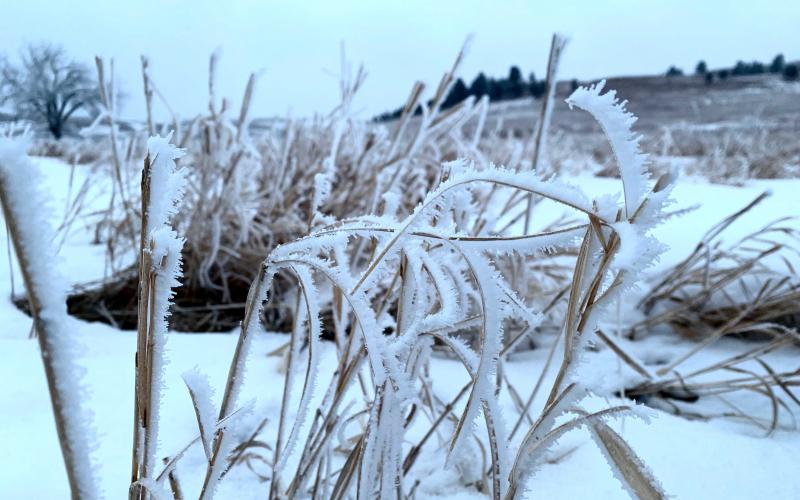
SWOT Analysis for Your Ranch (And Don’t Forget About Yourself)
Completing a SWOT (Strengths, Weaknesses, Opportunities, Threats) analysis allows you to evaluate your operation's current position and decide on management strategies to achieve your goals for the next year. Learn how to get started today!
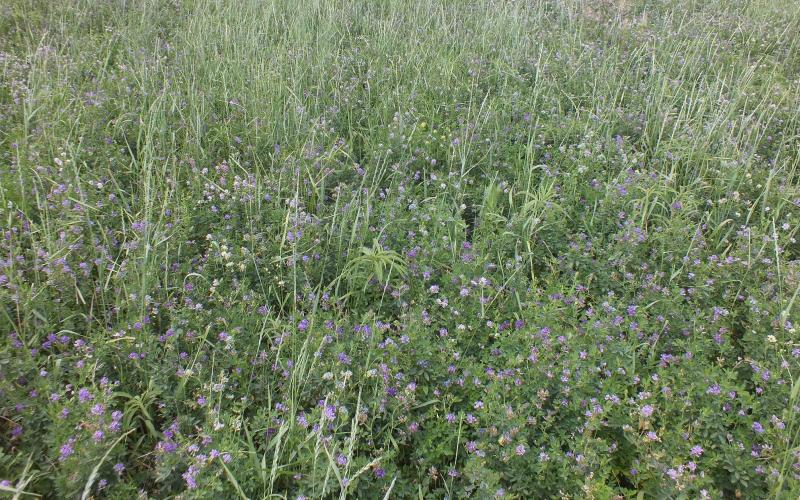
Precautions for Grazing Weevil-Infested Alfalfa
Alfalfa weevil populations are high this year, creating challenges for producers. Questions have arisen on how to get some value out of the forage by grazing it rather than putting it up for hay.