Search
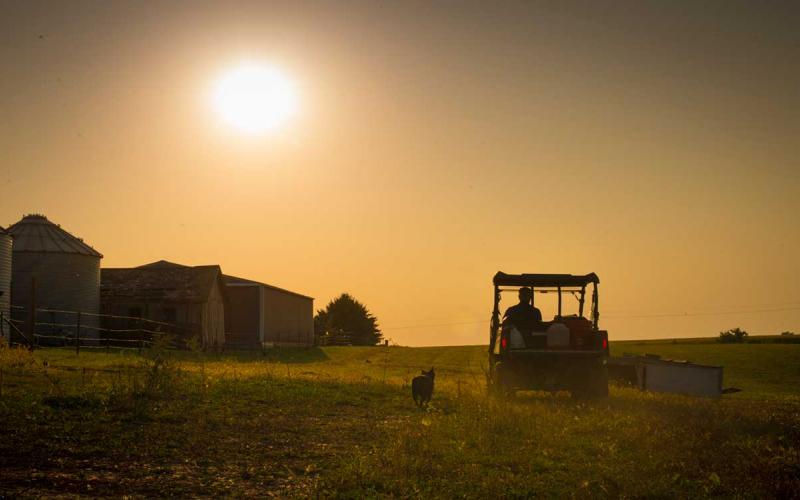
Use Caution When Fall Spraying Noxious Weeds in Pastures To Avoid Harming Desirable Plants
Noxious weed control is often a long-term process. In some cases, chemical application may be deemed necessary, but it should always be considered in the context of appropriate management and an integrated best management framework.
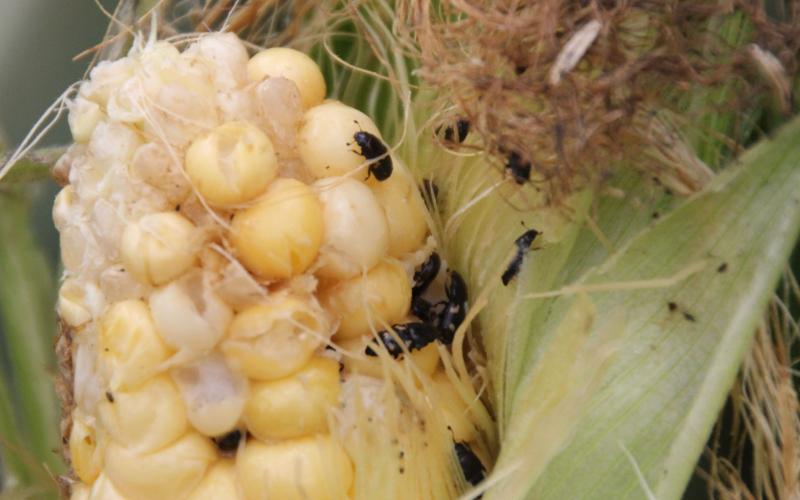
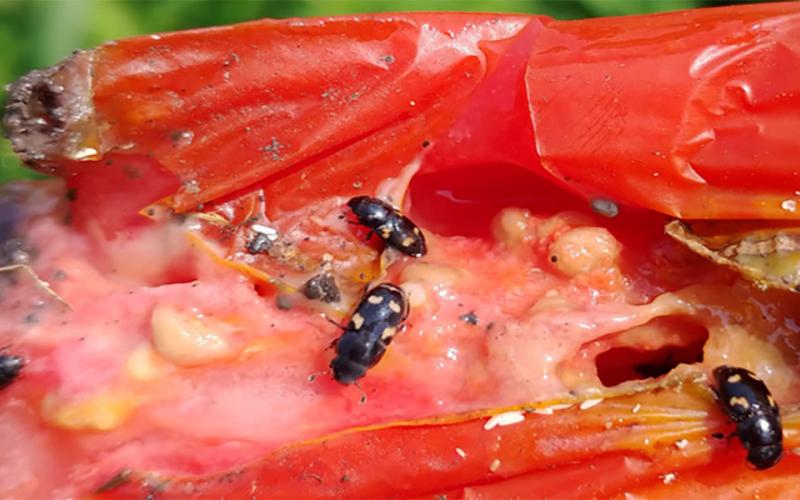
What’s Bugging Your Garden: Picnic Beetles
One of the most common garden insect questions I get asked is “what are those little black, spotted beetles that are in my sweet corn, tomatoes, raspberries and perhaps worst of all, in your beer! These little nuisances are called picnic or sap beetles. They are attracted to ripe or damaged fruit and vegetables.
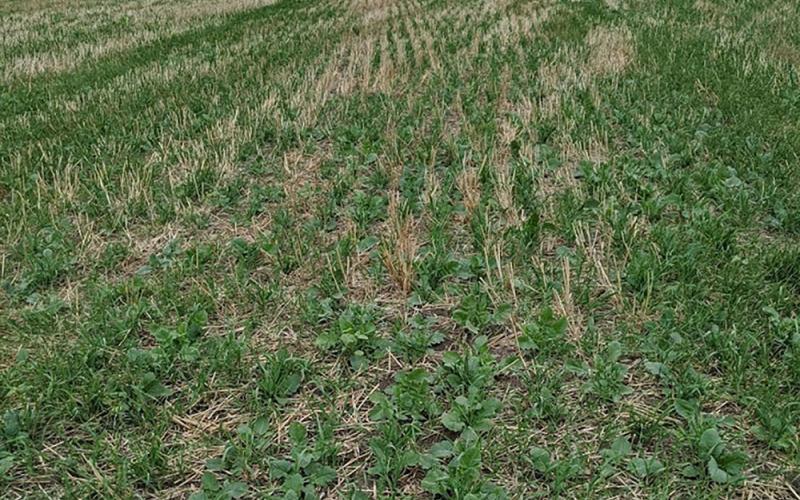
Cover Crop Considerations When Dealing With Soybean Cyst Nematode
With the soybeans being harvested a little earlier than usual this year, some producers are finding themselves making management decisions that include cover crops. For soybean producers dealing with soybean cyst nematode in their fields, selection of cover crops is important since some of these can be hosts for soybean cyst nematode.
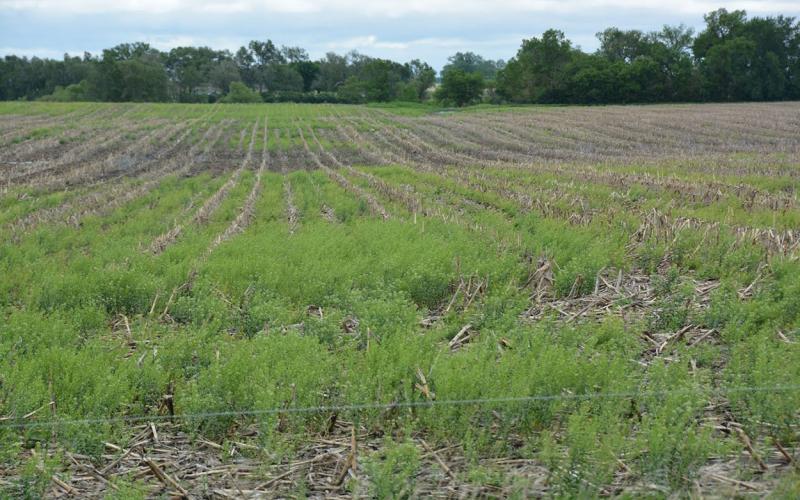
Soybean Cyst Nematode Management Plans Should Include Proactive Weed Management
While soybean cyst nematode can be managed through use of resistant varieties and crop rotation, presence of alternative weed hosts can negate the benefits of these practices by providing a host for soybean cyst nematode to continue to accumulate in the soil.
How Do I Keep Insects From Destroying My Garden Produce?
It is not unusual to see insects in a garden during the fall, but it can be frustrating to watch nearly ripe produce be destroyed by insects before it can be picked.
Herbicide Residual Effects on Cover Crops after Wheat
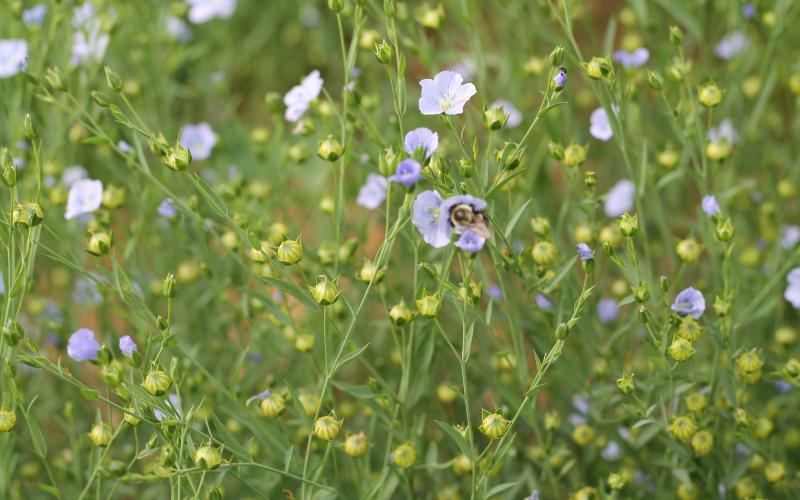
Fact sheet about herbicide residual effect on cover crops after wheat.

SDSU Extension Professionals Honored for Accomplishments
November 10, 2020
SDSU Extension professionals were recognized for a variety of achievements at the annual Fall Conference held virtually October 28-29.
Cotton Strip Soil Test: Rapid Assessment of Soil Microbial Activity in the Field
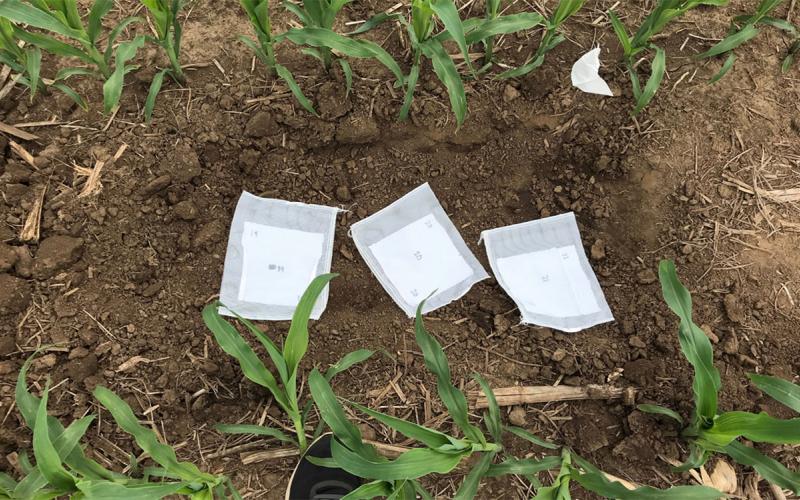
Soil has always been considered as a living system due to its biological components: fungi, bacteria and plant roots. Under several ongoing research projects, we started researching how we can use ‘cotton strip assay’ to compare different cover crop mixes to optimize field soil activity and build up better soil health.
How’s Life in the Soil? Ask (Count) the Earthworms.
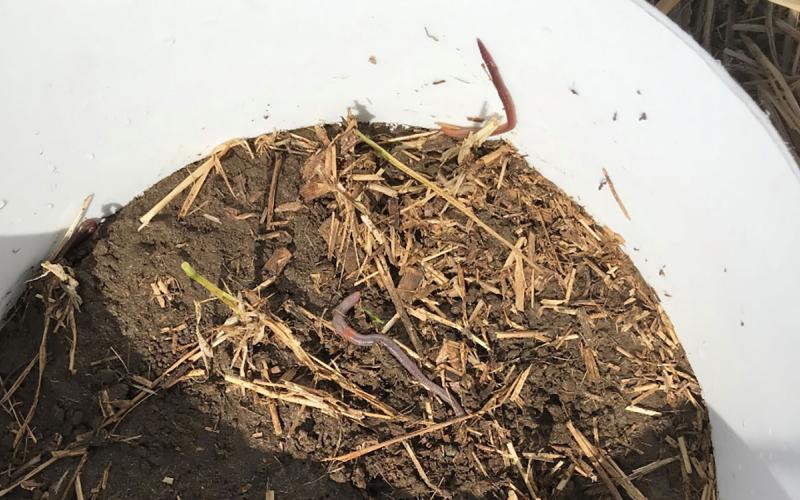
Earthworms are ‘very special’ creatures on earth, and their contribution in soil nutrient cycling and fertility management has been acknowledged from the beginning of agriculture. So, the question needs to be asked, how can we help improve earthworm populations?
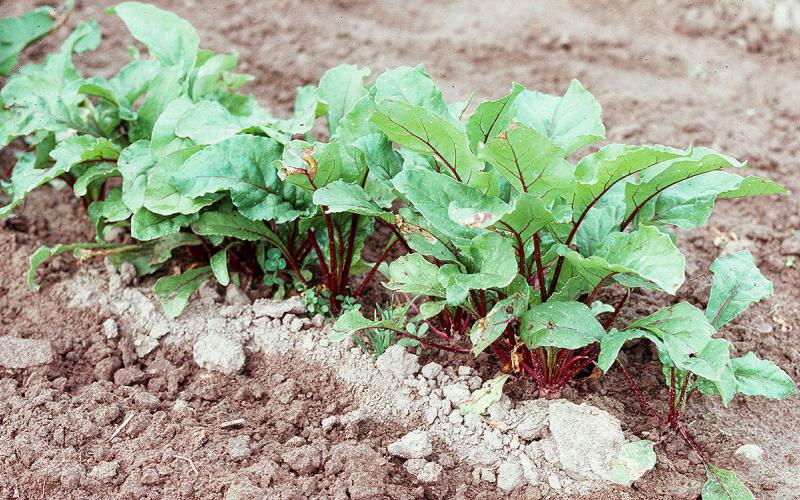
Beets: How to Grow It
Beets are commonly grown for their bulbous roots, but their tops can also be harvested for greens, and they are an excellent source of Vitamin A as well as calcium. They grow best in the cooler temperatures of spring or fall.