Search
The Fusarium Head Blight Prediction Tool
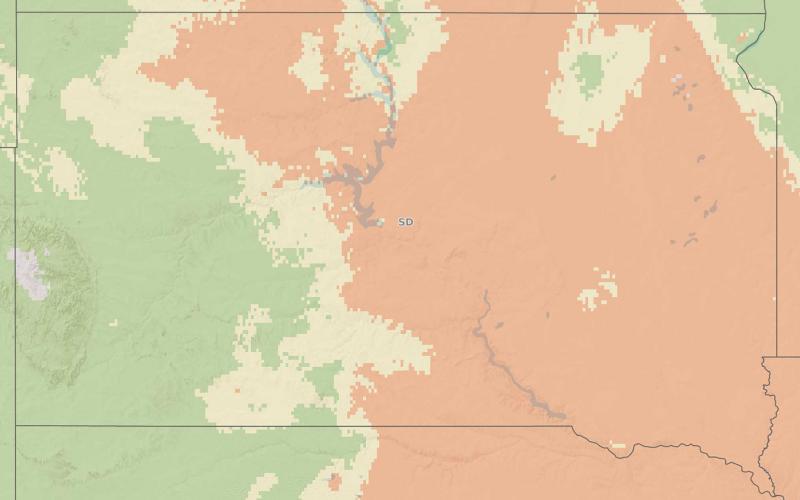
The Fusarium head blight prediction tool, available through Penn State University and Mesonet at SDState, uses weather variables to predict the risk for Fusarium head blight in wheat.

Understanding Hay Inoculants and Preservatives on ‘Dry’ Hay
As haying season approaches, producers across South Dakota will begin preparing to get out the baler. In recent years, it has been quite difficult for many producers to put up quality, dry hay. This often results in growers considering using inoculants and hay preservatives.
![A herd of cattle gather around a stock pond on a vast, lush grassland. Courtesy: USDA [CC BY 2.0]](/sites/default/files/styles/teaser_800x500/public/2019-05/W-00231-00-cattle-grazing-grassland-pasture-range.jpg?h=8f818b46&itok=6GS1_Ww0)
Range Improvements, Grazing Systems and Net Present Value, What is the Right Balance?
As farms and ranches across South Dakota continue to endure increasing costs of production while receiving less cash for grain and livestock marketed; ranch managers must be extra diligent when implementing new range improvements and grazing systems on their ranches.
What's That Vine?
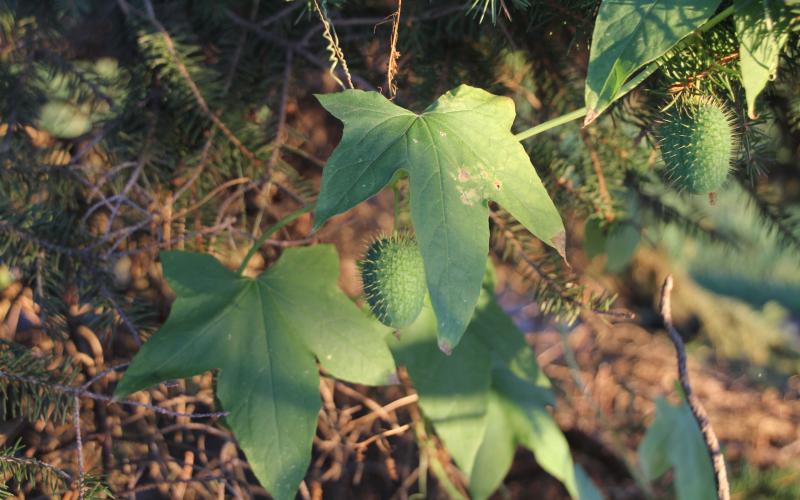
One of the most frequently asked questions that I have gotten recently refers to a vining plant that looks like it is going to take over the world, or at least a few trees in the yard or a section of a shelterbelt.

Watch for Seedcorn Maggots in Emerging Soybean
Of all of the potential early season pests, the seedcorn maggot is rarely an issue in South Dakota. However, we have started receiving reports of soybean fields that have poor emergence or seedling stand reductions occurring.
South Dakota Department of Agriculture Suspends All Sales and Application of Dicamba Product
June 08, 2020
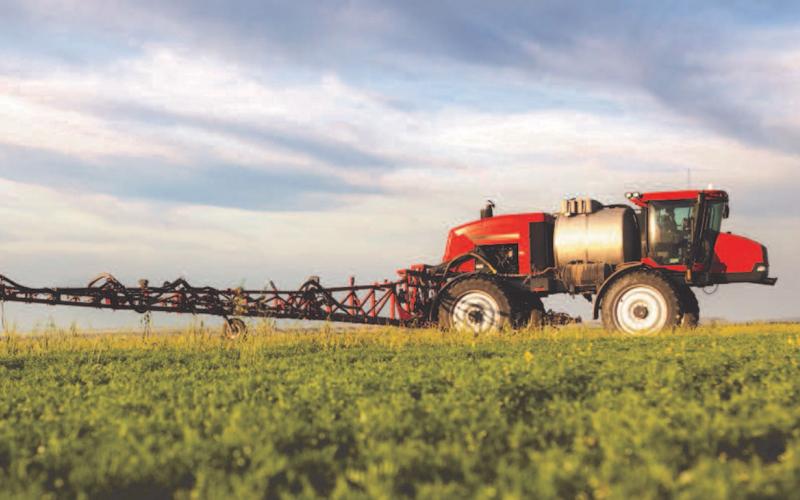
On June 3, the United States Court of Appeals for the Ninth Circuit issued a decision to vacate the registration of three Dicamba products including Xtendimax, Engenia, and FeXapan for over the top use on soybeans.
UPDATE: The Environmental Protection Agency Provides Further Guidance Regarding the Previous Suspension of All Sales and Application of Dicamba Products
June 10, 2020
On June 3, the United States Court of Appeals for the Ninth Circuit issued a decision to vacate the registration of three dicamba products including Xtendimax, Engenia, and FeXapan for over the top use on soybeans.
False Chinch Bugs Back Again
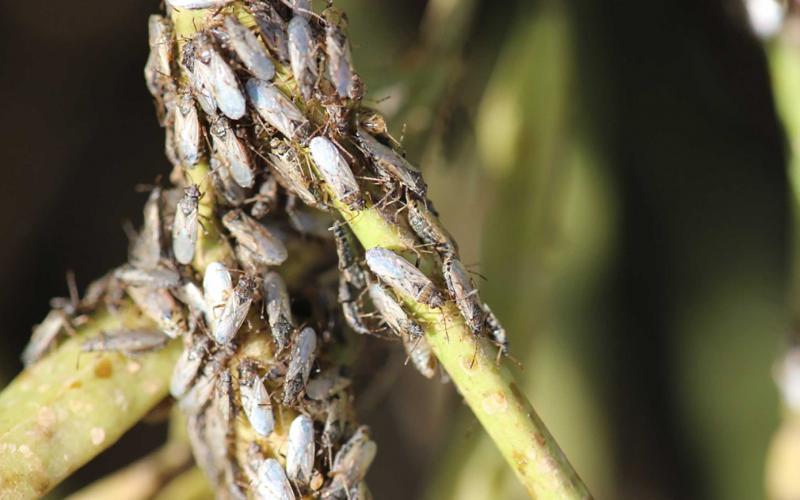
False chinch bugs are active yet again in South Dakota. Although they are normally only a nuisance pest, their populations can become magnified during cool, wet springs.
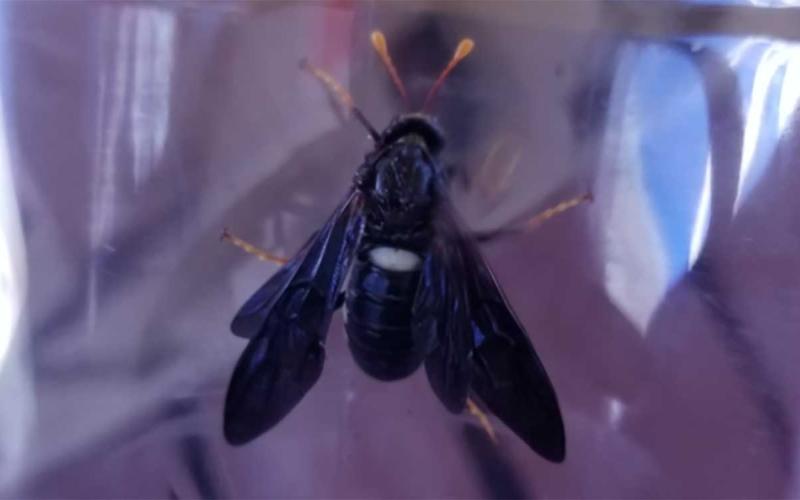
A fly? A hornet? Nope, it’s a sawfly!
This spring, there have been multiple reports of people seeing large fly-like insects in their yards. These insects are sawflies, and all reports thus far have been the elm sawfly (Cimbex americana).
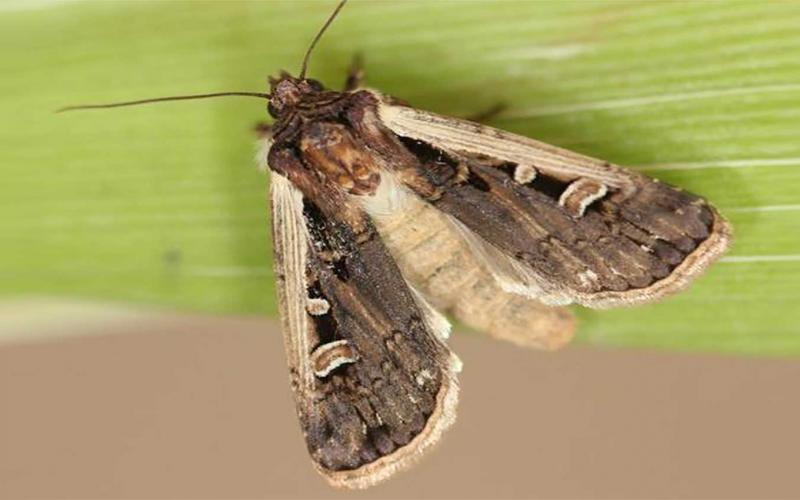
Western Bean Cutworm Moths Observed in South Dakota
Over the weekend, South Dakota experienced strong southerly winds, which brought warm temperatures to the state. In addition, these winds also brought insect pests north, which included moths of the western bean cutworm.