Search
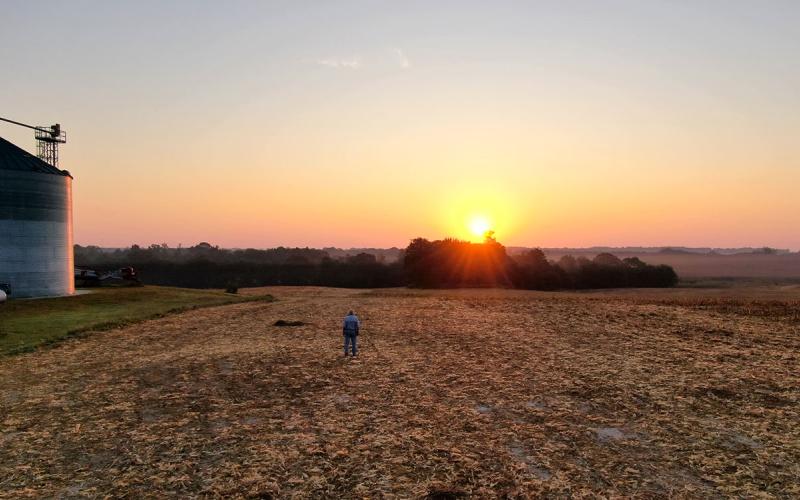
Does the GREET Carbon Model Address Soil Health Principles?
Learn how the recent Greenhouse Gases, Regulated Emissions, and Energy Use in Technologies (GREET) production model lines up with the Five Soil Health Principles.
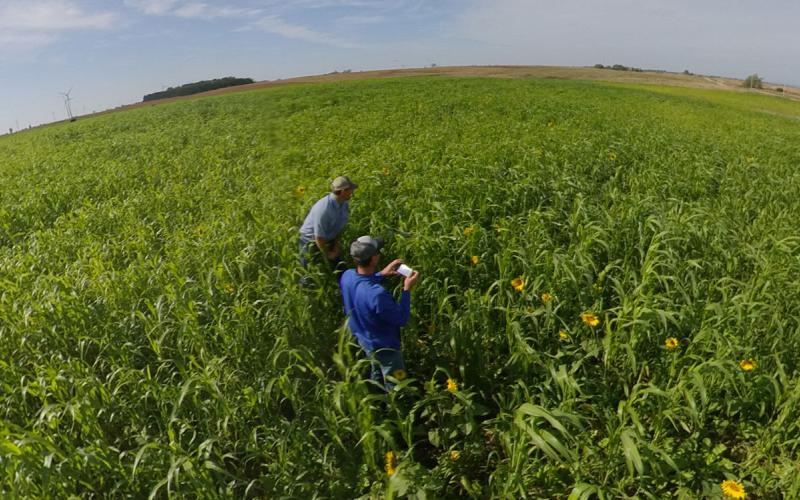
Does the COMET Carbon Model Address Soil Health Principles?
The COMET-Farm model, developed by USDA/NRCS and Colorado State University, is a whole farm and ranch carbon and greenhouse gas accounting system. Learn how it addresses the Five Soil Health Principles.
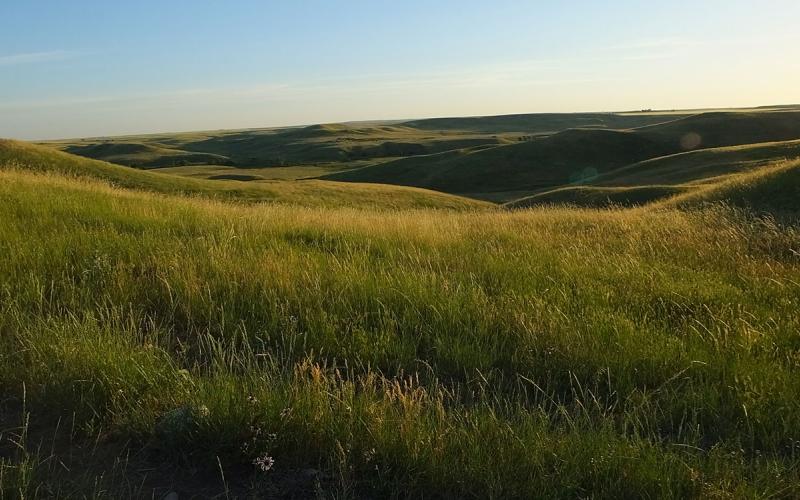
Range Beef Cow Research: Rangeland Soil Health
For rangelands to maintain productivity and produce adequate levels of forage, soil health must be sustained and function properly.
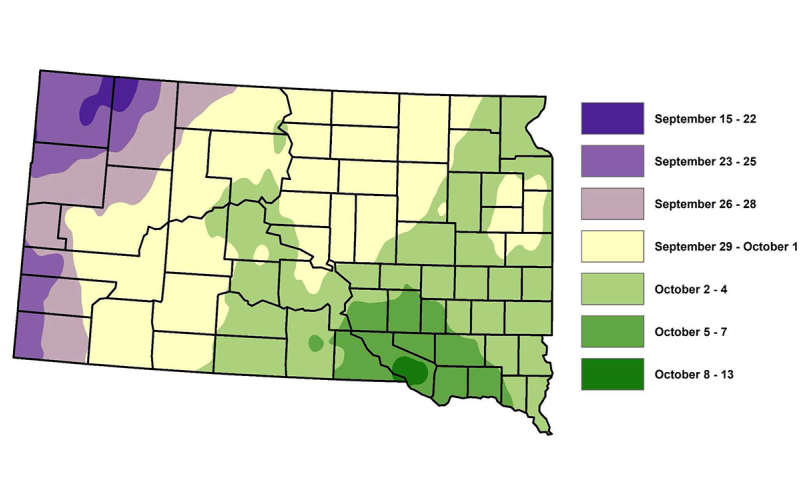
First Fall Frost Dates
The first fall frost often marks the end of the growing season, and many garden plants may not survive the freezing temperatures. Learn about some available tools we can use to predict the first fall frost dates around the state.
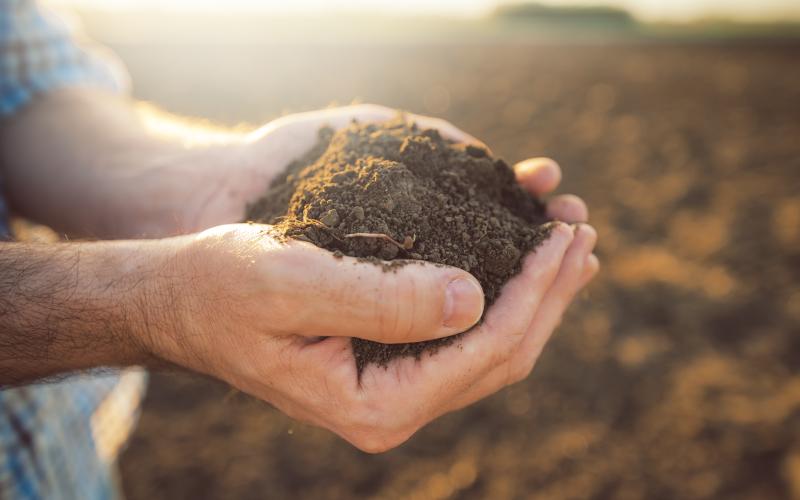
Transitioning to Soil Health Systems in Eastern South Dakota Intended for beginners: Where do I start?
Fact sheet for beginners on where to start transitioning to soil health systems in eastern South Dakota.

Where do floodwaters go and what do they leave behind?
Understanding the pathways and impacts of receding floodwaters is crucial for effective flood management and recovery efforts.
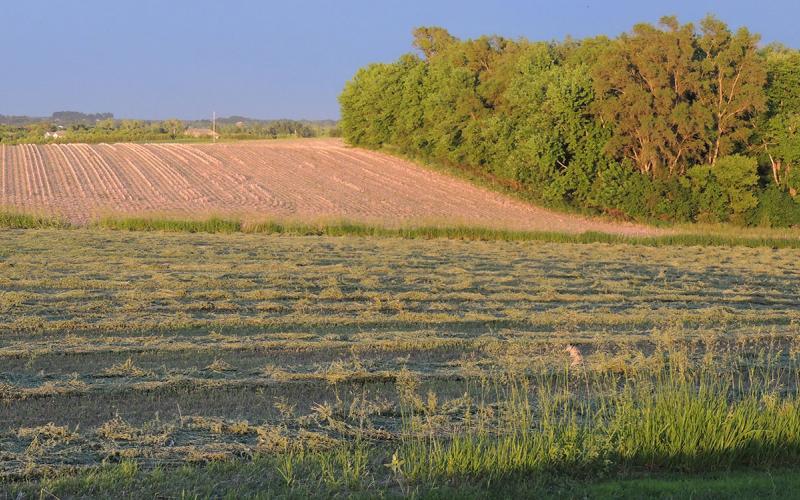
Forage Resources for South Dakota Farmers and Ranchers
Producers often have difficulties locating fellow producers to buy, sell or rent forages and grazing acres too. South Dakota now has two widely recognized, free resources to aid in these connections.
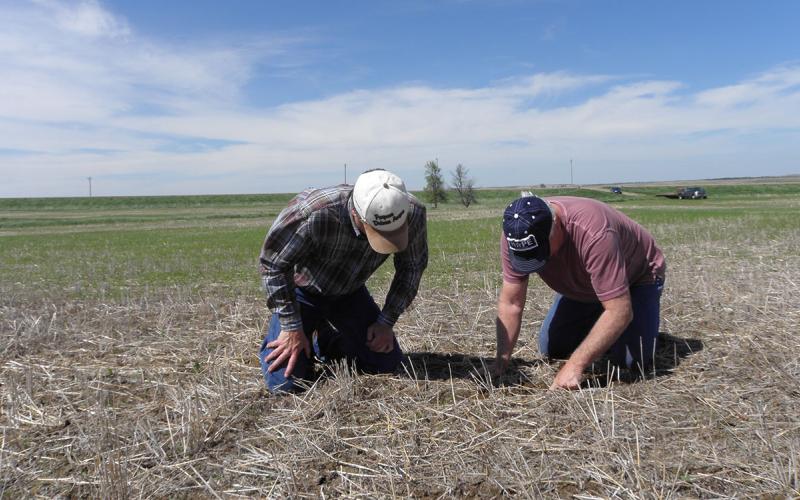
Gearing Up for the Grazing Season: Soil Health
Grazing season is around the corner and preparation before turning out is key. Understanding the intersection between soil health and grazing can help improve the function of your grazing system.
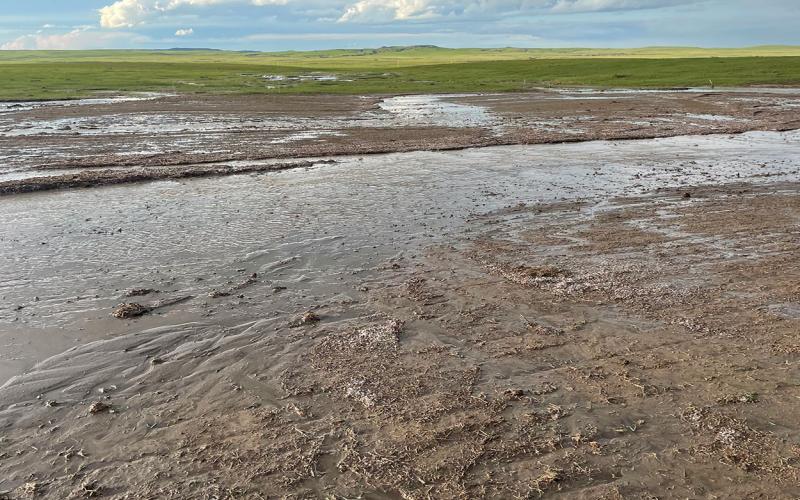
Five Range Management Principles: #4 Residual Forage
Residual forage is the amount of green leaf left after a grazing event. Understanding its importance can help producers capitalize on the symbiotic relationship that occurs when soil health is front and center on rangelands.
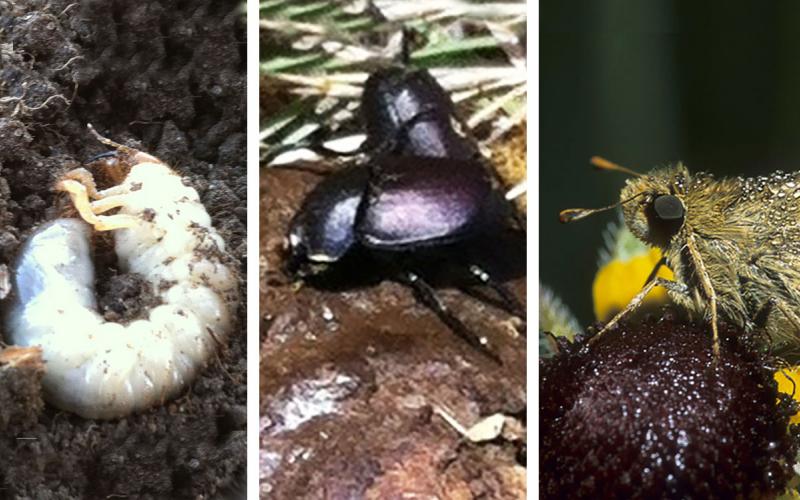
Rangeland Insects Are Critical Indicators of System Health
Insects, in general, may offer more indication of rangeland health than any other type of organism. They serve as key building blocks that other organisms depend on.