Search
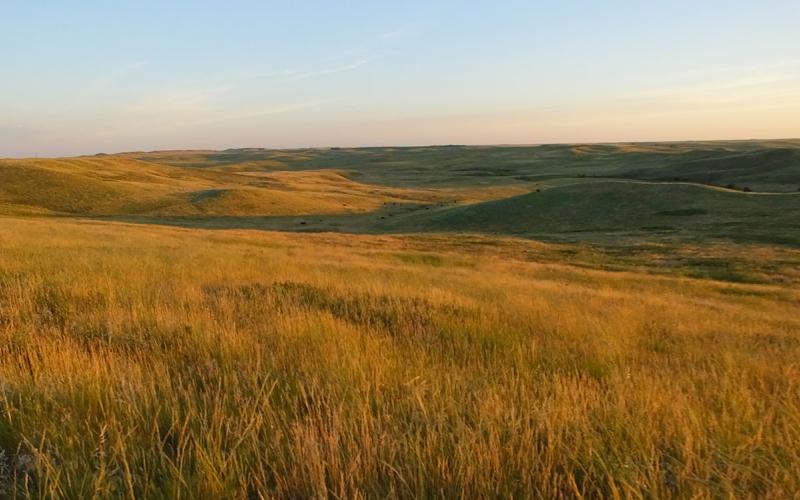
SDSU Extension invites public to 2026 SD Grasslands Summit
February 05, 2026
South Dakota State University Extension is inviting everyone interested in grasslands to attend the 2026 South Dakota Grasslands Summit on March 3-4 in Mitchell.
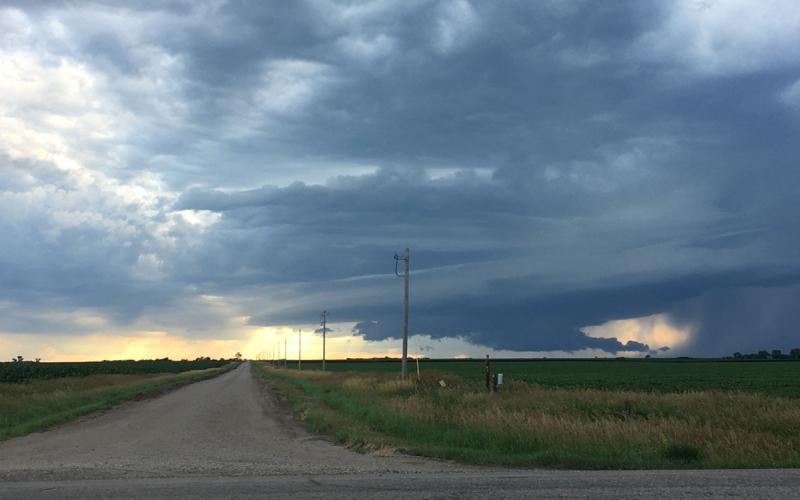
Summer Severe Weather Safety
Hail, high winds, heavy rain, lightning, tornadoes. These weather phenomena are common during South Dakota summers. Stormy weather can be beautiful to see, especially in our evening skies, but it can also be dangerous or life-threatening.
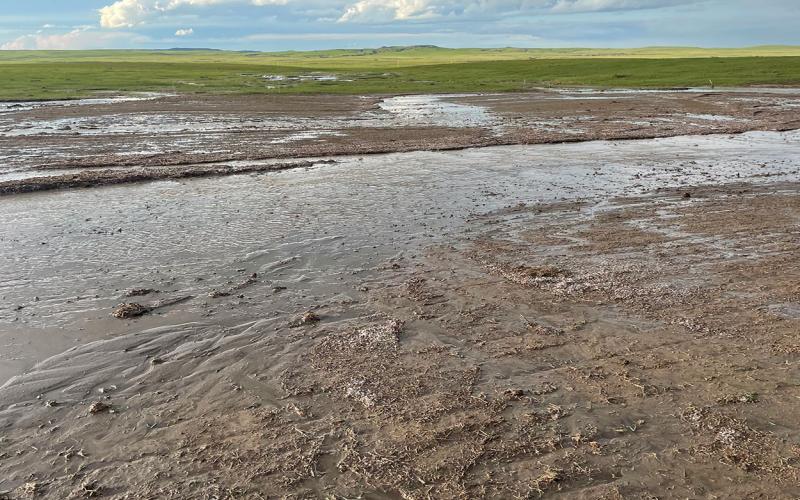
Five Range Management Principles: #4 Residual Forage
Residual forage is the amount of green leaf left after a grazing event. Understanding its importance can help producers capitalize on the symbiotic relationship that occurs when soil health is front and center on rangelands.
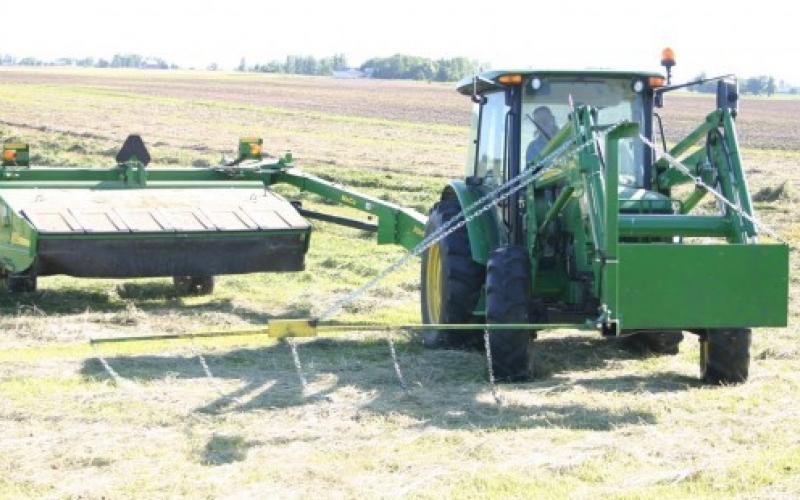
Haying With Wildlife in Mind
Anyone who has spent time cutting hay knows that hayland can be a magnet for wildlife in late spring and early summer. Hay fields are often considered an “ecological trap” for wildlife; that is, they appear to be high quality habitat for nesting or feeding due to tall, dense grass and legumes, but often lead to increased mortality once harvesting is under way.
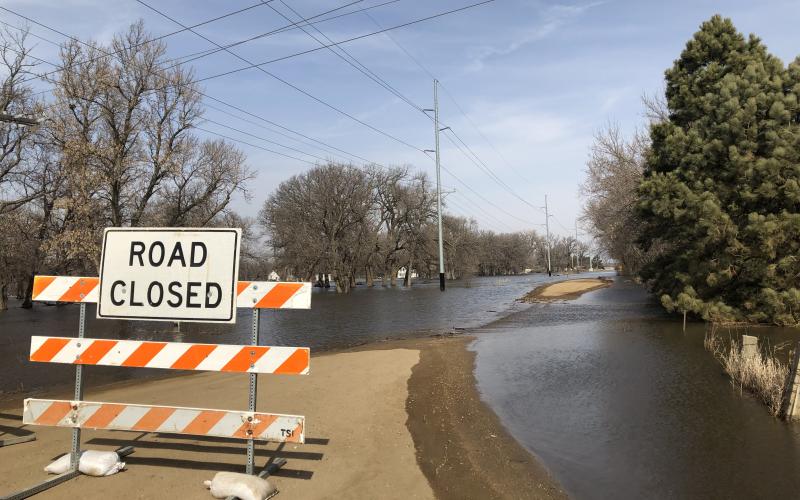
Floods Continue With a Wet Outlook
As April unfolds, major flooding continues along the Eastern rivers. The James River is at crest in Brown county the first week of April and will slowly recede while maintaining flood level for much of April.
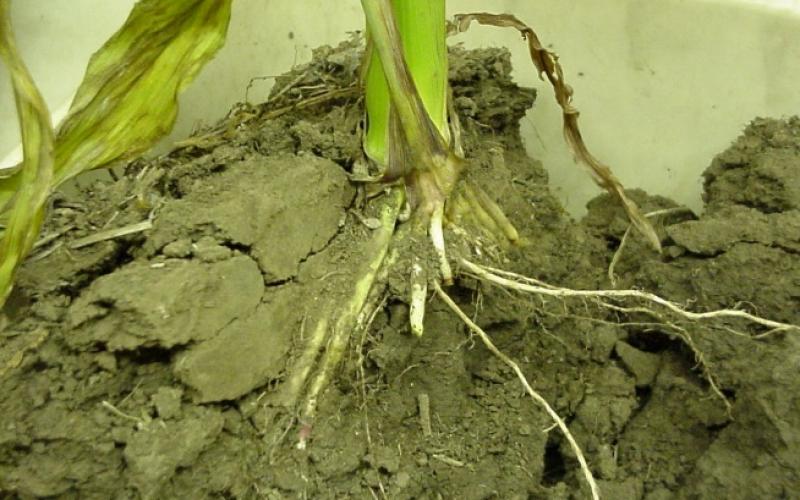
Planting Into Wet Soils
It is evident that there are high chances of planting into wet soils this spring. This is not a good decision when normal soil conditions appear to be attainable, but this year we may not have a choice.
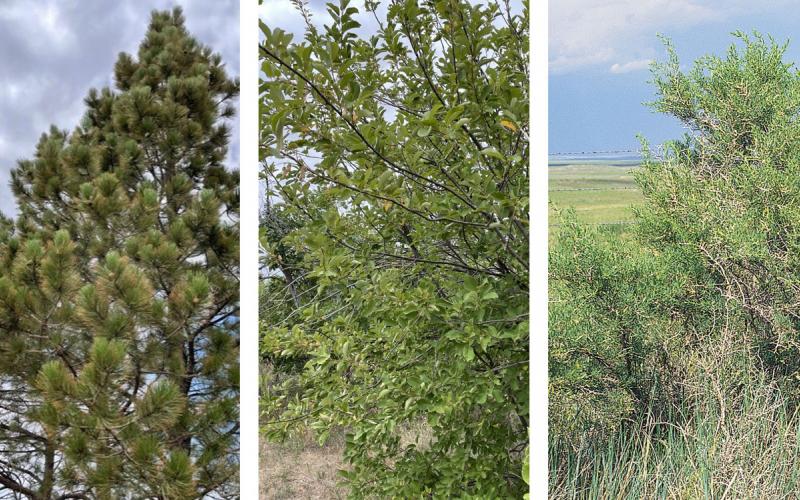
Poisonous Plants on Rangelands: Woody Species
Several woody plant species that are poisonous to livestock are found throughout South Dakota rangelands, including ponderosa pine, chokecherry, greasewood and broom snakeweed.
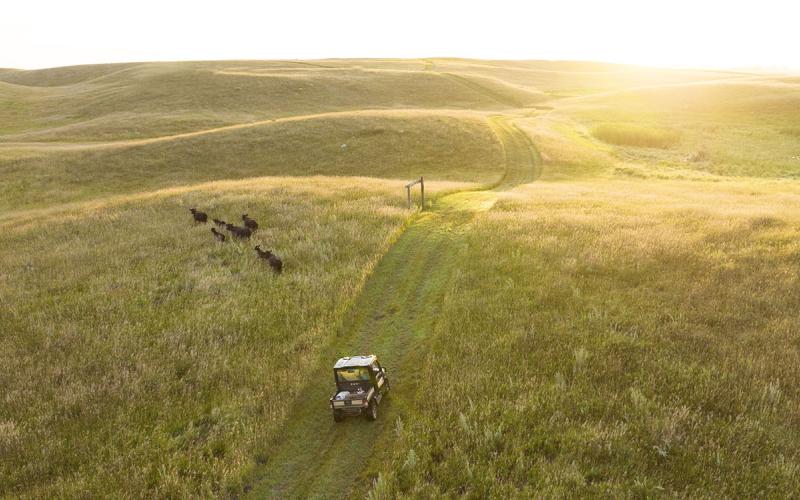
Holistic Ranch Management Helps With Economic and Climate Resilience
Holistic ranch management offers ways to think about ranching as part of a diverse ecological system. Learn how two South Dakota operations have leveraged it to generate multiple income streams from shared resources.
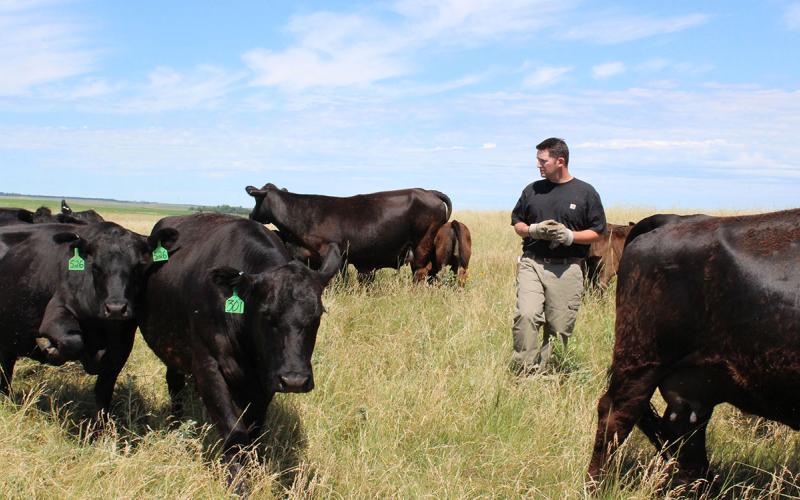
Management-Intensive Grazing Plays a Key Role in Expanding Grass-Based Agriculture
By improving livestock carrying capacity and reducing feed costs, grazing strategies at greater management intensity have the potential to improve grass-based livestock production profits.
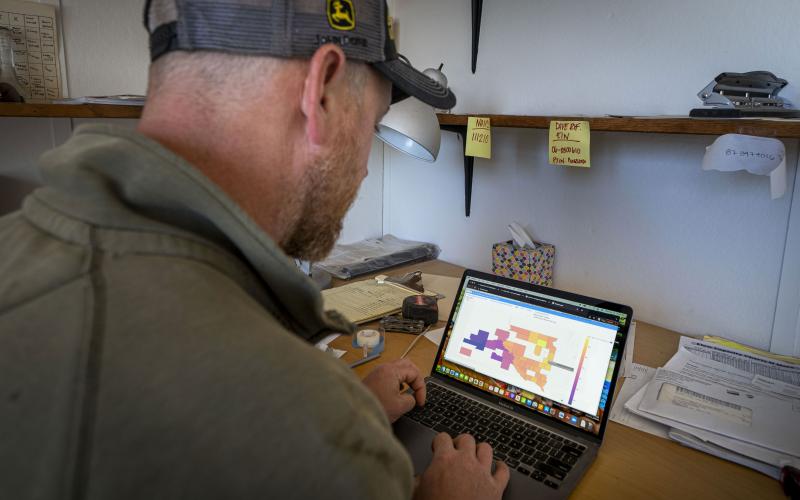
South Dakota Ag Land Income Tracker
The South Dakota Ag Land Income Tracker is designed to estimate and display changes to the annual revenue per acre derived from standard agricultural practices on an average, unimproved cropland acre in South Dakota counties.