Search
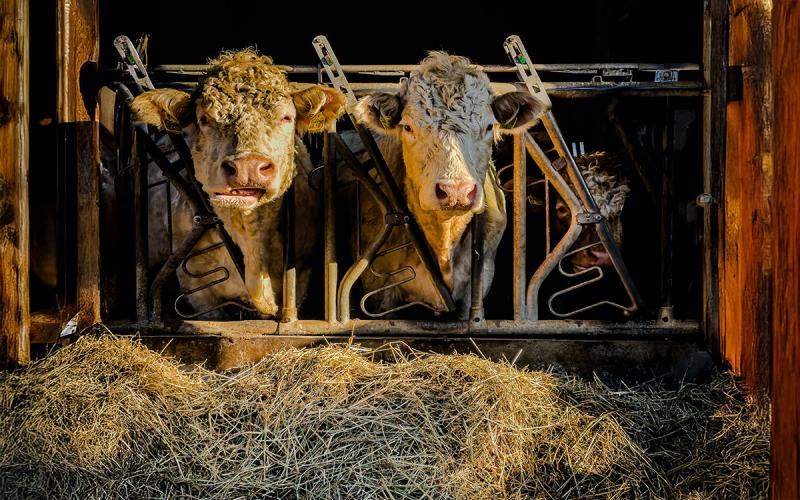
Feed Management for Efficient U.S. Livestock Systems: Introducing the National Animal Nutrition Program’s Feed Management Committee
The National Animal Nutrition Program’s Feed Management Committee brings together experts in animal science, nutrition, and natural resource management to increase awareness and use of livestock feeding management and to address conservation needs.
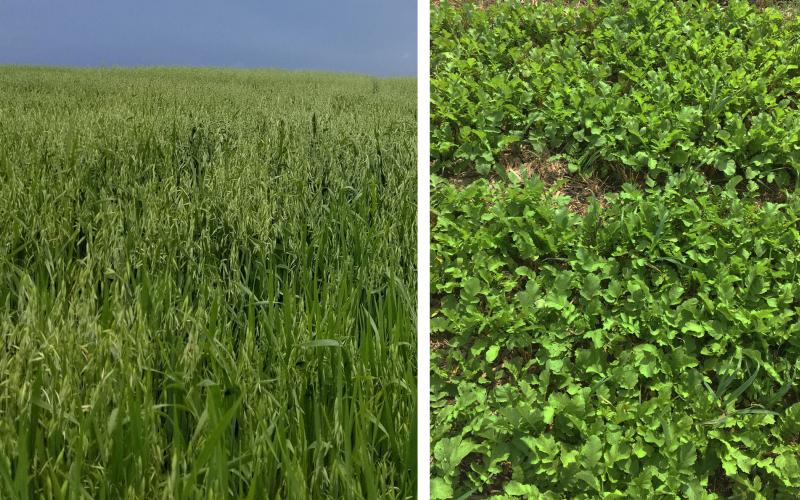
Herbicide Interactions With Cover Crops After Oats
After oats have been harvested, options exist to keep a living root in the soil. This can be done through growing cover crops. In 2018 an on-farm trial was preformed near Salem, South Dakota to observe how cover crops grown after oats would germinate after common herbicides had been applied.
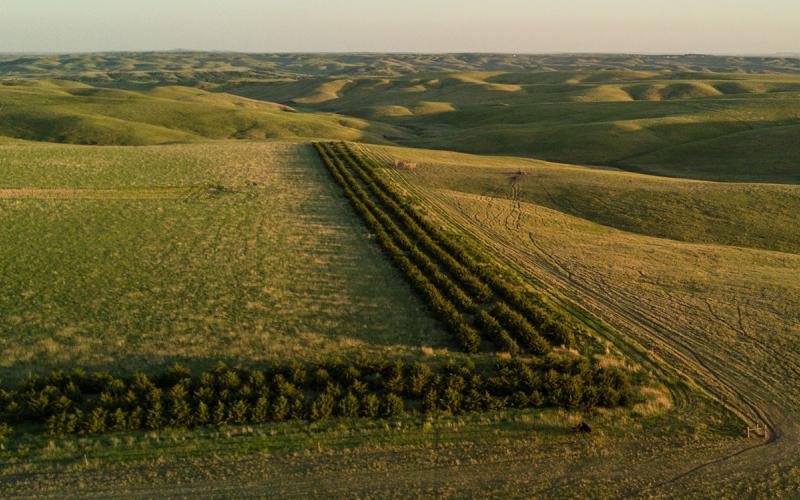
SDSU Extension professionals win range management awards
February 12, 2024
Two South Dakota State University Extension experts have received awards from the Society for Range Management for their contributions to range science education and outreach.
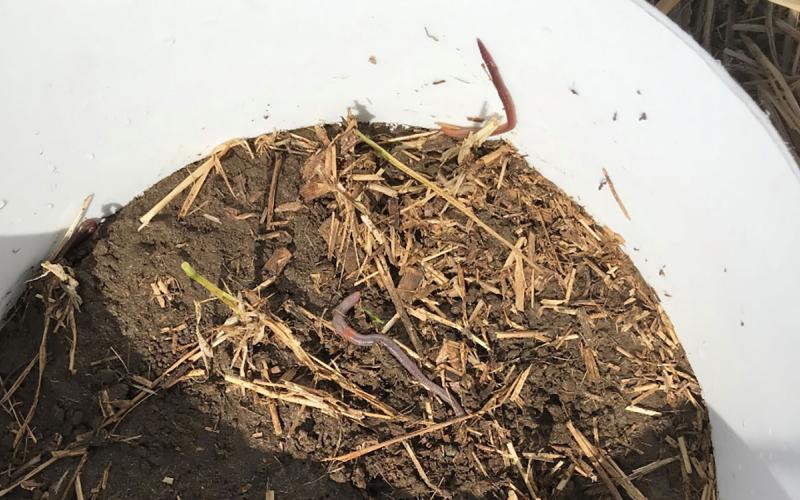
How’s Life in the Soil? Ask (Count) the Earthworms.
Earthworms are ‘very special’ creatures on earth, and their contribution in soil nutrient cycling and fertility management has been acknowledged from the beginning of agriculture. So, the question needs to be asked, how can we help improve earthworm populations?
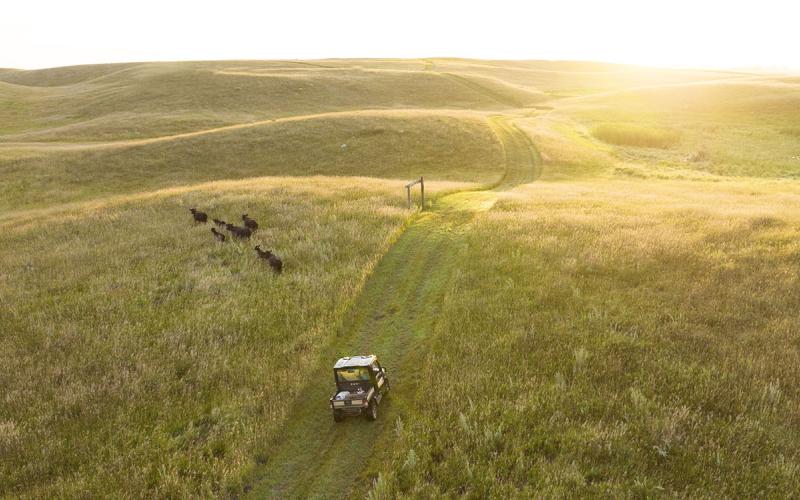
Grassland Management School
Landowners learn the art and science of grassland restoration and management through Grassland Management Schools.
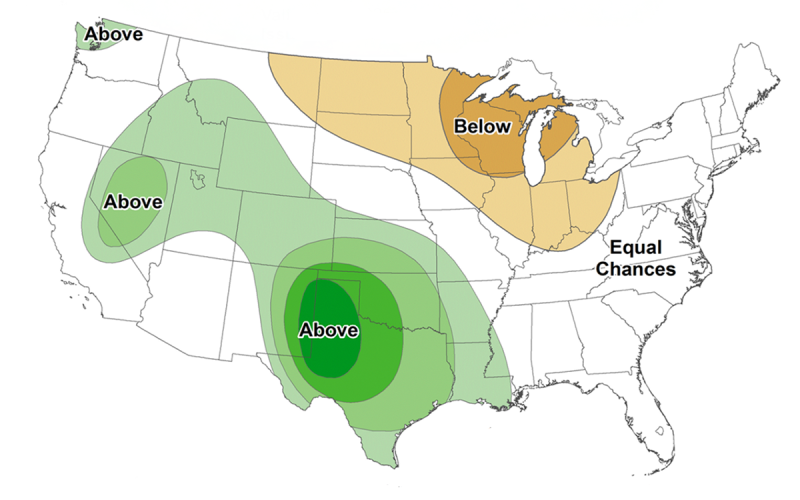
May 2025 Drought and Climate Update
Drought has plagued South Dakota since last year’s growing season. While producers welcome a spell of dry weather for planting spring crops at this time of year, recent moisture will not be enough to carry through the growing season.
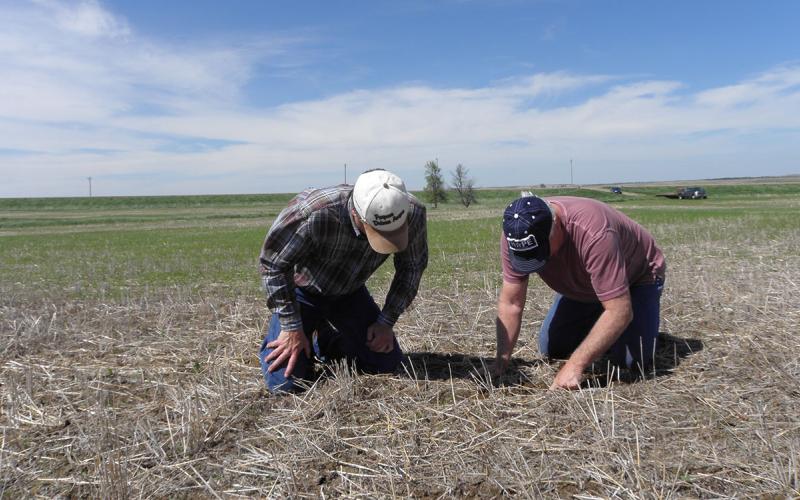
Gearing Up for the Grazing Season: Soil Health
Grazing season is around the corner and preparation before turning out is key. Understanding the intersection between soil health and grazing can help improve the function of your grazing system.
![A green tractor planting seeds in a no-till field. Courtesy: United Soybean Board [CC BY 2.0] via Flickr](/sites/default/files/styles/teaser_800x500/public/2019-10/W-00433-00-no-till-planting-soybeans-field.jpg?h=b2774bcf&itok=4KjGmXKP)
Farm Practices That Improve Soil Health: Crop Rotations and No-Till
Implementing crop rotations and no-till practices are common suggestions to reduce erosion, control pests, and improve yields. These practices can also improve soil health through an increase in soil carbon levels.
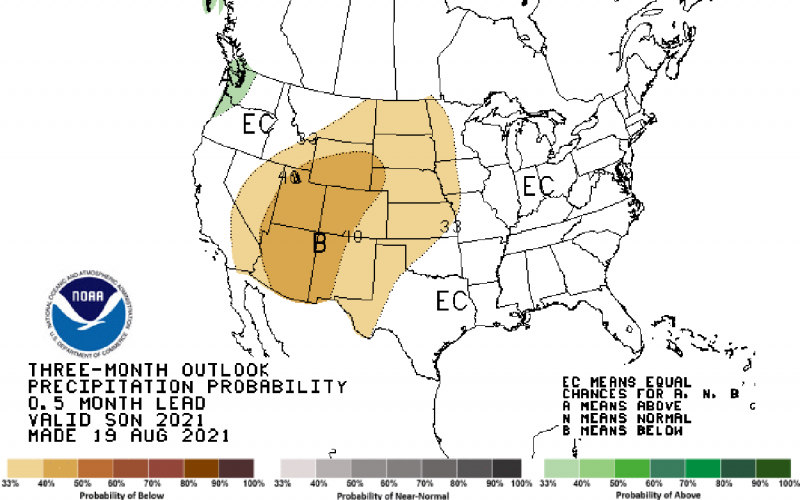
Fall 2021 Climate and Drought Outlook
The National Oceanic and Atmospheric Administration Seasonal Climate Outlook, released Aug. 19, 2021, projects drought conditions to continue through the fall season.
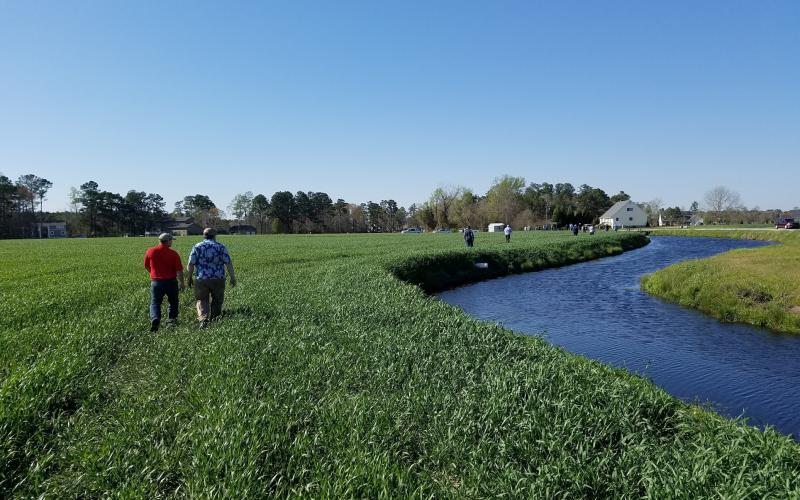
SDSU Extension co-hosting regional water, drainage forum
August 08, 2025
South Dakota State University Extension is pleased to announce the 2025 Tri-State Drainage Research Forum on Sept. 9-10 at McCrory Gardens in Brookings.