Search
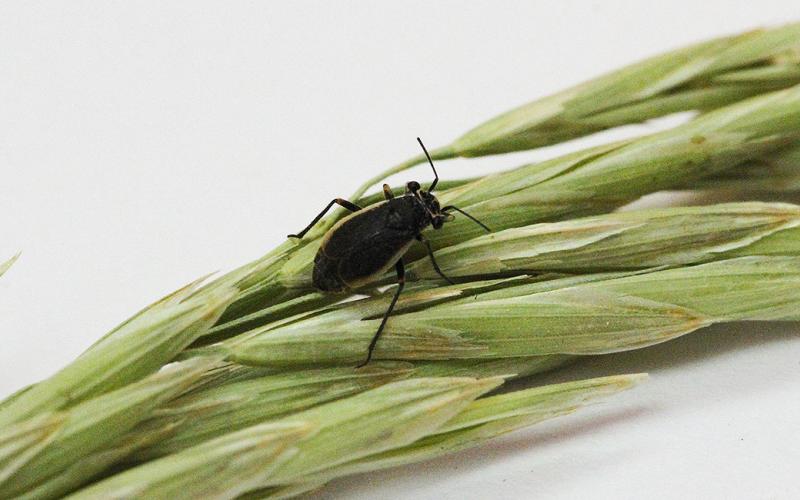
Black Grass Bugs May Cause Issues if Drought Persists
In western South Dakota, black grass bugs are a common spring forage pest that can cause considerable damage during periods of drought. Learn how to monitor and manage this pest to protect your forages this spring.
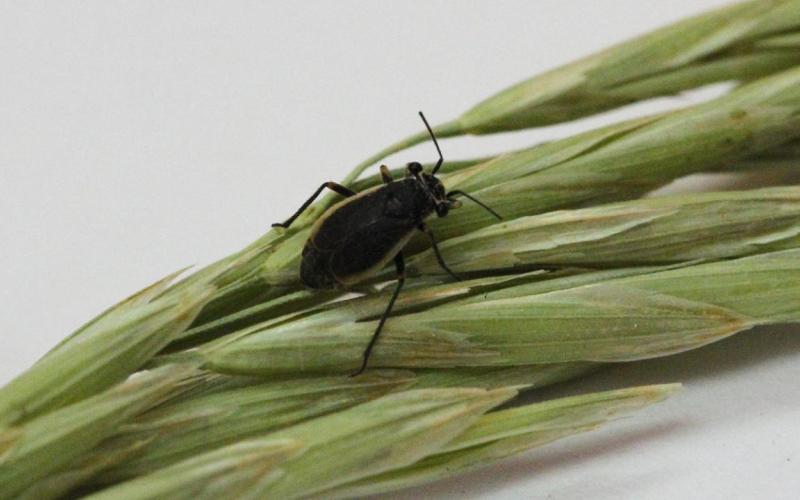
Keep an Eye on Black Grass Bugs This Spring
In South Dakota, black grass bugs are a common spring pest of forage grasses. This native insect first appears in late April and May when grasses emerge from dormancy.
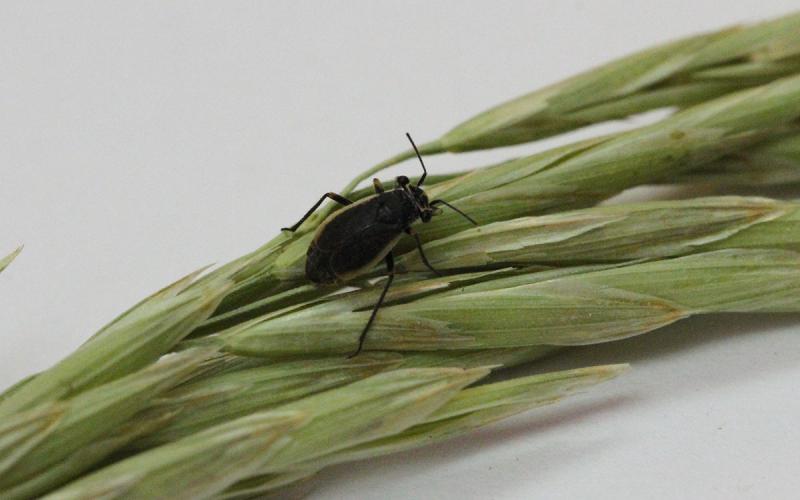
Drought Conditions Magnifying Impact of Black Grass Bugs
Black grass bugs are a common early-season pest of forage grasses. Drought conditions exacerbate their impact by stressing plants and reducing their ability to tolerate and recover from feeding injury.
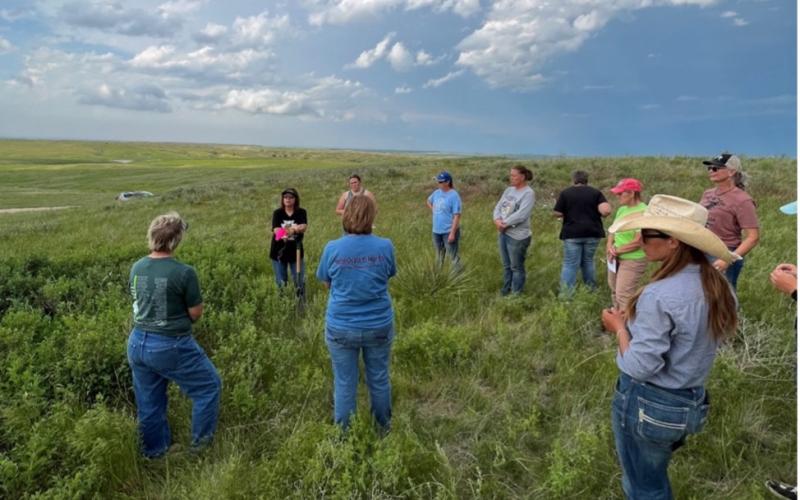
White River ‘Pasture Chat’ offers unique experience for women in agriculture
September 17, 2025
South Dakota State University Extension’s new “pasture chat” event provided a unique experience for women involved in agriculture in the White River region.
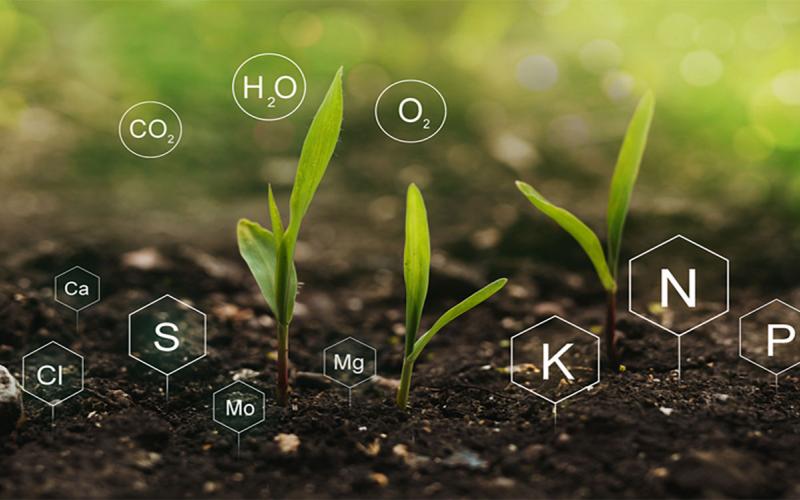
Interpreting Soil Tests for Gardening
There are many different chemicals that make up plants. These chemicals include hydrogen, carbon, oxygen, nitrogen, phosphorus, sulfur, calcium, magnesium, iron, manganese, copper, boron, zinc, molybdenum, cobalt, and chlorine.
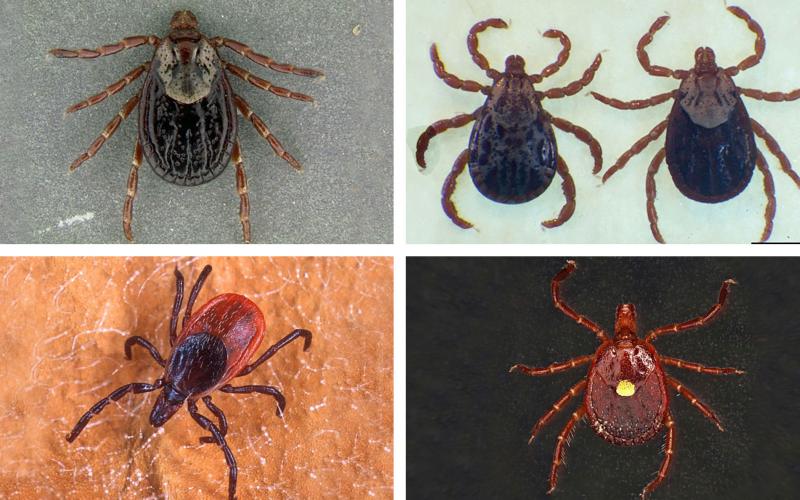
Be On the Lookout for Ticks
Ticks are one of the first pests to show up during spring. Learn some common ticks to watch out for in South Dakota, along with tips for preventing bites and removing ticks from your skin and clothing.
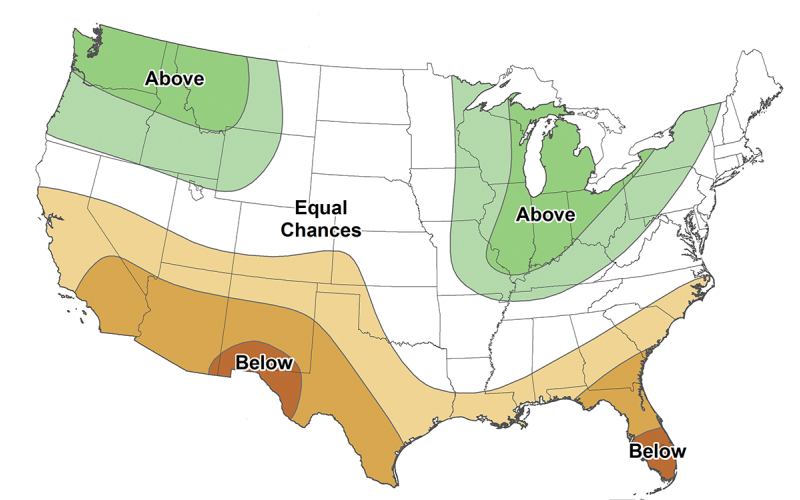
La Niña Expected to Influence 2021-22 Winter Climate
November 23, 2021
La Niña conditions have been officially declared this season by the National Oceanic and Atmospheric Administration (NOAA), but what does that mean for South Dakota’s winter climate, and this year’s outlook in particular?
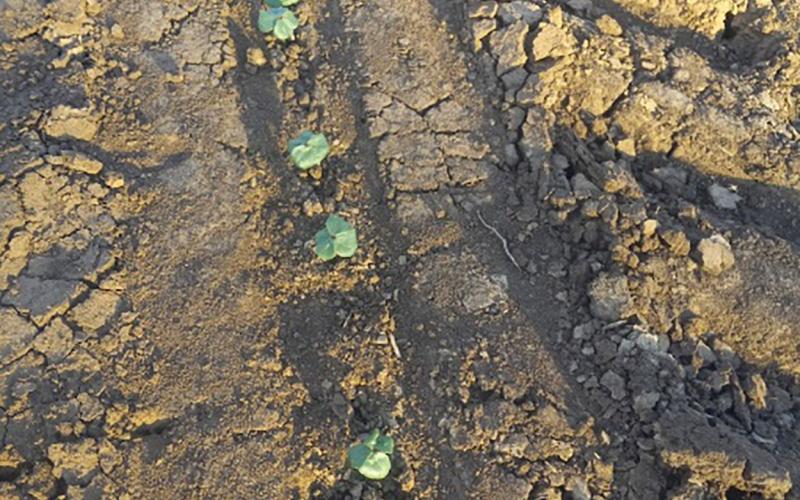
Accounting for Soil Wetness Prior to Conducting Farm Operations to Minimize Compaction
In the spring many agricultural producers are anxious to get into the field and perform tillage, planting, and chemical applications. However, if field operations are done when the soil is too wet, this can lead to soil compaction.
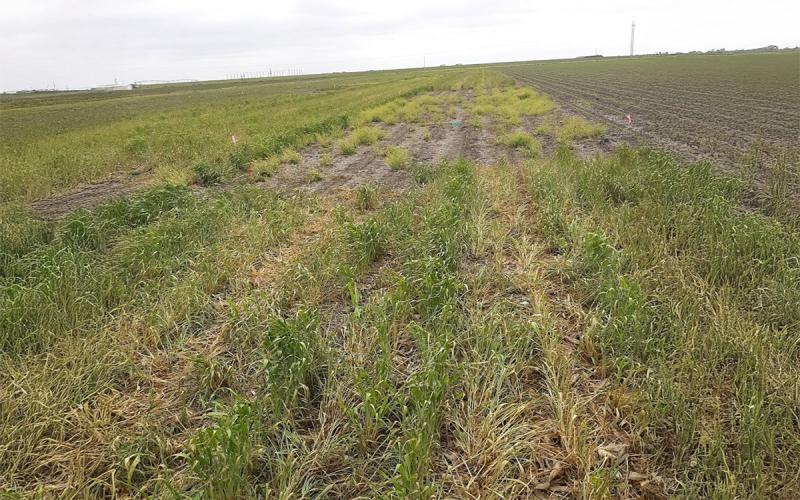
Conserving Soil Moisture During Dry Conditions
Dry conditions can create difficulties for agricultural producers. Using soil health principles can improve the resilience of agricultural systems to dry conditions.
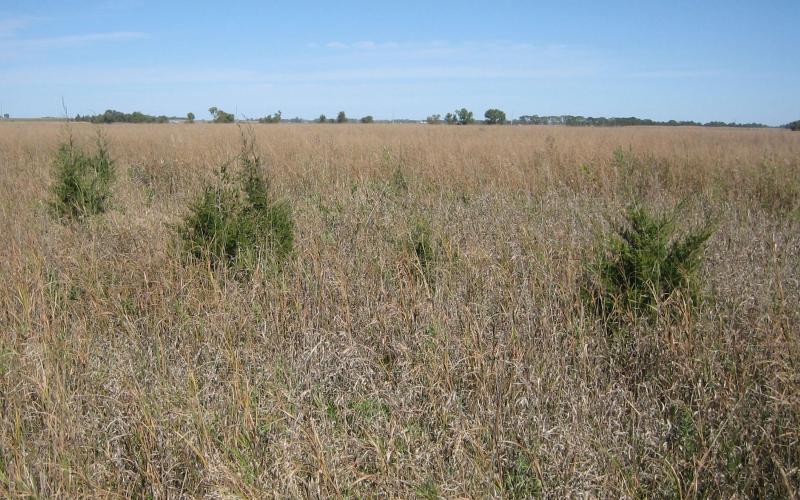
‘Baa-d Cedars’ Field Day Examines Goat-Targeted Grazing on Cedars
September 17, 2021
South Dakota State University Extension invites the public to an interactive Eastern Red Cedar Management Field Day to see the impact goats can have in controlling the most widely distributed conifer across eastern North America.