Search
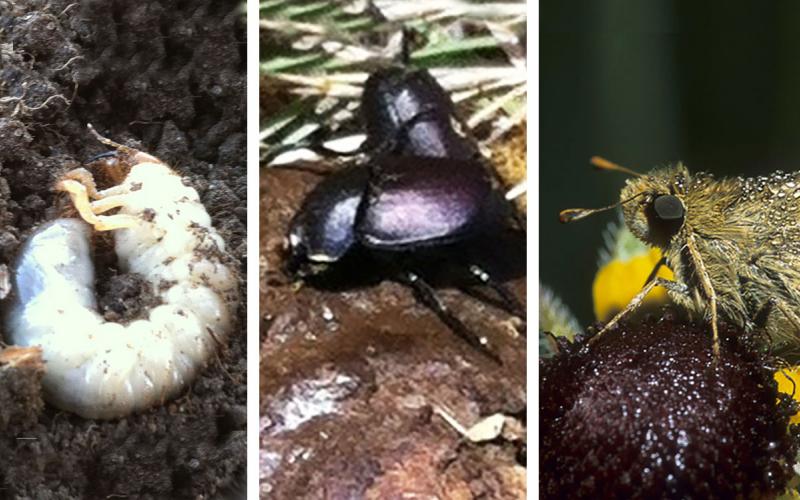
Rangeland Insects Are Critical Indicators of System Health
Insects, in general, may offer more indication of rangeland health than any other type of organism. They serve as key building blocks that other organisms depend on.
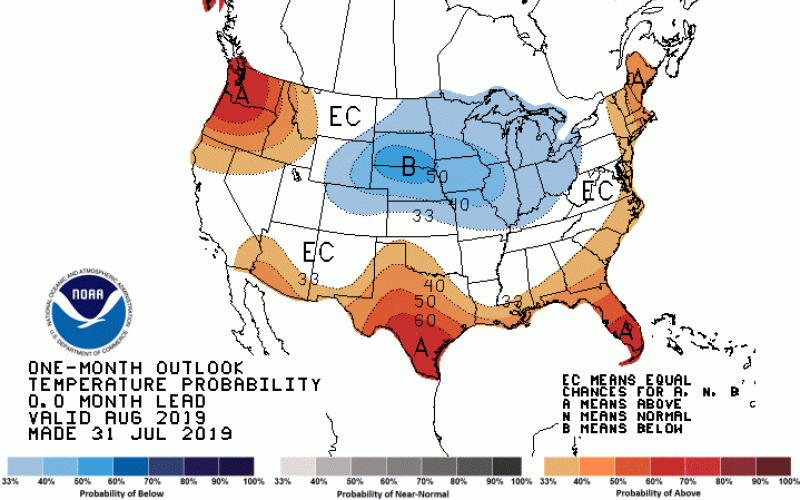
August 2019 Climate Outlook: Cool and Wet
According to the latest climate outlook update, odds are favoring that August 2019 will be cooler than average. The update was released by NOAA’s Climate Prediction Center on July 31, 2019.
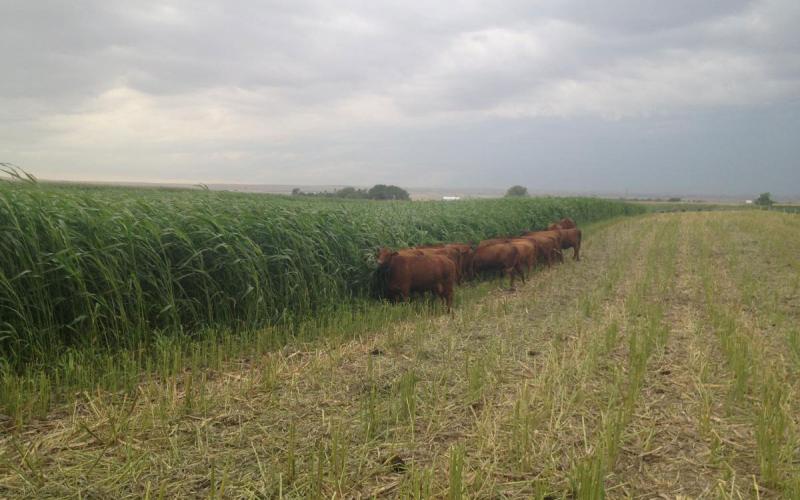
Prussic Acid Poisoning
As the first frost date approaches, producers often have concerns about the risk of prussic acid poisoning in livestock. Certain forage plants, especially sorghums and related species are associated with an increased risk of death loss because of prussic acid poisoning.
Alternative Calving Considerations
Structuring a calving program that best suites farm and ranch operations can be challenging. Of primary concern are: weather, labor, market timing, and animal health considerations, with weather possibly being the most volatile factor, as it ranges from challenging to catastrophic in some years.
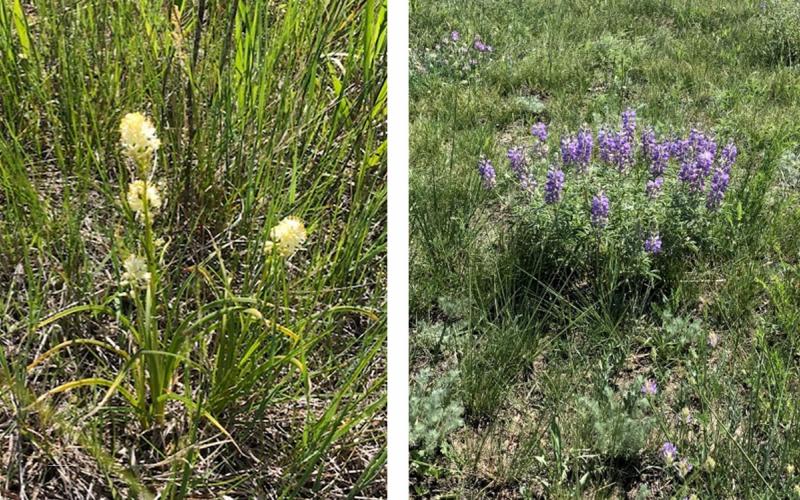
Poisonous Plants on Rangelands: Deathcamas and Lupine
With prolonged drought conditions throughout many areas of South Dakota, there is an increase of invasive weeds and poisonous plants on rangelands. Identification of poisonous plants is crucial to ensure livestock production is not compromised.
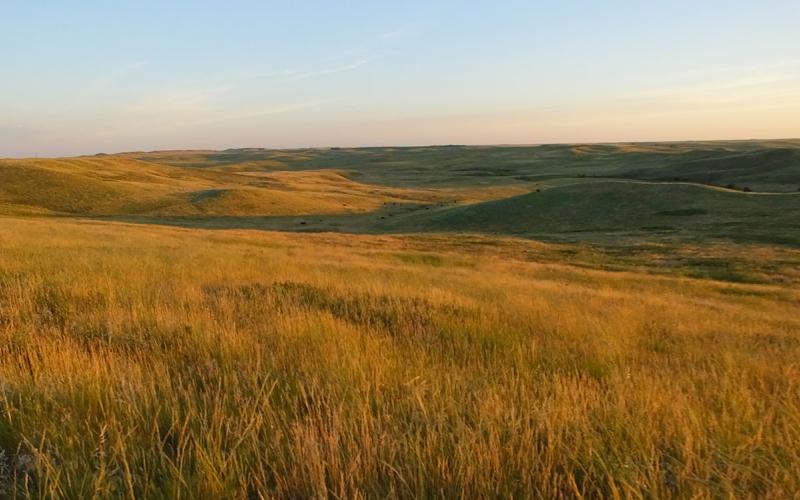
Factors That Influence Plant Development and Growth
Year-to-year variability in climate can result in large swings in annual forage production for livestock producers. Learn some key considerations to observing and mitigating the effects of this variability.
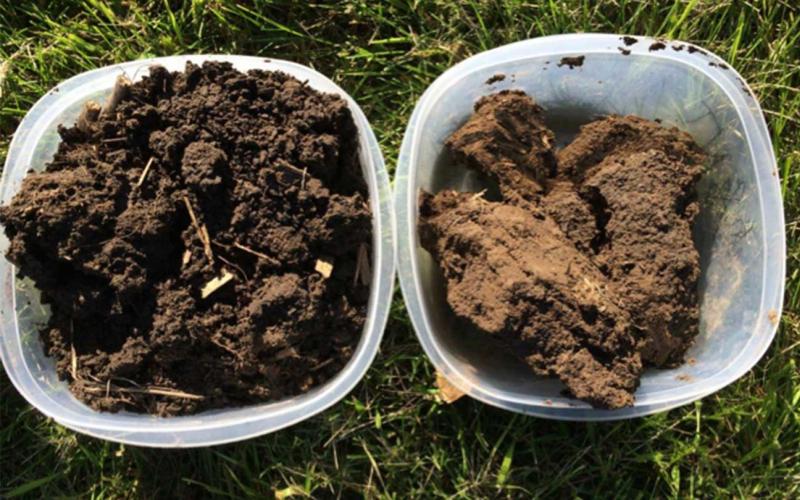
Organic Agronomy Starting to Impact
For decades scientists have known that a handful of soil contained more micro-biological organisms than the number of humans on earth. Science is just beginning to discover these organisms and learn about their functions and contribution to their soil ecosystem.
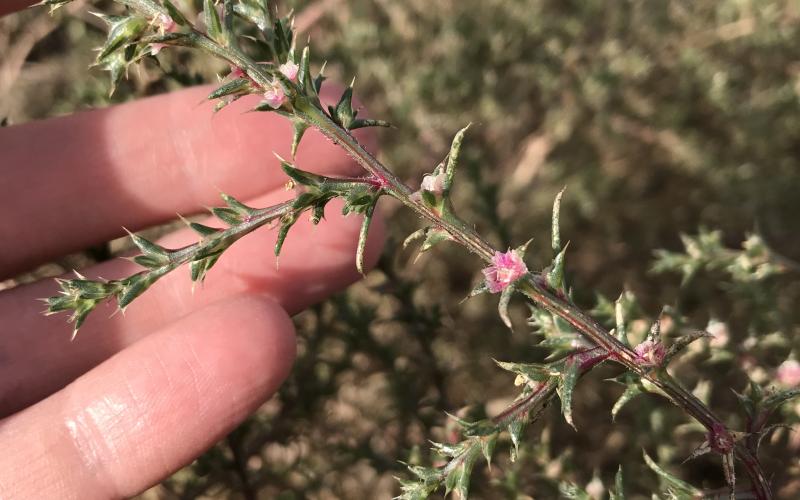
Prickly Russian Thistle
Publications that provide introductory and expanded information on the notorious invasive plant, prickly Russian thistle.
Conservation Practices Increasing in South Dakota
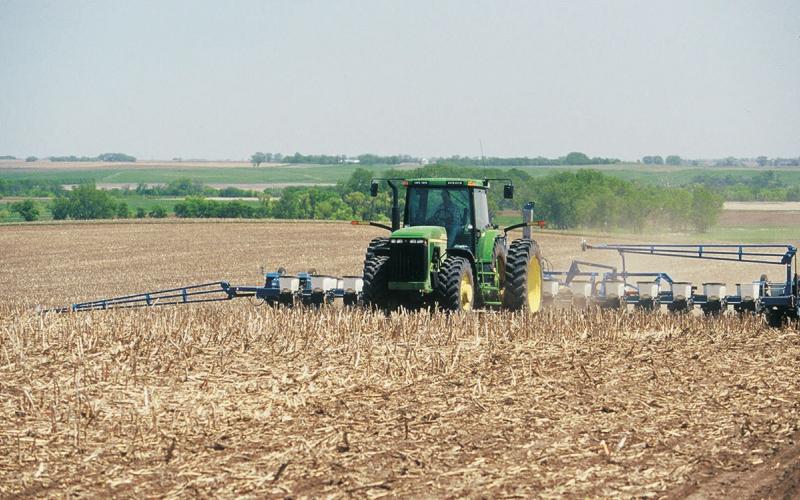
The recently released Agricultural Census data of 2022 shows that the share of cropland acres under conservation practices has continued to increase in South Dakota.
Pasture
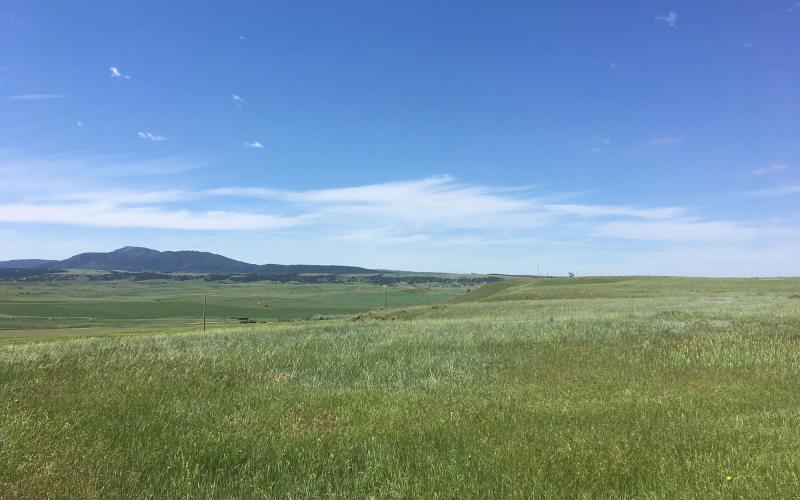
Pastures and rangelands are a valuable resource for owners of equine and livestock.