Search
Rangeland and Soils Days set for June 2 in Murdo, Redfield
May 06, 2021
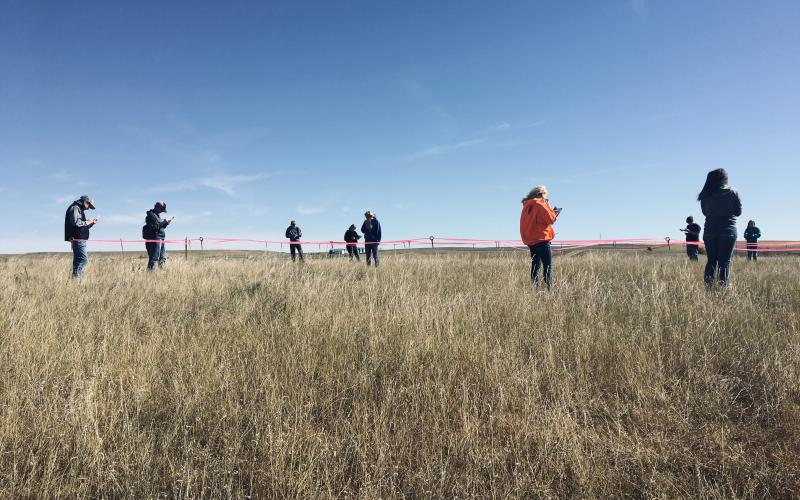
The event will focus solely on the Go-Getter (14-to-18-year-old) division. The Go-Getters will judge habitat suitability for cattle and grouse, in addition to plant identification and morphology.
No, It’s Not a Murder Hornet.
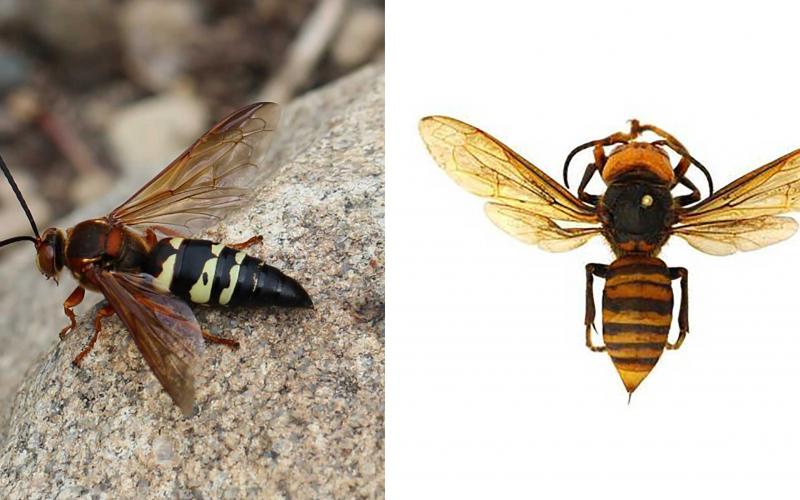
By now, you’ve probably read headlines about the Asian giant hornets (aka “murder hornets”) that were spotted in Washington state and across the border in Canada. It is important to note that Asian giant hornets have only been confirmed in a small area of Washington and Canada. These wasps have not been observed in South Dakota or our neighboring states.
South Dakota Grassland Management Resources
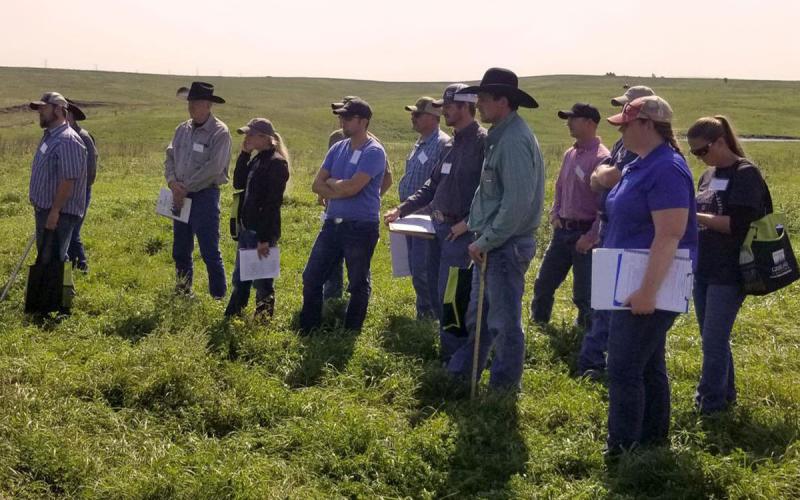
The South Dakota Grassland Coalition provides educational opportunities for producers and agency personnel alike and has a wealth of informational tools available to share with others seeking assistance.
Black Grass Bug Activity Expected in Coming Weeks
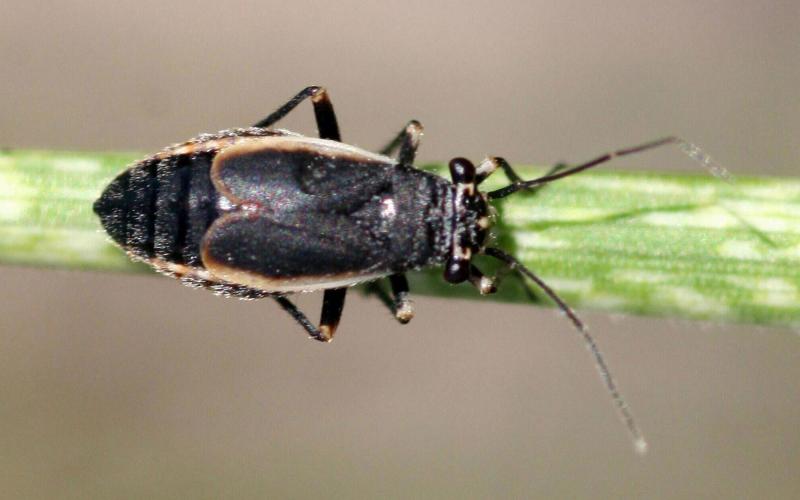
Spring green-up is the time to be watching for black grass bug activity. Large populations of this early-season pest can cause severe damage to pasture (up to 90% forage reduction) and infest the edges of wheat fields.
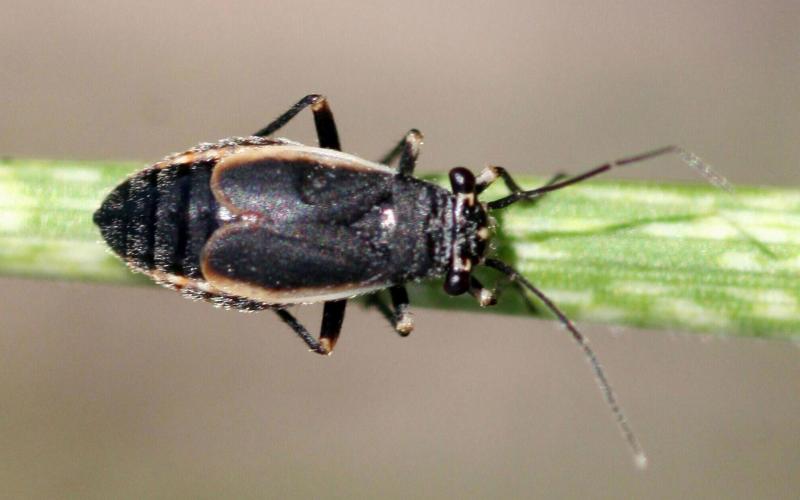
Be on the Lookout for Black Grass Bugs
It’s time to begin scouting pasture and wheat for the presence of black grass bugs. Last year, we saw the highest populations in areas of Central and Southwestern South Dakota. If left untreated, black grass bug populations tend to increase year after year.
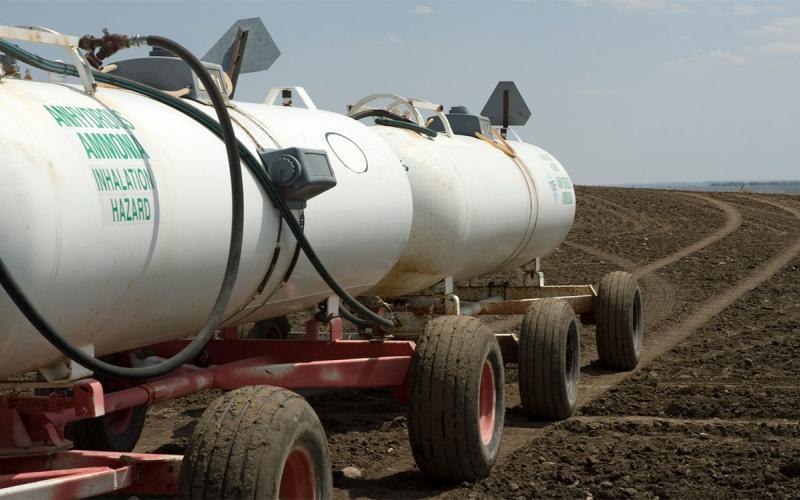
Determining an Economically Optimal Nitrogen Rate for Corn in 2022
While we can't know what the prices of corn and nitrogen fertilizer will be next year, it is very important to understand how the level of both prices will influence corn profitability for 2022.
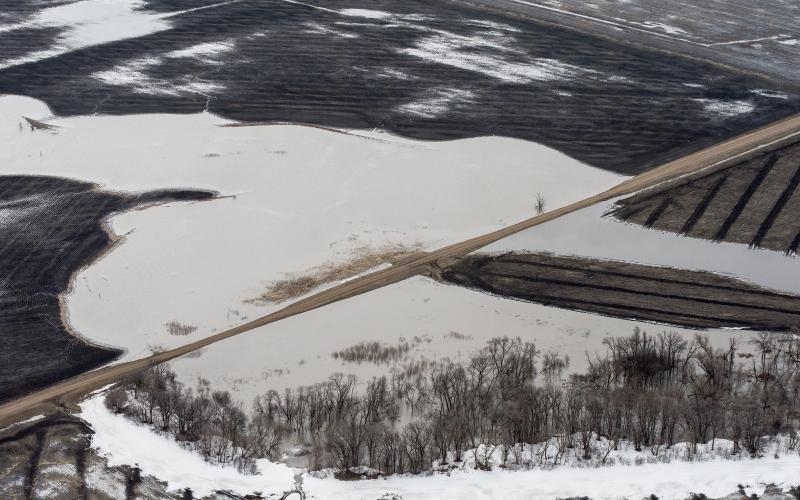
Managing Soil and Soil Fertility After Flooding
During floods, your fields will experience different amounts of erosion, sediment deposition, and crop residue accumulation. To avoid compaction of these soils it is crucial to let soils drain and dry out sufficiently before removing any large debris from fields or working the soil.

Smart to Lead SDSU Extension Agriculture and Natural Resources Program
July 06, 2021
South Dakota State University Extension has named Alexander “Sandy” Smart as the new Agriculture and Natural Resources Senior Program Leader.

Senior Design Project Has Potential to Become Lake Mitchell Water Quality Project
SDSU Agricultural & Biosystems Engineering students, as a senior design project, recommended constructing a retention structure on a property near Lake Mitchell in order to reduce the phosphorus content entering the lake.
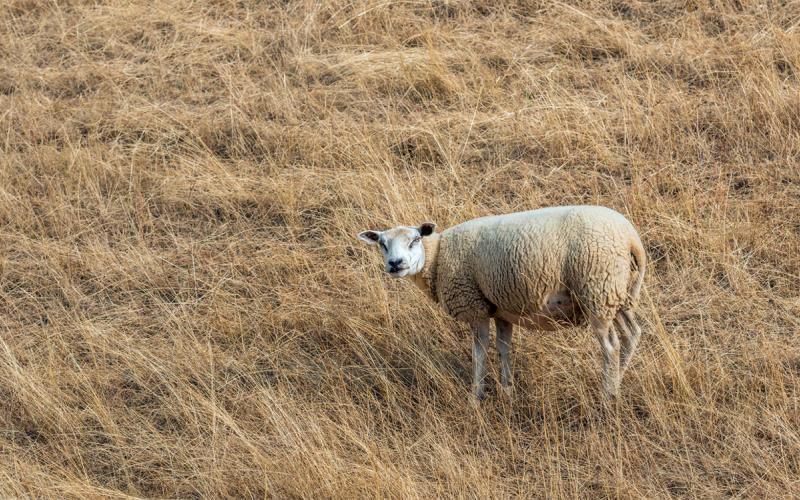
Drought Considerations for Grazing Range Flocks
Having a drought plan in place to best manage pastures is critical in being prepared for next year’s grazing season. Make decisions that will manage risk and promote both flock and financial longevity.