Search
SWOT Analysis for Your Ranch (And Don’t Forget About Yourself)
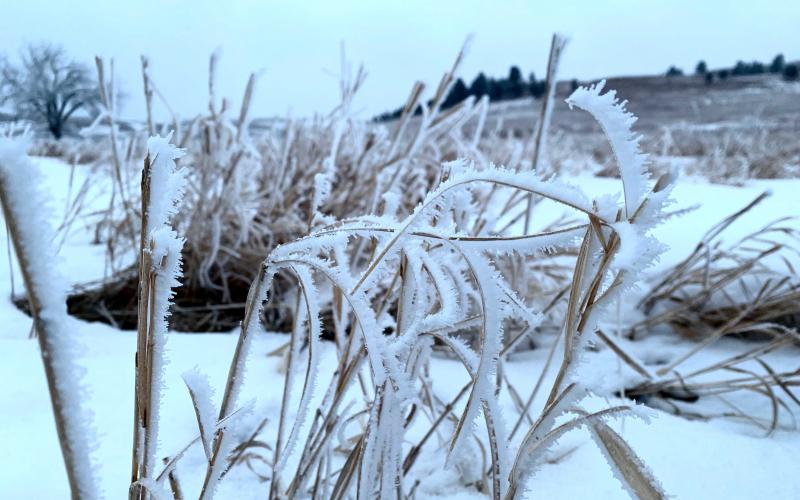
Completing a SWOT (Strengths, Weaknesses, Opportunities, Threats) analysis allows you to evaluate your operation's current position and decide on management strategies to achieve your goals for the next year. Learn how to get started today!
Range Roundup: Precision Agriculture Range Project With Producer Participation
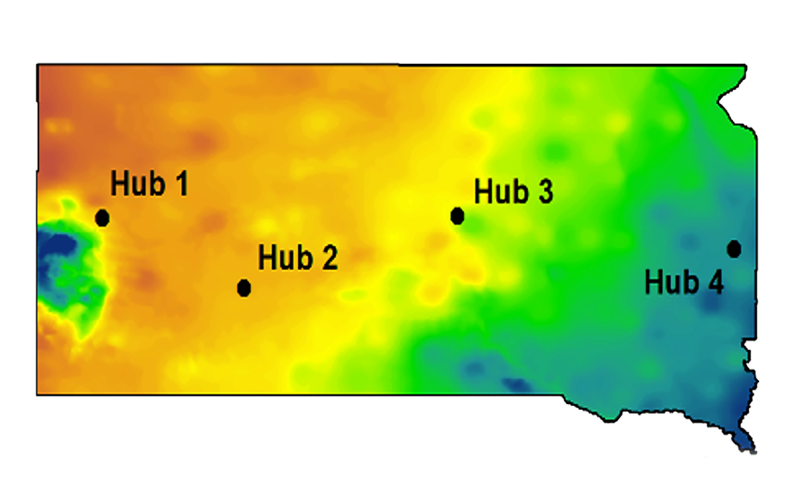
SDSU Extension researchers started a new precision agriculture range project using remote sensing, machine learning, and ground-collected vegetation samples to develop an application to measure forage quality and quantity throughout the state in near real-time.
Wasp Activity Is Ramping Up
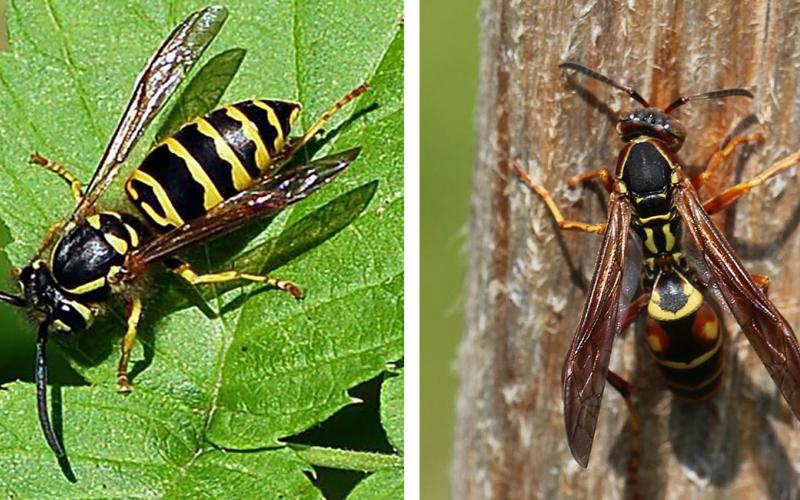
With their distinctive black and yellow stripes and tendency to hang out in groups, wasps receive attention no matter the time of year. As the weather warms up and spring progresses, you may notice more wasp activity in your yard or around your house.
Project to Study Soil Health Economics in South Dakota
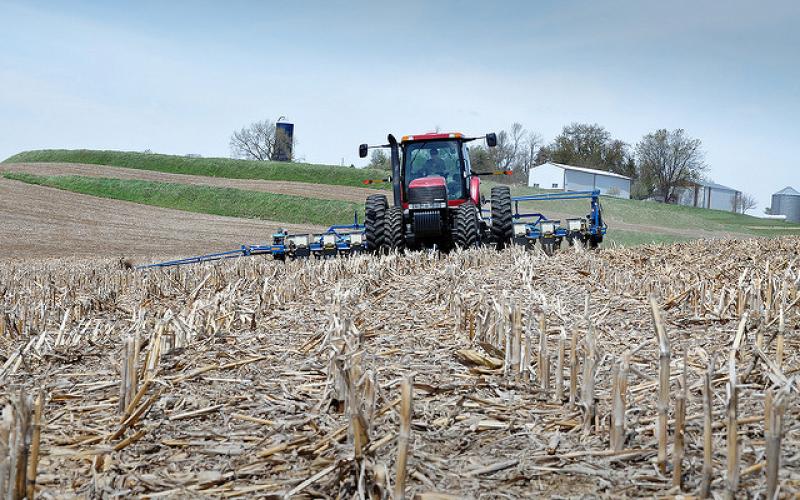
Soil degradation has become one of the most pressing global issues, because of its adverse effects on world food security, environment and quality of life.
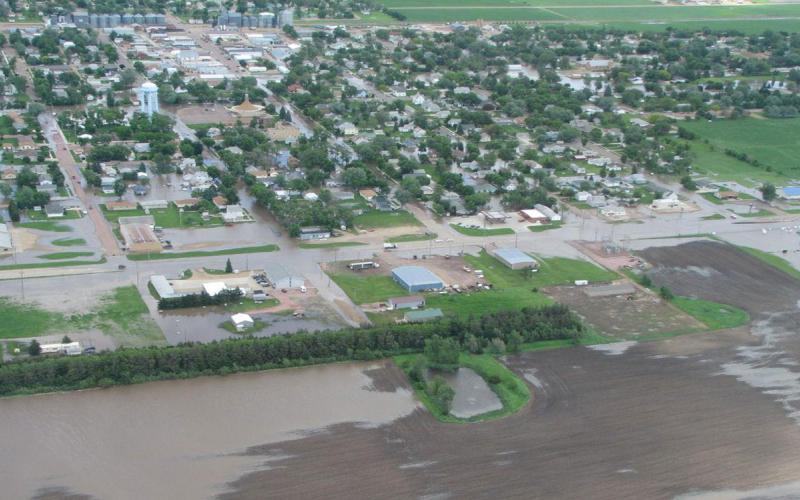
Educating About Flooding and Associated Activities
This series of five articles is designed to educate readers about flooding and the associated activities to prepare for, respond to, and recover from flood events.
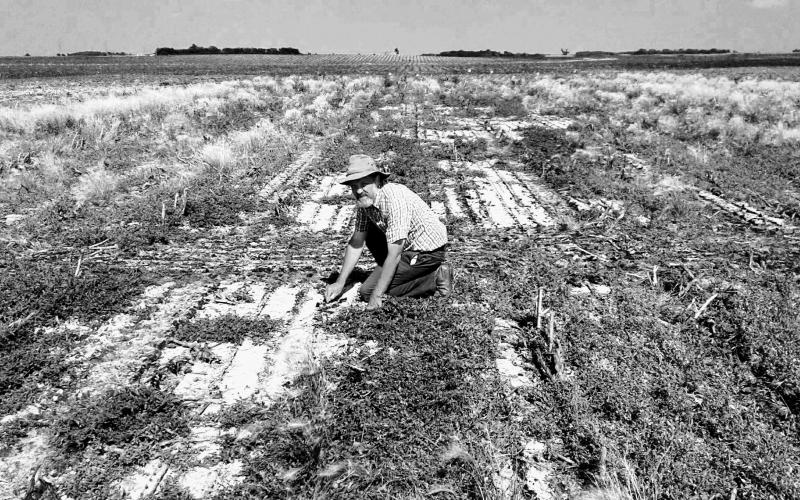
Perennial Solutions for Alkali Areas
Reclaiming marginal lands, especially those considered saline or sodic can be very challenging and may take many years to accomplish. The key to turning around salt or alkali areas in your fields, begins with getting a living root established in the affected area.

Keep Your Pastures Guessing: Why predictable grazing is costing you
Your cattle don't care which pasture they're in. Your pastures, on the other hand, care enormously. Give them something to work with, and keep them guessing.
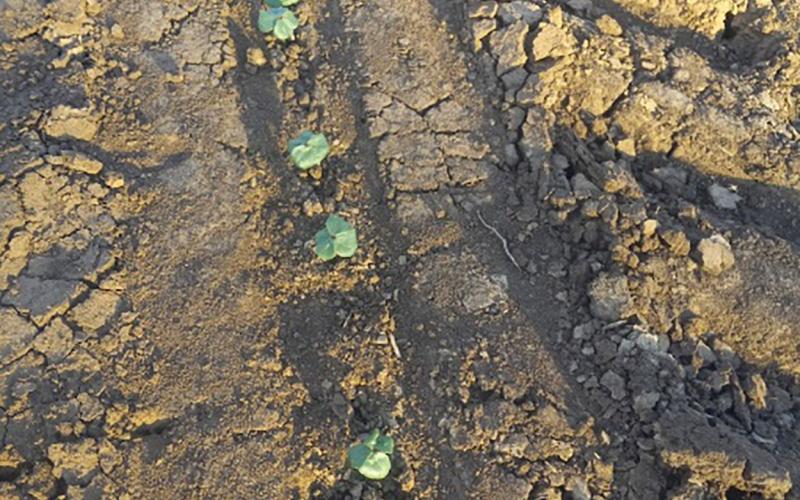
Accounting for Soil Wetness Prior to Conducting Farm Operations to Minimize Compaction
In the spring many agricultural producers are anxious to get into the field and perform tillage, planting, and chemical applications. However, if field operations are done when the soil is too wet, this can lead to soil compaction.
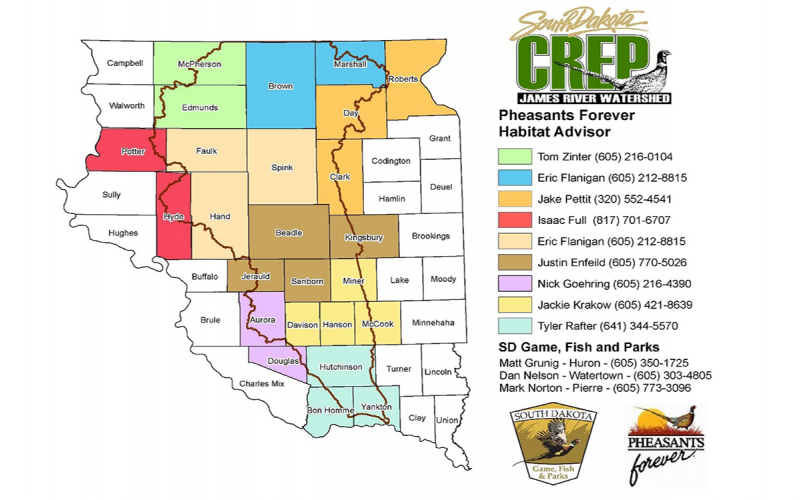
The South Dakota Habitat Stamp
In 2020, the South Dakota Legislature approved the South Dakota Habitat Stamp as a way to generate revenue for the development of wildlife habitat on public land and waters, or to provide public access to private land.

Creating Management Zones Using Electrical Conductivity
The first step to practicing zone management is to identify the variations that control yield. There are various methods for characterizing soil variations within a field, and among them, electrical conductivity measurement is one of the most-reliable.