Search
Wet Conditions Likely Into Fall Season
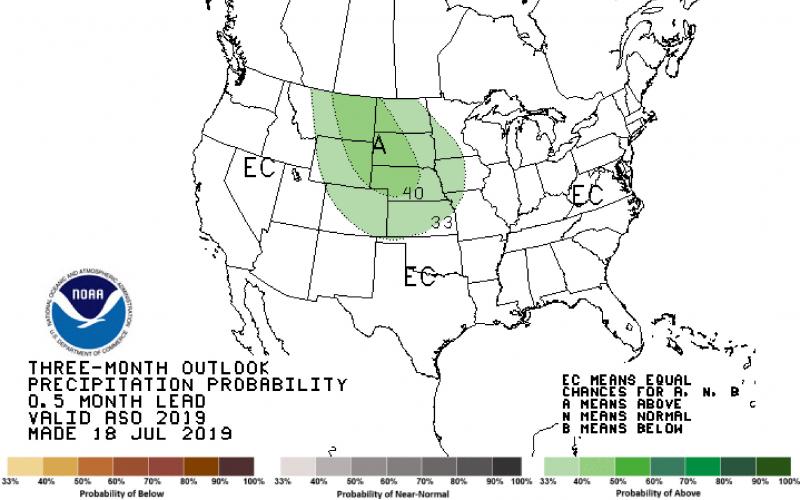
Many locations in South Dakota have already received as much precipitation this year as they do in an entire average year. The latest climate outlook from NOAA’s Climate Prediction Center shows increased chances of wetter than average conditions to continue into the fall season.
2022 Summer Climate and Drought Outlook
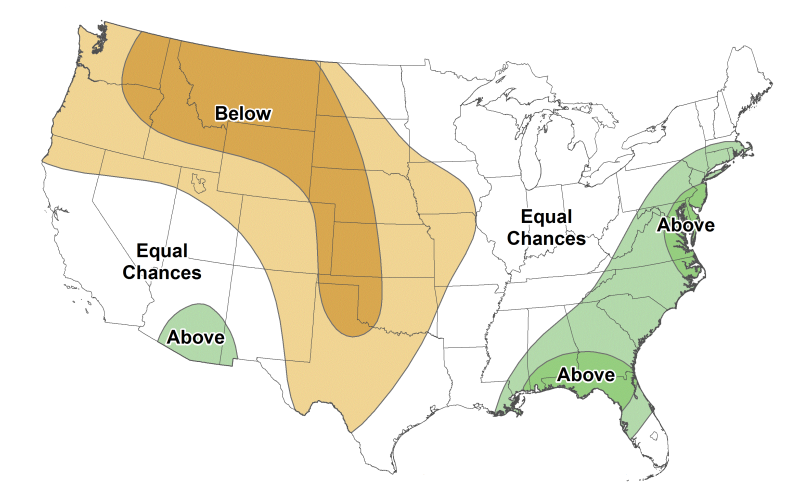
On May 19, the NOAA’s Climate Prediction Center released their temperature and precipitation outlooks for June and the summer season ahead. See a full report of what to expect for the summer of 2022.
Soil Salinity, Sodicity, and Alkalinity in South Dakota Soils
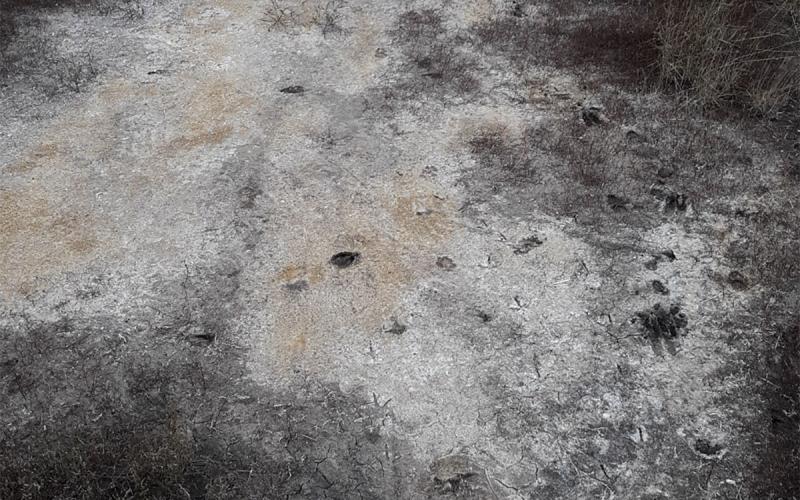
Salinity and sodicity are issues that negatively affect crop production and soil health in South Dakota.
May 2019 Climate Outlook: April Showers Bring May Showers?
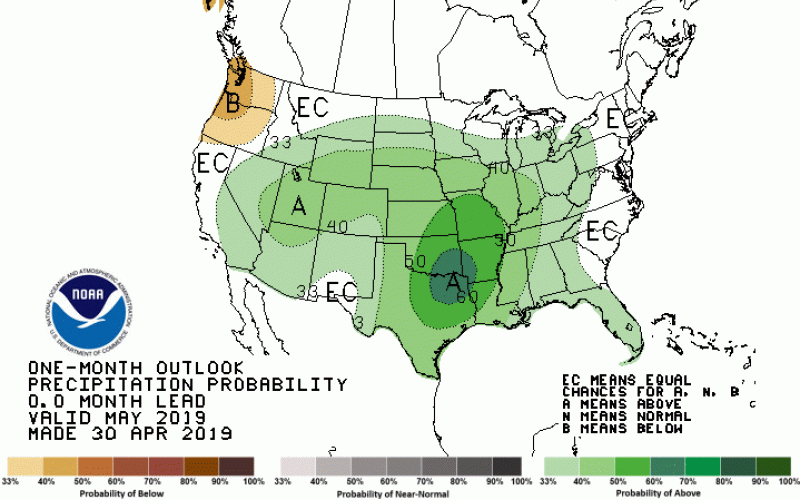
The precipitation outlook for May does not show much promise of relief from moisture, as wetter than average conditions are slightly more favored than drier conditions. In addition, cooler than average temperatures are more likely for the first half of May and could continue for much of the month.
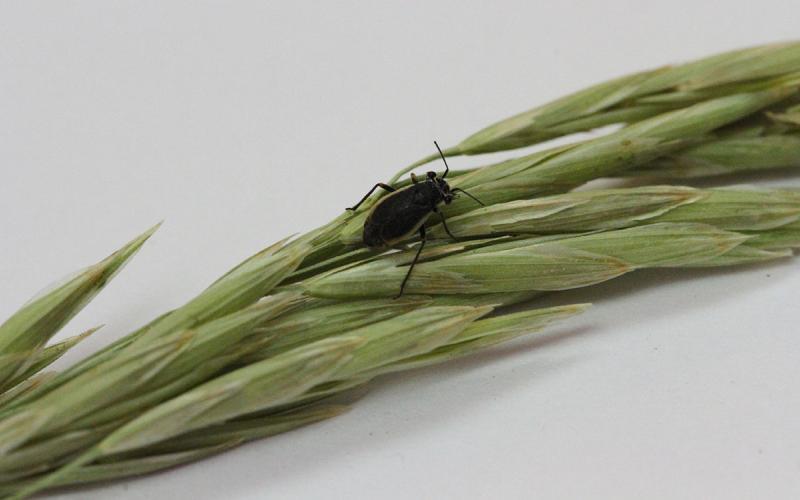
Drought Conditions Magnifying Impact of Black Grass Bugs
With much of South Dakota continuing to experience moderate-to-extreme drought conditions, black grass bugs could become a concern in some areas. Large populations of black grass bugs can cause severe damage to pasture.
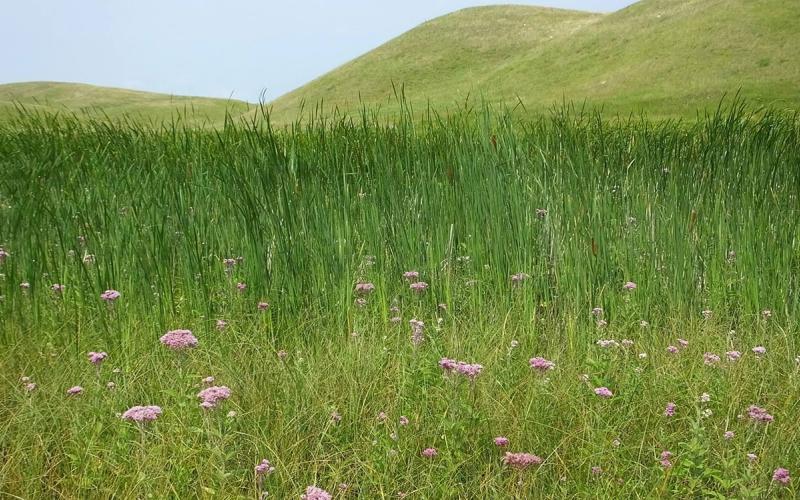
Understanding Grassland Terminology
Before learning the best practices of grassland management, it's important to know some of the common terminology used in the land management and conservation arena.
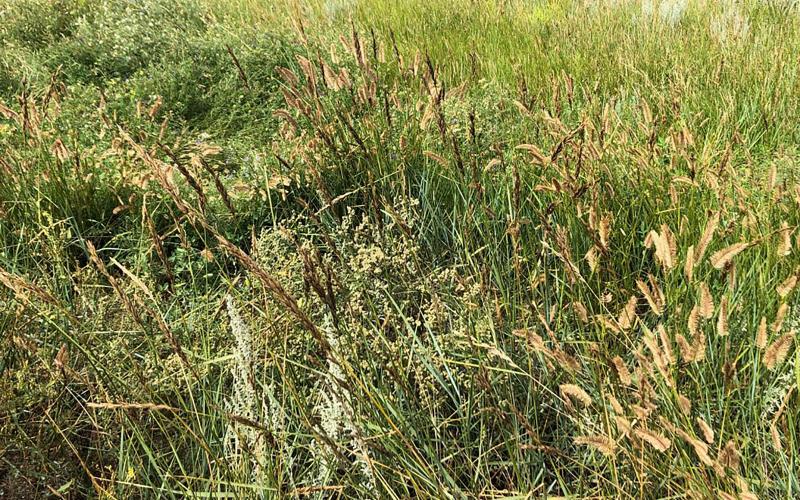
Ergot in Western Wheatgrass and the Potential Effects for Winter Grazing
2019 has been a year fraught with challenges for ranchers across South Dakota. Abundant precipitation is usually a blessing, however, wet conditions coupled with a cool spring followed by warmer temperatures has caused another problem across the rangelands of South Dakota: ergot poisoning.
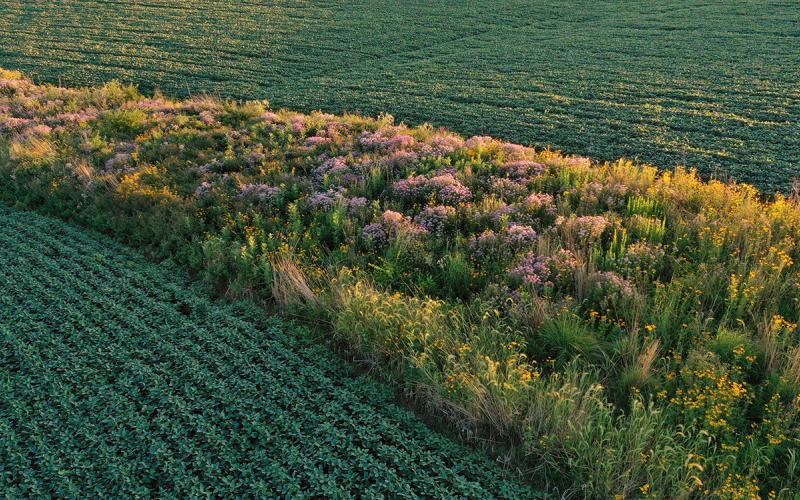
Using Prairie Strips To Protect South Dakota Water
Prairie strips are a new continuous Conservation Reserve Program practice that integrates native prairie plantings oriented linearly within a row crop field to reduce soil erosion and runoff.
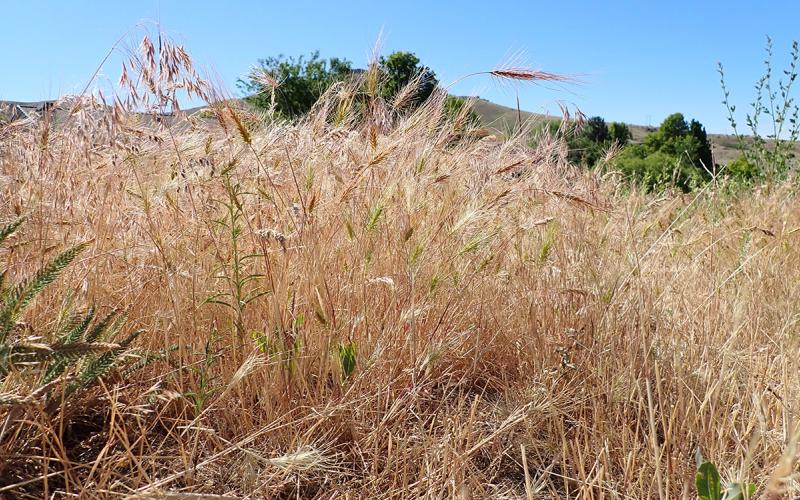
Be on the Lookout: Medusahead
Grassland managers are encouraged to be on the lookout for Medusahead, an invasive grass that can aggressively out-compete native species. Learn how to identify, report, and manage it before it becomes an issue.
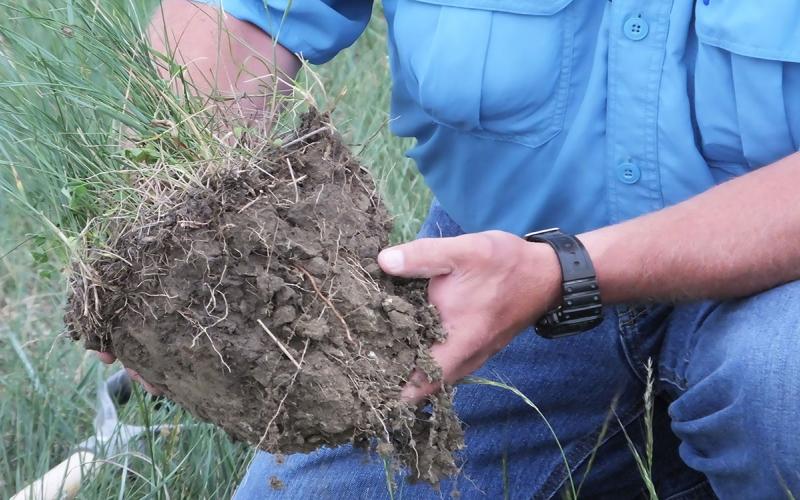
Fertilizing Grasslands
Grassland fertilization, like many other grassland management topics, is highly dependent on certain parameters, such as soil type, vegetation type and harvest methods.