Search
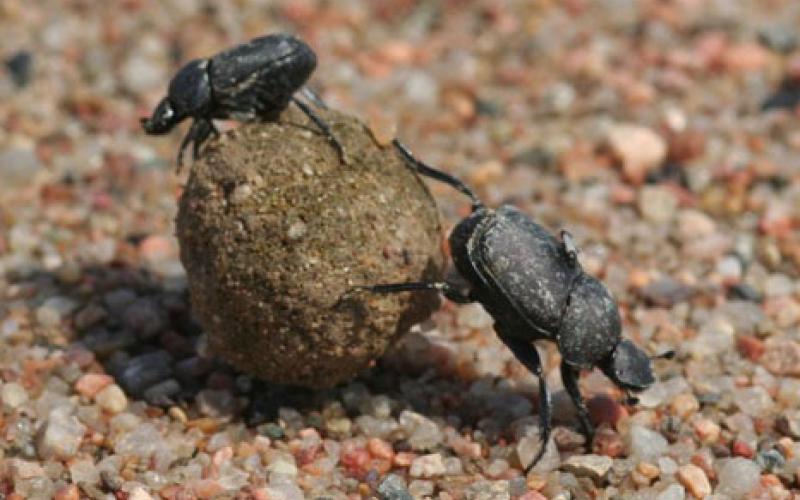
Promoting Dung Beetles on the Range
In South Dakota, dung beetles help regulate rangeland health through dung dispersal.
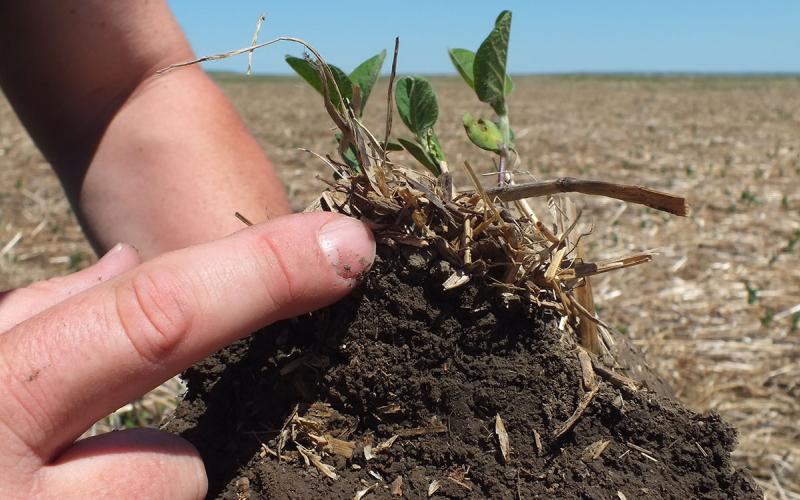
Biological Agronomy
Biological agronomy is an adaptive soil management system used to build soil microbiology through intensive regenerative practices that increase carbon and nutrient availability for profitable crop production.
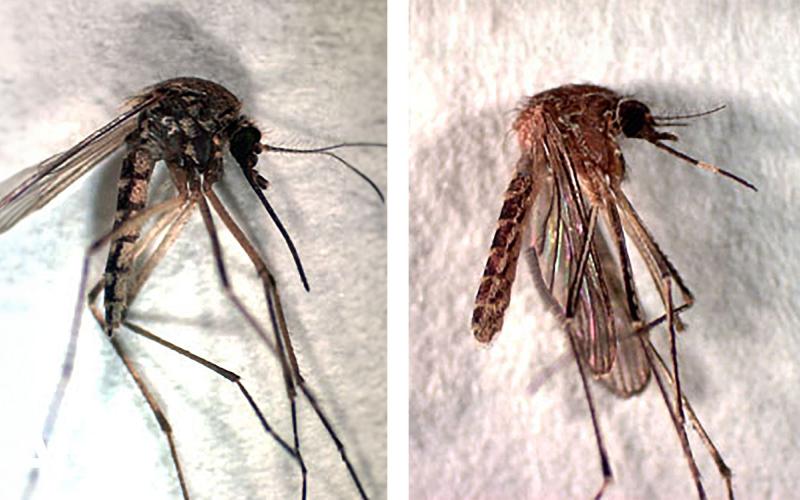
Mosquitos to Watch for in South Dakota
After many areas in South Dakota experienced heavy rainfalls, mosquitos are now a major issue. Learn which species are most common throughout the state and which carry the highest risk for West Nile Virus.
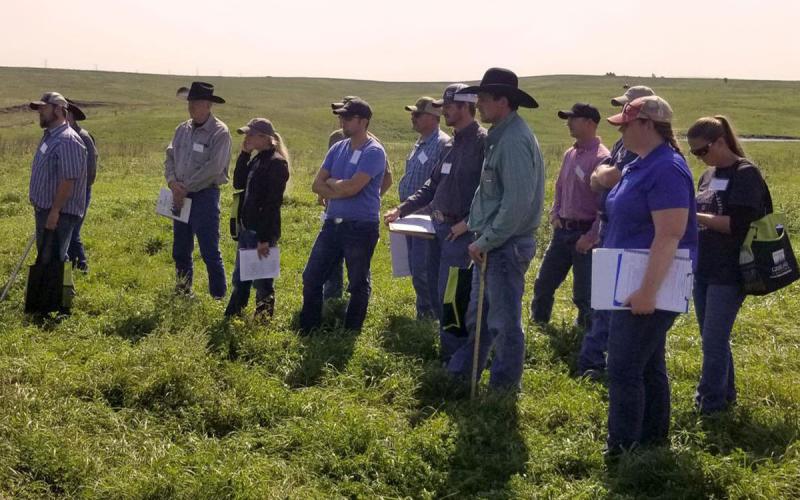
South Dakota Grassland Management Resources
The South Dakota Grassland Coalition provides educational opportunities for producers and agency personnel alike and has a wealth of informational tools available to share with others seeking assistance.
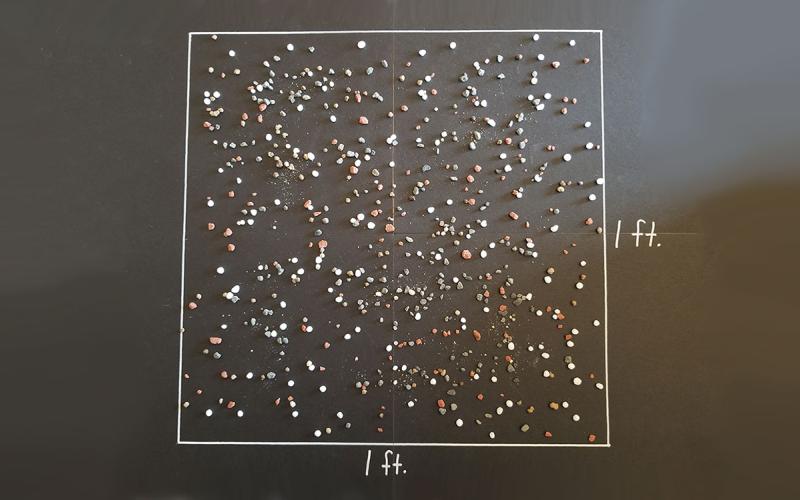
Seven Grams of Fertilizer Is All It Takes: Growing Optimal Corn in South Dakota
Have we really asked how much fertilizer is really takes to grow a decent corn crop? Learn some important considerations for fertilizing corn and improving long-term soil health and fertility.
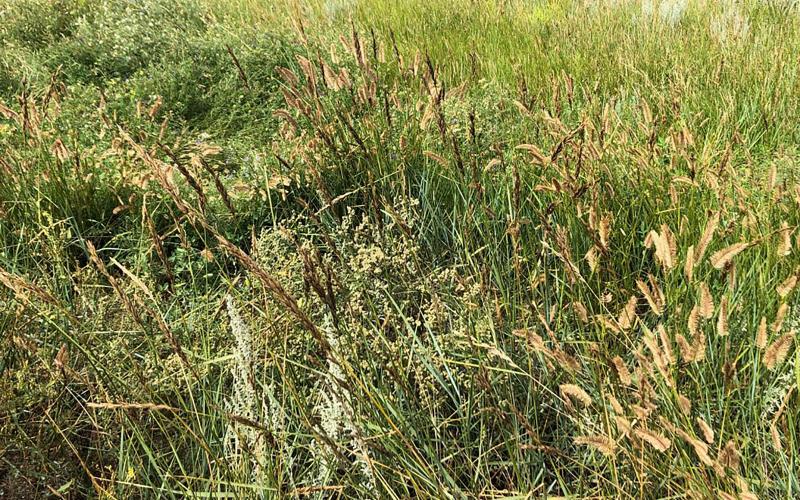
Ergot in Western Wheatgrass and the Potential Effects for Winter Grazing
2019 has been a year fraught with challenges for ranchers across South Dakota. Abundant precipitation is usually a blessing, however, wet conditions coupled with a cool spring followed by warmer temperatures has caused another problem across the rangelands of South Dakota: ergot poisoning.
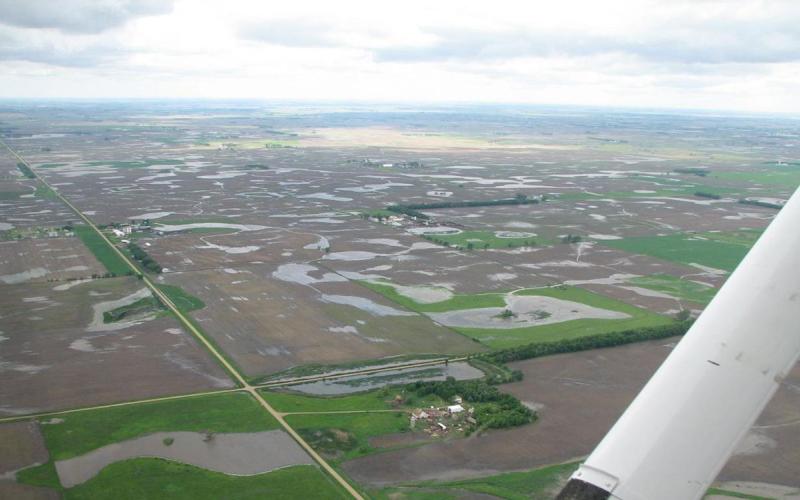
Global and U.S. Perspectives on Flooding
In this article, we will explore the statistics and impacts of floods, both globally and within the United States, based on data from various studies and reports.
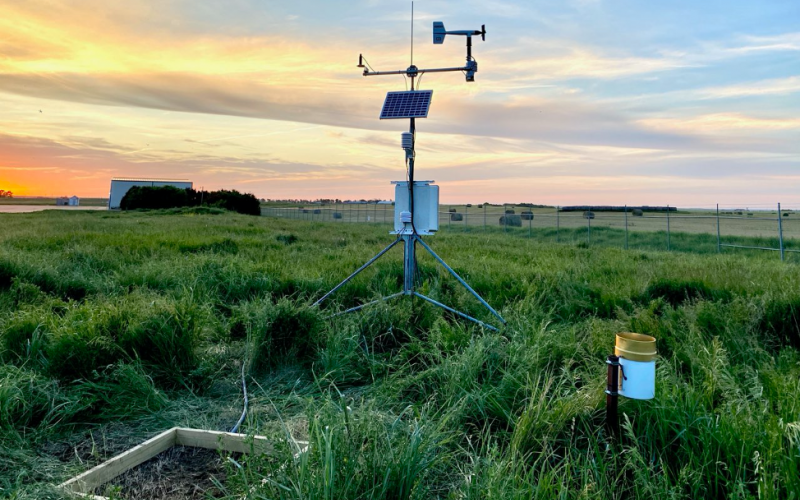
South Dakota Mesonet Weather Station at Eagle Butte Returns to Service
July 15, 2020
The South Dakota Mesonet at South Dakota State University has reactivated its weather station near Eagle Butte with the support of the Cheyenne River Sioux Tribe Telephone Authority.
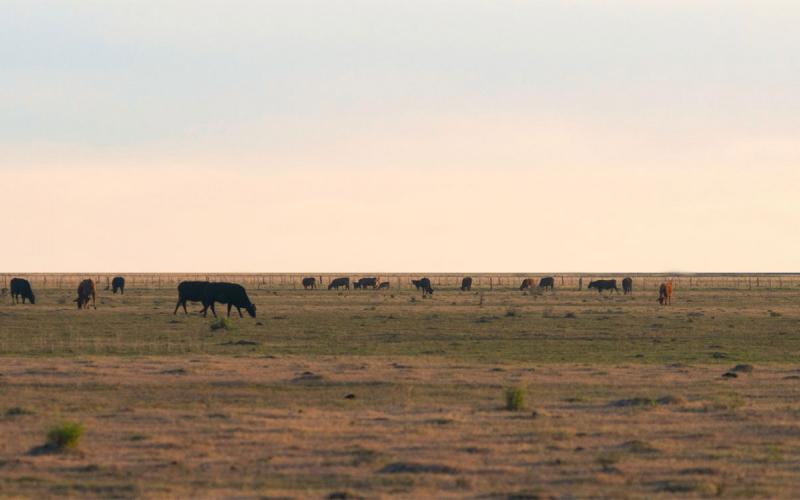
Producer Views on Patch Burn Grazing vs. Winter Patch Grazing in S.D.
Traditional rangeland management promotes uniform forage utilization, yet causes detrimental effects on the richness of plant species and wildlife habitat. Therefore, management practices that increase heterogeneity in vegetation play an important role in developing habitat types and preserving grassland wildlife species.
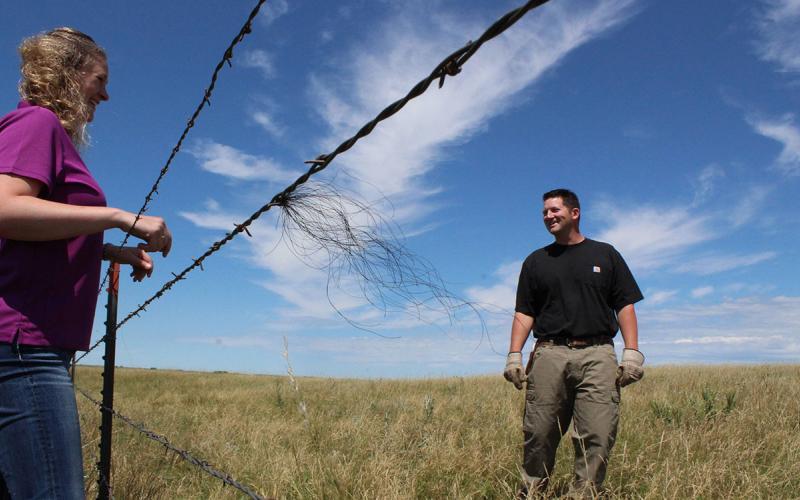
Designing a Grazing Program
The development of a successful grazing management program begins with a mental inventory and an observation of what is happening that you would like to change. Next, consider what you are willing to do to make that change.