Search
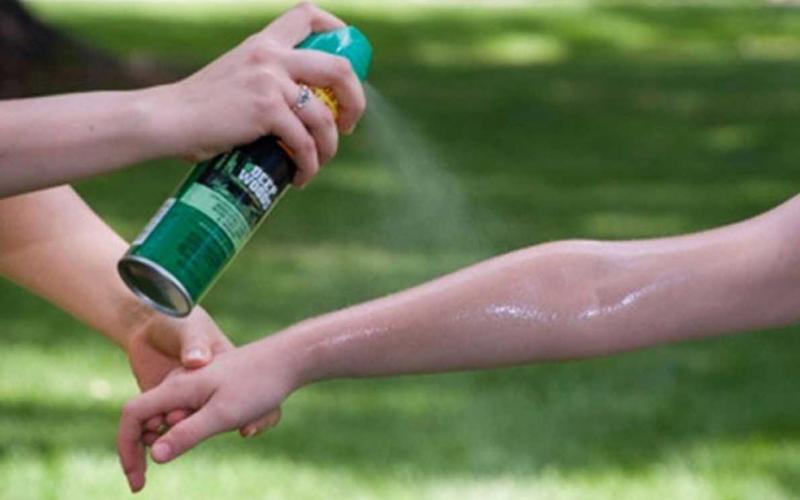
How to Avoid Being Dinner: Preventing Tick and Mosquito Bites
Summer is here, and so are the opportunities to enjoy the long days and warm weather. Ticks and mosquitoes share the outdoors with us, and there are things you can do to prevent bites from both.
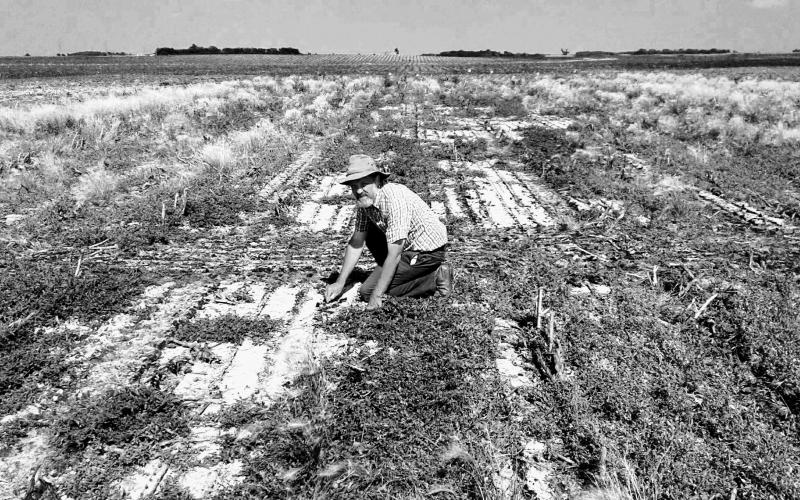
Perennial Solutions for Alkali Areas
Reclaiming marginal lands, especially those considered saline or sodic can be very challenging and may take many years to accomplish. The key to turning around salt or alkali areas in your fields, begins with getting a living root established in the affected area.
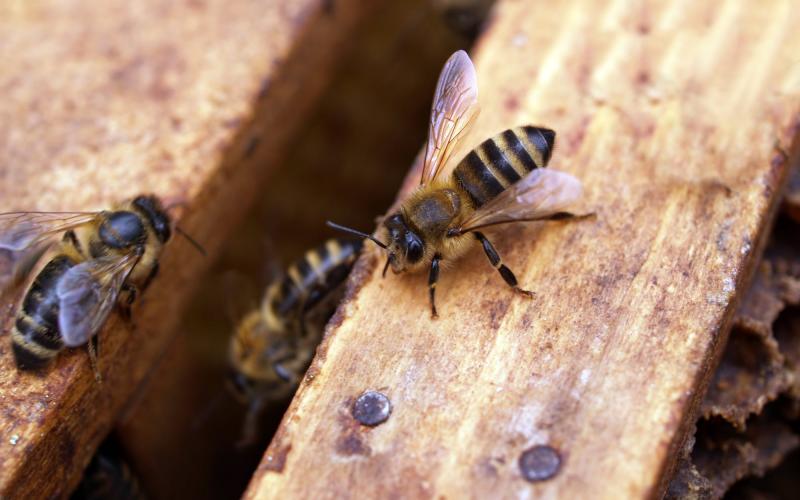
Backyard Biodiversity: Nest boxes for native bees
Many of our native bee species are solitary. In order to ensure that these kinds of bees spend more time in our yards and gardens, it is important to make sure we include places for them to nest.
SWOT Analysis for Your Ranch (And Don’t Forget About Yourself)
Completing a SWOT (Strengths, Weaknesses, Opportunities, Threats) analysis allows you to evaluate your operation's current position and decide on management strategies to achieve your goals for the next year. Learn how to get started today!
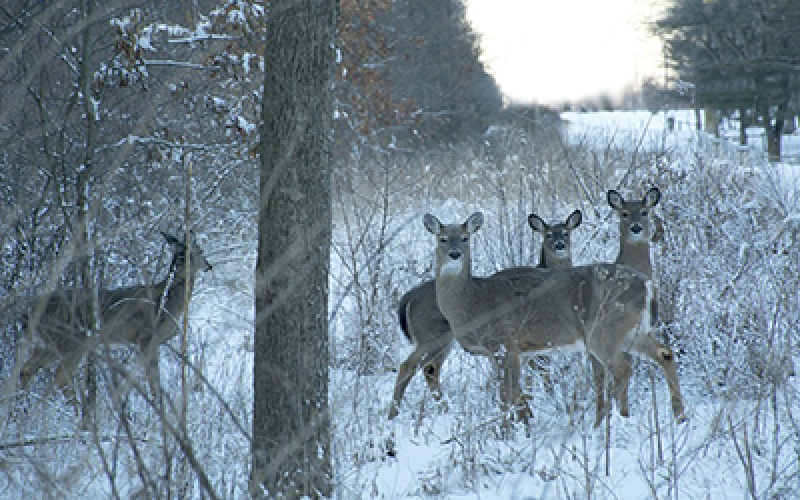
Give the Gift of Conservation This Christmas
The SDSU Natural Resources Management Department and SDSU Extension would like to wish all our readers a Merry Christmas and remind everyone that if you are shopping for a late holiday gift, consider giving the gift of conservation to yourself or someone else.
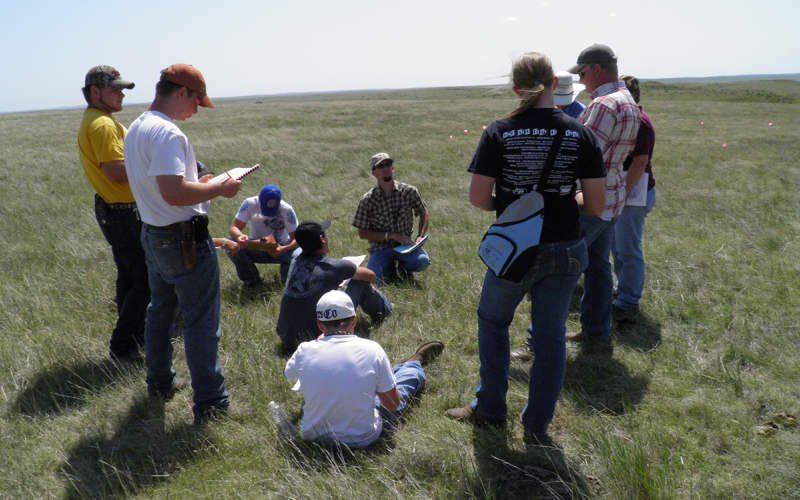
Range Roundup: Opportunities for Youth
There are several opportunities for youth in South Dakota to get exposed to rangeland ecology and management, with involvement from several partners across the state. Learn about some exciting opportunities offered each year!

Keep Your Pastures Guessing: Why predictable grazing is costing you
Your cattle don't care which pasture they're in. Your pastures, on the other hand, care enormously. Give them something to work with, and keep them guessing.
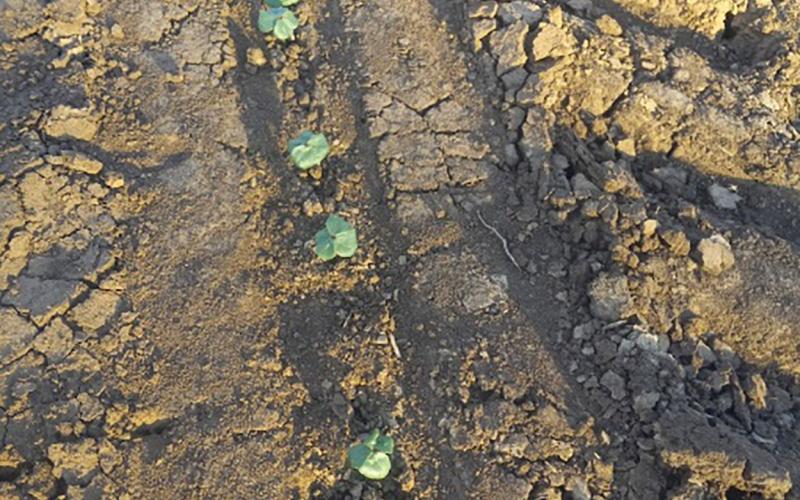
Accounting for Soil Wetness Prior to Conducting Farm Operations to Minimize Compaction
In the spring many agricultural producers are anxious to get into the field and perform tillage, planting, and chemical applications. However, if field operations are done when the soil is too wet, this can lead to soil compaction.
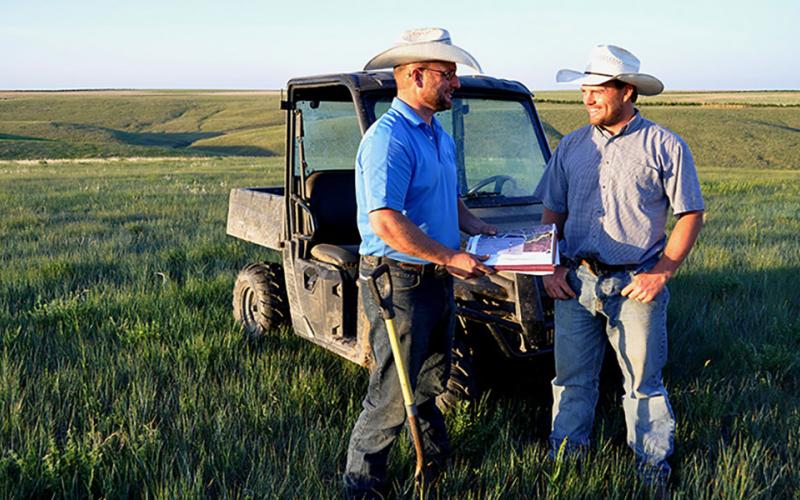
The Importance of Math in the Art of Grazing
It might seem a bit silly to check in on your stocking rate calculations, but it is something that is undoubtedly worth your time, whether you’re a seasoned rancher or you’re still trying to get your feet under you.
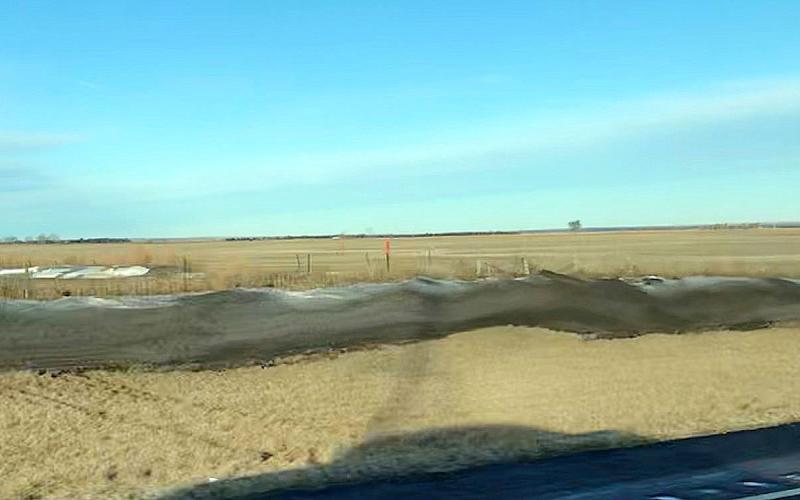
“Snirt” and How To Minimize It
Blowing soils, dust storms and “snirt” (snow with dirt on it) are frequent challenges during dry, windy winters. Learn some soil health principles to limit erosion and minimize snirt on field edges this planting season.