Search
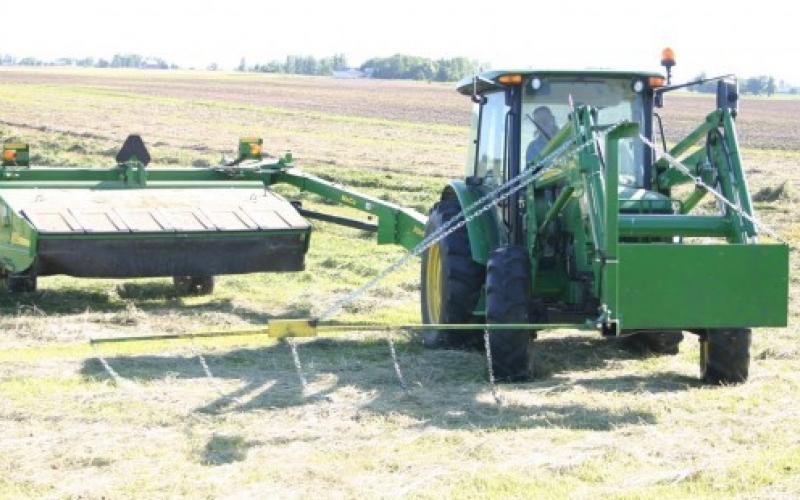
Haying With Wildlife in Mind
Anyone who has spent time cutting hay knows that hayland can be a magnet for wildlife in late spring and early summer. Hay fields are often considered an “ecological trap” for wildlife; that is, they appear to be high quality habitat for nesting or feeding due to tall, dense grass and legumes, but often lead to increased mortality once harvesting is under way.

Yellow Toadflax Has Not Flowered in Some Parts of South Dakota
Yellow toadflax is a difficult-to-manage weed that infests pastures and rangeland. In contrast with other weeds, yellow toadflax should be sprayed when flowers are present for more-effective management.
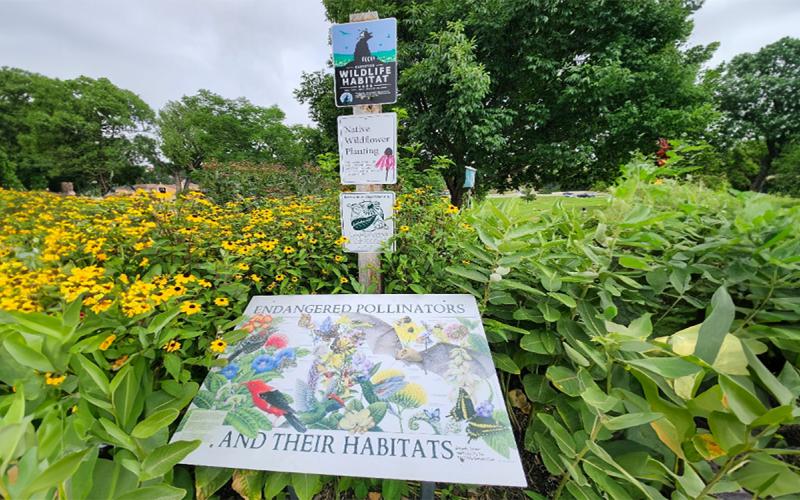
Funding Opportunities for Small-Scale Pollinator Habitats: A Guide for Urban and Home Garden Projects
Urban habitats are essential for providing food, shelter, and breeding grounds for important pollinators. Learn about some of the many funding opportunities available for urban pollinator habitat projects of all sizes and scopes.
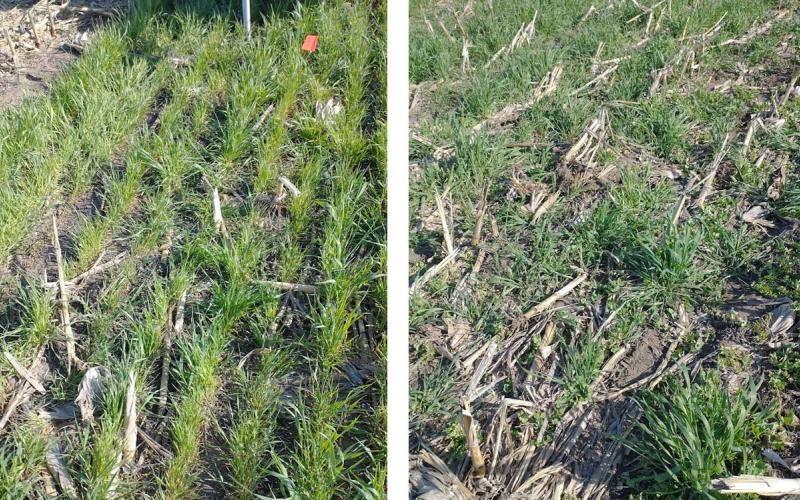
Choosing Whether to Preharvest Broadcast Vs. Post-Harvest Drill Cover Crops
Cover crops are frequently planted following the harvest of the grain commodity crops. A decision for producers to make is to whether to preharvest broadcast or postharvest drill the cover crop.
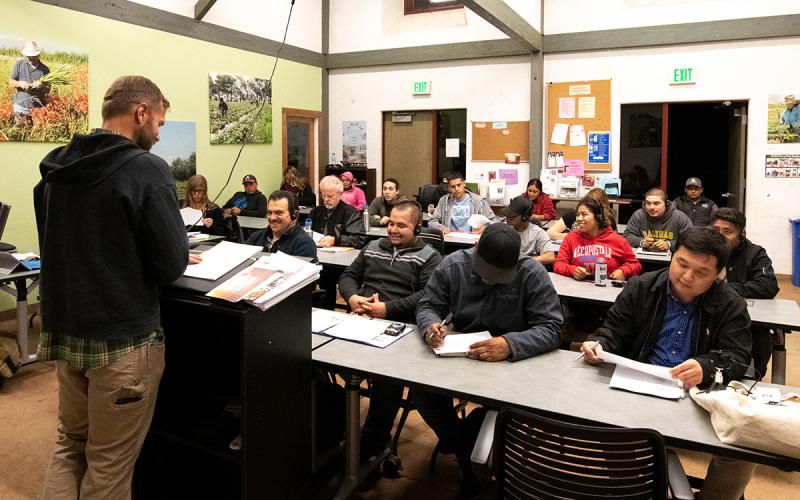
South Dakota Commercial Pesticide Applicator Certification Testing
New commercial pesticide applicators and those that have allowed their licenses to lapse must pass commercial pesticide applicator exams to receive certification. Learn about some some helpful resources, contacts, and tips to help you be successful in your certification testing.
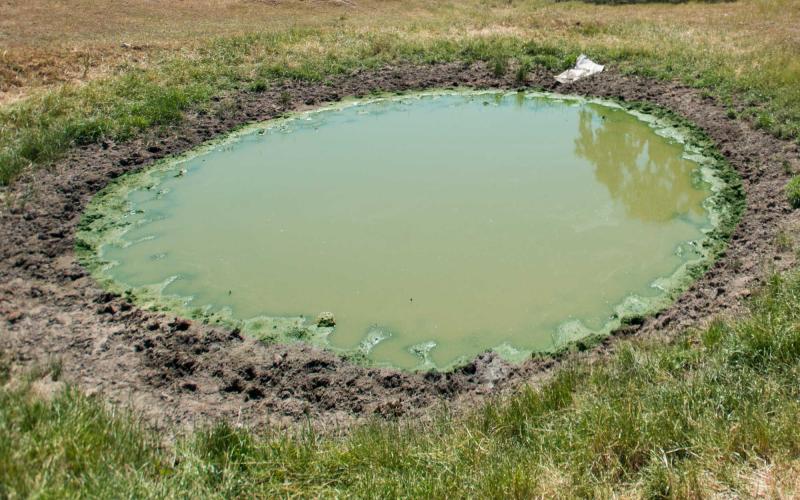
Blue-Green Algae and Livestock
With warmer temperatures, the conditions are right for blue-green algae blooms. Different species of blue-green algae contain various toxins, which can poison livestock, resulting in rapid death.
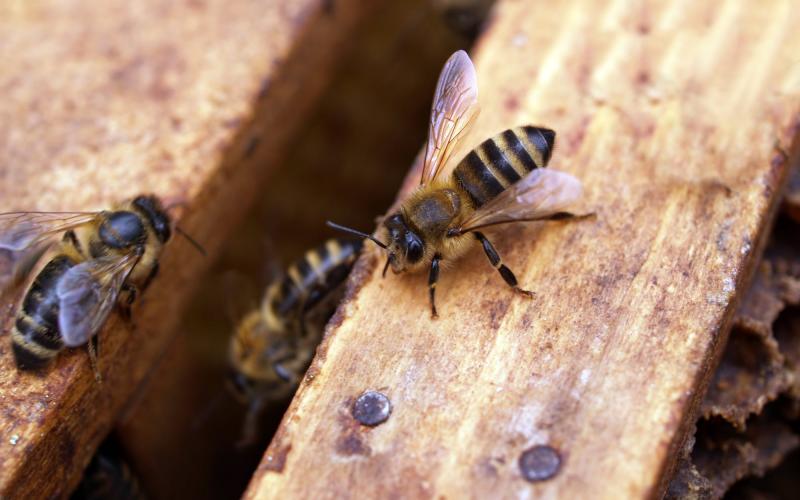
Backyard Biodiversity: Nest boxes for native bees
Many of our native bee species are solitary. In order to ensure that these kinds of bees spend more time in our yards and gardens, it is important to make sure we include places for them to nest.
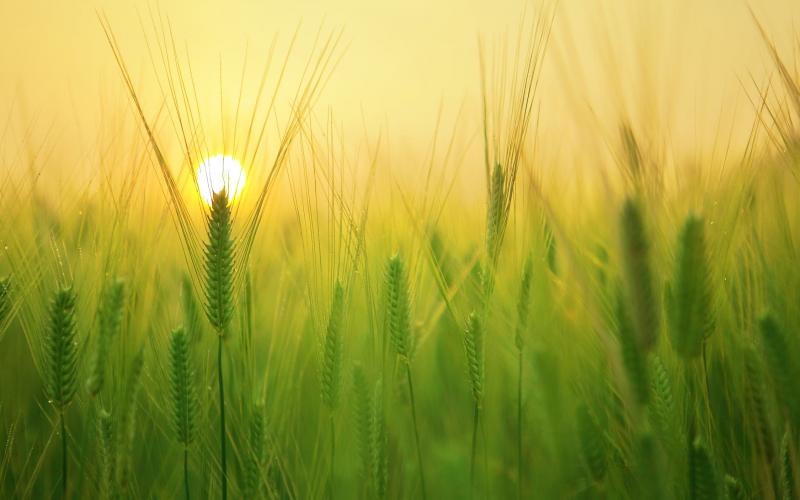
Water Use by Plant Stage
Over the growing season, solar radiation, air temperature and plant size are the dominant factors in determining evaporative demand and the rate of water use by wheat. Water use can vary dramatically on a day-to day basis, depending on climate and wheat health.
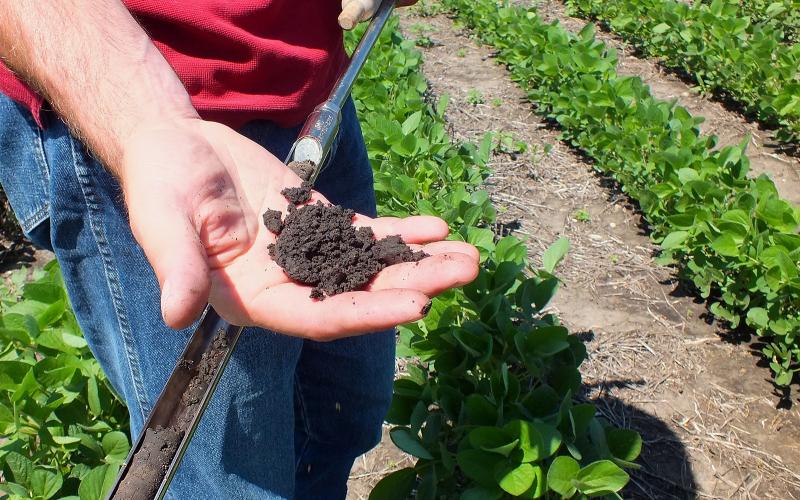
Soil Testing Labs
This page contains a list of nearby state or private laboratories that can be used for crop production fields, gardens and lawns.

Soil Testing for Vineyards in South Dakota
Not all soils are conducive to growing quality grapes, so prospective vineyard sites should be tested before a decision is made to plant grapes. Tests can identify soils that are either too high in pH, salts, or salinity, or that are “too rich” (too high in organic matter and nitrogen) for grapes. In addition, testing before planting allows for the incorporation of nutrients—such as phosphorus—that do not move easily through the soil to plant roots.