Search
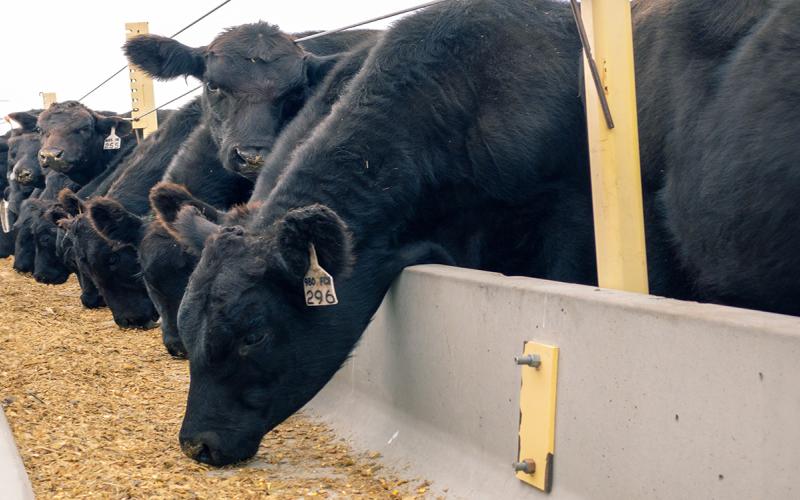
Preconditioning Calves: Is it the right choice?
Preconditioning involves weaning calves at least 45 days in preparation to enter the stocker phase or directly into the feedlot. Learn some important tips to help determine if it's the right choice for your operation.
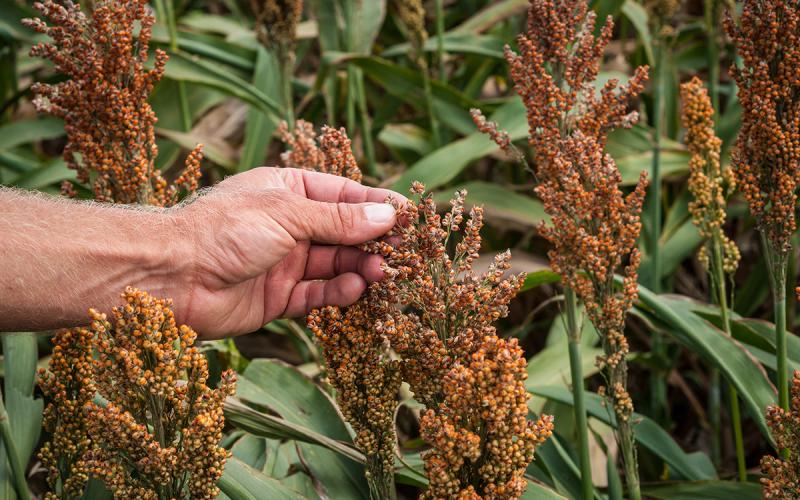
Replacing Corn With Milo in Cattle Diets
Corn is king when it comes to cattle diets, especially in the Corn Belt. However, that does not mean that corn grain is our only option. Milo (grain sorghum) can be a viable option under certain market conditions.

SWOT Analysis for Your Ranch (And Don’t Forget About Yourself)
Completing a SWOT (Strengths, Weaknesses, Opportunities, Threats) analysis allows you to evaluate your operation's current position and decide on management strategies to achieve your goals for the next year. Learn how to get started today!
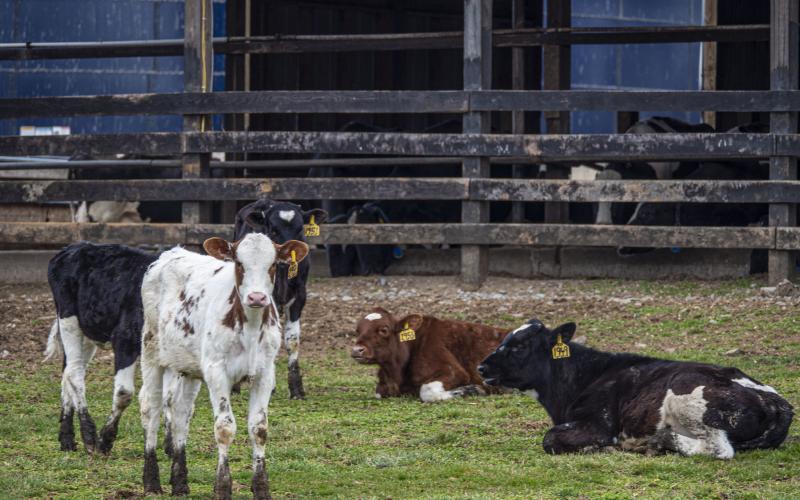
I Got a FARM Corrective Action. Now What?
The Farmers Assuring Responsible Management (FARM) Animal Care Version 4 rolled out January 2020. As dairies have their farms evaluated with this new version, there may be questions about corrective actions.
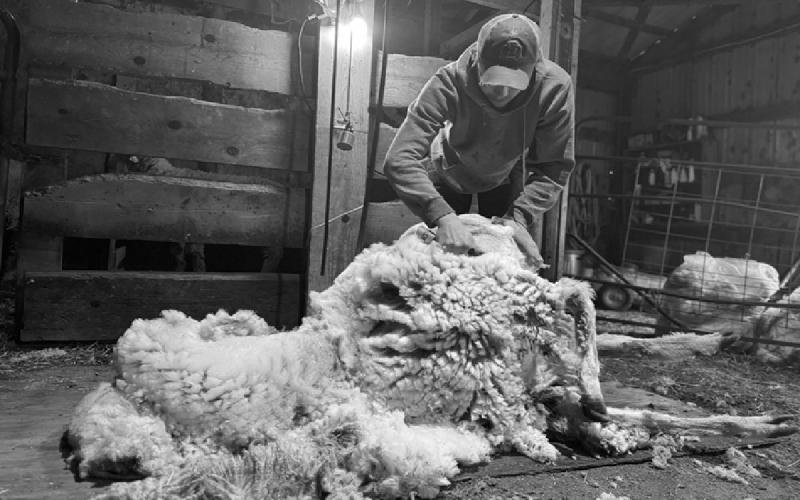
Shearing Before Lambing: A Management Tool for Lamb Growth and Survival
While some producers shear primarily for wool management, recent research has shown that pre-lambing shearing can also influence lamb birth weight, vigor, and early growth.

Using Corn Wisely for Replacement Heifers
Producers’ goals are to maximize returns and this could be achieved through least-cost rations that provide the desired performance.
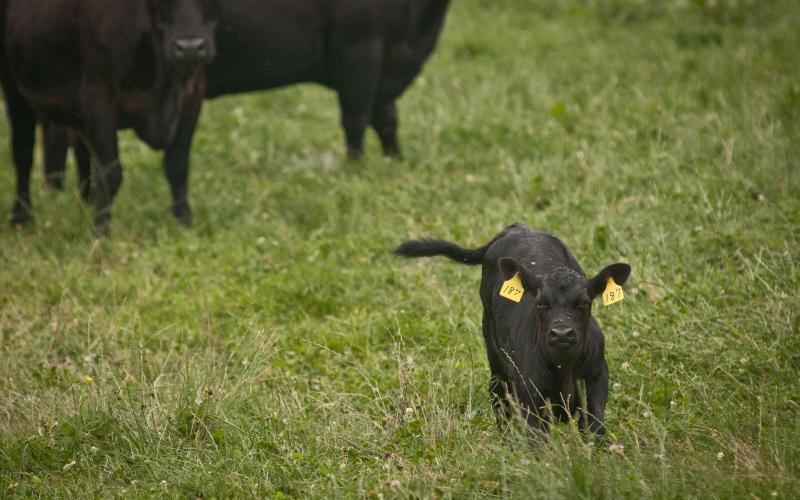
Calf Implants: Use/Don’t Use At Grass Time?
While the performance benefits of implanting calves through the suckling phase is well documented, many cattlemen choose not to employ this management practice in their operations.
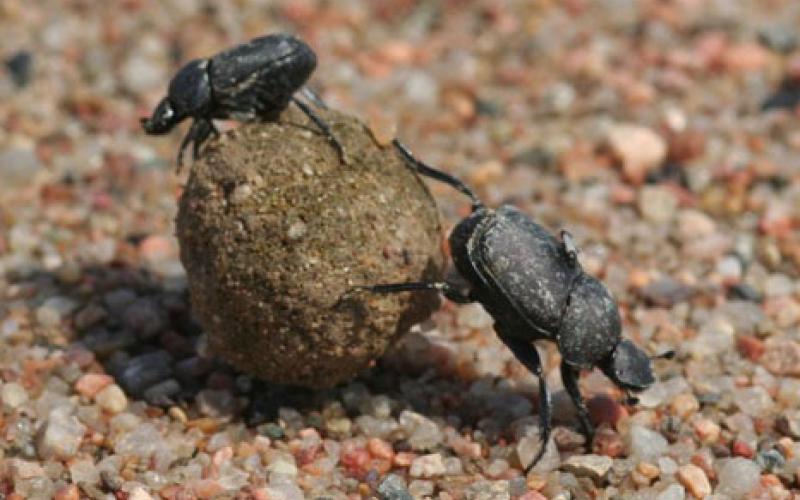
Promoting Dung Beetles on the Range
In South Dakota, dung beetles help regulate rangeland health through dung dispersal.
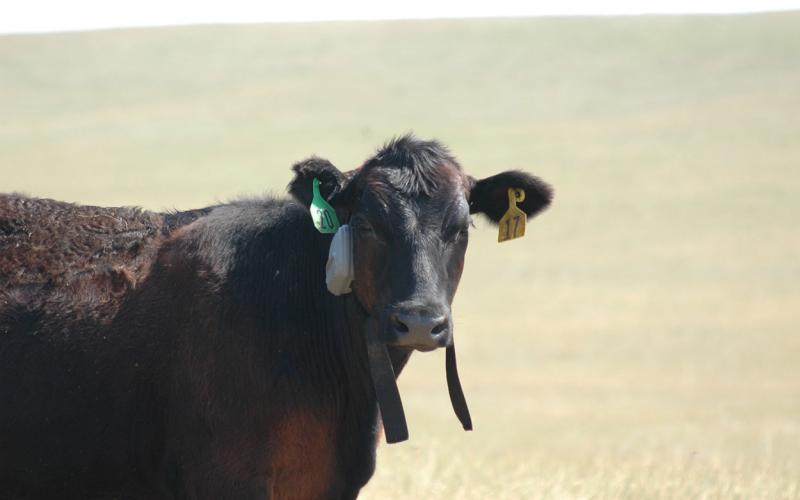
Virtual Fencing: Emerging Companies, Functionality and Benefits
Research conducted in the past few years has shown promising results for virtual fencing to be a viable option in many scenarios.
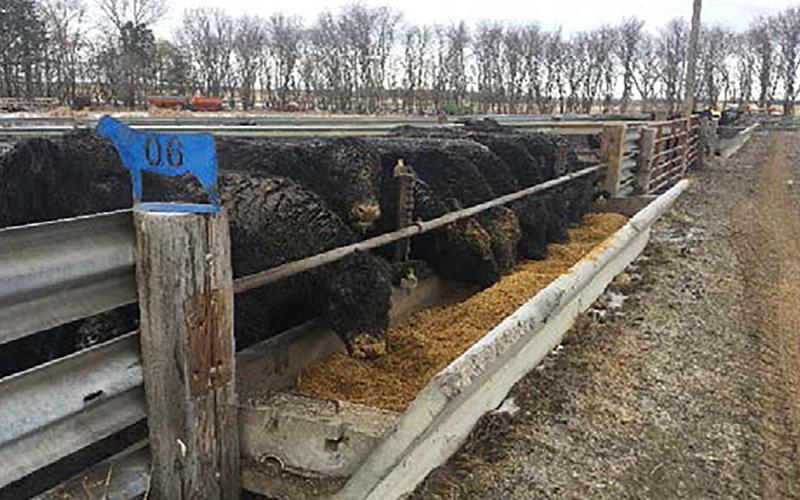
Case Study: Effect of Adding More Concrete to Open Pens
Mud caused by excessive precipitation dramatically reduces cattle performance. Pouring additional concrete and working on improving pen surfaces are approaches that can improve poor-weather performance in an open yard.