Search
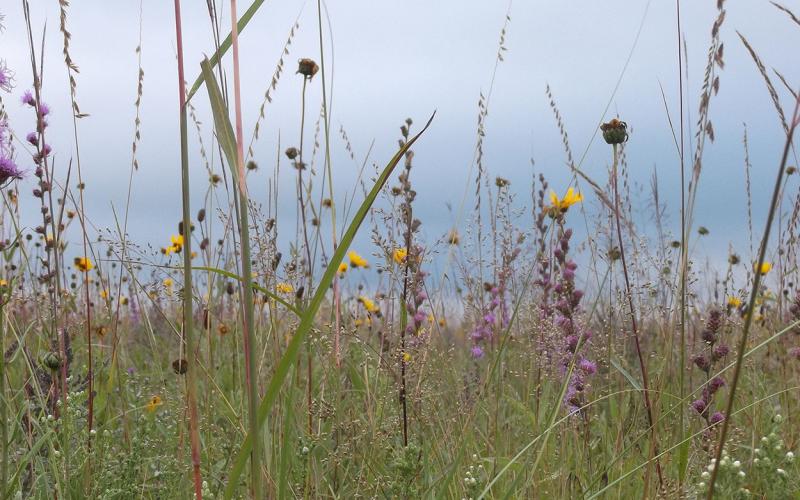
Partnerships Are Keys To Preventing Endangered Species Impacts
South Dakota’s farmers and ranchers have significant influence on the management of our state’s natural resources, especially grasslands and the species that inhabit them. These species remind us of the importance of natural resources management for the greater good.

Smart to Lead SDSU Extension Agriculture and Natural Resources Program
July 06, 2021
South Dakota State University Extension has named Alexander “Sandy” Smart as the new Agriculture and Natural Resources Senior Program Leader.
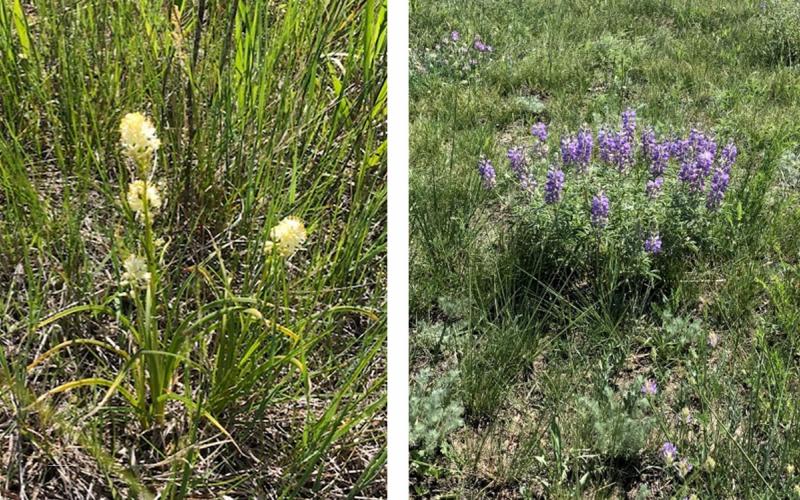
Poisonous Plants on Rangelands: Deathcamas and Lupine
With prolonged drought conditions throughout many areas of South Dakota, there is an increase of invasive weeds and poisonous plants on rangelands. Identification of poisonous plants is crucial to ensure livestock production is not compromised.

Drought Assistance Questions Answered
Dry conditions persist across the state, and many new questions are being asked regarding the federal assistance programs available from the U.S. Department of Agriculture Farm Service Agency.
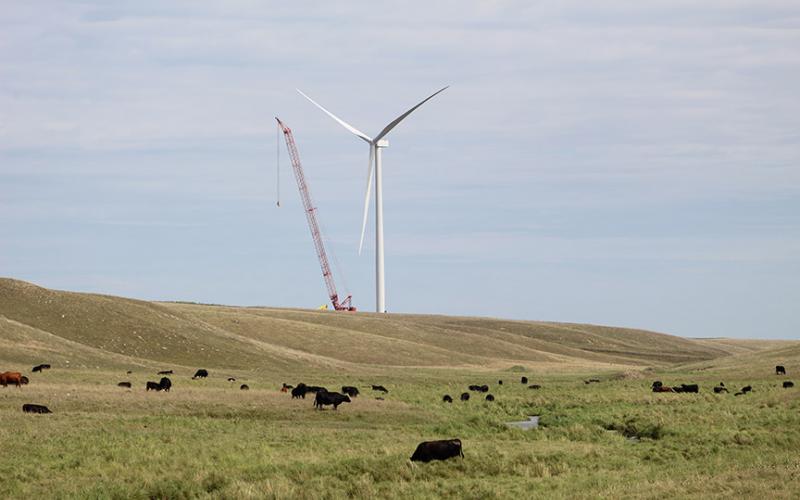
Best Management Practices Guide for Restoration of Native Grasslands and Sensitive Sites Resulting from Energy or Industrial Development
A general guide to South Dakota landowners who are considering or who have allowed energy or other industrial development on their property.
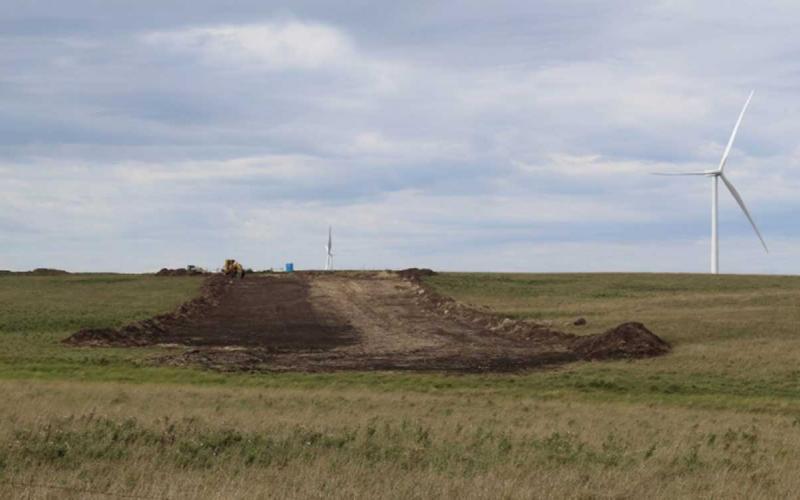
Understanding Contract Language and Restoring Native Grassland Damage after Energy Development
Energy development on private lands can result in locally heavy land manipulation. Of particular concern is the manipulation of native grasslands and other sensitive areas and how it will affect those areas in the short-and-long-term.

Johne’s Disease Testing in Beef Herds: Looking at the Available Tests
Once thought to be a dairy cattle problem, Johne’s Disease is increasingly a topic of conversation for beef seedstock and commercial producers alike. An understanding of the Johne’s Disease testing options available is a good first step in devising a herd health plan.
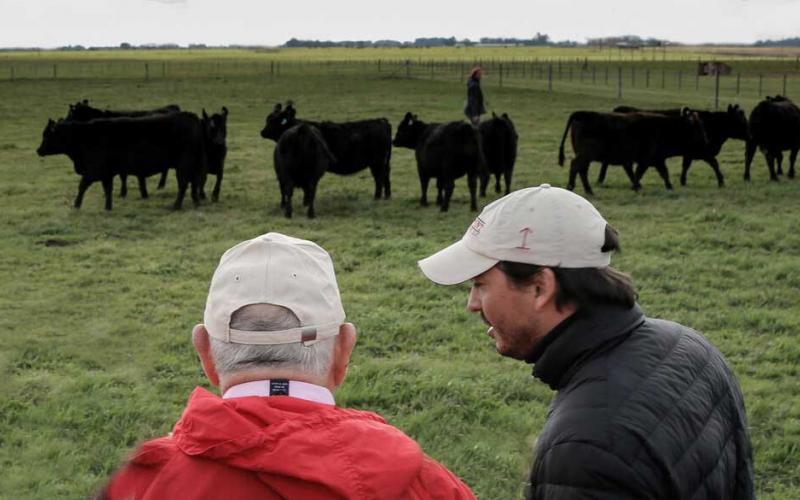
Johne’s Disease Testing in Beef Herds: Testing Plans and Responses
While still somewhat imperfect, testing herd animals for Johne’s Disease is an appropriate tool for producers and their veterinarians to begin to get a handle on the level of infection and to implement sound strategies for limiting the disease’s effects.
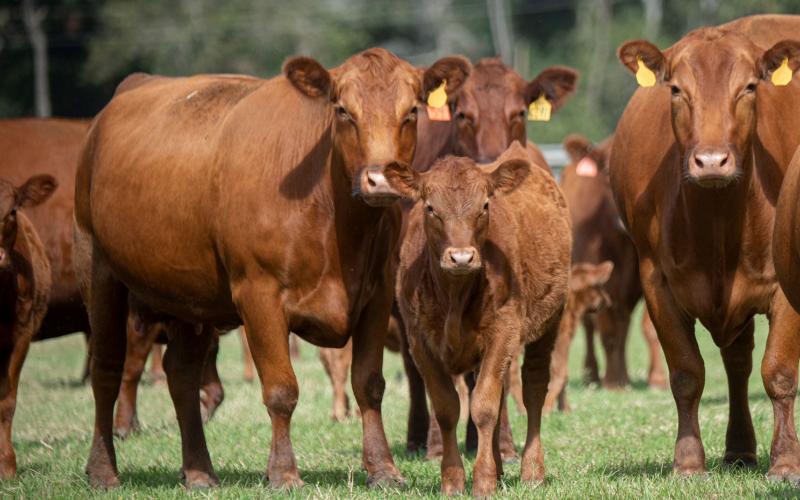
The Bovine Estrous Cycle
Fact sheet on the bovine estrous cycle. Available in English and Spanish.
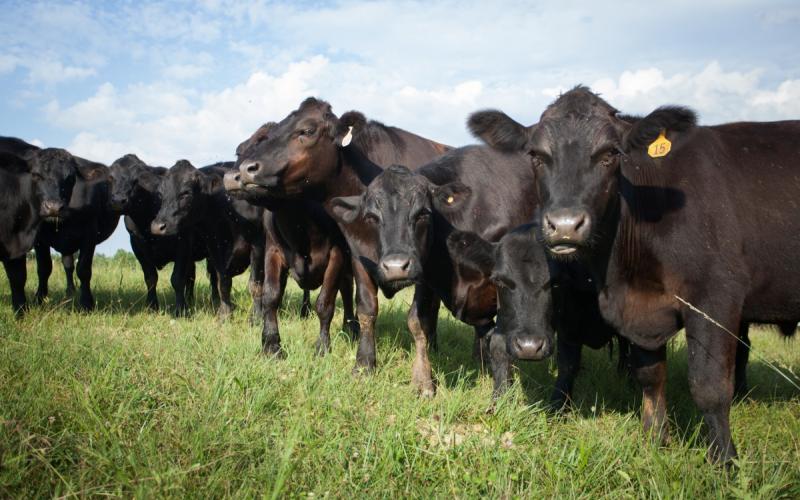
Understanding Estrous Synchronization of Cattle
Fact sheet on the use of estrus synchronization of cattle. Available in English and Spanish.