Search
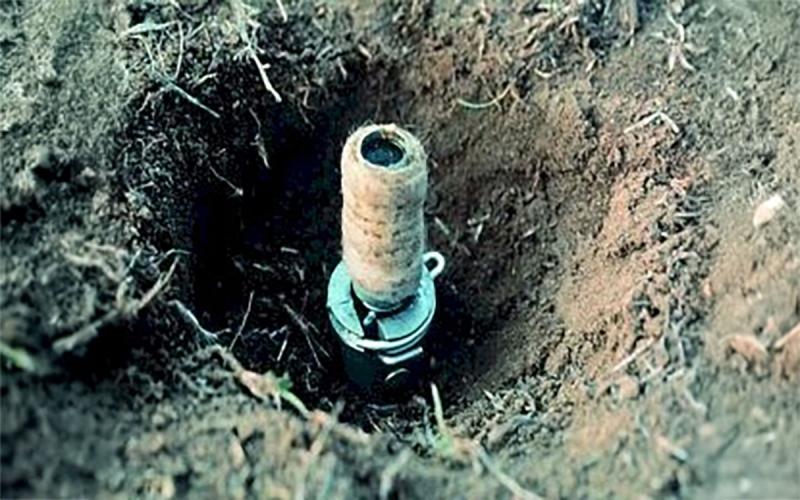
Private Applicator Endorsements for M-44 Devices, Fumigants, and Aerial Applications
Recent changes to South Dakota private applicator pesticide regulations have impacted the requirements to use M-44 predator-control devices, fumigants, and to apply pesticides from aerial vehicles.
SDSU Extension to host webinar on backgrounding calves
December 15, 2023
Backgrounding Fundamentals is from 12:30 p.m. to 1:30 p.m. CST/11:30 a.m. to 12:30 p.m. MT on Jan. 10, 17 and 24, 2024.
SDSU, UNL Extension host Siouxland Feedlot Forum
April 27, 2024
South Dakota State University Extension and the University of Nebraska-Lincoln Extension are hosting a Siouxland Feedlot Forum on June 18, 2024, in South Sioux City, Nebraska.

How Do Genetics Impact Animal Well-Being?
Genetic engineering is a promising tool that could be used to improve animal welfare while lowering costs of production.
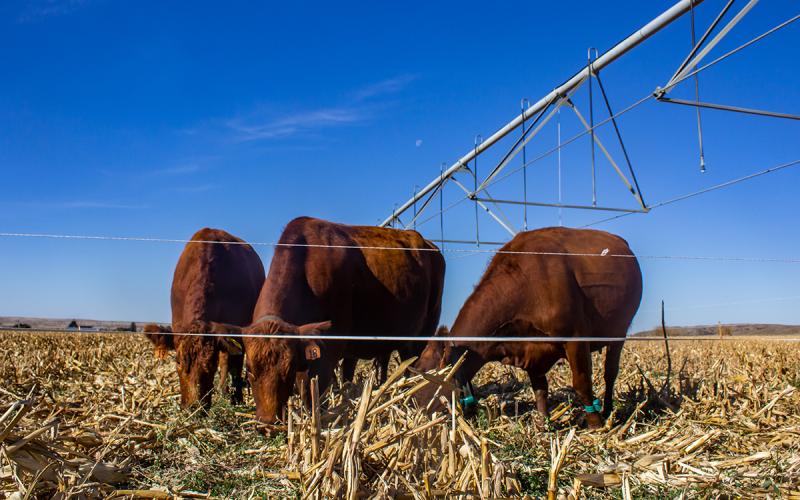
Stretch the Grazing Season by Grazing Corn Residue
Grazing corn residue can be an excellent strategy for stretching the grazing season. Learn some expert tips for making the most of corn residue before switching over to the feed tractor in the winter.
Preparing for FARM Animal Care Evaluations
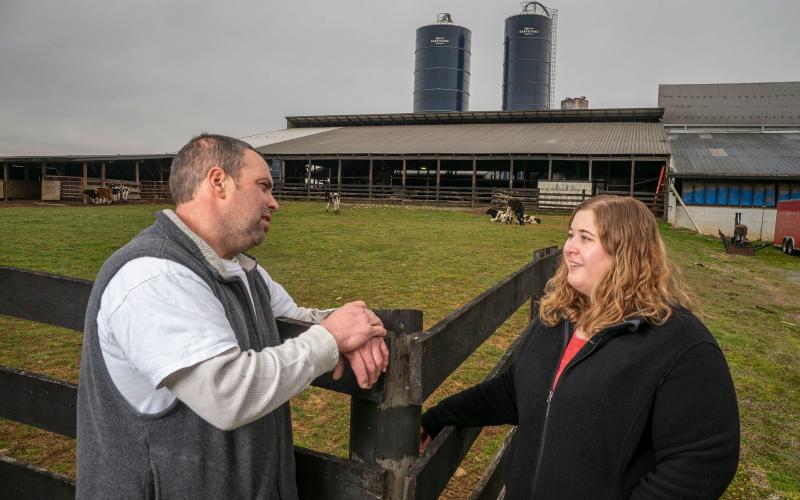
The FARM Animal Care Version 4.0 rolled out January 2020. This article is a condensed tool to aid you in preparing for your next evaluation.
South Dakota pork producers have a chance to tell their story
March 14, 2023
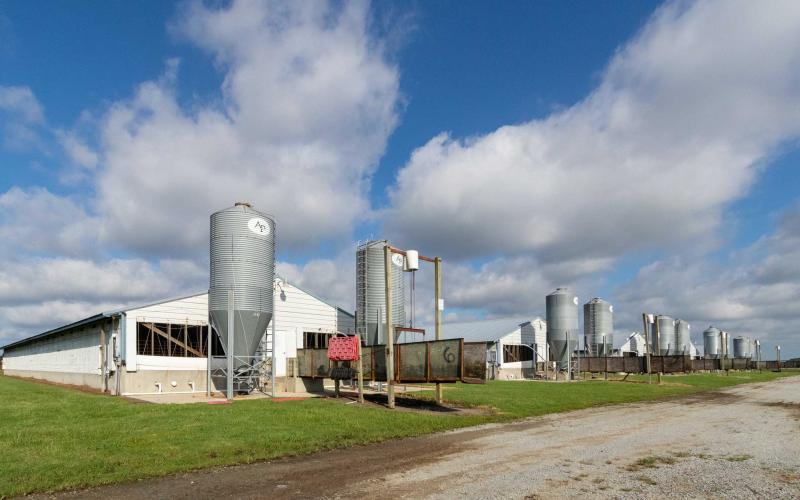
South Dakota State University Extension is encouraging South Dakota hog farmers to join the Your Farm Sustainability Report, a Pork Checkoff-funded project.
Range Roundup: Dormant Season Wildfire Project in Northwestern South Dakota
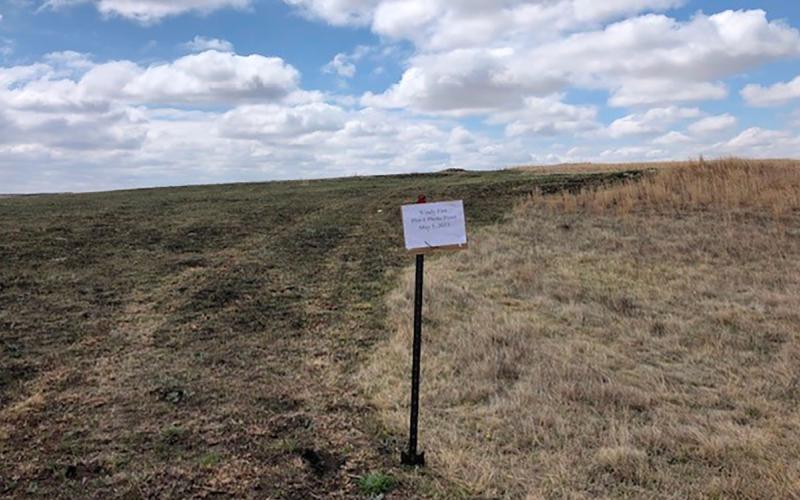
Two of the main environmental conditions that drive post-wildfire rangeland recovery include health of the rangeland ecosystem prior to the wildfire and climatic variables, such as precipitation or drought after the fire event.
Rotational Grazing Improves Stocking Capacity and Ranch Profitability
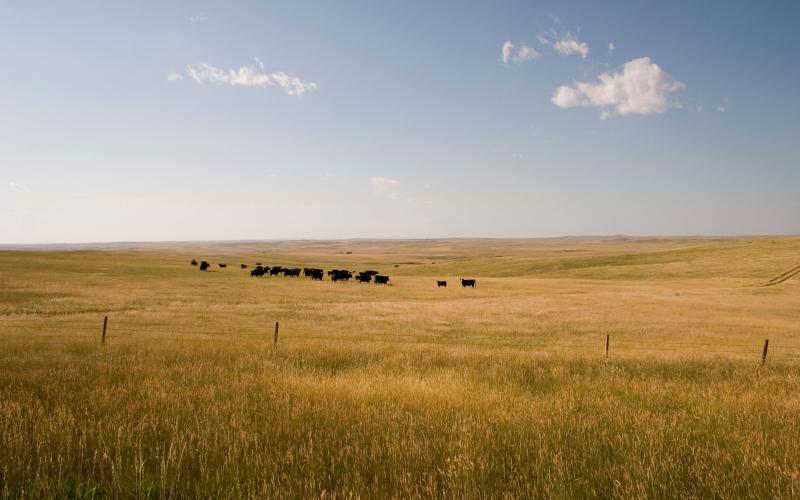
Livestock stocking rate is considered as one of the most important decisions that ranchers can make, as heavy stocking rate causes grassland degradation and adversely impact the sustainable delivery of ecosystem services.
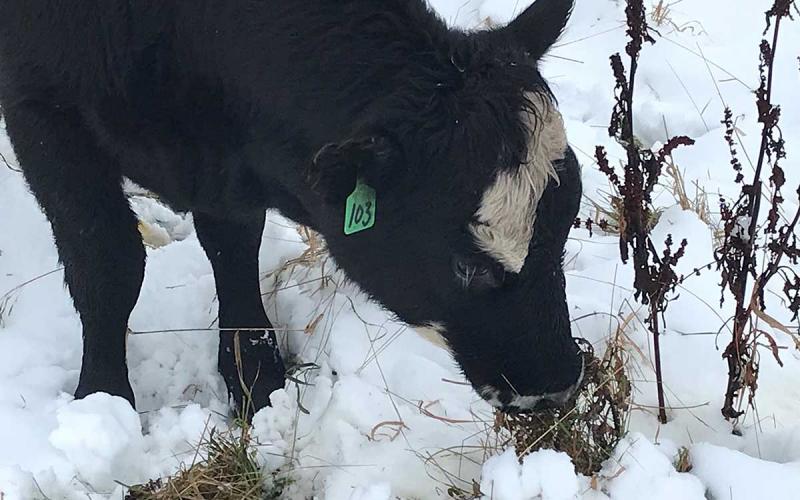
Plan Now to Control Weeds With Grazing Next Season
Livestock will graze Canada goldenrod, Canada thistle and perennial sow thistle. At certain times of the year, these plants have crude protein, total digestible nutrients, and invitro dry matter digestibility concentrations similar to alfalfa and other common forages.