Search
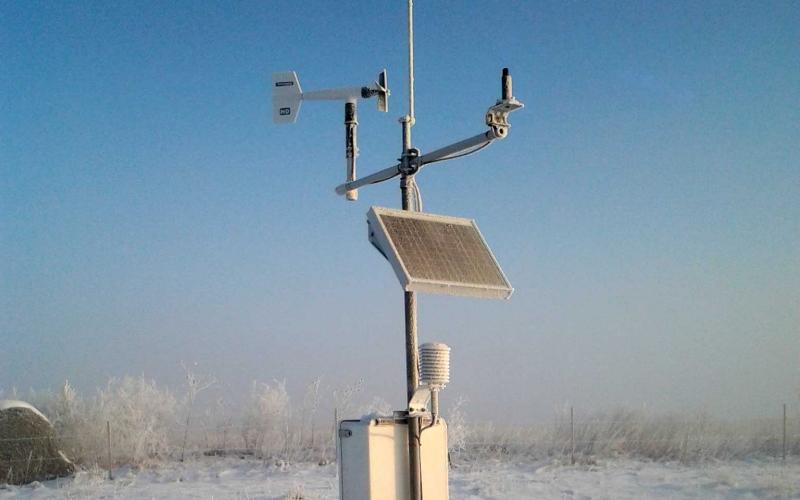
Livestock Stress Tool
Weather conditions in the Northern Plains can present more than a few challenges for livestock producers. From below zero or blizzard conditions during winter or even spring, to heat waves in the summer months, farmers and ranchers need to be prepared for rapidly changing conditions to provide the best care for their livestock and minimize their risks of losses.
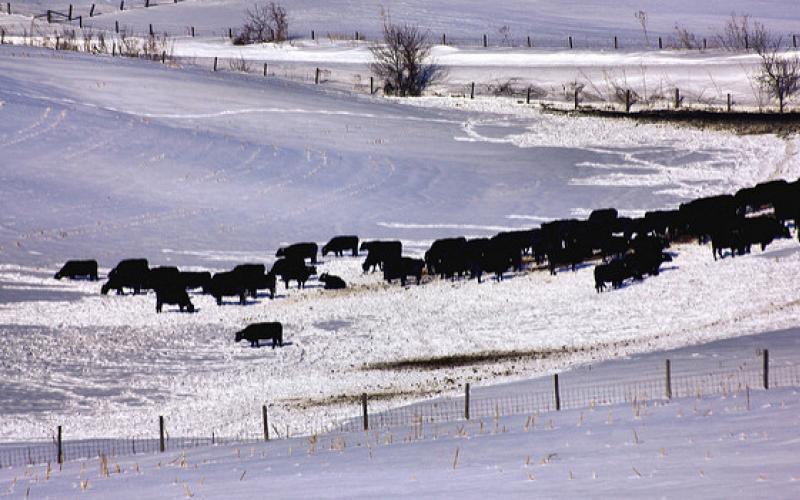
Do You Have To Defer Grazing on Winter Pastures?
How can ranchers improve profitability when feed typically represents well over half of cow-calf production costs? Grazing dormant winter range is a common practice to reduce costs in South Dakota. Grazing winter range when plants are completely dormant minimizes negative impacts on the function of the plant during the growing season. Separate pastures are typically designated for winter use only, often based on availability of winter shelter, water and access to stored feeds.
SDSU Extension welcomes new forage field specialist
February 10, 2026
South Dakota State University Extension is pleased to welcome Kim Ricardo as a new Forage Field Specialist.
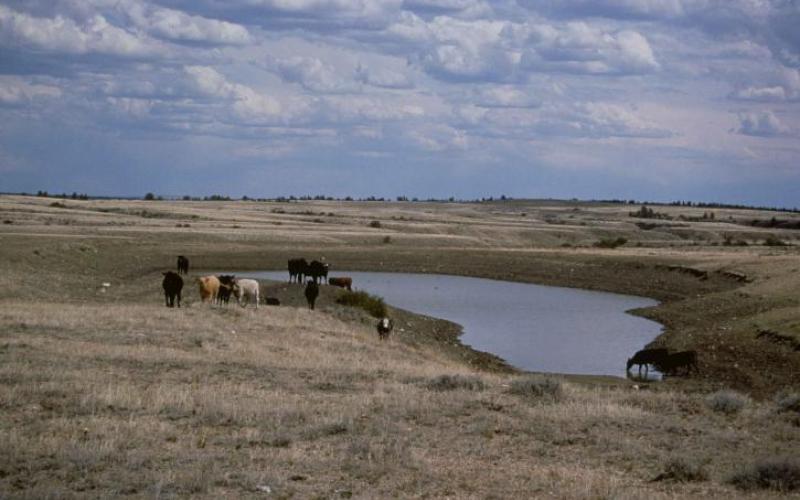
Ranch Drought Planning
Fact sheet with general drought planning tips from the range and natural resource perspective.
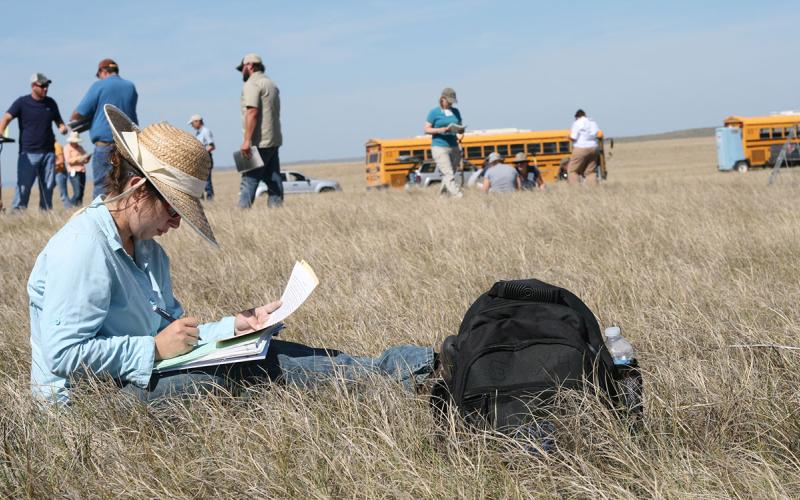
South Dakota Natural Resource Professionals Range Camp Registration Now Open
April 26, 2022
SDSU Extension, in partnership with the U.S. Forest Service, the Bureau of Land Management and the Natural Resource Conservation Service, is hosting a three-day range camp June 28-30 in Belle Fourche, South Dakota.
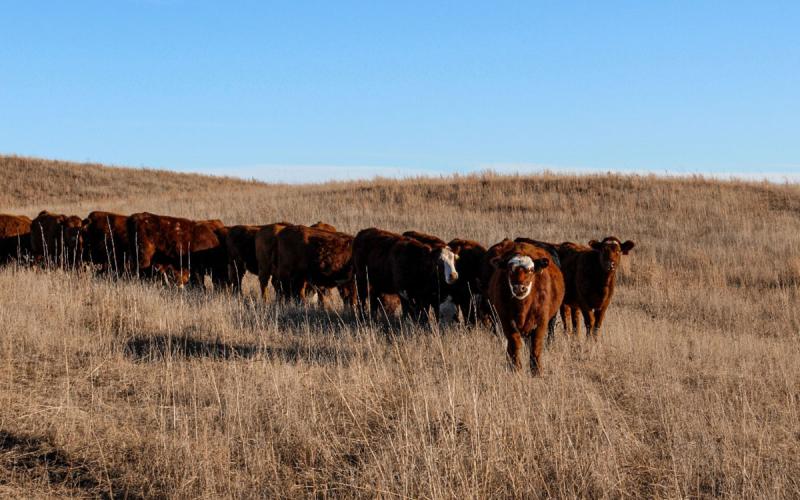
Fall Pasture Report: Considerations for Dormant Season Grazing
Recent fall rains across the region continue to improve soil moisture conditions in preparation for the dormant season. Unlike in years past, a fall green up has been in full swing for much of the region.
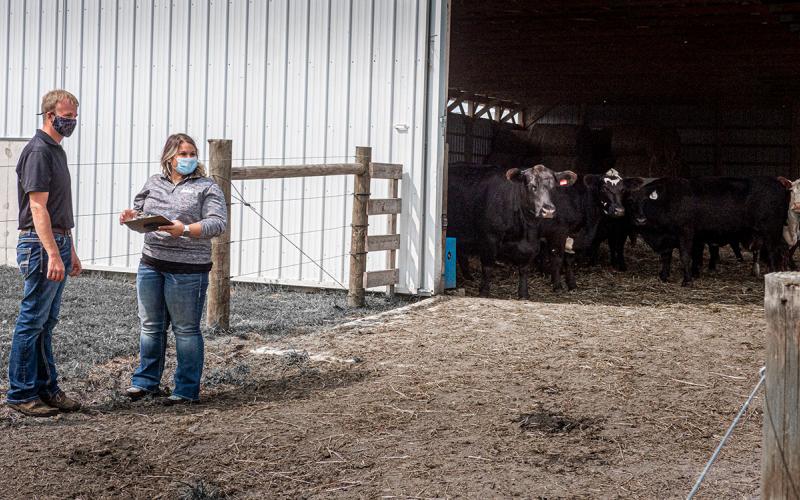
Biosecurity for Beef Cow-Calf Operations: Managing the Entry of New Animals
Infectious disease can impact cow-calf operations in dramatic ways. These steps should be considered the minimum standards for introducing new animals into cow-calf operations to avoid the spread of infectious disease.
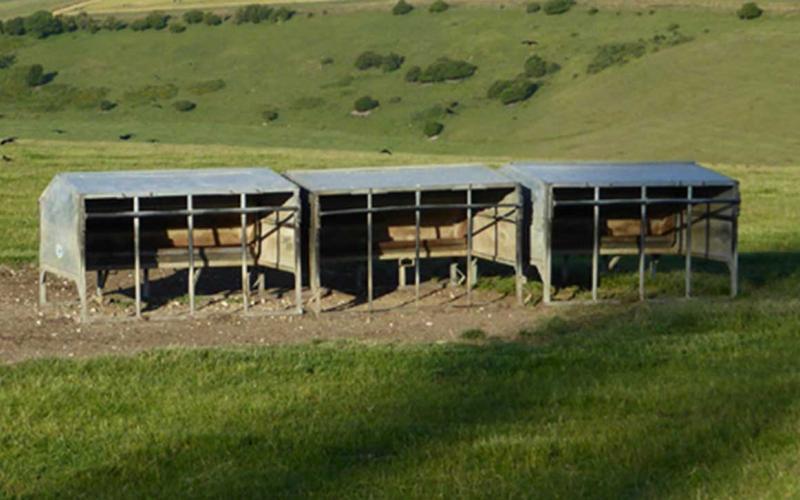
Creep Feeding Options: Will it Pay?
Creep-feeding should be evaluated on yearly basis to determine if it will provide production and economic benefits to the operation.

Keep Your Pastures Guessing: Why predictable grazing is costing you
Your cattle don't care which pasture they're in. Your pastures, on the other hand, care enormously. Give them something to work with, and keep them guessing.
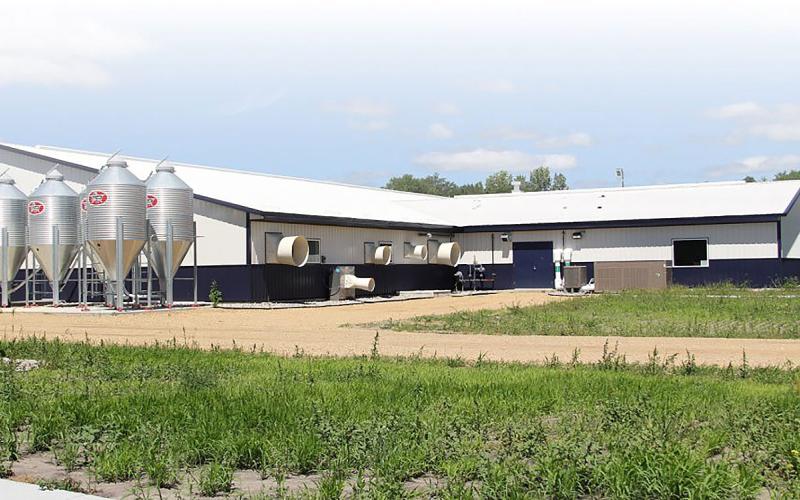
Comparing Feeder Types in the Wean-to-Finish Barn
The differences in pig performance are important to consider in choosing feeder type between dry feeders and wet-dry feeders. Learn some key findings from South Dakota State University's wean-to-finish barn.