Search
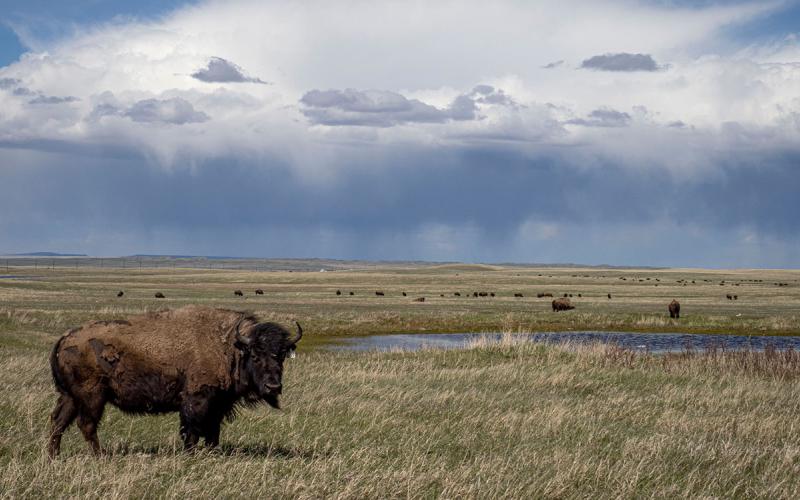
Are bison amenable or non-amenable? How does the definition of bison affect harvest systems and quality of meat and carcasses?
While status of bison as an amenable versus non-amenable species seems confusing and complex, there are associated benefits and consequences for each definition.
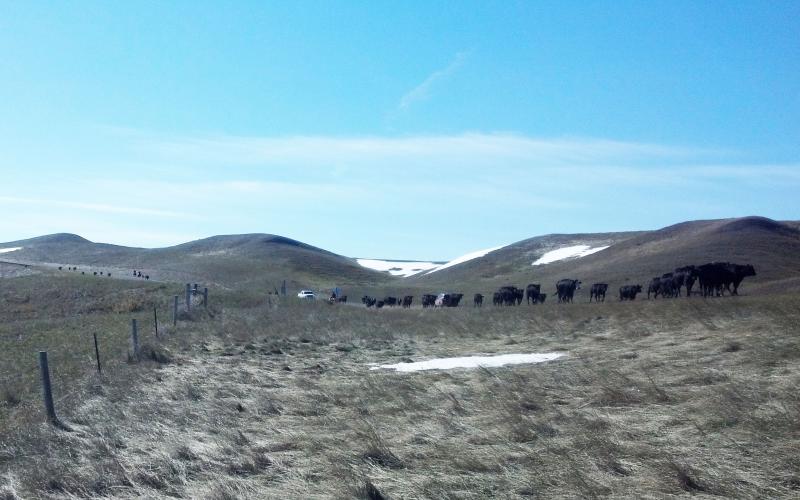
Winter Grazing
The predominant factor in winter grazing is ensuring adequate forage availability while considering long-term range health. When managed correctly, grazing winter range can be a viable option for controlling feed costs without negatively impacting rangelands.
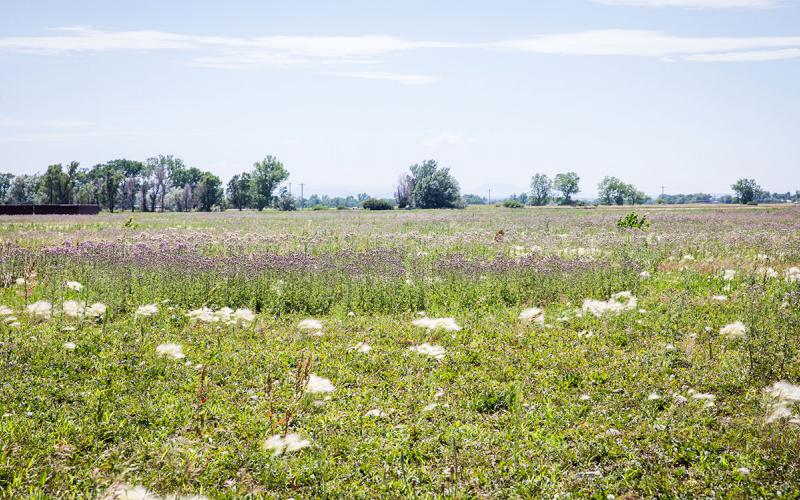
Invasive Species Management in Grasslands
Once invaded, grasslands can shift dramatically toward dominance of exotic species and require an integrated approach to species control that considers all tools, such as mechanical (cutting, burning), cultural (grazing) or chemical alternatives.
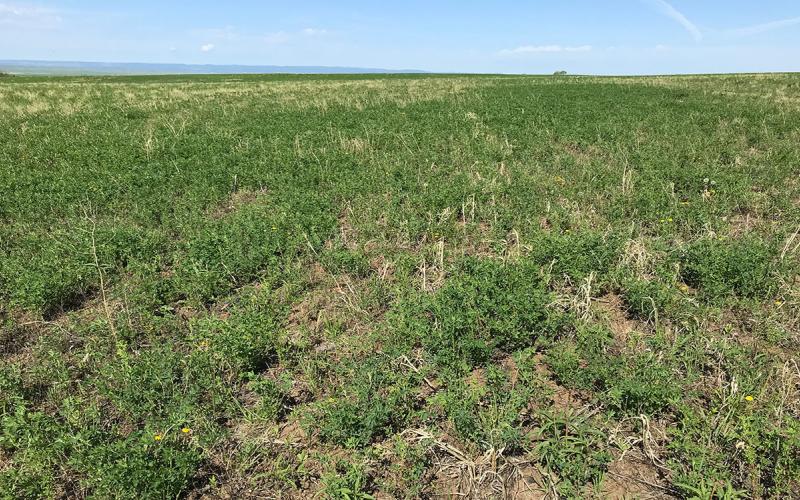
Replanting Cropland Back to Grassland
Planting cropland back to grassland takes some planning regarding previous herbicide use, soil fertility and seed bed preparation. The first step is to identify what resources are currently available to help you reach your objectives and what problems may need to be addressed.
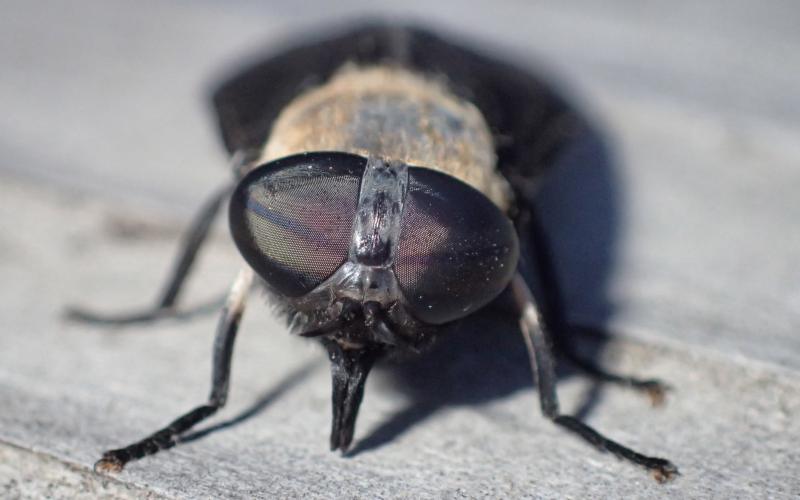
What are Those Gigantic Flies?
As we progress later into the summer, we commonly see an increase in horse fly activity.
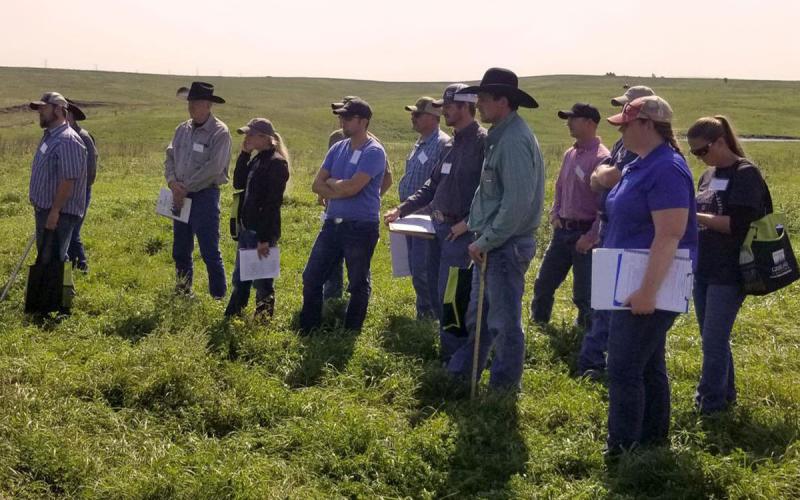
South Dakota Grassland Management Resources
The South Dakota Grassland Coalition provides educational opportunities for producers and agency personnel alike and has a wealth of informational tools available to share with others seeking assistance.
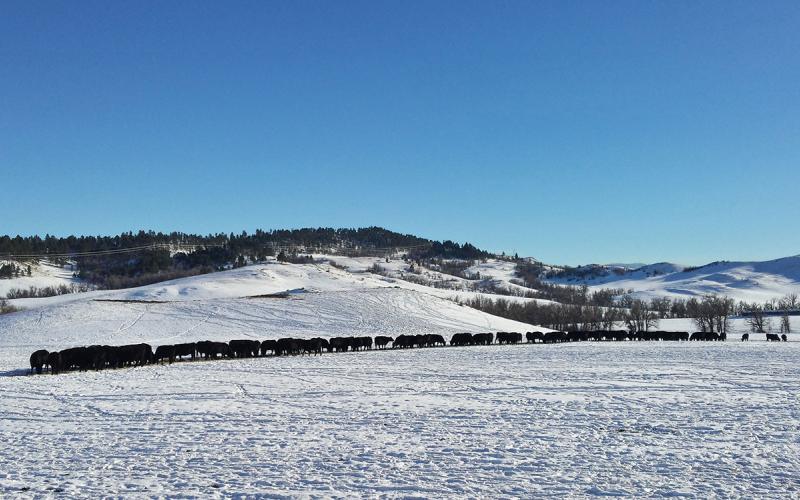
Swath/Bale Grazing
Swath grazing and bale grazing are harvest systems that mesh haying and grazing techniques. Generally, the objective is to reduce labor and equipment expenses by allowing livestock to consume the hay crop in the field.
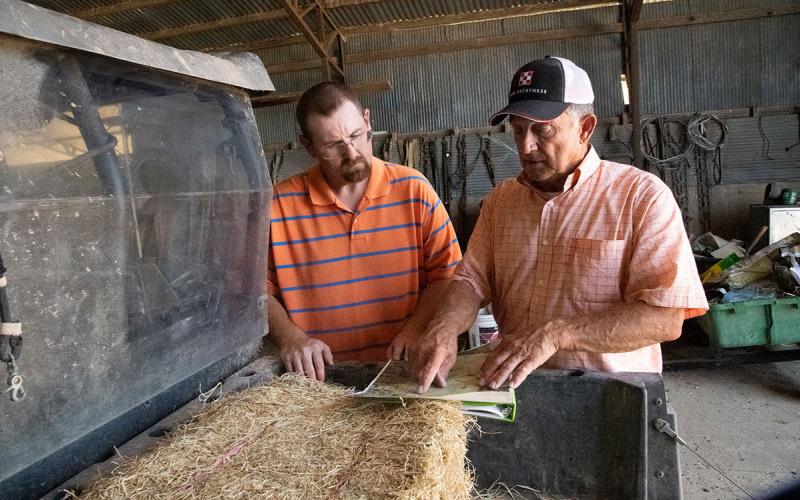
Hay Harvest Contracting
For those landowners who typically lease or harvest grasslands for hay, contracting for services is a learned business that can have local variations in how the grass and associated services are valued.
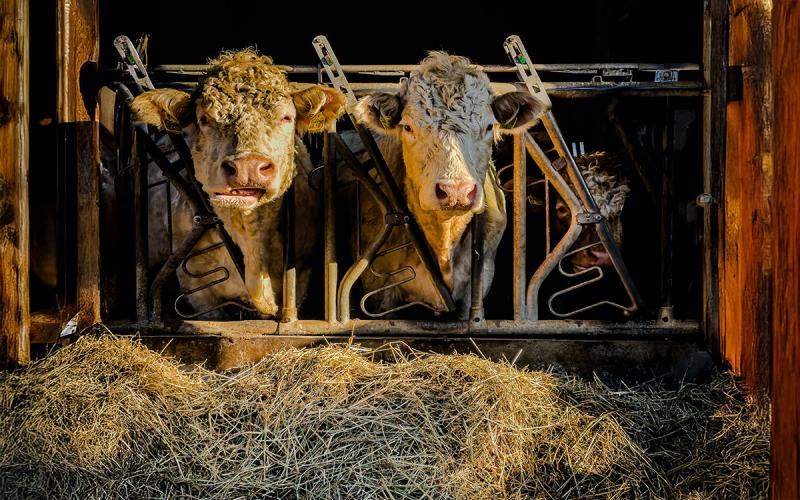
Feed Management for Efficient U.S. Livestock Systems: Introducing the National Animal Nutrition Program’s Feed Management Committee
The National Animal Nutrition Program’s Feed Management Committee brings together experts in animal science, nutrition, and natural resource management to increase awareness and use of livestock feeding management and to address conservation needs.
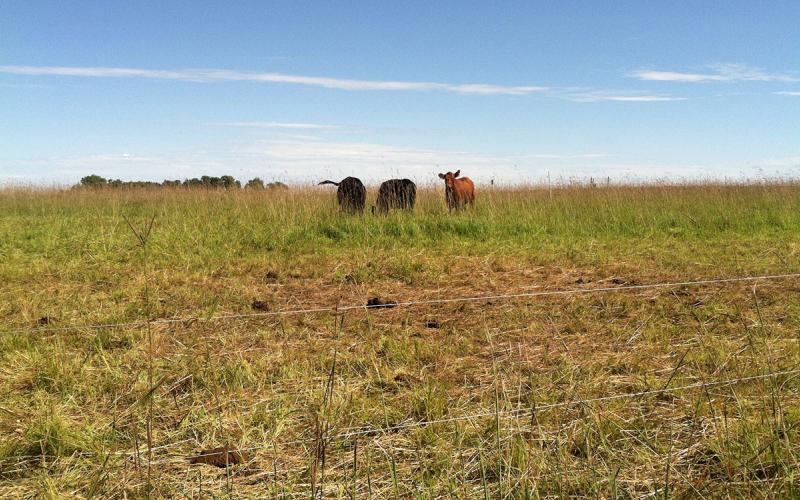
Connecting Nutrition and Conservation: The Importance of CPS 592
Conservation Practice Standard (CPS) 592 is a practical feed management framework that helps producers move toward greater profitability, accountability, and sustainability without sacrificing performance.