Search
Getting the Most Out of Your Cull Cows
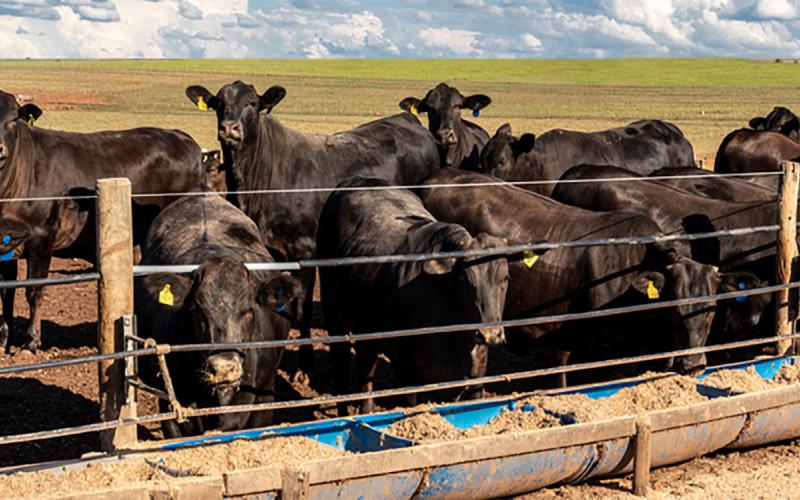
Pregnancy detection is a tool that producers can use to manage cow herd expenses. An open cow continues to incur feed and health expenses until they are marketed. Early pregnancy diagnosis may increase profitability if open cows can be culled earlier.
Noxious Weed Control in Pasture and Range
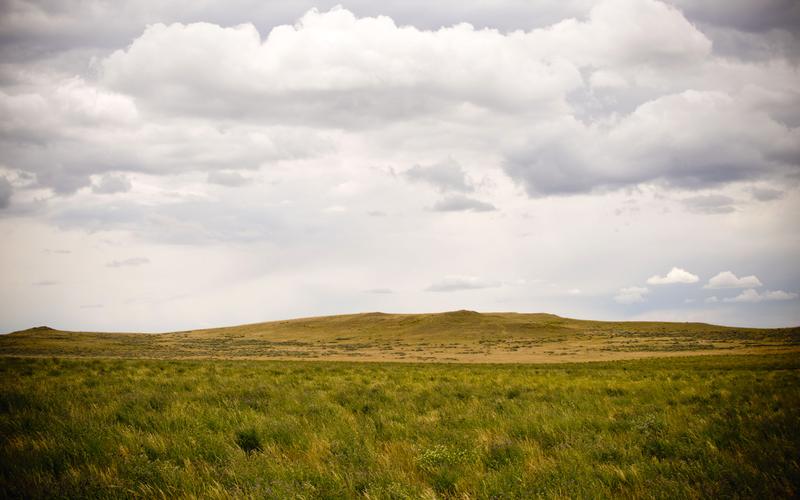
Noxious weed control in pastures is becoming more of a challenge. Most ground commercial spray businesses are no longer spraying pastures. If they are, there may be restrictions on the time they will spray, what products they will spray, or they may only spray if they also have all of the rest of your spraying business.
Historical Trends in South Dakota’s Agricultural Land Values by Land Use
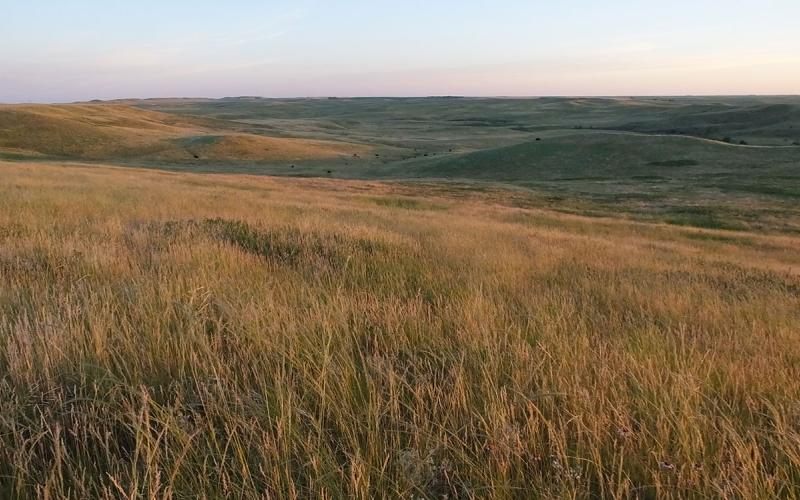
Average cropland and pasture values increased in all regions of South Dakota between 1991 and 2024. Learn some expert insights into South Dakota's regional trends in agricultural land values and rental rates for cropland and pasture/rangeland.
Haying With Wildlife in Mind
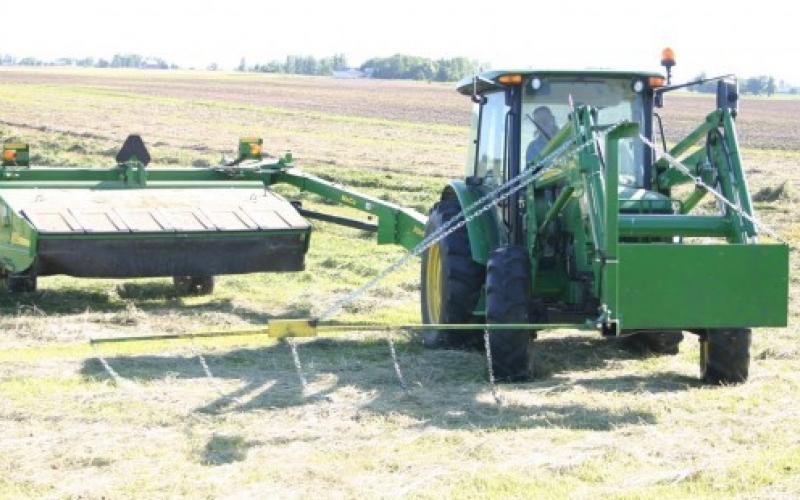
Anyone who has spent time cutting hay knows that hayland can be a magnet for wildlife in late spring and early summer. Hay fields are often considered an “ecological trap” for wildlife; that is, they appear to be high quality habitat for nesting or feeding due to tall, dense grass and legumes, but often lead to increased mortality once harvesting is under way.
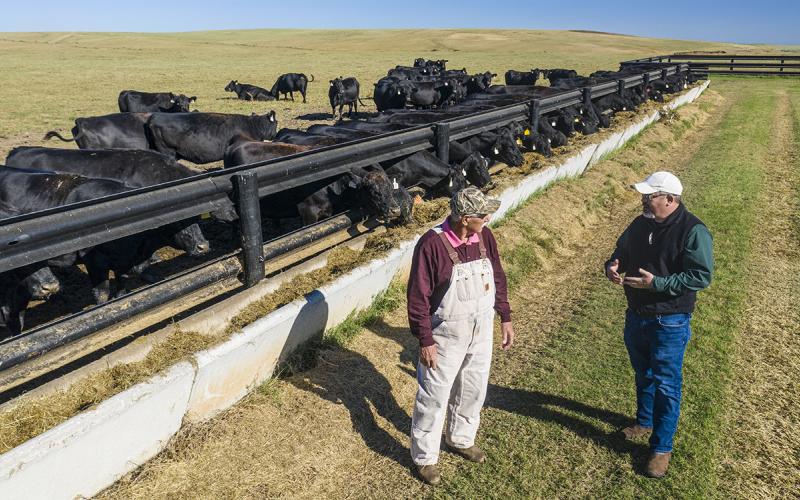
Salt Toxicity: Water Deprivation
Salt toxicity is a result of either a high concentration of salt in a diet or water deprivation. Learn how to recognize its symptoms and work with your veterinarian to prevent it from impacting your animals.
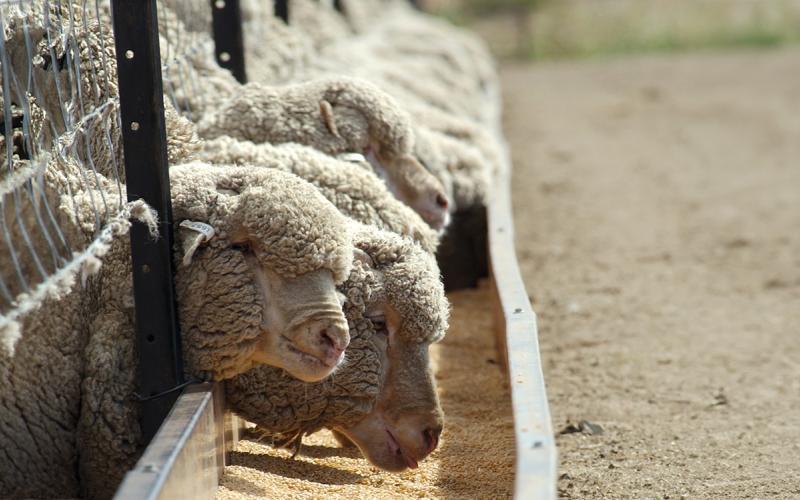
Waterbelly in Small Ruminants
Waterbelly (urolithiasis or urinary calculi) is a concern in male sheep and goats on high-concentrate rations. Knowing its symptoms, forms, and prevention strategies can help you make the best decisions for your flock.

Distillers’ Dried Grains With Solubles Decreased Feed-To-Water Ratio
Recent research at SDSU found that using distillers’ dried grains with solubles in swine diets showcased a significant impact on water consumption, leading to a decrease in the feed-to-water ratio.
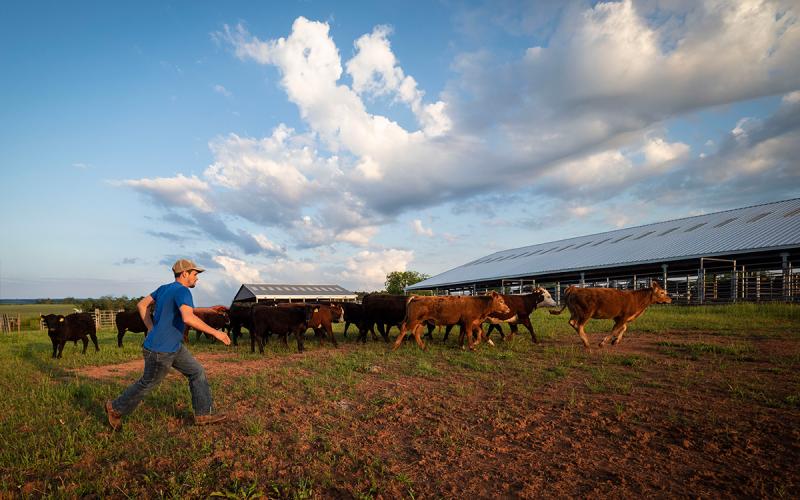
Preparing for the Fall Run
Having a plan in place for weaning and marketing will reduce stress for both your operation and your calves when the grazing season comes to an end and movement of calves begins.
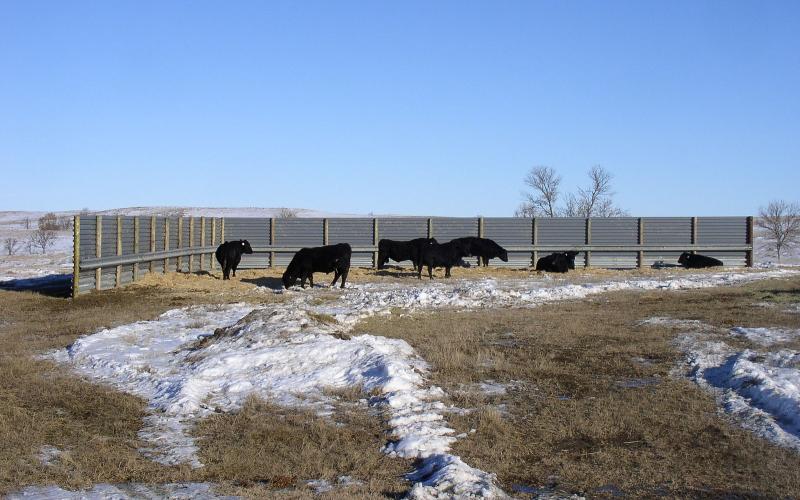
Don’t Discount the Need for Vitamin A and E in Beef Cows During Winter
Supplying sufficient Vitamin A and Vitamin E to cows in late gestation is important every year. Vitamins A and E are plentiful in green forages, but tend to be much lower in hay and winter range and continue to decline as the fall and winter progress.
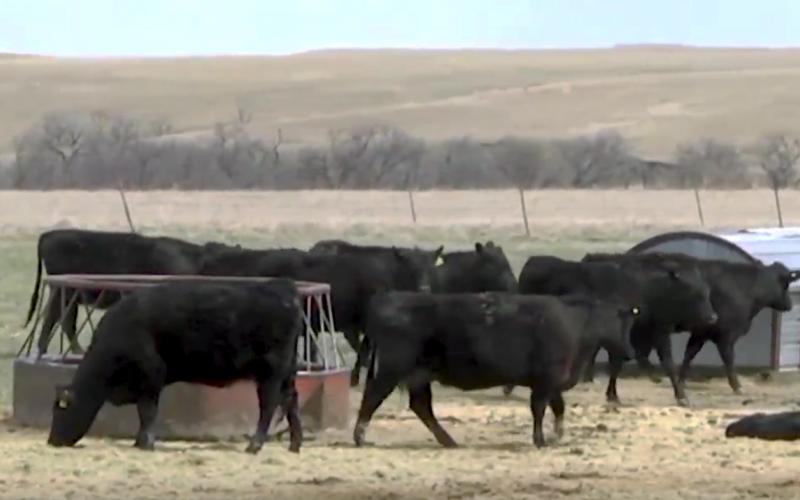
Clearing up Confusion on Protein and Energy Supplements
Differentiating between protein and energy supplements is key to developing an effective cattle supplementation program, but it can be very confusing. With the multitude of feed options available, understanding types of feeds and nutrient requirements will help ensure cattle perform optimally.