Search
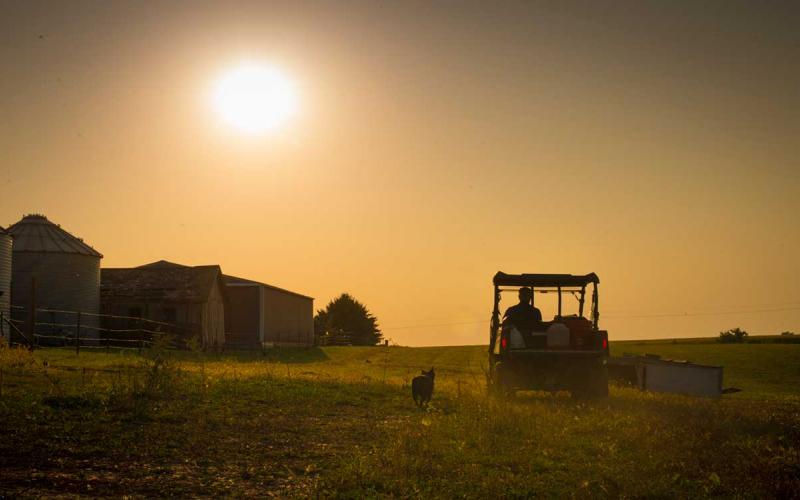
Use Caution When Fall Spraying Noxious Weeds in Pastures To Avoid Harming Desirable Plants
Noxious weed control is often a long-term process. In some cases, chemical application may be deemed necessary, but it should always be considered in the context of appropriate management and an integrated best management framework.
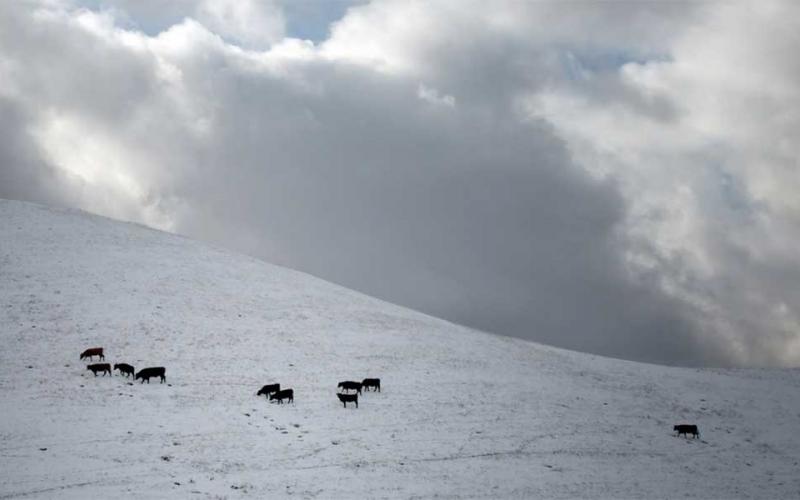
Rotational Grazing During Winter
Winter feed represents one of the largest costs for a livestock production enterprise. Grazing pasture that has been stockpiled for winter use is a rational alternative to limit costs resulting from both harvest and feeding of hay.

Getting Ready for Winter on the Range
During periods of summer and fall drought, winter grazing opportunities may be limited or not available at all. Ranch managers must ensure that enough residual plant height and vegetation cover of the soil surface is available through the winter to aid in recovery of the rangeland.
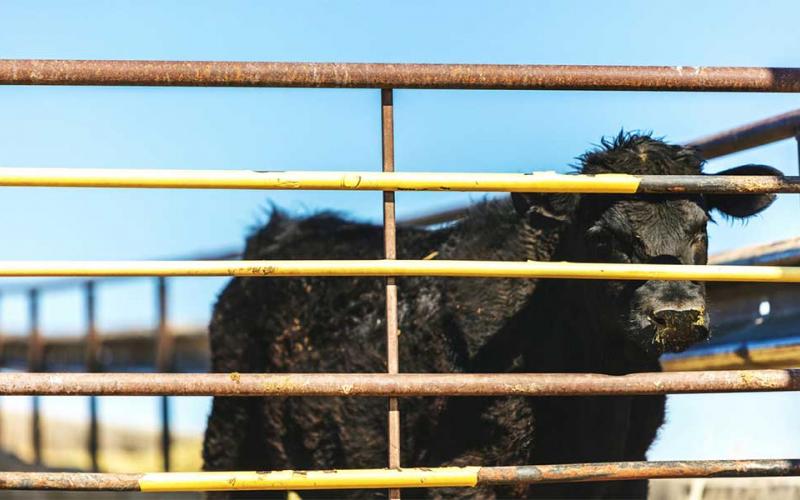
Mycoplasma Bovis in Feedlot Cattle: Why It’s Different and How It Causes Illness
Mycoplasma bovis is widely distributed throughout feedlot cattle populations. The insidious nature of Mycoplasma infections, and their ability to become well-established by the time they’re observed, create challenges for treatment and prevention.
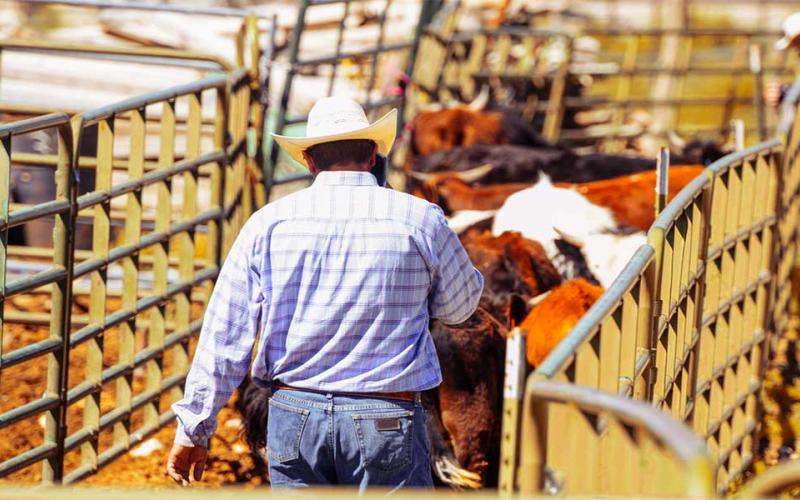
Mycoplasma Bovis in Feedlot Cattle: Treating and Controlling Infections
Mycoplasma bovis is a challenging component of respiratory disease in feedlot calves. Understanding the factors that help it become established is a good first step in formulating a plan with your veterinarian to help diminish its impact on health and productivity.
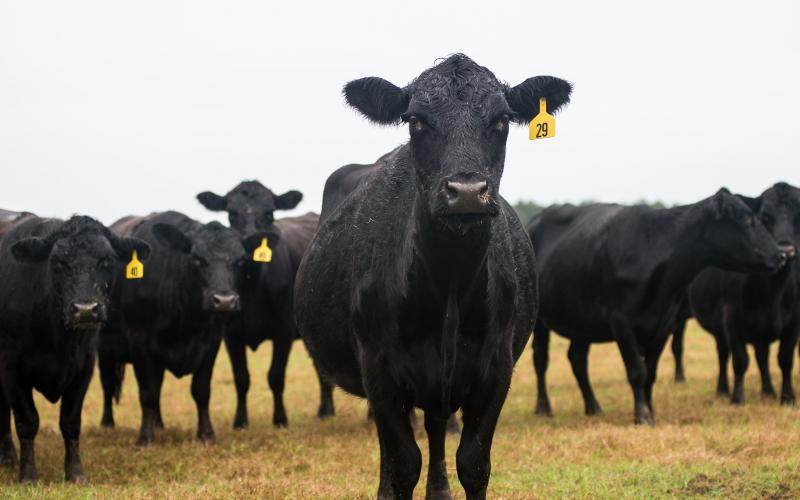
Detection of Standing Estrus in Cattle
Fact sheet to help with the detection of standing estrus in cattle. Available in English and Spanish.
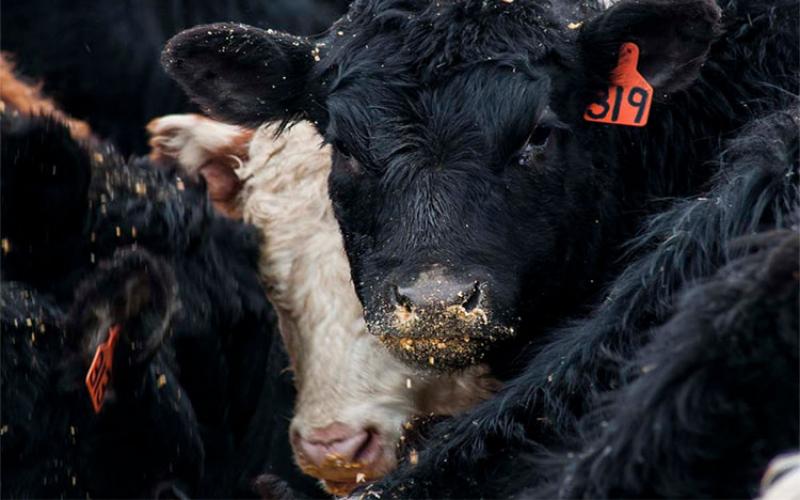
Calf Value Discovery Program
The Calf Value Discovery Program enables cow-calf producers to assess the value of their cattle in value-based marketing systems and gain valuable carcass and feedlot performance information to aid in management decisions and improve profitability.
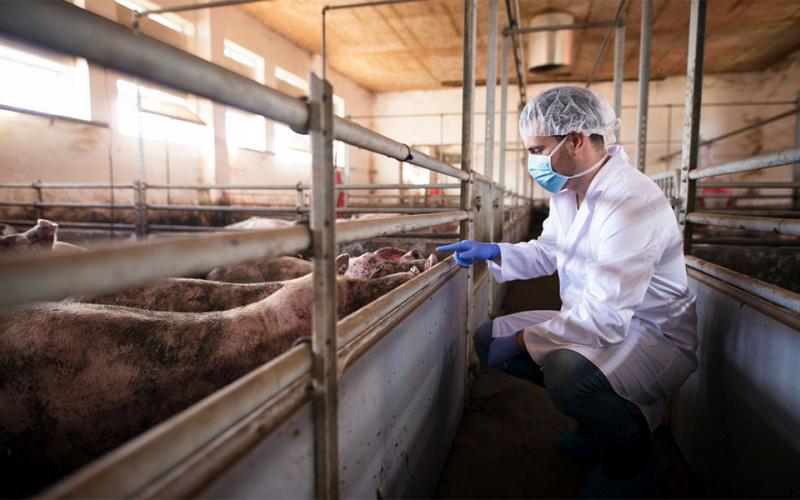
COVID-19 Safety Guidelines for Essential Swine Industry Employees
America’s pig farmers doing the right things to protect people, pigs, and the planet continue, even during this challenging time.
SDSU Extension Opens Registration for 2020-2021 Calf Value Discovery Program
October 14, 2020
SDSU Extension Opens Registration for 2020-2021 Calf Value Discovery Program
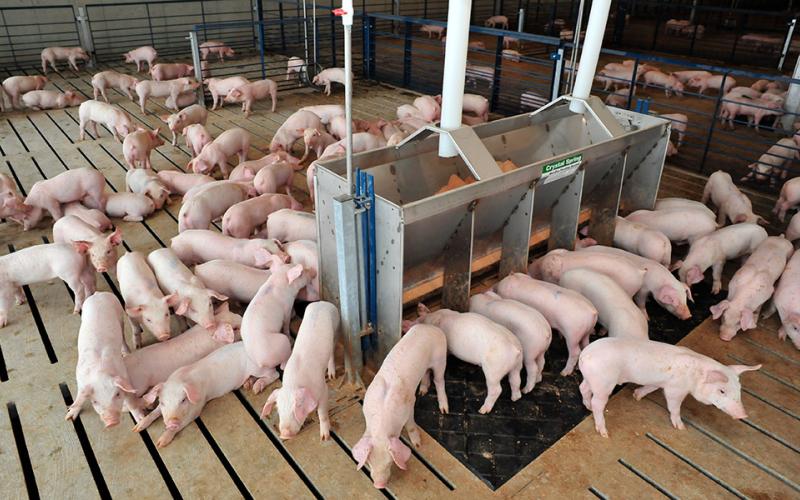
Wean-To-Finish Production Systems Evolve for Healthy Pigs
An important foundation of the efficiency of modern pork production is the industry emphasis on biosecurity. Wean-to-finish barns may provide better biosecurity than separate nursery and grow-finish facilities.