Search
USDA: CFAP 1 Program Payment Benefits to Producers
In examining the USDA Coronavirus Food Assistance Program 1.0 website, we are able to directly see the impact of the program and the payments made to producers across the country.
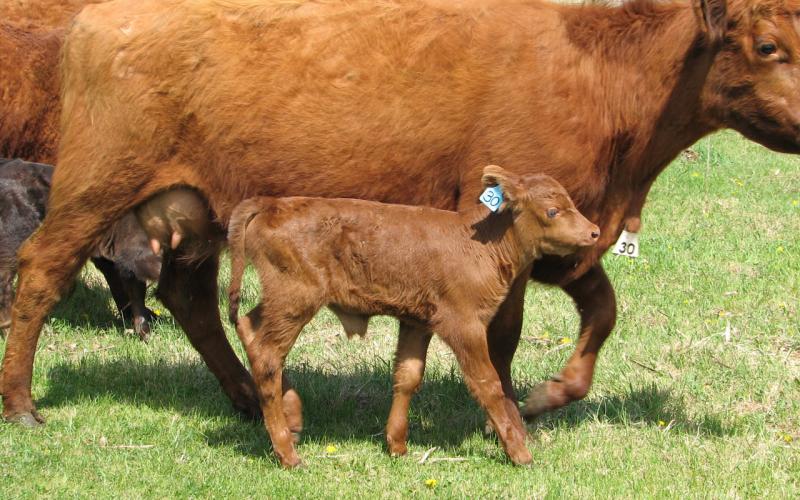
Effects of Shipping and Heat Stress on Embryonic Mortality in Cattle
Fact sheets on the effect of shipping and heat stress on embryonic mortality in cattle.

Farm Programs During COVID19: Making Government Programs Work for You
October 15, 2021
The I-29 Moo University webinar series continues with a presentation by Megan Roberts, Minnesota Extension Ag Business Management Specialist, on Wednesday, November 4.
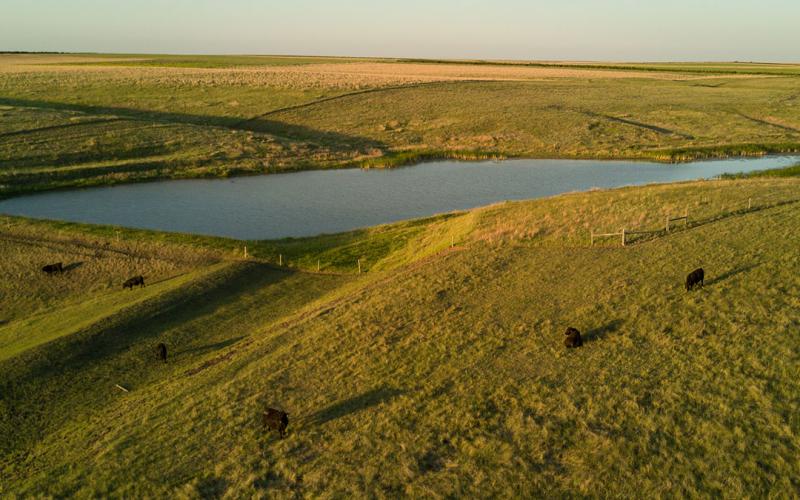
Grazing Calculator
The SDSU Extension Grazing Calculator eliminates the guesswork and mess associated with doing calculations by hand. It requires a few inputs on your end, and you will be able to save a downloadable Excel file for your record keeping.
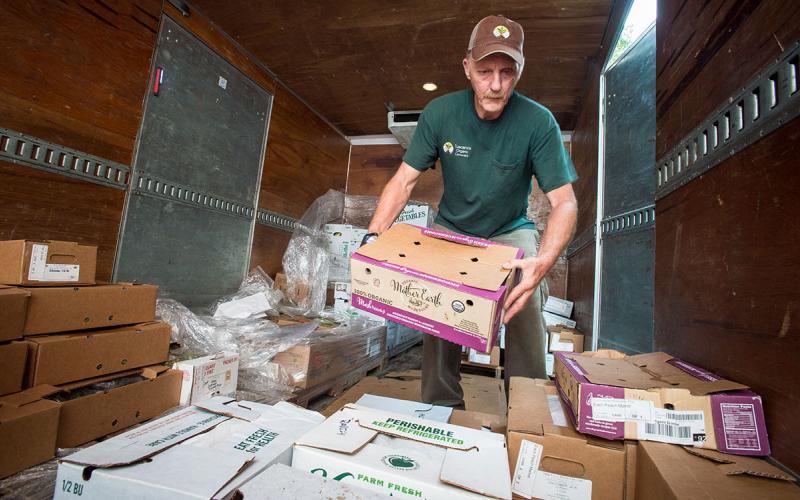
Regulatory Guidance for Selling Foods in South Dakota
Now more than ever, we are seeing food processors and entrepreneurs in South Dakota bringing their food products, not only to farmers markets, but also to retail stores. This article provides regulatory guidance and outlines the necessary steps required to allow for the sale of foods to retail stores.

SDSU Extension Professionals Honored for Accomplishments
November 10, 2020
SDSU Extension professionals were recognized for a variety of achievements at the annual Fall Conference held virtually October 28-29.
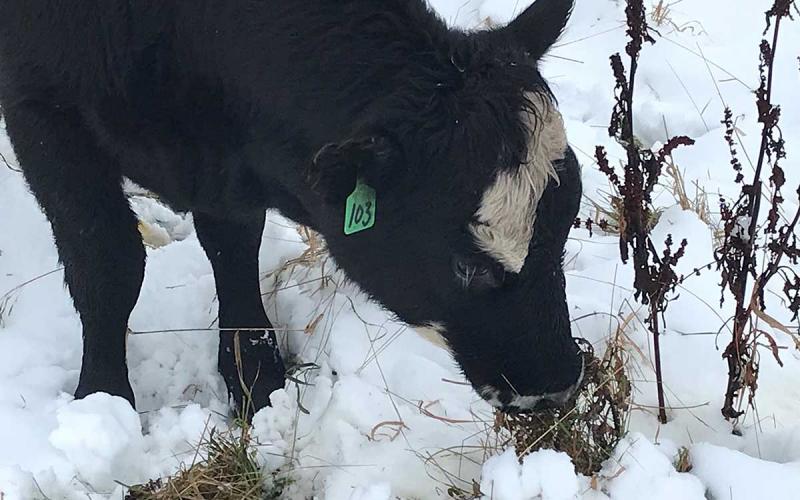
Plan Now to Control Weeds With Grazing Next Season
Livestock will graze Canada goldenrod, Canada thistle and perennial sow thistle. At certain times of the year, these plants have crude protein, total digestible nutrients, and invitro dry matter digestibility concentrations similar to alfalfa and other common forages.
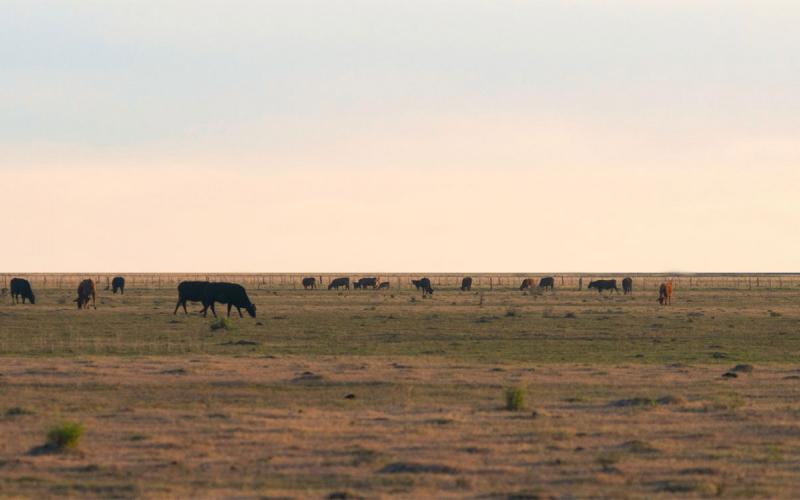
Producer Views on Patch Burn Grazing vs. Winter Patch Grazing in S.D.
Traditional rangeland management promotes uniform forage utilization, yet causes detrimental effects on the richness of plant species and wildlife habitat. Therefore, management practices that increase heterogeneity in vegetation play an important role in developing habitat types and preserving grassland wildlife species.

Using Data for Better Seed Selection
As harvest wraps up across the region, winter preparation and planning for next year begins. Yield trial results are a key component when making sound seed selection decisions.
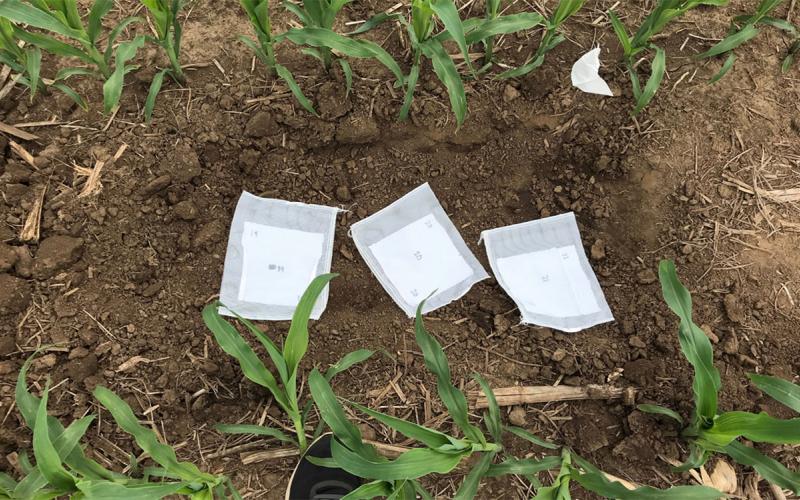
Cotton Strip Soil Test: Rapid Assessment of Soil Microbial Activity in the Field
Soil has always been considered as a living system due to its biological components: fungi, bacteria and plant roots. Under several ongoing research projects, we started researching how we can use ‘cotton strip assay’ to compare different cover crop mixes to optimize field soil activity and build up better soil health.