Search
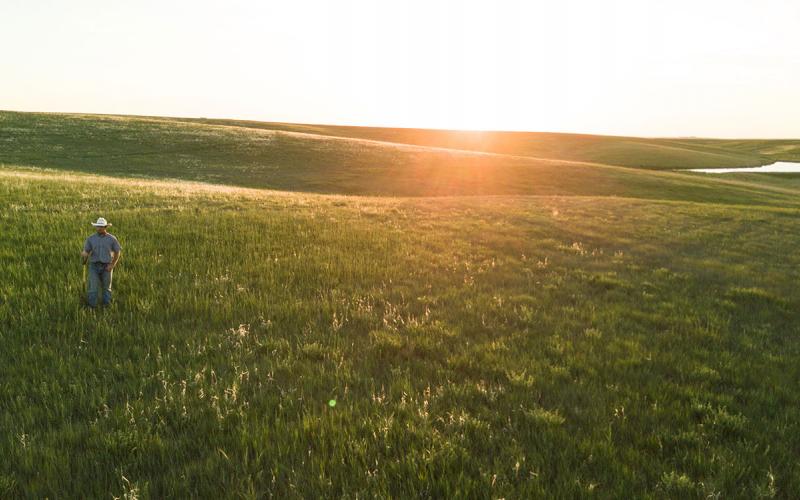
Grassland Fertilization: Terminology and Economics
This article is the first in a series of six focused on helping producers understand the pros and cons of grassland fertilization. We begin by learning some of the basic terminology and information related to fertilization.
Next 'Notes from the Field' Webinar to be held June 4
June 01, 2021
South Dakota growers and agribusiness professionals are invited to join soybean research and Extension specialists from land-grant universities across the country as they host the monthly webinar series, "Science for Success: Notes from the Field."
Grassland Fertilization: Ecology
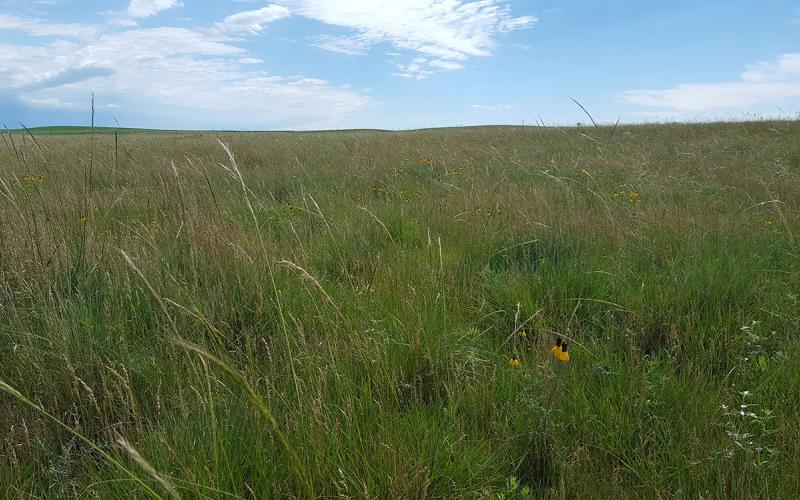
In the first article in this series, we discussed basic terminology and economics. This article focuses on the ecological impacts of fertilization in various grassland plant communities, including native rangelands and prairies.
Grassland Fertilization: Native Pasture Case Study - Hamlin County
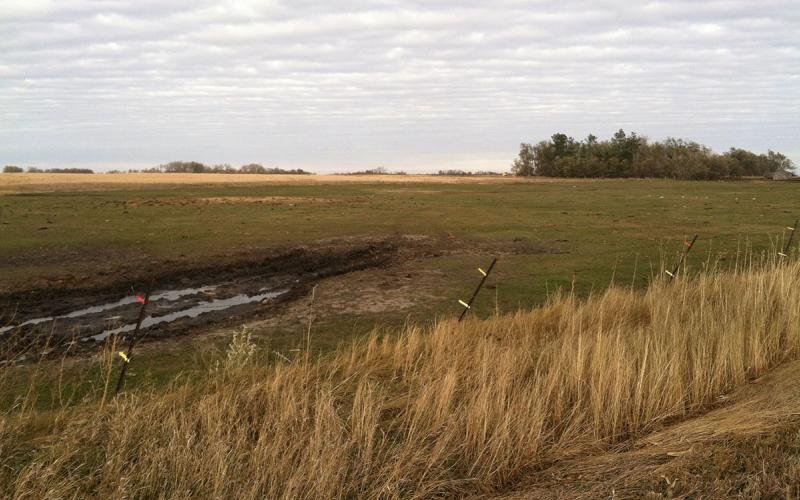
Whether fertilization pays or not depends on the species present, the past management history and the type of grazing strategy. This study compares two very different plant communities that represent typical pastures and management schemes in this area.
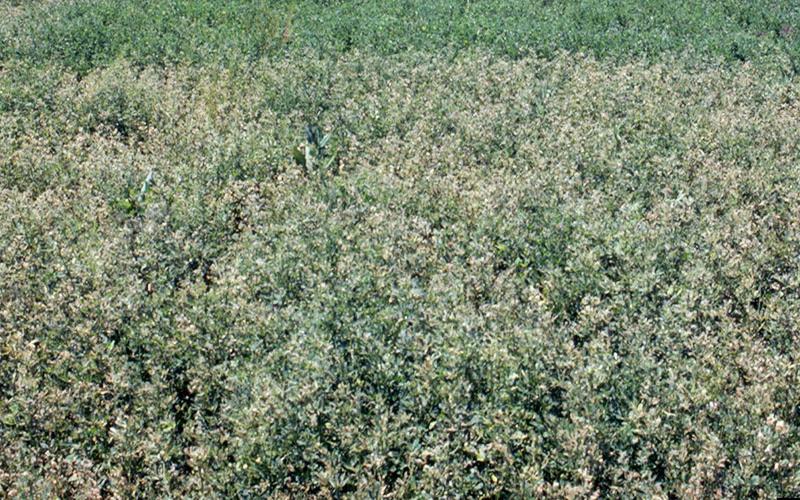
Why’s My Alfalfa Field Turning White?
There have been a lot of reports of alfalfa fields in South Dakota with a white or light-brown canopy. This discoloration is the result of extensive alfalfa weevil larvae feeding.
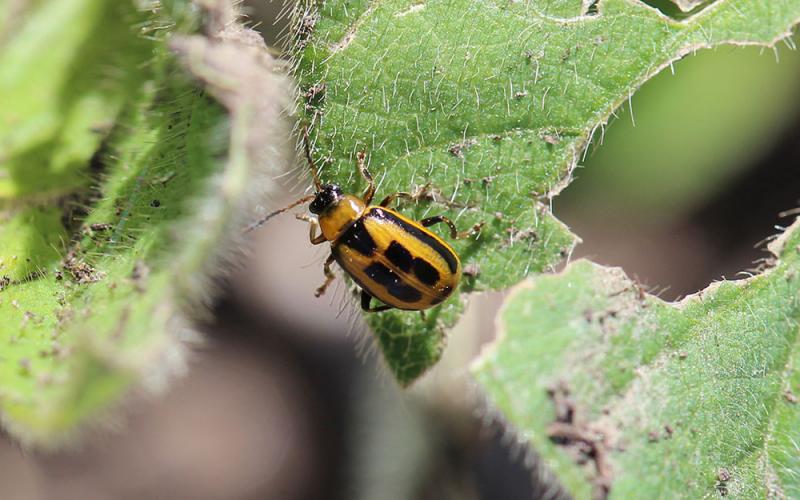
Overwintering Population of Bean Leaf Beetles Are Active In Soybean
While scouting soybeans this week, extensive defoliation caused by bean leaf beetles was observed. Although insecticide seed treatments will reduce the threat of bean leaf beetle feeding during this time of the season, soybean fields should still be scouted.
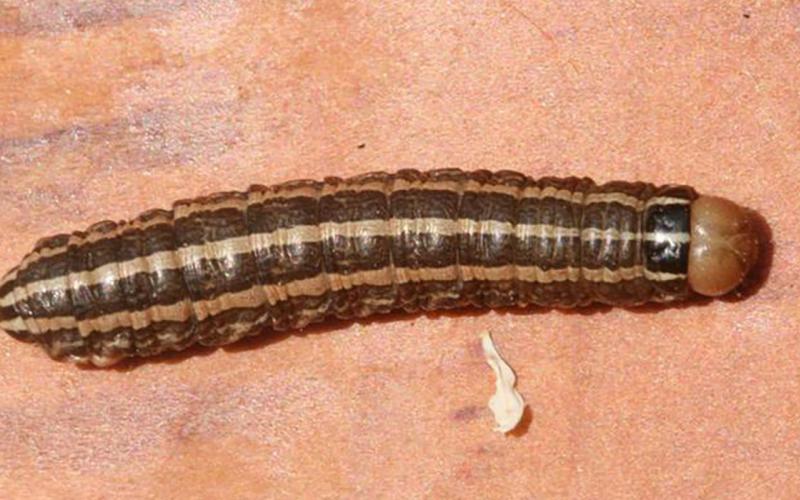
Bronzed Cutworms Are Active
Bronzed cutworms can damage turf by clipping blades of grass close to the soil surface. Feeding by bronzed cutworms in lawns will result in small, brown circular patches, and large populations can result in extensive lawn injury.
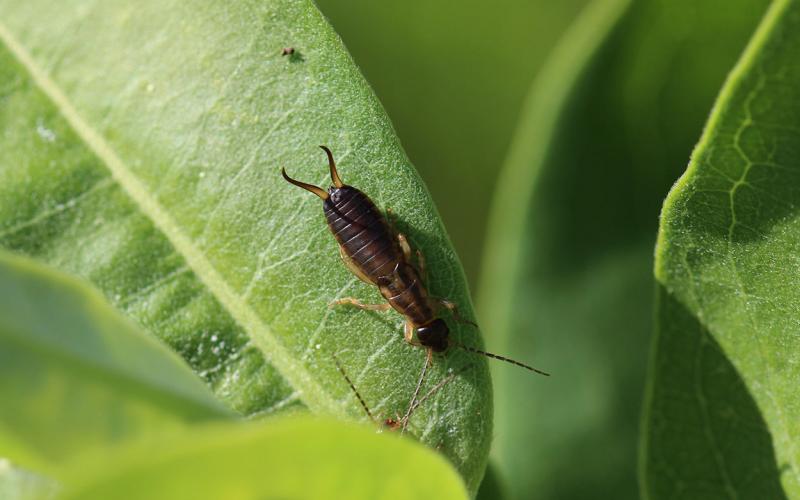
Earwigs Are Active
Although earwigs typically prefer wet conditions, quite a few have been observed so far this year. It’s important to remember that watering lawns or potted plants around the house provides ideal earwig habitat.
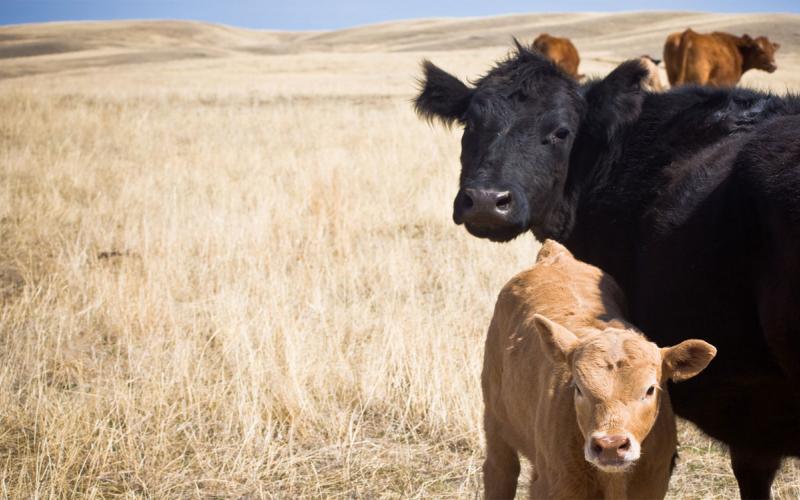
Planning for Breeding Season in Dry Conditions
Drier-than-normal conditions present added stress to producers and their herds in preparation for breeding season. During this critical period, producers should focus on making sound management decisions to maintain performance and profitability.
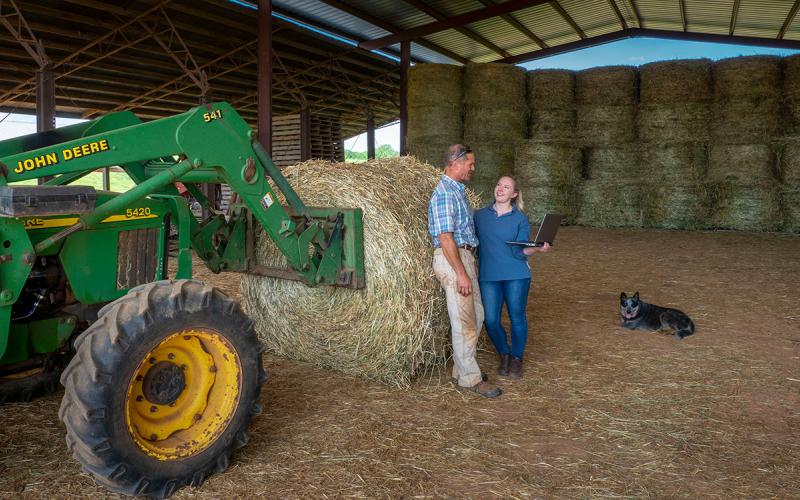
Management Goals for Cow/Calf Operations
You can’t manage what you don’t measure, and good management practices begin by taking good records.