Search
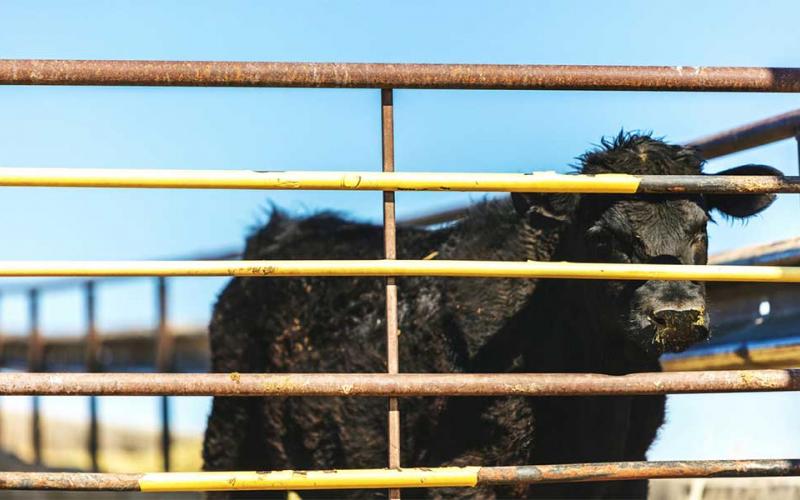
Mycoplasma Bovis in Feedlot Cattle: Why It’s Different and How It Causes Illness
Mycoplasma bovis is widely distributed throughout feedlot cattle populations. The insidious nature of Mycoplasma infections, and their ability to become well-established by the time they’re observed, create challenges for treatment and prevention.

Mycoplasma Bovis in Feedlot Cattle: Treating and Controlling Infections
Mycoplasma bovis is a challenging component of respiratory disease in feedlot calves. Understanding the factors that help it become established is a good first step in formulating a plan with your veterinarian to help diminish its impact on health and productivity.
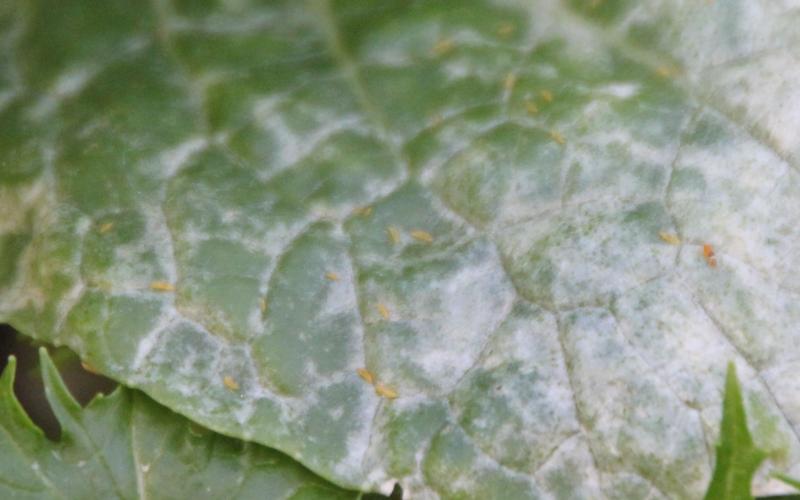
Watch Out For Houseplant Pests
Aphids, mealybugs, whiteflies and scale may be the most common insect pests that you will find on your houseplants but there are several other pests and problems you should watch out for.
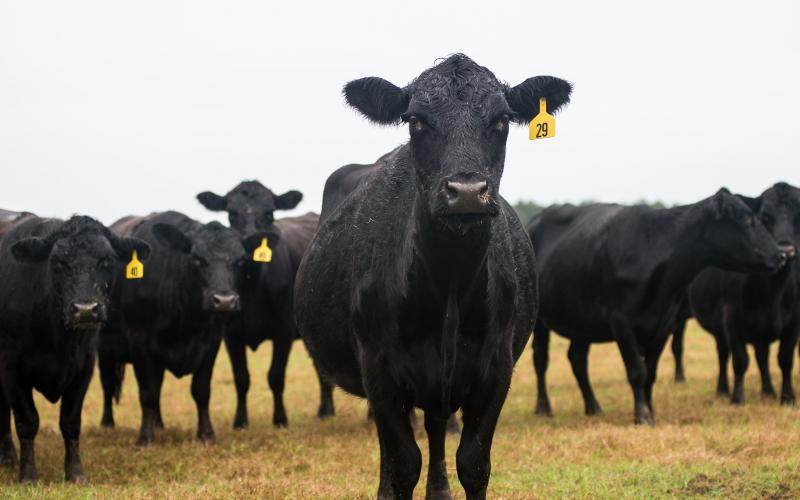
Detection of Standing Estrus in Cattle
Fact sheet to help with the detection of standing estrus in cattle. Available in English and Spanish.
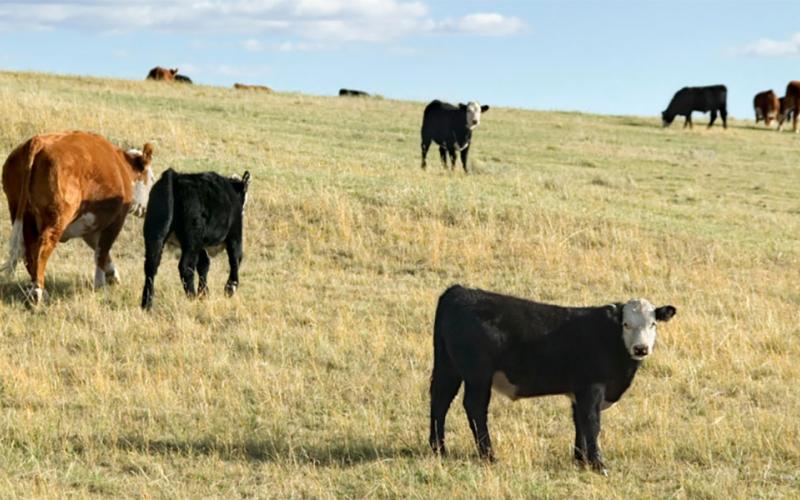
Barriers To Rotational Grazing: Perceptions From Ranchers in the Dakotas
Despite the potential benefits of rotational grazing, its adoption rate has stagnated in recent years. To help understand major barriers faced by producers towards rotational grazing, we conducted a survey among ranchers in the U.S. Great Plains.
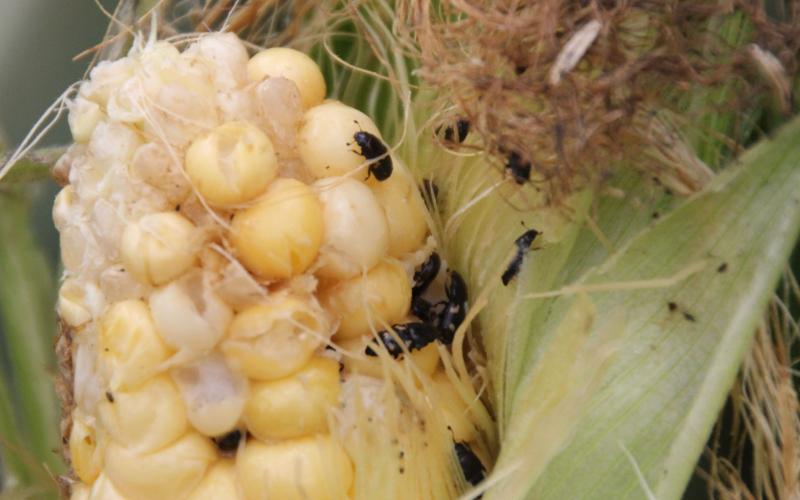
What’s Bugging Your Garden: Picnic Beetles
One of the most common garden insect questions I get asked is “what are those little black, spotted beetles that are in my sweet corn, tomatoes, raspberries and perhaps worst of all, in your beer! These little nuisances are called picnic or sap beetles. They are attracted to ripe or damaged fruit and vegetables.
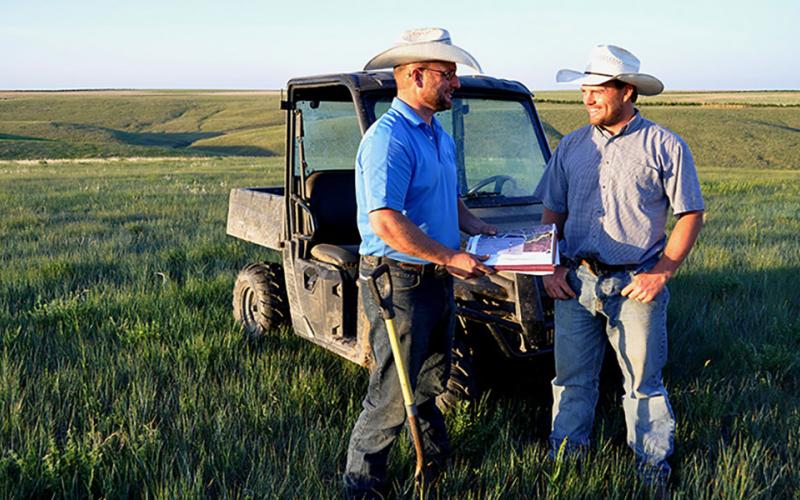
The Importance of Math in the Art of Grazing
It might seem a bit silly to check in on your stocking rate calculations, but it is something that is undoubtedly worth your time, whether you’re a seasoned rancher or you’re still trying to get your feet under you.
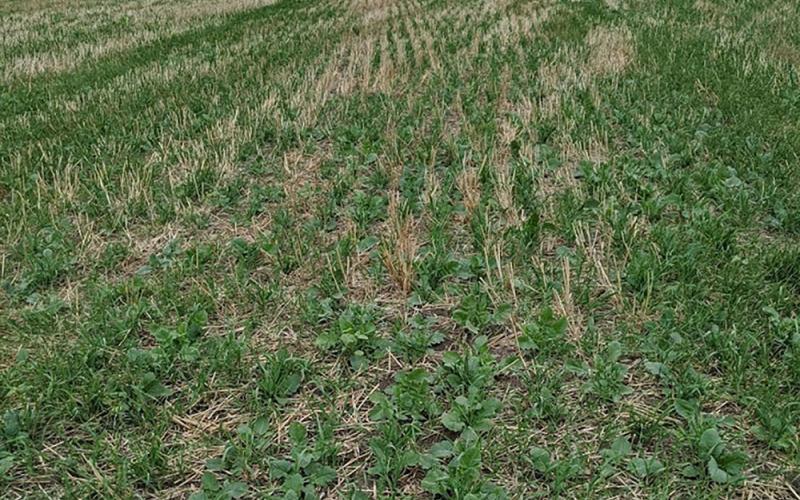
Cover Crop Considerations When Dealing With Soybean Cyst Nematode
With the soybeans being harvested a little earlier than usual this year, some producers are finding themselves making management decisions that include cover crops. For soybean producers dealing with soybean cyst nematode in their fields, selection of cover crops is important since some of these can be hosts for soybean cyst nematode.
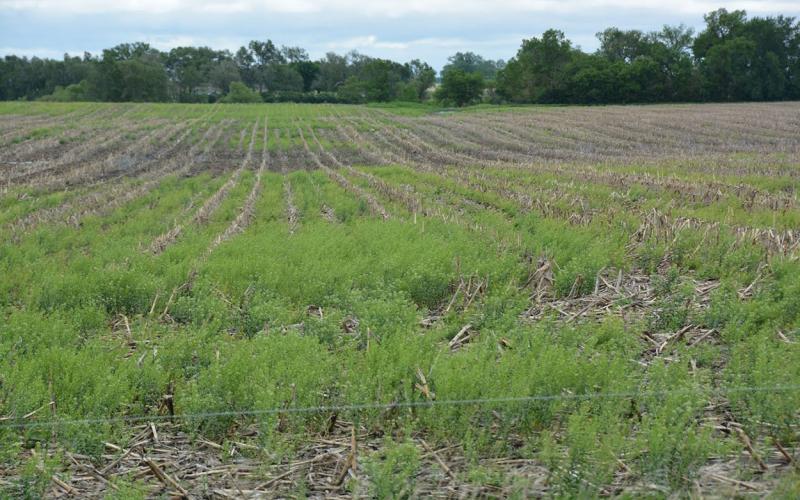
Soybean Cyst Nematode Management Plans Should Include Proactive Weed Management
While soybean cyst nematode can be managed through use of resistant varieties and crop rotation, presence of alternative weed hosts can negate the benefits of these practices by providing a host for soybean cyst nematode to continue to accumulate in the soil.
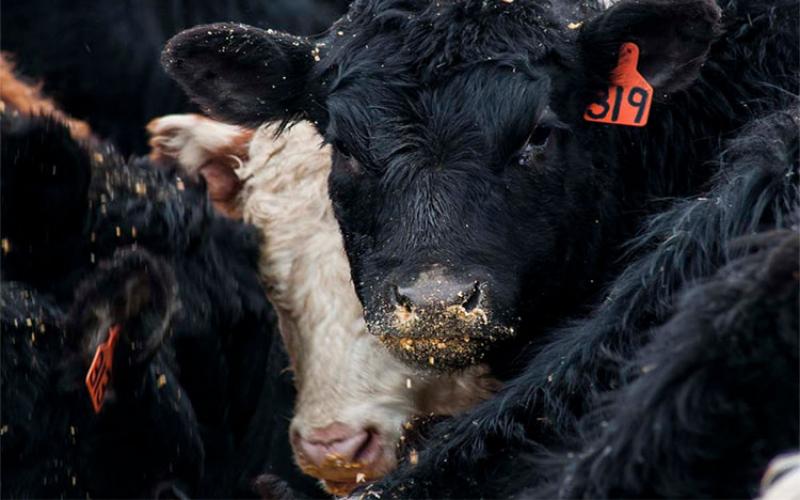
Calf Value Discovery Program
The Calf Value Discovery Program enables cow-calf producers to assess the value of their cattle in value-based marketing systems and gain valuable carcass and feedlot performance information to aid in management decisions and improve profitability.