Search

Grain Overloads: A Possible Consequence of Cornstalk Grazing
Corn residues are a great source of winter feed, but in certain situations, cattle producers should be aware of the possibility of grain overloads, which can impact herd health.
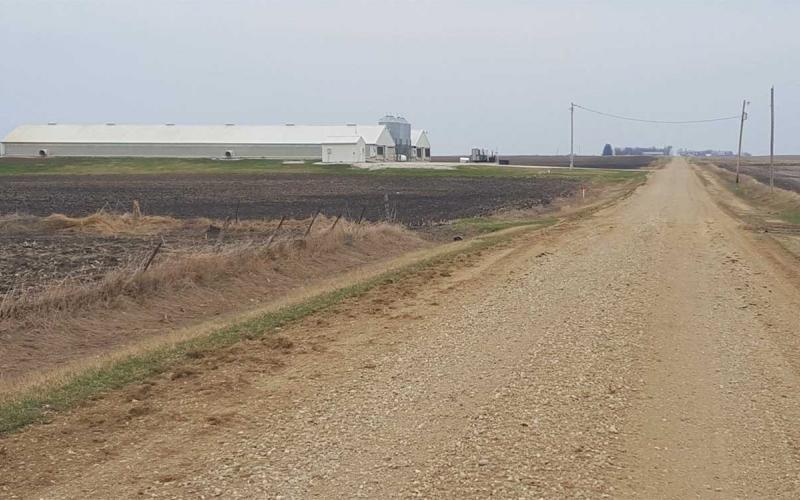
Air Infiltration in Swine Barns
Air infiltration in large, confined swine operations has been an on-going problem for producers for many years. Regardless of technological advancements in building design and construction, unwanted air penetration continues to be a consistent problem.
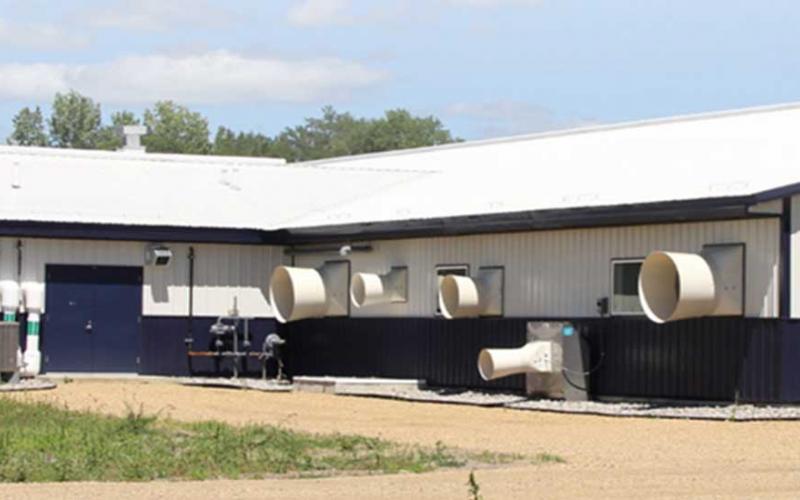
Understanding Fan Performance Metrics and Variability
As we move into the summer season, it is important to check for proper function of fans in your operation. When selecting new or replacement fans, it is critical to evaluate the flowrate requirement at the static pressure you will be operating, compare the efficiency of fan options, and ask your equipment supplier for detailed performance specifications.
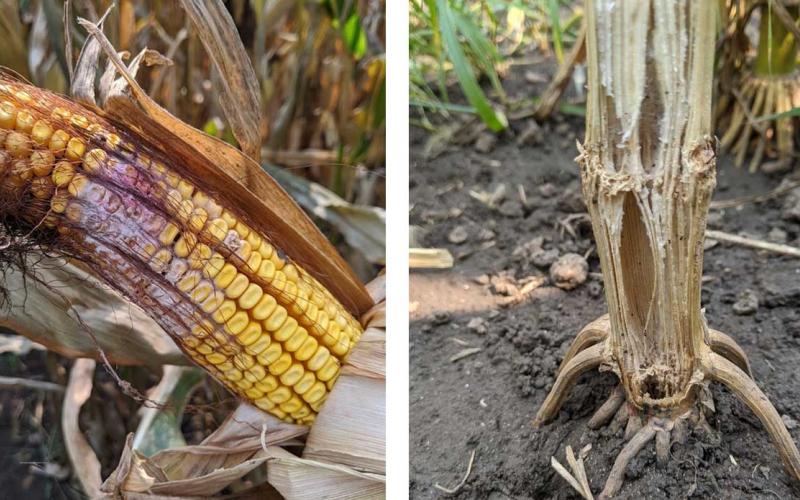
Corn Ear Rots and Stalk Rots: The Last Issues To Check for in Corn Before Combining
Before combining corn, it is recommended to scout your field for corn ear rots and stalk rots. It is important to scout corn fields for these two issues in order to make timely decisions on corn combining.
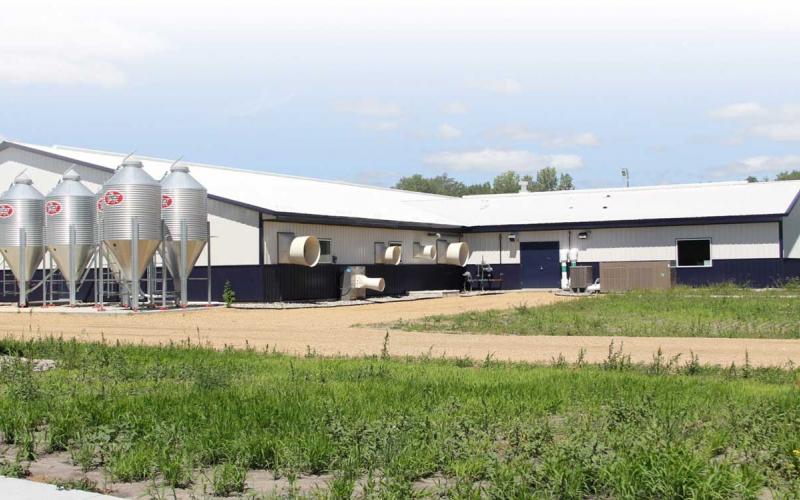
Basic Ventilation System Design for Pork Producers
Ventilation systems have the potential to maximize swine production with regard to animal growth and performance. Understanding the rationale behind their design can help any manager do the best job possible.
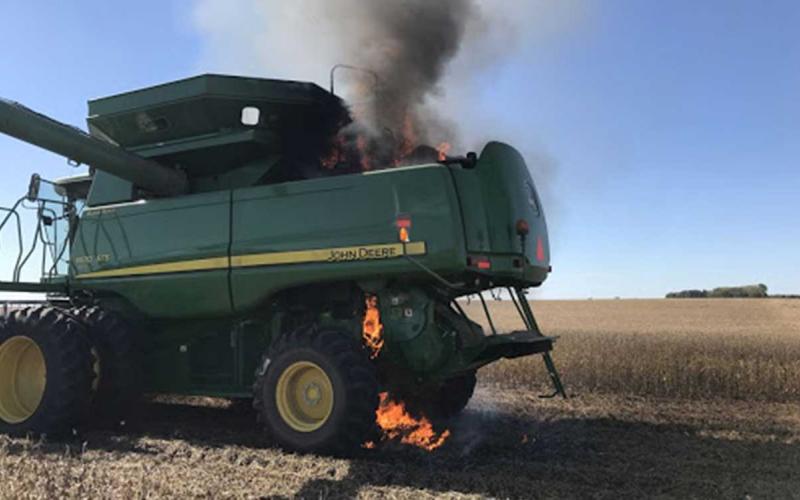
Avoiding Field Fires During Fall Harvest
With dry and drought conditions in the late summer and fall, crops dry down rapidly and harvest starts early. The climate outlook may be favorable for an uninterrupted run at harvest. However, the risk of fires during harvest is always a concern for farmers.
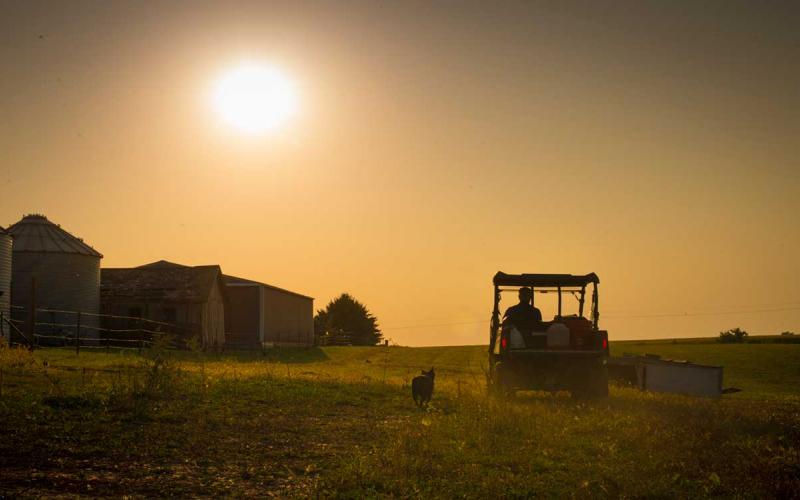
Use Caution When Fall Spraying Noxious Weeds in Pastures To Avoid Harming Desirable Plants
Noxious weed control is often a long-term process. In some cases, chemical application may be deemed necessary, but it should always be considered in the context of appropriate management and an integrated best management framework.
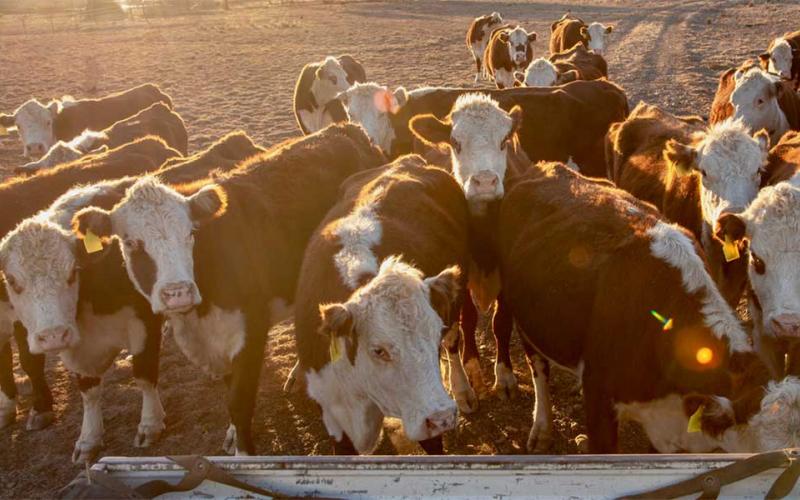
Protein Nutrition and Replacement Heifer Development
With summer coming to an end and weaning for this year’s calves right around the corner, it is not premature for producers to start thinking about next year’s replacement heifers that will be needed to replace any culled or open cows.
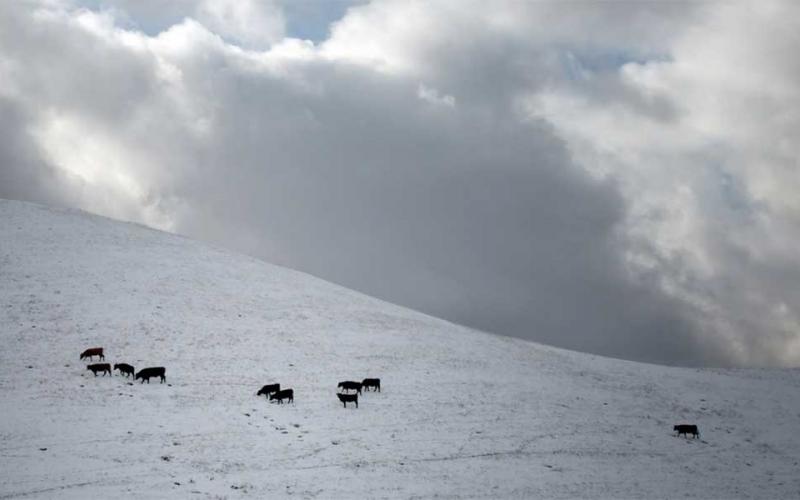
Rotational Grazing During Winter
Winter feed represents one of the largest costs for a livestock production enterprise. Grazing pasture that has been stockpiled for winter use is a rational alternative to limit costs resulting from both harvest and feeding of hay.

Getting Ready for Winter on the Range
During periods of summer and fall drought, winter grazing opportunities may be limited or not available at all. Ranch managers must ensure that enough residual plant height and vegetation cover of the soil surface is available through the winter to aid in recovery of the rangeland.