Search
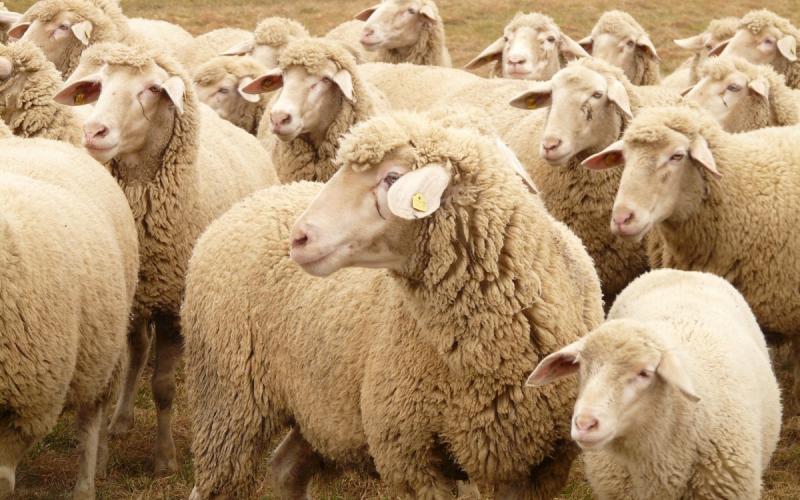
Use of the EAZI-BREED Sheep CIDR in Spring Mated Ewes
Efforts to manage the reproductive cycle of the ewe have been a focus of producers and researchers for decades. By nature sheep are seasonal breeders with active ewe estrus cycles expected from late-August until January in the Upper Midwest and in a state of anestrous (non-cyclic) for the other months. Recently a commercial progesterone intra-vaginal device, the EAZI-BREED sheep CIDR (controlled internal drug release) was approved in the US to synchronize estrus in mature ewes during the anestrous period.
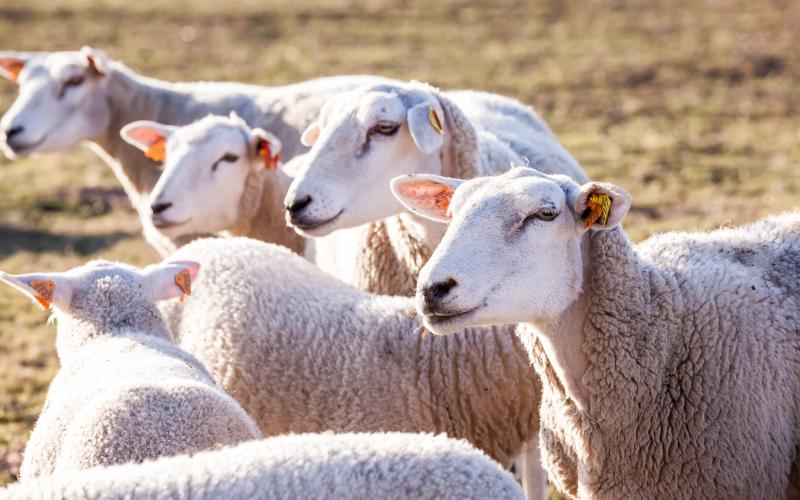
The Effects of Ewe Nutrition on Lamb Performance
In the livestock industry, profitability is determined by the efficiency of production; with growth and development of offspring having a large impact. In sheep production, ewe nutrition is one of the biggest factors in fetal growth, milk production, and lamb performance; therefore, determining how profitable a production system will be. Not only does the ewe depend on proper nutrition for fetal development but also udder development and milk production.
Sheep Breeds
Everyone has heard the fairytale “Baa Baa Black Sheep Have You Any Wool?” but what about the double-coated California Red, the multi-colored Katahdin sheep with hair, or the East Friesian dairy ewe that produces over 1,100 pounds of milk a year? Sheep come in different shapes, sizes, and colors and all of them provide different functions and uses for producers. These can range from meat, wool, and milk production or a combination of characteristics.
National Sheep Improvement Program: Performance-based data you can rely on
Sheep producers continually look for opportunities to improve their flocks through the introduction of genetic traits that will contribute to both improve the performance and physical appearance of the offspring. For hundreds of years, producers used the phenotype or physical appearance traits to select replacement stock, followed by performance trials and wool testing to quantitatively define the traits a specific animal may possess.
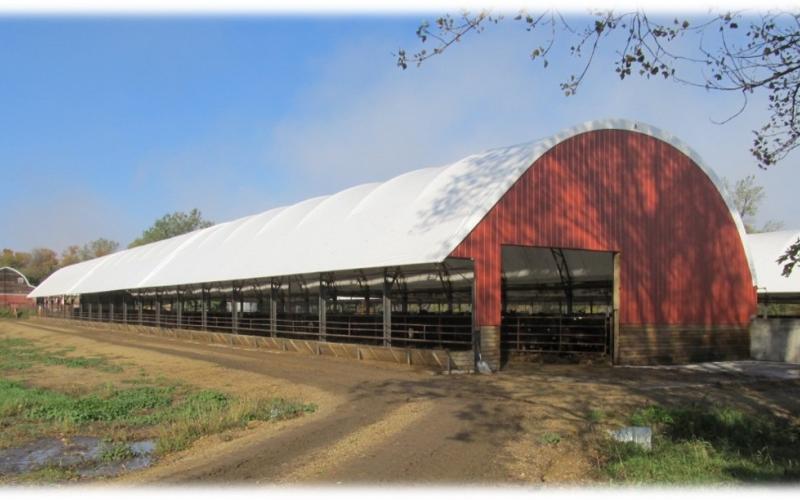
Cattle Confinement Facilities: Management Considerations
Confinement barns provide some advantages to both the animals and caregivers compared to outside pens or pasture systems.
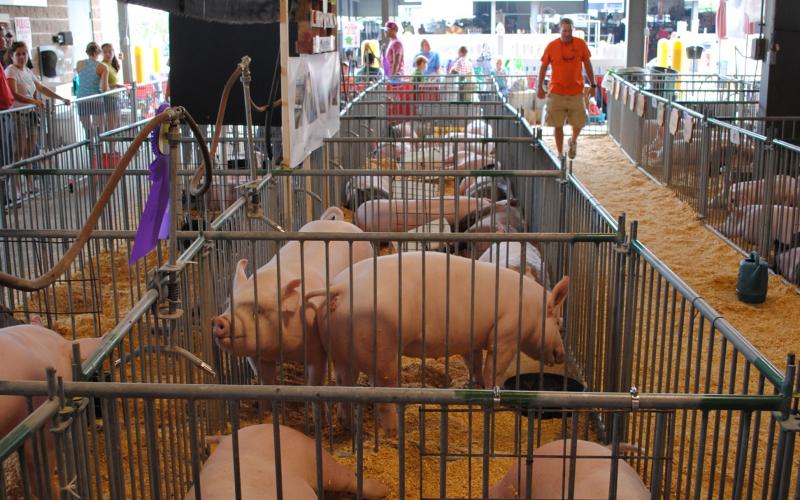
It’s Showtime, Get Your Show Box Ready!
It’s time to head off to the show, but before you can go everything needs to be loaded into the truck and trailer. You get a supply of feed and hay, load some bedding, put in a fan, add the trimming stand and now it’s time for the show box.

Freeze Branding Cattle
Freeze branding is a low-stress way to add permanent identification to cattle that will elicit minimal hide damage.

How to Calibrate a Meat Thermometer
A properly calibrated meat thermometer is key for achieving both meat safety and quality.
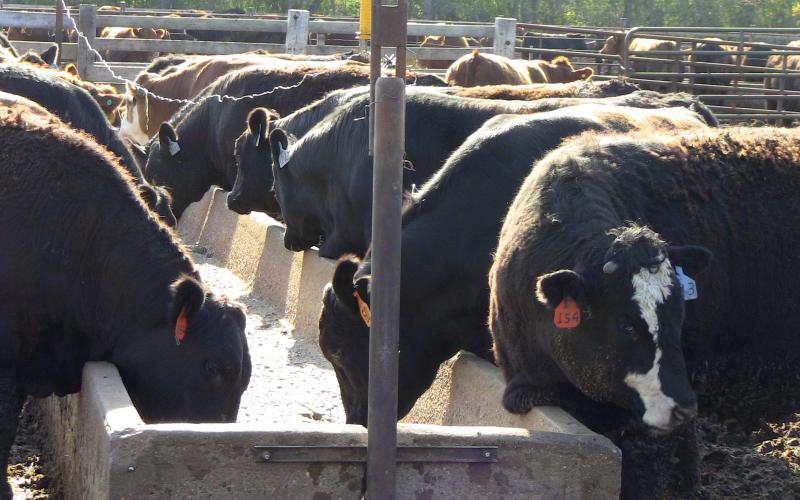
Let’s Talk BQA Assessments
Simply put, BQA assessments are a review of a farm or ranch by an assessor that helps managers benchmark their current level of cattle care and discover areas they may be able to improve.
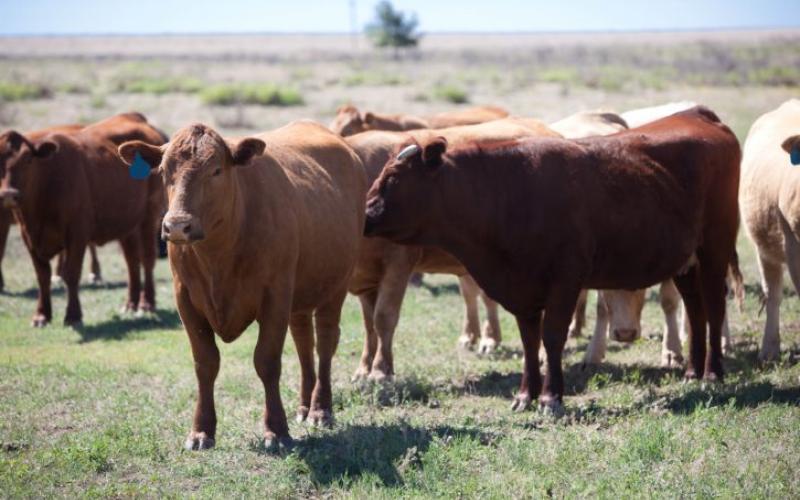
Importance of Pregnancy Detection During a Dry Year
With weaning wrapping up, pregnant cows should be identified and turned back out to pasture or crop residue. By removing open or even late cows from the herd, valuable feed resources are saved if drought conditions continue.