Search
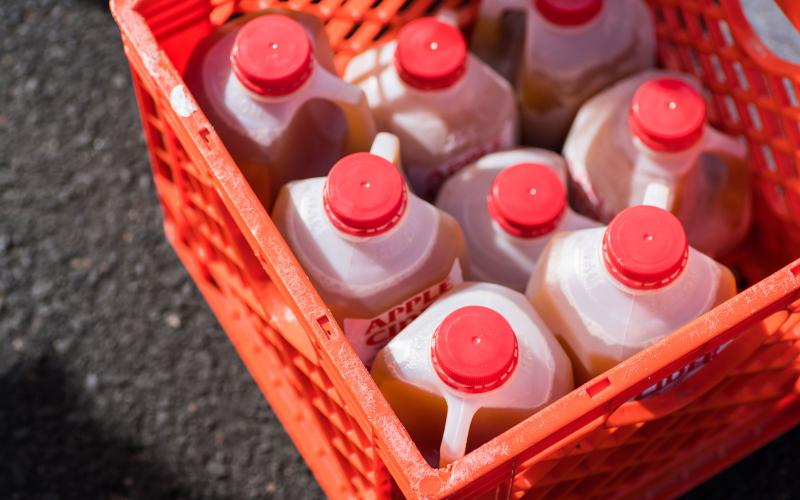
Direct Marketing of Fruit and Processed Fruit Products by Growers and Food Processors at Farmers Markets Within the State of South Dakota (Intrastate)
Growers and food processors that market fruits at the farmers market often have questions regarding the regulations for selling fruit products. The regulations are in place to address the food safety risks associated with different fruit products and the manner in which they are marketed.

Using Assets to Build Communities
A community asset is anything that a community already has that can be used to improve its quality of life. Learn some expert tips for identifying and leveraging your community's unique assets.
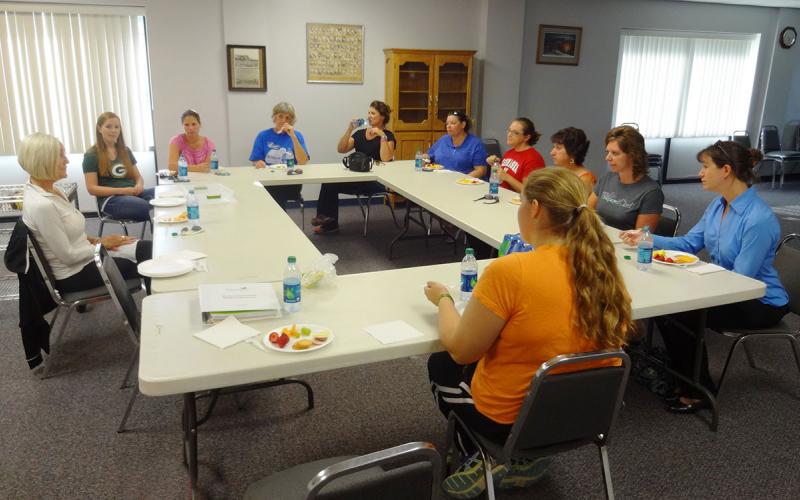
What Is a Wellness Coalition?
Learn answers to some common questions about community wellness coalitions and SDSU Extension's supporting programming and services.
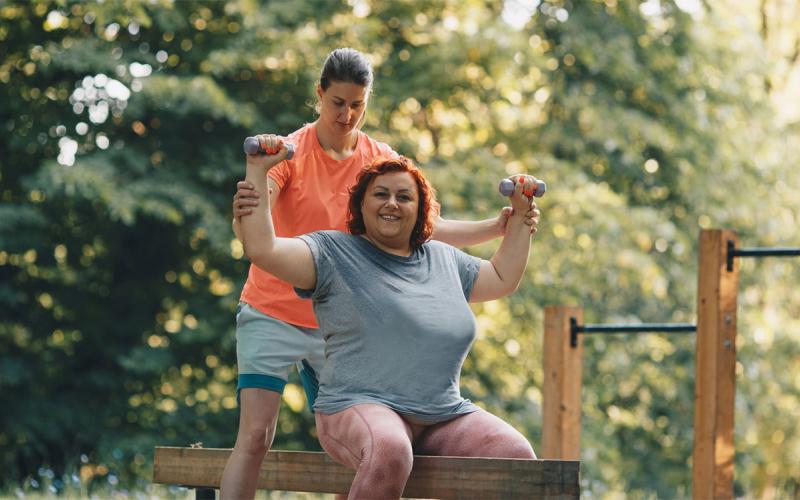
What Is a Community Champion?
Learn more about community champions and the important roles they play in community wellness coalitions.
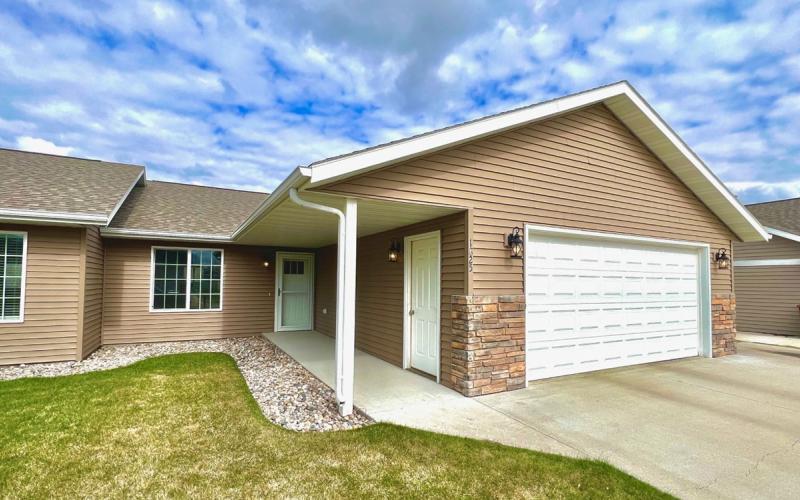
New Me, New Home.
After a series of life-changing strokes, Julie List made the bold decision to move into an accessible home. Learn how her journey transformed her into a voice for accessible home design.

What can the construction industry learn from the motion picture industry?
Many of us take for granted the rating system used to indicate the appropriate audience for movies in the U.S. The interesting thing is that movie creators have no legal requirement to follow the Classification and Rating Administration (CARA) guidelines. Yet, they do.
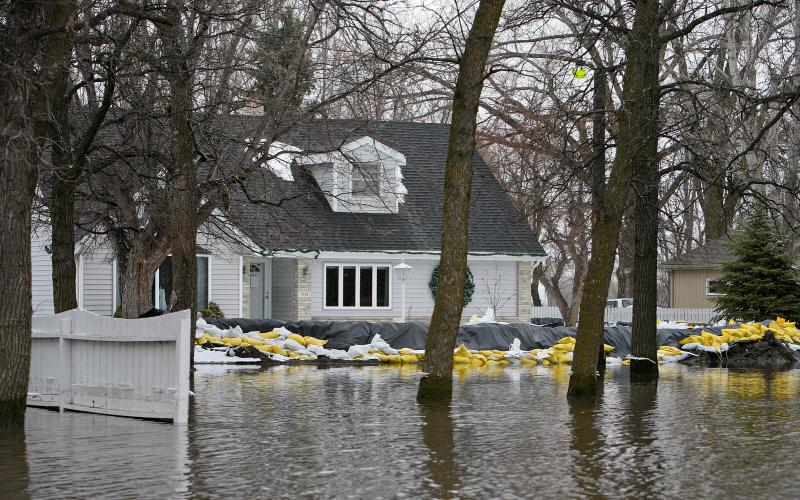
Managing Flooding Around Home Structures
As South Dakota and our surrounding neighbors begin to deal with the consequences of spring snowmelt and the dramatic flash flooding that came about from the region’s most recent winter storm, we can only hope that conditions begin to improve quickly.
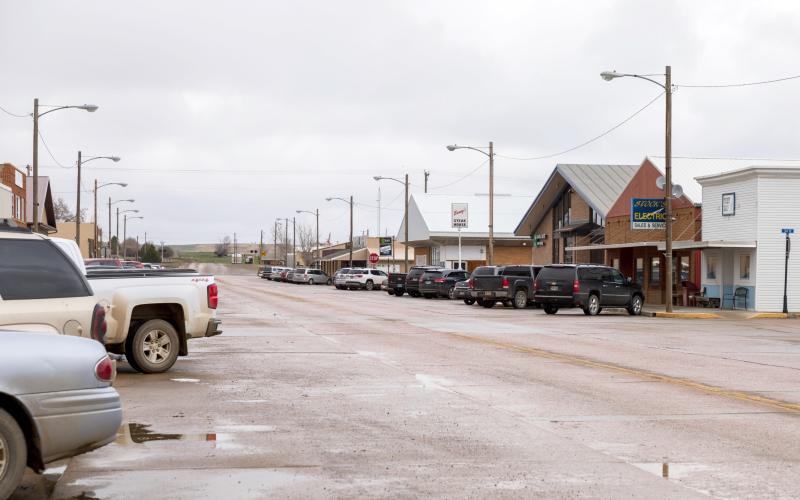
South Dakota Active Transportation Network
The purpose of the South Dakota Active Transportation Network is to bring together and equip partners statewide to address barriers to safe, active transportation.
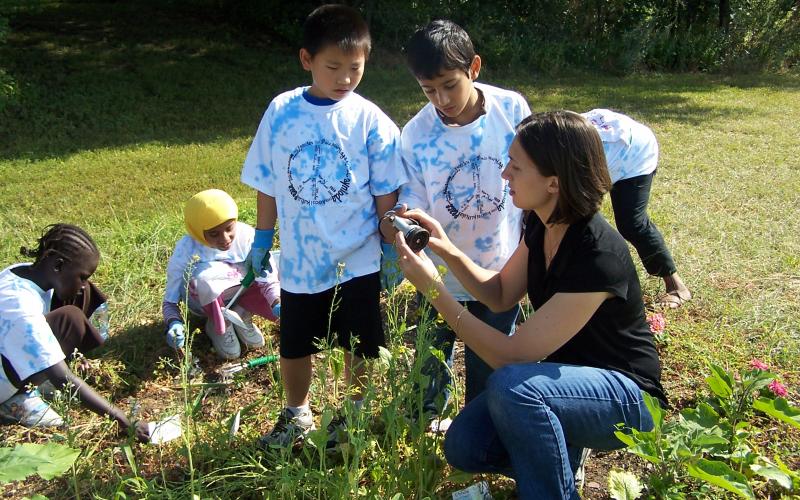
Ages & Stages in the Garden: Ages 9-11
When working with upper elementary youth in a garden consider their physical development and skill level as you develop learning activities. Nine to eleven year olds have better coordination and reaction time by this age, however sometimes dues to growth spurs there can be short-term issues with balance and coordination. Additionally, these children have more body strength and their hand dexterity has increased.
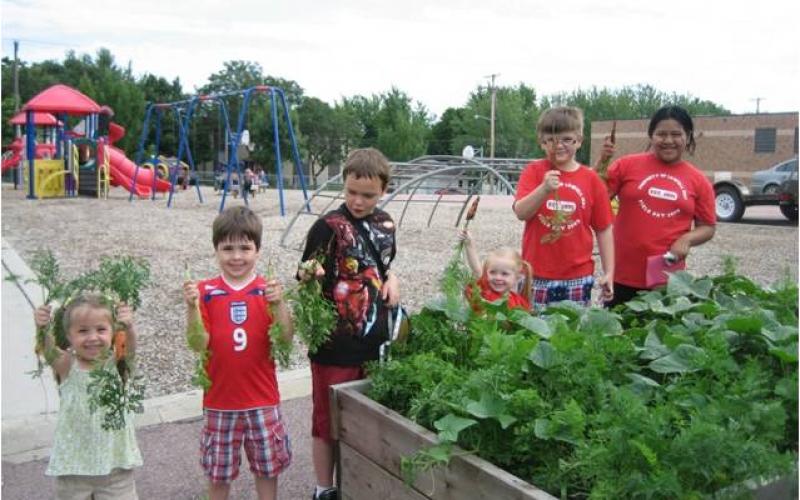
Ages & Stages in the Garden: 4-5 year olds
If considering a garden-based learning program for four to five year-old it is important to understand some of their developmental characteristics prior to planning your program. Young children’s abilities will differ greatly from older youth.