Search
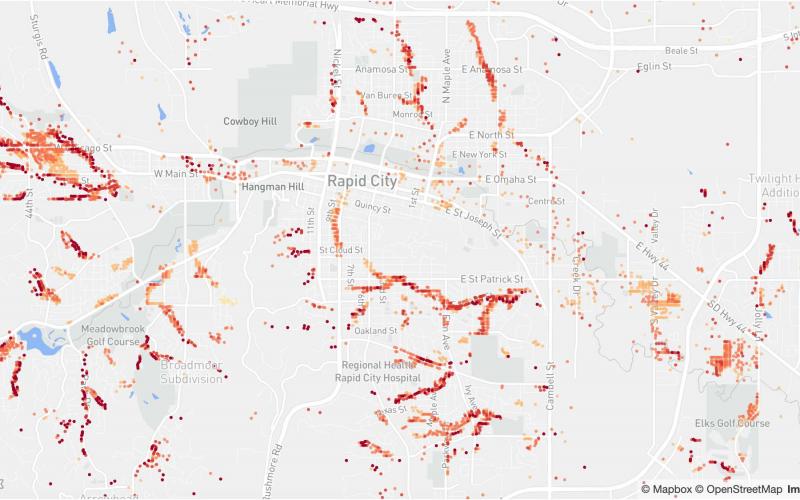
South Dakota’s Changing Flood Risk
South Dakota’s flood risk is increasing in some areas of the state according to a recent report from the First Street Foundation. In 2020, 62,600 total properties are at substantial risk, with a projected increase to 63,000 properties by 2050.
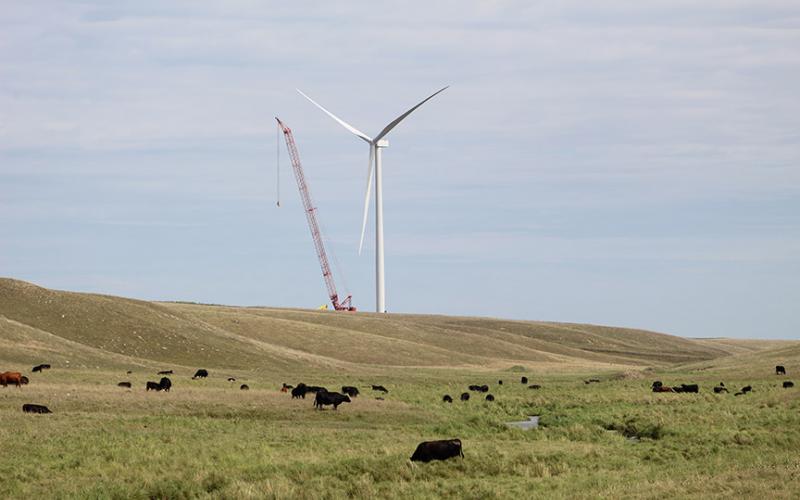
Best Management Practices Guide for Restoration of Native Grasslands and Sensitive Sites Resulting from Energy or Industrial Development
A general guide to South Dakota landowners who are considering or who have allowed energy or other industrial development on their property.
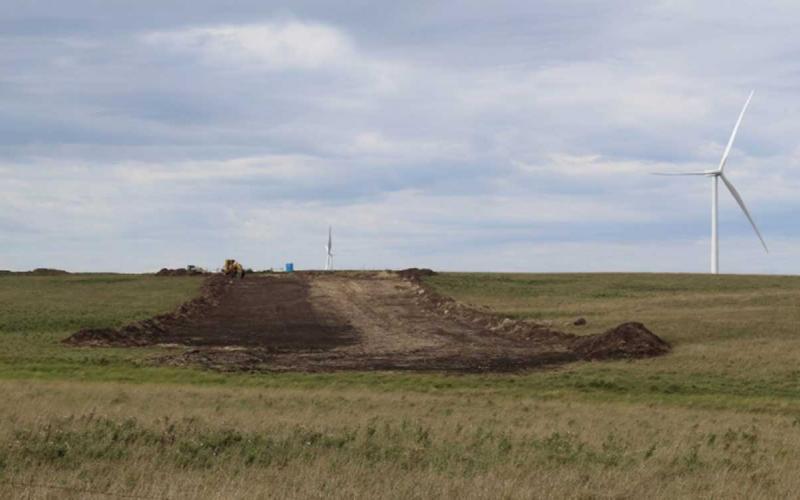
Understanding Contract Language and Restoring Native Grassland Damage after Energy Development
Energy development on private lands can result in locally heavy land manipulation. Of particular concern is the manipulation of native grasslands and other sensitive areas and how it will affect those areas in the short-and-long-term.
SDSU Extension Releases Guide for Landowners Involved in Wind or Energy Development
September 18, 2020
Recent energy development projects have impacted several regions of South Dakota with disturbance to native soils.
Virtual Eastern South Dakota Water Conference to be Held October 14
September 22, 2020
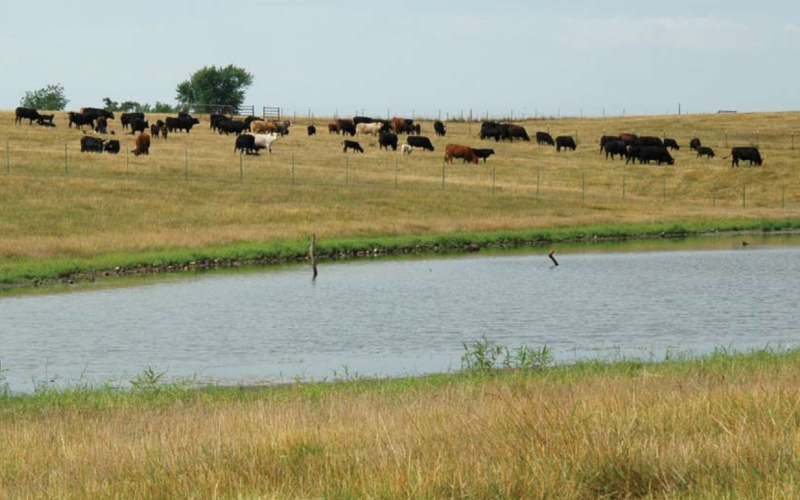
The 2020 Eastern South Dakota Water Conference, sponsored by the South Dakota Water Resources Institute, will be held Wednesday, October 14, from 9:00 a.m. – 2:00 p.m.

Getting Ready for Winter on the Range
During periods of summer and fall drought, winter grazing opportunities may be limited or not available at all. Ranch managers must ensure that enough residual plant height and vegetation cover of the soil surface is available through the winter to aid in recovery of the rangeland.

What is Placemaking?
Placemaking inspires people to collectively reimagine and reinvent public spaces as the heart of every community. By this definition, placemaking is possible for communities of all shapes and sizes in South Dakota.

SDSU Extension Professionals Honored for Accomplishments
November 10, 2020
SDSU Extension professionals were recognized for a variety of achievements at the annual Fall Conference held virtually October 28-29.
Plan Now to Control Weeds With Grazing Next Season
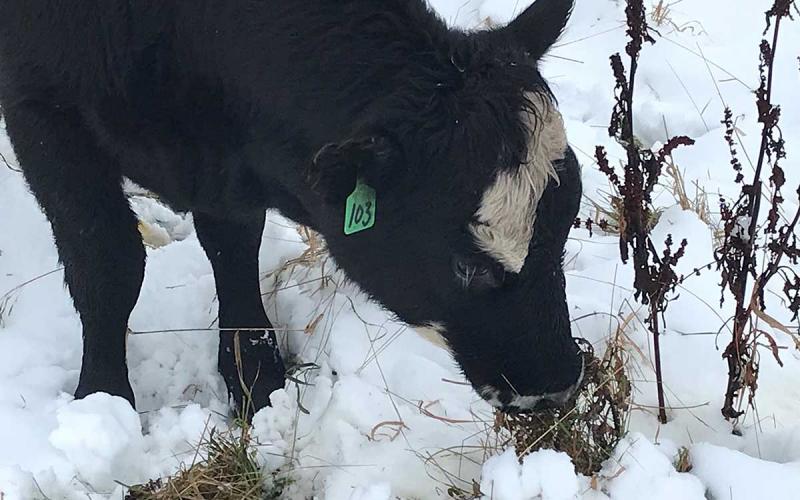
Livestock will graze Canada goldenrod, Canada thistle and perennial sow thistle. At certain times of the year, these plants have crude protein, total digestible nutrients, and invitro dry matter digestibility concentrations similar to alfalfa and other common forages.
Producer Views on Patch Burn Grazing vs. Winter Patch Grazing in S.D.
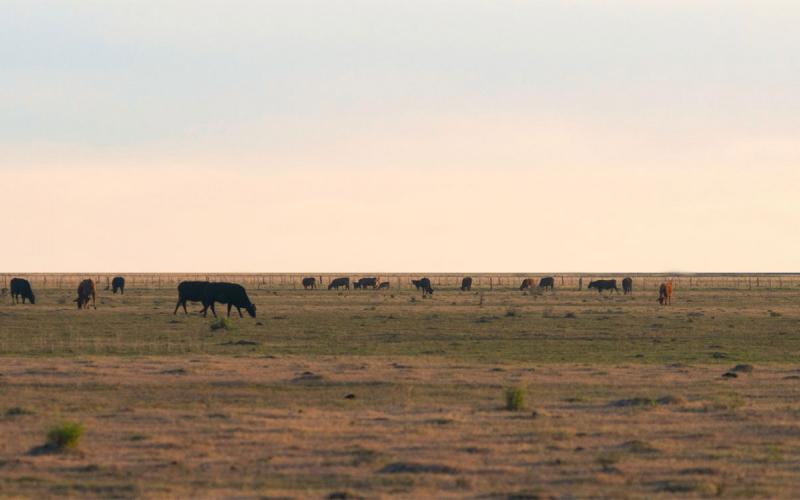
Traditional rangeland management promotes uniform forage utilization, yet causes detrimental effects on the richness of plant species and wildlife habitat. Therefore, management practices that increase heterogeneity in vegetation play an important role in developing habitat types and preserving grassland wildlife species.