Search
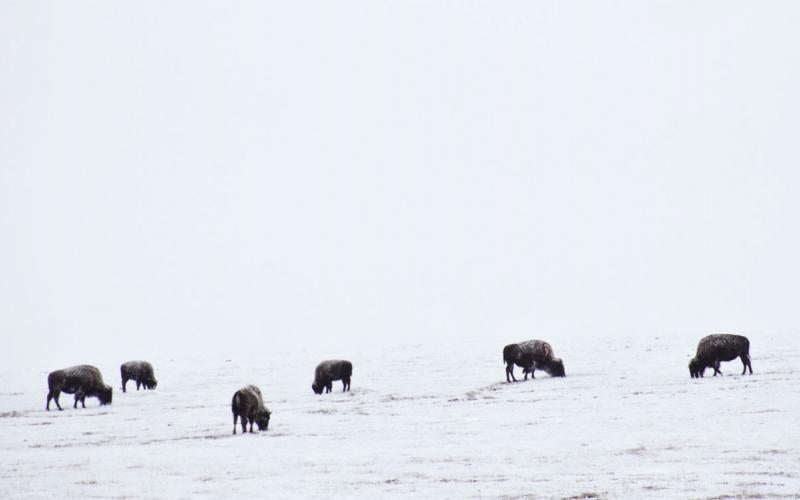
Considerations for Winter Bison Management
Although many tools and techniques developed for cattle management have been adapted for bison, there are some stark differences between the two species that producers should consider when managing bison on winter range.
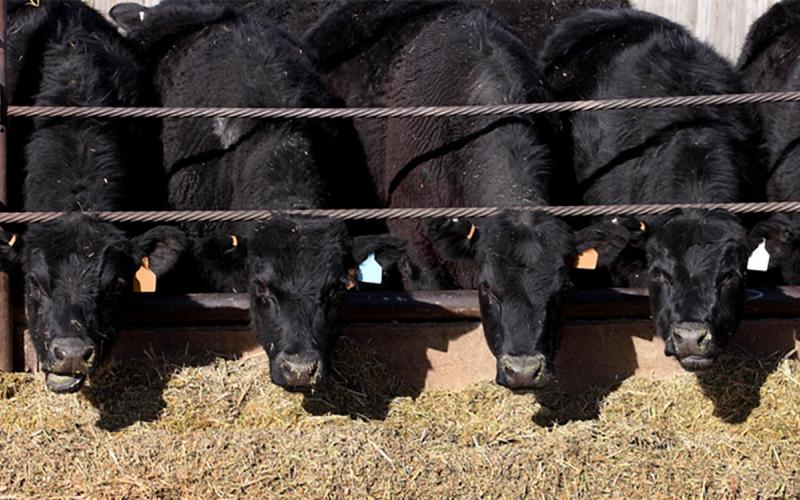
SDSU, UNL Extension host Siouxland Feedlot Forum
April 27, 2024
South Dakota State University Extension and the University of Nebraska-Lincoln Extension are hosting a Siouxland Feedlot Forum on June 18, 2024, in South Sioux City, Nebraska.
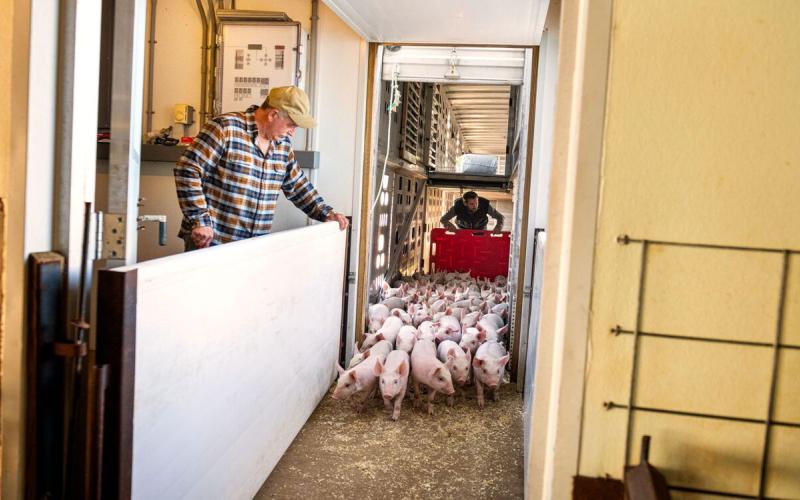
Benefits of Transport Quality Assurance Certification
The Transport Quality Assurance® certification program from the National Pork Board is designed to promote the highest standards of animal welfare and pork quality during transportation.
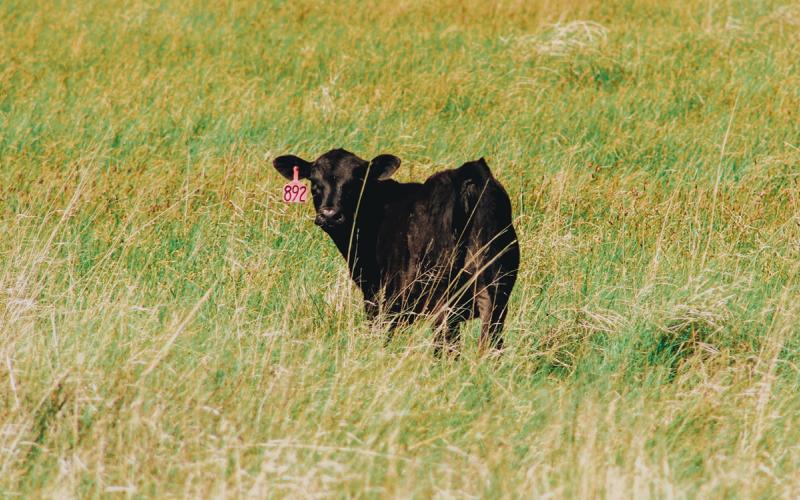
Monitoring Spring Precipitation and Range Conditions
Ideal grazing management balances the acts of grazing and recovery. Monitoring precipitation, soil moisture, and forage production can help producers make informed decisions for their herds and pastures.
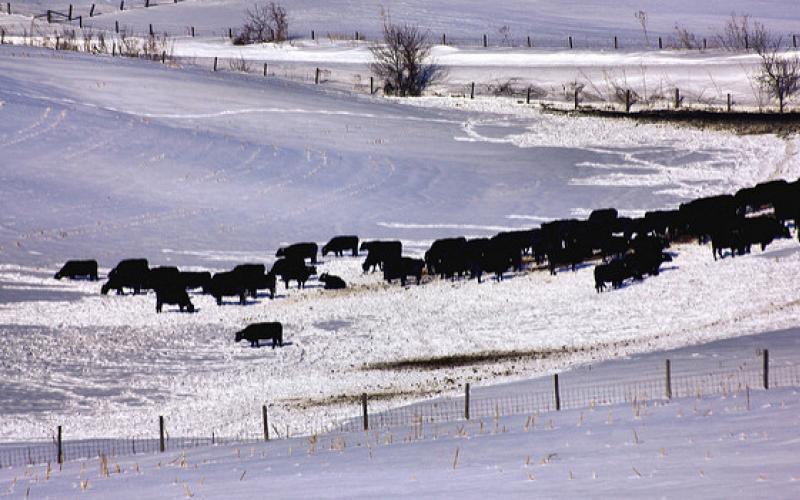
Do You Have To Defer Grazing on Winter Pastures?
How can ranchers improve profitability when feed typically represents well over half of cow-calf production costs? Grazing dormant winter range is a common practice to reduce costs in South Dakota. Grazing winter range when plants are completely dormant minimizes negative impacts on the function of the plant during the growing season. Separate pastures are typically designated for winter use only, often based on availability of winter shelter, water and access to stored feeds.
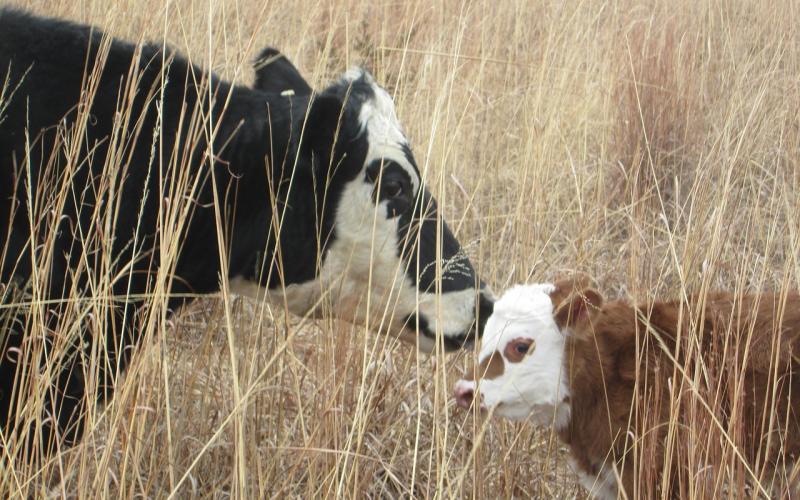
Preparing the Beef Calf for Weaning
One fact on which cattlemen, veterinarians, and animal scientists can agree is that of all the events in most calves’ lives, weaning is the most stressful of them all. If a calf can weather this stress unscathed, they have cleared a major hurdle to a productive future in the feedlot or as a replacement in the breeding herd.
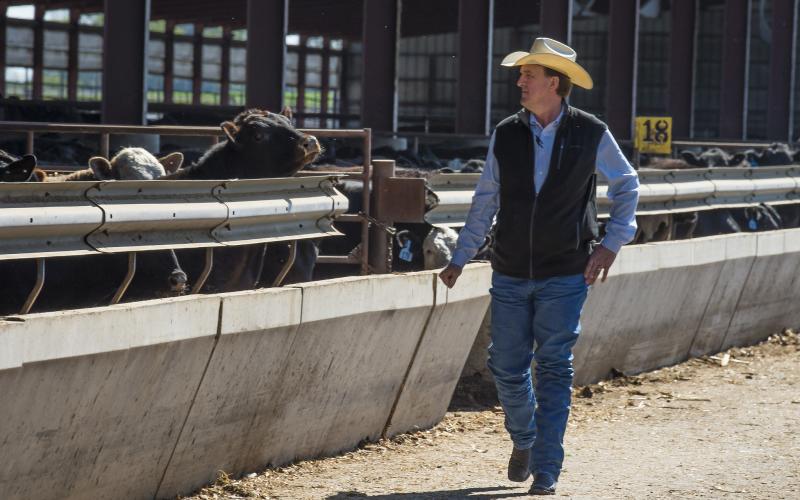
Feed Bunk Management
A successful slick bunk feeding program matches dry matter intake (DMI) to the cattle’s appetite as closely as possible and keeps DMI consistent from day-to-day.

Supplementing Cows on Pasture to Stretch Forage Supplies
With dry conditions spreading quickly across the Dakota’s, producers are forced to make challenging decisions on how many cow/calf pairs to turn out to pasture, and then determine how long the pastures will even last if moisture doesn’t come soon. During the spring/summer months, supplementing grass with energy and protein can decrease forage dry matter consumption.
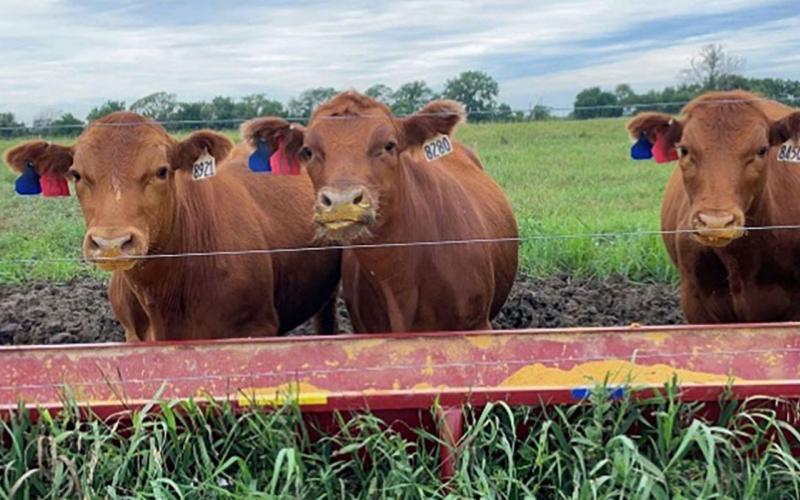
SDSU Extension hosts cattle webinar series on market, climate and health trends
May 03, 2024
The Market, Climate, Health: Cattle Update one-hour webinar series is online via Zoom at 11 a.m. CDT / 10 a.m. MT on June 4, 11 and 18, 2024. Tickets are $30 and registration is required to receive the Zoom link. To register, visit extension.sdstate.edu/events and search “cattle”.
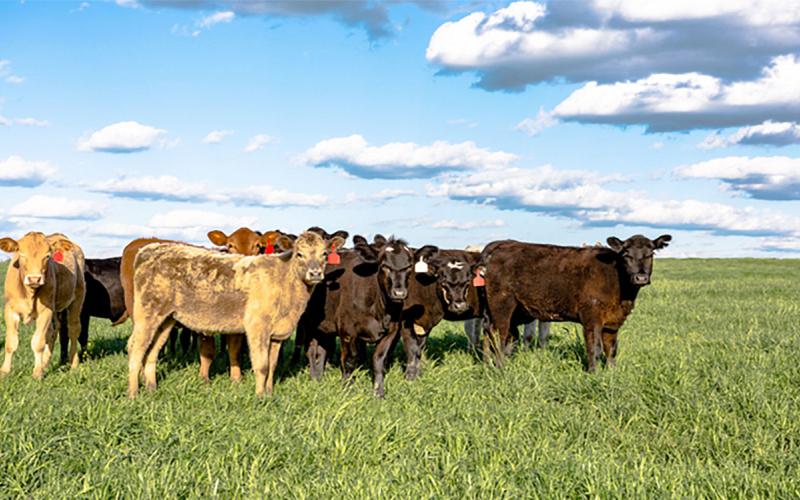
Replacement Heifer Management Post-Artificial-Insemination
The financial investment in getting heifers bred early has a long-time impact on the cow success in the herd, making post-AI heifer development considerations essential.