Search
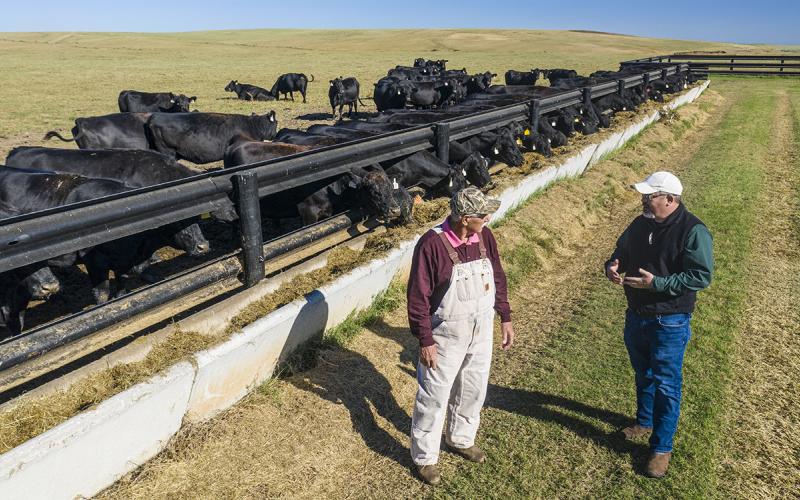
Salt Toxicity: Water Deprivation
Salt toxicity is a result of either a high concentration of salt in a diet or water deprivation. Learn how to recognize its symptoms and work with your veterinarian to prevent it from impacting your animals.
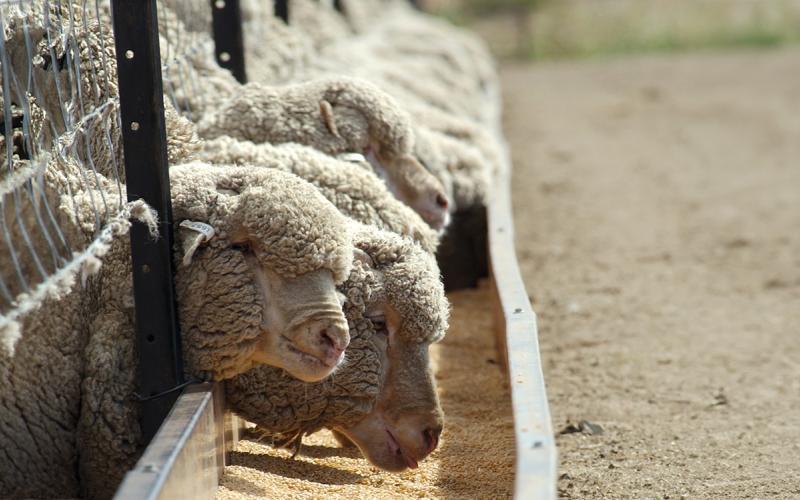
Waterbelly in Small Ruminants
Waterbelly (urolithiasis or urinary calculi) is a concern in male sheep and goats on high-concentrate rations. Knowing its symptoms, forms, and prevention strategies can help you make the best decisions for your flock.

Distillers’ Dried Grains With Solubles Decreased Feed-To-Water Ratio
Recent research at SDSU found that using distillers’ dried grains with solubles in swine diets showcased a significant impact on water consumption, leading to a decrease in the feed-to-water ratio.
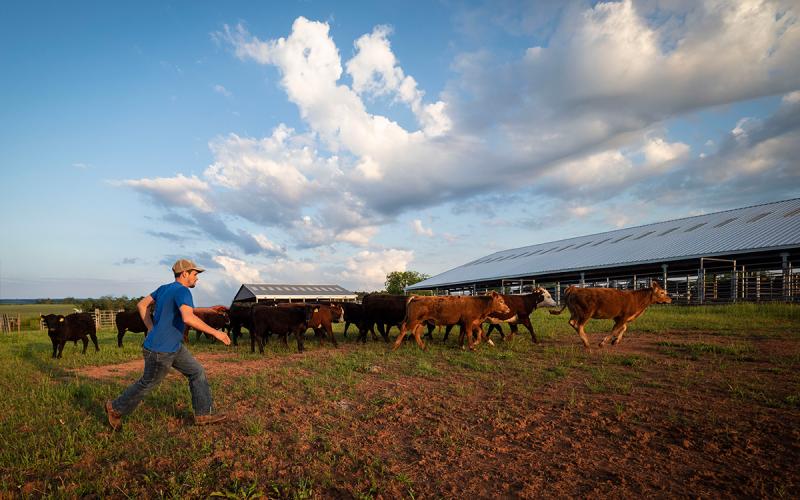
Preparing for the Fall Run
Having a plan in place for weaning and marketing will reduce stress for both your operation and your calves when the grazing season comes to an end and movement of calves begins.
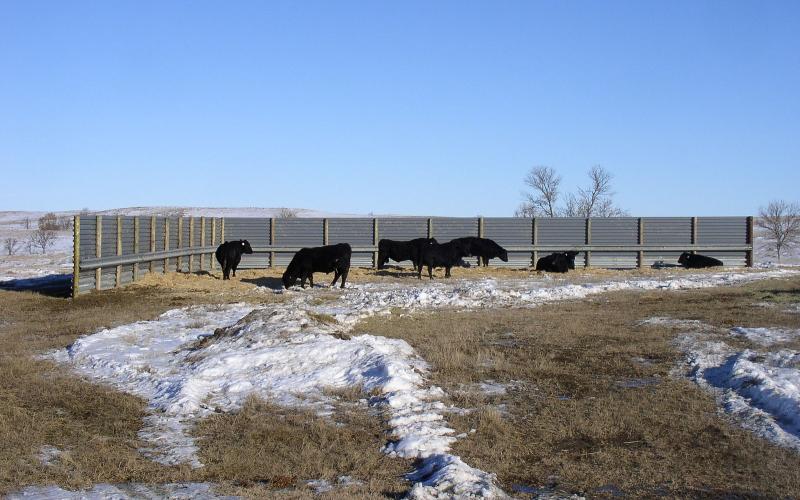
Don’t Discount the Need for Vitamin A and E in Beef Cows During Winter
Supplying sufficient Vitamin A and Vitamin E to cows in late gestation is important every year. Vitamins A and E are plentiful in green forages, but tend to be much lower in hay and winter range and continue to decline as the fall and winter progress.
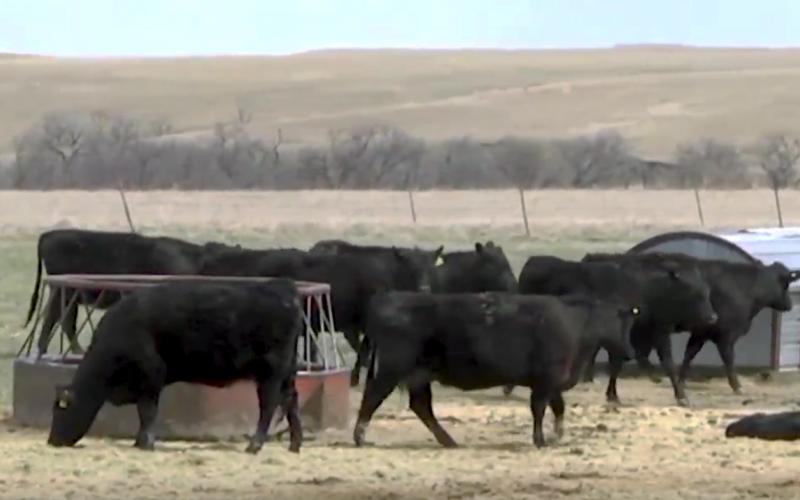
Clearing up Confusion on Protein and Energy Supplements
Differentiating between protein and energy supplements is key to developing an effective cattle supplementation program, but it can be very confusing. With the multitude of feed options available, understanding types of feeds and nutrient requirements will help ensure cattle perform optimally.
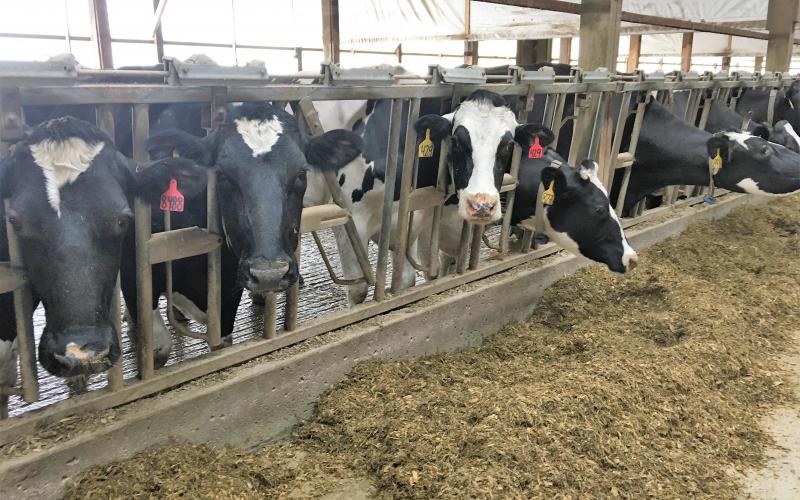
Keeping the Dairy Cow Healthy Means Keeping Her Gut Healthy
While we usually think of a cow’s gut simply as the organ system responsible for digestion and absorption of nutrients, it also plays other critical roles. Essentially a long tube from the mouth to rectum, open to the outside world, the digestive tract is the most substantial interface between the cow’s external environment and her body.
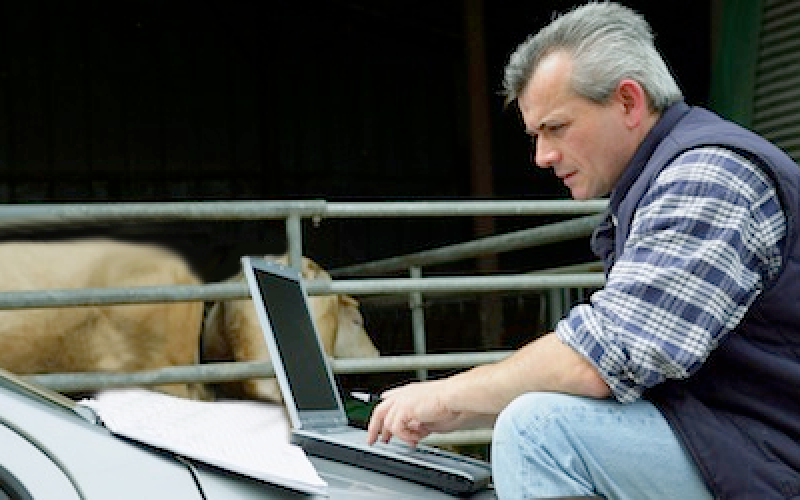
Opportunities for Open Cows
It’s that time of year when driving along the countryside or sitting in the sale barn cows start to show up with an “O” drawn on her side as the Veterinarian called her open on pregnancy check day.
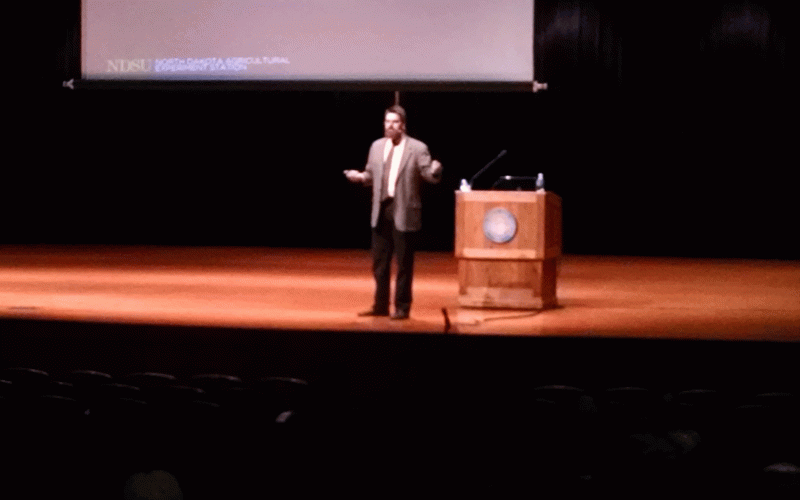
Eating Like a Pig is Healthy
On Thursday, February 25, 2016, Dr. Eric Berg gave a presentation at South Dakota State University on “Eating Like a Pig: The Role of Meat in the Human Diet” as part of the University’s Speakers series.
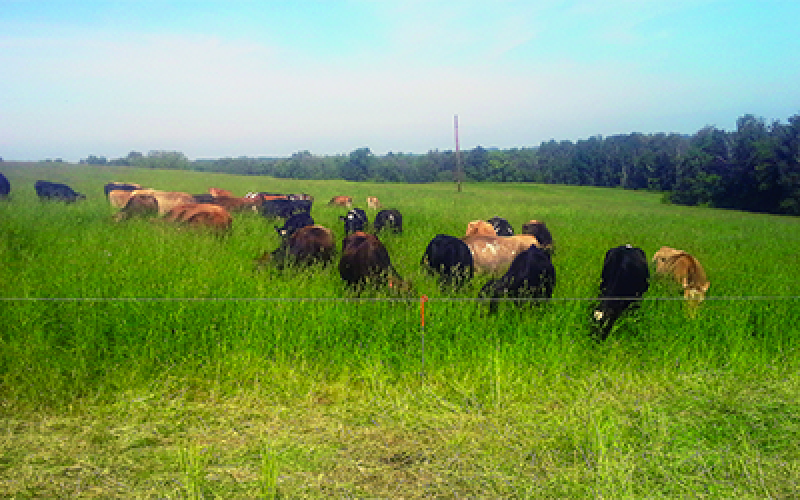
Anaplasmosis: Is it a problem in the Northern Plains?
Cattle producers have been hearing more and more about a disease called anaplasmosis. This disease recently appears to have become more common in areas not previously affected. The disease is typically associated with cattle herds in warmer areas of the country, but is it ever a problem up here on the Northern Plains?