Search
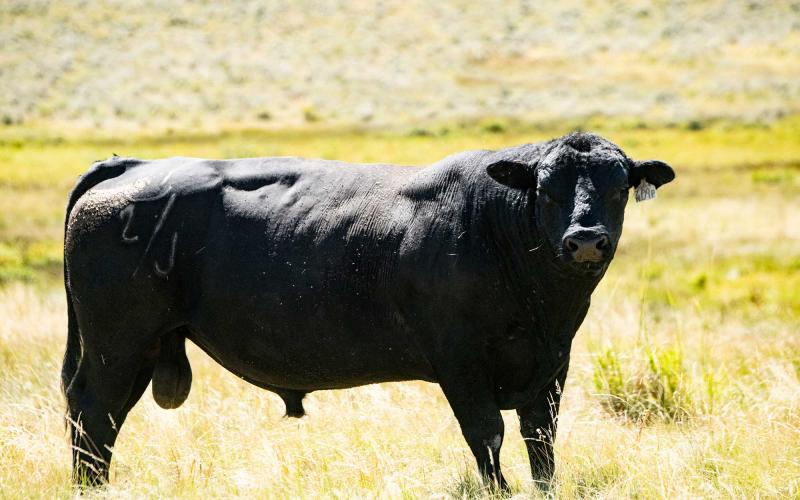
How Many Bulls Do You Need When Synchronizing With Natural Service?
The use of estrous synchronization with natural service provides an opportunity to utilize the benefits of synchronization. However, the first question producers ask is, “How many more bulls do I need?”
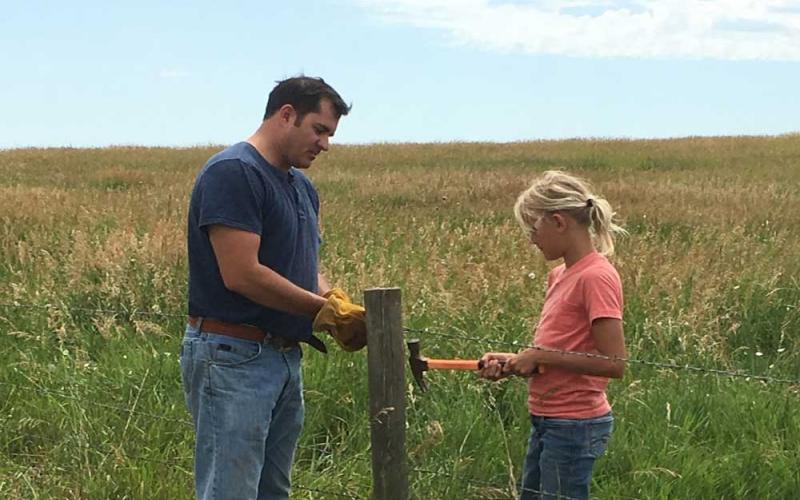
Strategic and Scenario Planning in Ranching: Conducting a Ranch Inventory
During times of belt-tightening, it’s imperative to make sure all the resources of the ranch are being utilized as efficiently as possible. Conducting a complete ranch inventory is a perfect time for ranch managers to take an in-depth look at their operation.
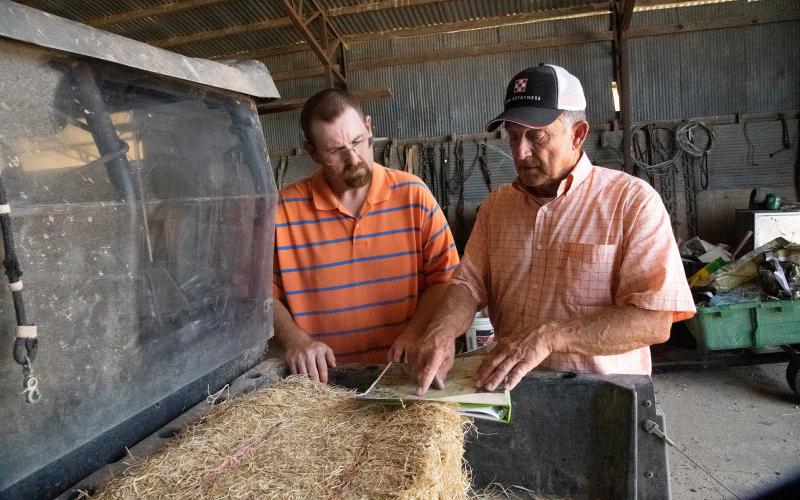
Livestock Risk Protection for Cattle
Price rallies, general price volatility and concern that prices may move lower could lead producers to insure livestock prices. Livestock Risk Protection is an insurance program that covers the single-peril or risk of lower prices on fed cattle and feeder cattle.
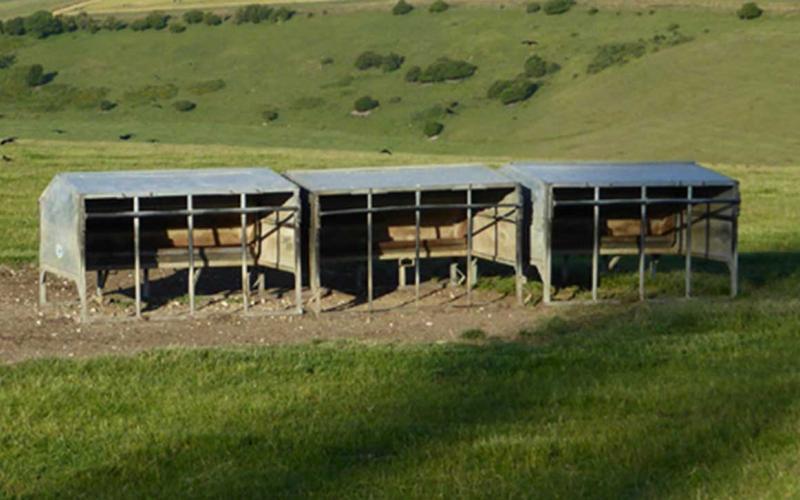
Creep Feeding Options: Will it Pay?
Creep-feeding should be evaluated on yearly basis to determine if it will provide production and economic benefits to the operation.
Questions and Misconceptions Surrounding Implants
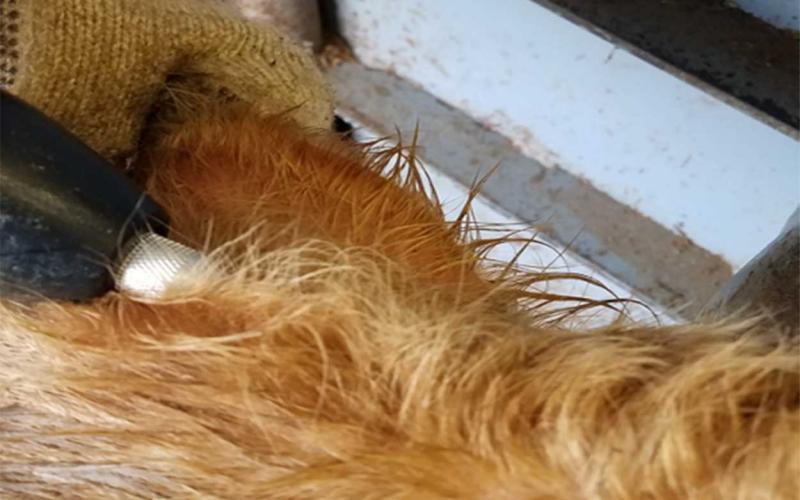
Growth promoting implants are among the most widely used technologies in the beef industry. The first implant received FDA approval in 1954, yet in spite of a long history, there are still myths and misconceptions surrounding their use.

If You Build It, They Will Come: Building a Local Tourism Event
Whether realizing it or not, entities across South Dakota have overcome many hurdles to launch entrepreneurial tourism-focused ventures. For the rest of us, let’s take a moment to consider core steps in building your next big idea.
Tribasic Copper Chloride Source Shows Promise in Weanling Pig Performance
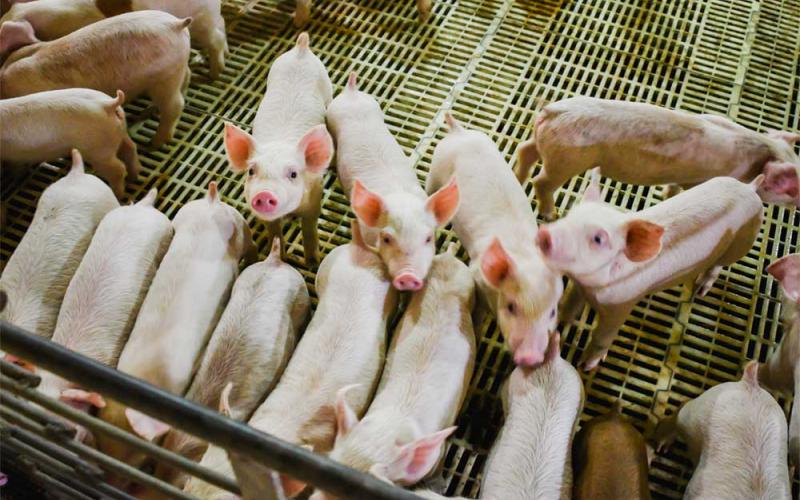
One of the many challenges in swine production is getting newly weaned pigs off to a good start. Research has found that tribasic copper chloride supplemented into nursery pig diets can be effective at improving growth performance and intestinal health of weanling pigs.
Understanding Fan Performance Metrics and Variability
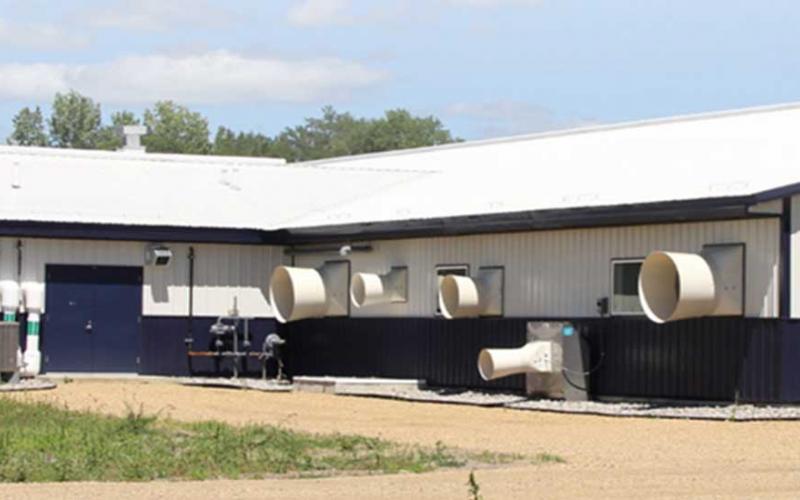
As we move into the summer season, it is important to check for proper function of fans in your operation. When selecting new or replacement fans, it is critical to evaluate the flowrate requirement at the static pressure you will be operating, compare the efficiency of fan options, and ask your equipment supplier for detailed performance specifications.
Basic Ventilation System Design for Pork Producers
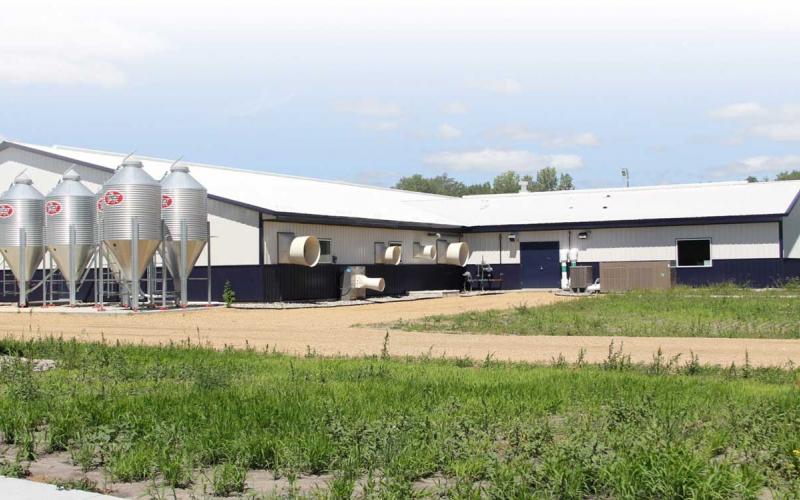
Ventilation systems have the potential to maximize swine production with regard to animal growth and performance. Understanding the rationale behind their design can help any manager do the best job possible.
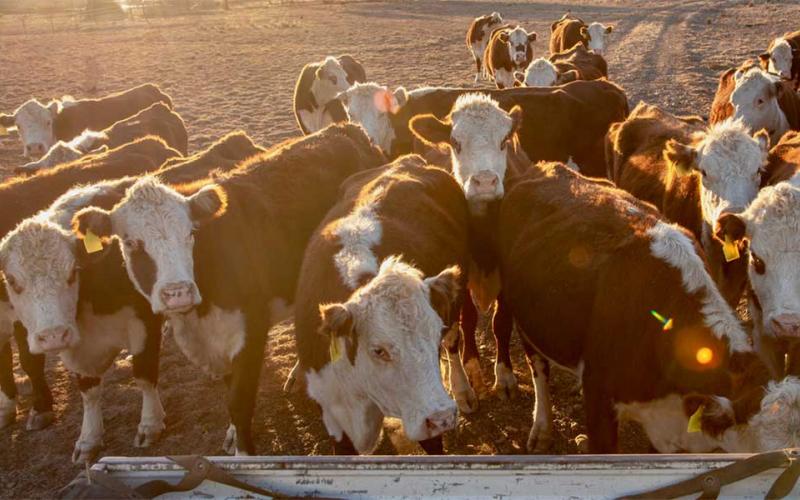
Protein Nutrition and Replacement Heifer Development
With summer coming to an end and weaning for this year’s calves right around the corner, it is not premature for producers to start thinking about next year’s replacement heifers that will be needed to replace any culled or open cows.