Search
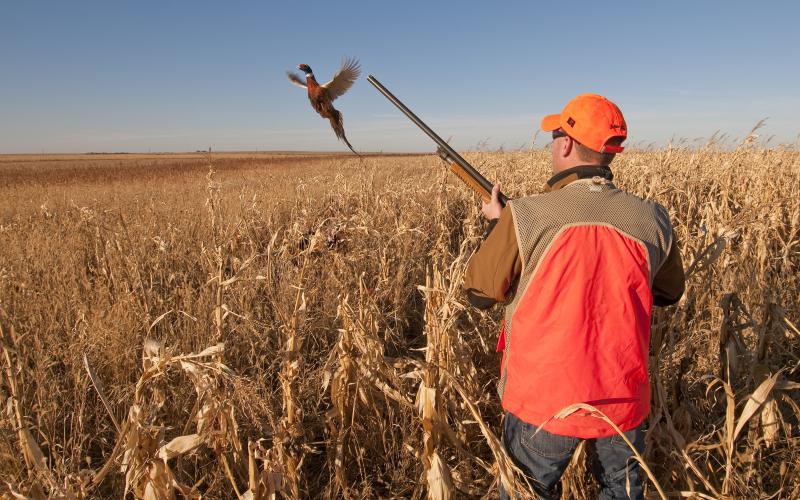
Wildlife and the Bottom Line
As the fall harvest wraps up and this year’s calf crop is weaned, many producers may be nervous about what their paychecks will look like for 2016. In tough market conditions, it can be tempting to try to squeeze just a bit more production out of the land.
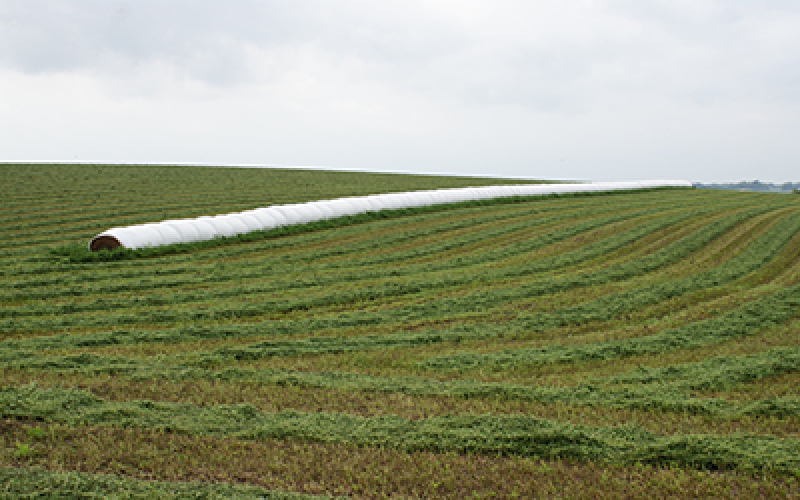
Determining Hay Prices
Before pricing forages, producers will want to have a good understanding about the cost of growing a ton of hay, alfalfa or straw.

Calving Book Technology: There’s an App for That
Record keeping is necessary for beef producers to make benchmarks and progress from year-to-year. New calving book apps can make record keeping easier, helping producers stay on track during calving season.
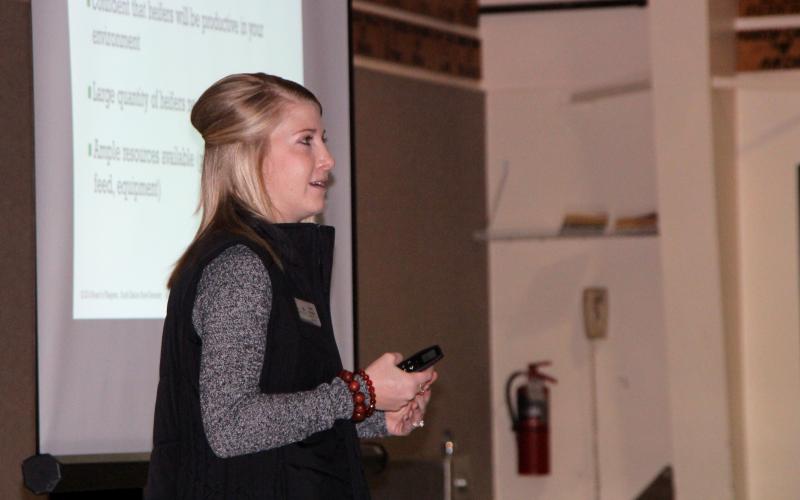
Finding Females for the Cowherd
The type and kind of females chosen for your cowherd is an important decision that can have long-term implications and great impact on the economic viability of the operation.
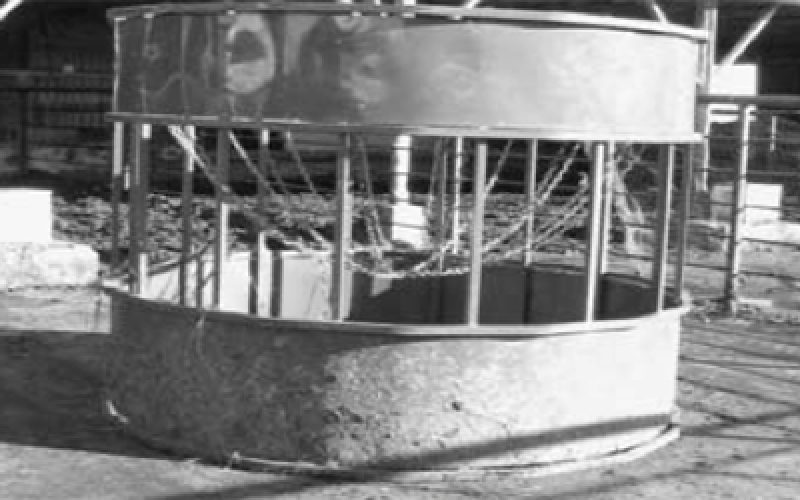
Hay: Stop the Waste
In an effort to prevent increasing the winter feed bill, a new bale feeder design or feeding plan may need to be developed and put into action in order to manage hay waste this winter.
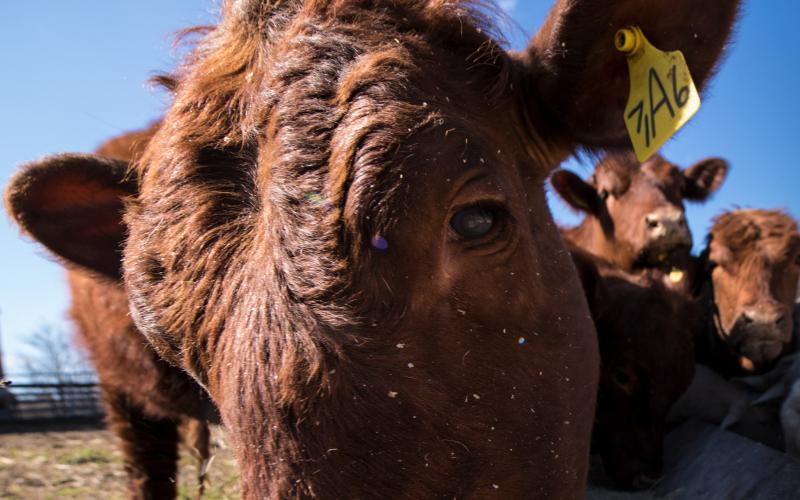
Limited Forage: What Are Some Alternatives?
Research has shown that a variety of feedstuffs can be utilized to meet the cows’ nutrient requirements with similar performance to hay or hay plus supplement ration.
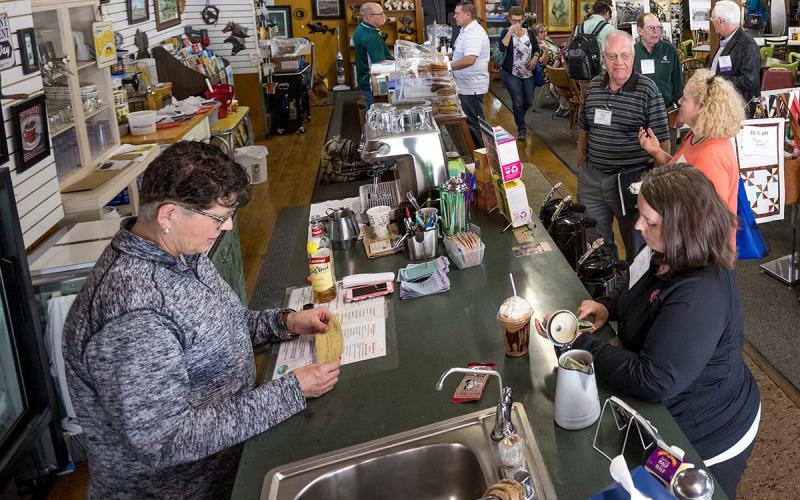
Are Chamber Bucks a Thing of the Past or Still a Viable Economic Development Tool?
For many communities, Chamber Bucks, sometimes called community gift certificates or local currency, have been a long-standing tradition. Today, they remain a simple, meaningful way to keep dollars working close to home while supporting businesses that invest in your community.
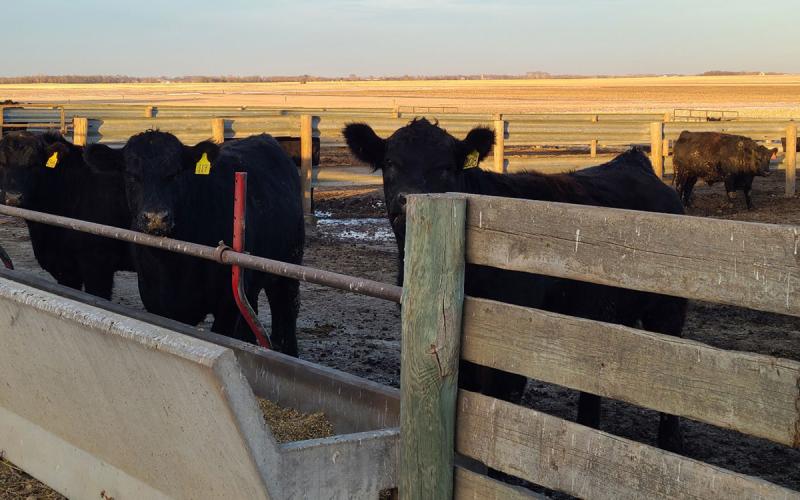
Beef Cattle Budgets
What does it cost to maintain a cow for the year? This is a common question asked by producers across the nation.
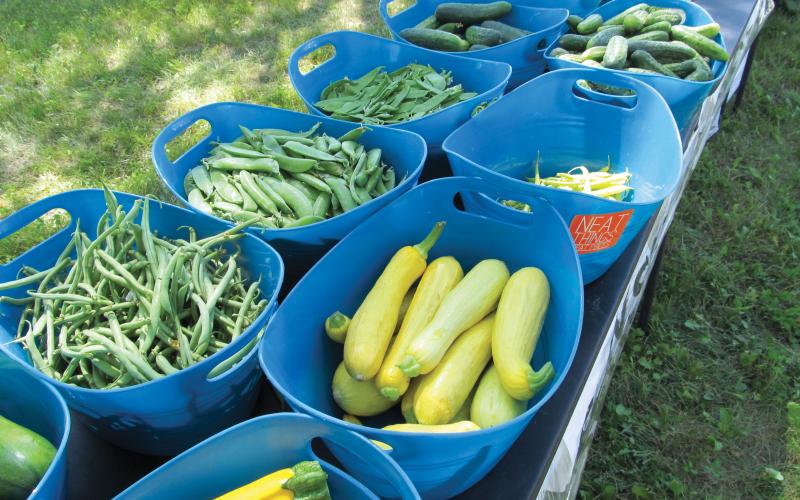
Food and Product Regulations for the Farmers Market
Food safety regulations can come from the federal, state or local government. This article provides information on numerous regulatory topics as they apply to vendors and market managers involved with farmers markets.
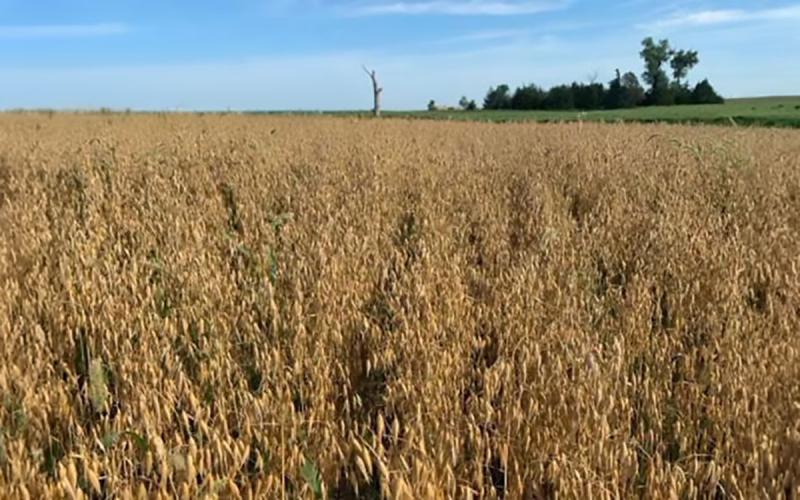
Annual Forage Rainfall Index Insurance: A Risk Management Tool for South Dakota Producers
Drought remains a recurring challenge for South Dakota livestock and forage producers. Annual Forage Rainfall Index insurance is one tool that may help reduce the financial risk associated with below-average precipitation.